Shab-i Bara’at: The Night of Redemption

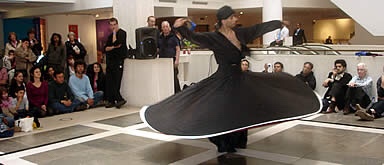
Today is 14 Shaban and the night which is coming is Shab-i Barā’at, the Night of Redemption, when it is said that God in His Wisdom opens the doors of the heavens and forgives the sins of those who seek forgiveness for themselves and their loved ones. Thus it is a night of prayers, rituals and celebrations amongst the Muslims. The only Muslims who do not ‘celebrate’ the occasion are the Wahhābīs.

The general belief is that on this night the doors of forgiveness are opened for those who seek it. Forgiveness is sought not only for the oneself and the living but also for those long dead. Muslims believe that God writes destinies for the coming year, taking into account their past actions – so they ask his mercy for any transgressions. They also visit the graves of their dead and illuminate candles there.

It is also common in many regions for worshippers to offer prayers to Allah for forgiveness from their deceased loved ones.

Although not mentioned directly in the Qur’an, two verses are sometimes ascribed to Mid-Sha‘ban:

“Indeed, We sent it down during a blessed night. Indeed, We were to warn [mankind]. On that night is made distinct every precise matter-“[Quran 44:3–4]

In the Shi’i beliefs, this night is also the night on the morning of which their 12th Imam, Imām Mahdi was born.

Thus amongst the Shi’ites, the Twelvers (Ithna Asharis), and others, specially tafzīlīs, elaborate “fatiha“, prayers for the dead take place. Variety of ‘halwa’ is prepared, especially of chana (chick pea), sooji (semolina) and besan (gram flour). Apart fron the “fatiha” of the forefathers and relatives, with a “shajra” (family tree) in front, a “nazar” (Offering) is made made to the prophets, Imams and other holy personages. After this ceremony is over, and prayers been offered, its time to visit the graveyards to pay respects at the graves of the relatives. Meanwhile, the ‘halwa‘ is distributed amongst the neighbours, friends and relations.

As the night descends, the lamps are lit and “ātish bāzi’ (fire crackers display) takes place. This is followed by “‘āmāl“, night vigils and prayers which continue the whole night.

As the new day breaks, its celebration time again, as it is 15 Shaban, the Day of the Birth of the Twelfth and Living Imam of the Shi’i, the Mahdi or Saviour!

Shab-i Barā’at āie eīd ka manzar liye huwey

Pahlū mēiñ nūr-e subh-e munawwar liyē huwey.

Gulzāre Sāmra mēiñ haiñ Narjis nehāl āj

Dāmān-e ārzū mēiñ gul-e tar liyē huwey.

The Prophet, the Caliphs and the Triple Talāq

In Islam, the legislative power lies with the God and his Prophet. Thus all the rules and traditions are based on the verses of the Qur’ān and the Hadith – sayings and actions of the Prophet. What has been ordained as halāl (legal) and harām (sinful) cannot be changed. The position of the Caliph is that of an executive successor who will promulgate what has been ordained and restrain what is forbidden.

There is much raging debate as to whether the “instant talāq” is legal or not. Was it allowed during the time of the Prophet? Is it mentioned in the Quran? Does it have any legal sanctity drawn from the Hadīs, sayings and actions of the Prophet?

When we go to the original sources, the Quran and the various interpretations and collections of the Sayings, we find that this was actually forbidden by the Prophet! And when it came to be allowed later on, people nomenclated and identified it as “biddat”, that is, something which is forbidden!

Here is what we get in the sources of Islam…Read and decide for your self:

“Abu Sahba’ said to Ibn ‘Abbas (Allah be pleased with them): Do you know that three (divorces) were treated as one during the lifetime of Allah’s Apostle (may peace be upon him), and that of Abu Bakr, and during three (years) of the caliphate of Umar (Allah be pleased with him)? Ibn Abbas (Allah be pleased with them) said: Yes.”

[Sahih Mulsim, Book 009, Number 3492]

According to Sahih Muslim the concept was brought during the period of the second Caliph, Hazrat ‘Umar ibn Khattāb. This is clear from the Hadith compilations considered authentic. Sahih Muslim very clearly mentions:

“Abu al-Sahba’ said to Ibn ‘Abbas: Enlighten us with your information whether the three divorces (pronounced at one and the same time) were not treated as one during the lifetime of Allah’s Messenger (may peace be upon him) and Abu Bakr. He said: It was in fact so, but when during the caliphate of ‘Umar (Allah be pleased with him) people began to pronounce divorce frequently, he allowed them to do so (to treat pronouncements of three divorces in a single breath as one).”

[Sahih Muslim, Book 009, Number 3493]

A Caliph can never make the halāl of the Quran and the Prophet as harām or vice versa. And if such a thing is done, even with good intentions, is transgression of legal authority; and thus illegal. It has to be rejected out rightly! Talāq-i Bida’ or the Triple Talāq is one such act.

Equestria 2018 at AMU & Fatima

Today the Annual Function and the Horse Show of the AMU Riding Club, the Equestria 2018, was held in the Athletic Ground of the University. Incidentally AMU is the only University in India having a full fledged century old Riding Club!

As usual, the AMU Vice Chancellor was the Chief Guest. It was a relief that unlike last year’s function, the event had less politics on display, nor apparently last minute and deliberate changes were made in the distribution of awards. And lastly, unlike last time, neither the sequence of events were changed, nor the programme was curtailed to suit the whims and fancies of the VC. The VC too arrived at the start of the function and left only after the award distribution!

The flip side of the programme, however was that there were too many ‘events’. But more irritating was the fact that the below-mediocre performance of some senior members led to quite a few repeats, which should never have been allowed.

Most of the events were interesting and the crowd enjoyed every moment of it.

Further, probably for the first time a huge LED screen was fixed so that everyone was able to actually see the events.

Further this year, the excitement of the programme was not marred by the dry senseless speeches by the “have beens”, nor did the VC, unlike the previous one, bored us with his “mann kī bāt”! The VC gracefully sat through the entire programme and, instead, enjoyed the show.

This year too my daughter took part in the function. In fact she had been preparing for the event since long.

Fatima participated in three events: in one her horse acted stubborn, in another, the Girls Hack, she got the Second Prize, while in the third she emerged the first! In total a large number of participants were awarded.

The first prize was in the Fancy Dress event in which she dressed as ‘Nurjahan’, the Mughal Queen (though the announcer identified her as “a Mughal Princess”. I can but say that my Princess looked everybit a Mughal queen riding a horse with a sword in hand!

Congratulations Beta! May many awards in life come your way!

Last year her scores had been deliberately tampered with and her name struck off from the list where she had been originally awarded second rank! It had also been announced on the mike soon after that particular event. But then last year the organisers were out to please their master who, they thought was anti her father! They had even removed her name from the official list of participants released to the press. That is another matter that she was very much reported in the photographs published by many newspapers!

This year, the event was held as a sport and no scores were settled! Thank you the present dispensation at AMU!

Sab Thāth Para Reh Jaye Ga Jab Lād Chale Ga Banjara

#ForAllDictatorsTraitorsCollaborators!

Sab Thaath Para Reh Jaye Ga Jab Laad Chale Ga BANJARA.

Tuk hirs-o-hawas ko chhod mian, mat des bides phire mara,

Qazzaaq ajal ka loote hai din raat, baja kar naqqara;

Kya badhiya, bhainsa, bel, shutar, kya goien, palla, sarbhara,

Kya gehun, chawal, moth, matar, kya aag, dhuvaan, kya angara,

Sab thath para reh jayega jab laad chale ga BANJARA.

_____________________________

Gar tu hai lakhhi banjara, aur khaip bhi teri bhari hai,

Ae ghafil, tujh se bhi chadhta ik aur bara beopari hai,

Kya shakkar, misri, qand, giri, kya sambhar, meetha, khari hai,

Kya daakh, munaqqa, saunth, mirch, kya kesar, laung, supari hai

Sab thath para rah jayega jab laad chale ga BANJARA.

_____________________________

Ye badhiya laade, bail bhare, jo purab pachhim jawe ga,

Ya sood barha kar lawega, ya tota, ghata, pawe ga,

Qazzaq ajal ka raste mein jab bhala mar girawe ga,

Dhan, daulat, naati, pota kya, ik kunba kaam na aawe ga,

Sab thath para rah jayega jab laad chale ga BANJARA.

_____________________________

Har manzil mein ab sath tere ye jaana, dera,daanda hai

Zarr, daam, diram ka bhaanda hai, bandooq, sipar aur khaanda hai

Jab nayak tan ka nikal gya,jo mulkon mulkon baanda hai

Phir haanda hai na bhaanda hai, na halwa hai na maanda hai

Sab thath para rah jayega jab laad chale ga BANJARA.

_____________________________

Jab chalte chalte raste main ye joon teri dhal jave gi,

Ik badhya teri matti par phir ghaas na charne ave gi,

Ye khep jo tune laadi hai, sab hisson main batt jave gi

Dhan, pot , jamai ,beta kya, banjaran pas na ave gi

Sab thath para rah jayega jab laad chale ga BANJARA.

_____________________________

Ye khep bhare jo jata hai,ye khep mein miyan mat gin apni

Ab koi ghr,pal,saa’at main ye khep badan ki khapni hai

Kya thaal,katore chandi ke,kya peetal ki dabbiya dhapni,

Kya bartan sone,rupe ke,kya matti ki handiya dhapni,

Sab thath para rah jayega jab laad chale ga BANJARA.

_____________________________

Kuch kaam na ave ga tere, ye laal,zamurrud,seem-o-zarr,

Jab poonji baat main bikhre gi,phir aan bane gi jaan ooper,

Naqqaare nobat baan nishan,dolat hishmat fojen lashkar,

Kya masnad takiya,milk,makaan,kya choki,kursi,takht,chakkar,

Sab thaath para reh jaye ga jab laad chale ga BANJARA.

_____________________________

Kyun jee par bojh uthata hai,in konon bhaari bhaari ke

Jab mout ka dera aan pare phir doone hain Biyopaari ke

Kya saaz,jurao,zarr,zewar, kya doone hain Biyopaari ke

Kya ghore zeen sunehri ke,kya hathi laal umari ke

Sab thaath para reh jaye ga jab laad chale ga BANJARA.

_____________________________

Magroor na ho talwaron par,mat phool bharose dhaalon ke

Sab patta tor ke bhaagen ge,mooh dekh ajal ke bhaalon ke

Kya dibbe moti,heeron ke kya dher khazane maalon ke

Kya bukche taash mushjar ke,kya takhte shaal do shaalon ke

Sab thaath para reh jaye ga jab laad chale ga BANJARA.

_____________________________

Kya sakht makaan banwata hai,kham tere badan ka hai pola

Tu unche koot uthata hai,waan dekh goor garhe ne mooh khola

Kya reti,khandaq,rand bare,kya burj,kangola anmola

Garh,koot,rihakka,tope,qila,kya sheesha daaru aur gola

Sab thaath para reh jaye ga jab laad chale ga BANJARA.

_____________________________

Har aan nafa aur tote mai kyun marta phirta hai bann bann

Tuk ghafil dil mai soch zara, hai sath laga tere dushman

Kya londi,baandi,daai,dawa,kya banda,chela.naik chalan

Kya mandir,MASJID,taal,kunwen,kya ghaat sira,kya baagh,chaman

Sab thaath para reh jaye ga jab laad chale ga BANJARA.

_____________________________

Jab marg phira kar chahak ko ye bail badan ka haanke ga

Koi naaj samete ga tera,koi goon siye ga aur taanke ga

Ho dher akela jungle mai tu khaak lehad ki phaanke ga

Is jungle mai phir aah Nazeer~ ik bhanga aan na jhaanke ga

Sab thaath para reh jaye ga jab laad chale ga BANJARA.

The Early Waterlifting Devices: Dhenkli or Shaduf and the Araghatta (Noria)

Water is an absolutely necessary element for life. The availability of water has played a key role in the development of all civilizations. Indeed, especially in the ancient times, water scarcity prevented the development of settlements. Water lifting devices have existed since ca. 3000 BC in various parts of the world. Early devices, such as water wheels and chutes were constructed and used animals (muscle energy) to provide the energy required to move the wheels.

Shaduf or Dhenkli

The shaduf is known as the first device used for lifting water in several ancient civilizations. It has been referred to with different names, such as shaduf (shadoof) in Egypt, zirigum in Sumer, dhenkli in India, kilonion or kelonion in Hellas, and daliya in Iraq.

The Shaduf or dhenkli is a wooden hand-operated device used for lifting water from a well, a river, a cistern or a canal. In its most common form, it consists of a long, tapering, nearly horizontal wooden pole, which is mounted like a seesaw (Figure 1). It has a bag and a rope attached on one end of the pole, with a counter balance on the other. The operator pulls down a rope, attached to the long end, fills the container and allows the counterweight to raise the filled container. A series of shadufs were sometimes mounted one above the other. A typical water lifting rate was 2.5 m3/d. A single shaduf could thus irrigate 0.1 ha of land in 12 h.

The Mesopotamians were known to lift water using the shaduf at around 3000 BC.

This instrument was widely spread in the ancient world, and several ancient civilizations dispute its origin. It was invented in the prehistoric times probably in Mesopotamia as early as the time of Sargon of Akkad (Emperor of the Sumerian city-states in the ca. 23rd and 22nd centuries BC). A shaduf is said to be depicted on a cylindrical seal from Mesopotamia dated ca. 2200 BC. It is also still in use in Egypt and other countries. In North Africa, a similar technique (called locally Diou or Dlou) was developed in the beginning of the ca. 12th century. It was used to raise water to higher levels. Owing to the fact that it was well spread in India, J. Laessoe [Reflections on modern and ancient oriental water works, J. Cuneif. Stud. 7, 5–26, 1935] has reported that the dhenkli / shaduf was invented in India.

The Waterwheel

The Egyptian shaduf and the water wheel (or noria or sania) are probably among the earliest devices for lifting water to be used for irrigation and domestic water supply.

The Egyptian waterwheel (noria) is thought to be the first vertical (horizontal axis) waterwheel and was invented by the Romans ca. 600–700 BC. It consists of a wooden wheel, powered by water flow and fitted with buckets that lifted water for irrigating nearby lands. The diffusion of the Egyptian waterwheel is typically associated with the (later) Arab civilization and the animal-powered waterwheel is considered as the high symbol of the Islamic imprint upon irrigation technology. Also, the invention of the compartmentalized waterwheel in Egypt may have been made ca. in the late 4th century BC, in a rural context, away from the metropolis of Hellenistic Alexandria and was then spread to other parts of North Africa. The hydraulic wheel was later built in Fez, Morocco, in the 13th century and was then spread to other parts of North Africa.

Waterwheels driven by camels were used to lift water for irrigation and domestic use in Afghanistan and other Asian countries. A limited number of these units are still in use today. In Sudan, an ox-driven system has been used as a simple irrigation device for centuries and continues to be used even nowadays.

In India it was called araghatta in Sanskrit. It is also sometimes referred to as ghati yantra. Ghatta means pots which are tied on the rim of the wheel.

Persian Wheel: The Noria

A variation of the Egyptian waterwheel is the Persian waterwheel. The date of its invention is not well known. It consists of an endless series of pots of unequal weight turned over two pulleys and is therefore classified as a pump rather than a waterwheel. The delivery rate of early animal powered Persian waterwheels ranged between 20 m3/h (for 1.5 m height lifting) and 10 m3/h (for 9 m height lifting). Of course, the higher the waterwheel and the more advanced the technology used for its function, the more the quantity of water lifted. The waterwheel, in its different versions, constitutes the ancestor of dynamic water lifting devices and modern hydropower systems, the principle of which is to extract power from the flow (kinetic energy) of water.

The shortage of labour in the Middle Ages rendered machines, such as the waterwheel, cost- effective. The waterwheel remained competitive with the steam engine well into the Industrial Revolution. The system used for lifting water to irrigate the Hanging Gardens of Babylon still remains a mystery. It is worth noting that the word noria is a Spanish word and its origin is coming from in the Arabic term, Na-urah, meaning the first water machine. In the related bibliography this word is found and as Na’ura, as well as Naurah.

The large-scale use of norias was introduced in Spain by Syrian engineers. An installation similar to that at Hama (Figure 2) was still in operation in Toledo in the 12th century. The Na’ura (Noria) of Albolafia in Cordoba also known as Kulaib, which stands until now, served to elevate the water of the river until the Palace of the Caliphs. Its construction was commissioned by Abd al-Rahman I, and was reconstructed several times.

Several civilizations claim the invention of Noria. There are Indian texts dating from ca. 350 BC; Joseph Needham believed that the noria was developed in India ca. the fifth or fourth century BC. He assumed that it had then spread to the west by the first century BC and then diffused to China by the second century AD. This was followed by widespread use of the noria in the Eastern Mediterranean in the 5th century AD, before reaching North Africa and the Iberian Peninsula in the 11th century. Other possibilities of its origin include the Near East ca. 200 BC. Philo of Byzantium in Pneumatica (ca. 230 BC), a Hellenic engineer of the late third or early second century BC, showed sketches of several distinct types of waterwheels.

Noria and Saqiya:

Needham, in Science and Civilisation, Vol. IV(2), gave a clear definition of the two forms, the noria having the containers fixed to the rim of the wheel, and the saqiya on the rope or chain flung over the wheel (p. 356).

Having done so, he was able to follow up the evidence gathered by Coomaraswamy and Laufer, and argue that the earliest water-wheel in India was the noria, and that, moreover, India was probably the country of origin of this device. The reasons Needham adduced for this conclusion were two-fold: first of all, the noria was in the Hellenistic world in the first century BC and in China in the second century AD, and this proximity of date in such distant civilisations suggested an intermediate source of diffusion.

Secondly, he located the earliest recorded reference (derived presumably from Coomaraswamy) to the noria in the term cakkavattaka (turning wheel) used in the Cullavagga Nikaya (assigned to ca. 350 BC) for one of the three permissible models of water-lift.

Source: D.P.Agarwal Needham on Early Indian Inventions of Hydraulics, Cotton-Gins and Alcohol Distillation.

“Jab qata’ kī musāfat e shab āftāb ne”: A MARSIYA By Mīr Babar Ali Anīs (1803-1874)

Jab qata ki musāfat e shab āftāb ne

Jab qata ki musāfat e shab āftāb ne

Jalwa kiya sahar ke rukhe behijāb ne

Dekha sūwe falak Shahe gardūn rakāb ne

Murh kar sada rafīqo Ko di us janāb ne

Ākhir hai rāt hamd o sanāye Khuda karo

Utho farīzaye sahri ko ada karo

Hān ghāziyon ye din hai jidāl o qitāl ka

Yān khūn bahega āj Mohammad ki āl ka

Chehra khushi se surkh hai Zahra ke lāl ka

Guzri shabe firāq din āya visāl ka

Hum wo hain gham karenge malak jin ke wāstey

Rātein tadap ke kāti hai is din ke wāstey

Ye sunke bistaron se uthe wo Khuda shinās

Ek ek ne zebe jism kiya fakhira libās

Shane muhasino mein kiye sab ne be hirās

Bāndhe amāme āye imāme zaman ke pās

Rangīn abāyein dosh pe kamre kasey huwe

Muskh o zibād o itr mein kapde basey huwe

Khaime se nikle Shay ke azīzāne khush khisāl

Jin mein kayi thay Hazrate Khairun nisa ke lāl

Qasim sa gul badan Ali Akbar sa khush jamāl

Ek jā Aqīl o Muslim o Jafar ke nau nihāl

Sab ke rukhon ka nūr sipahre barīn pa tha

Athāra āftābon ka ghuncha zamīn pa tha

Nāgāh charkh par khate abyaz huwa ayān

Tashrīf jānemāz pe lāye Shahe zamān

Sajjāde bich gaye aqabe Shāhe ins o jān

Saute Hasan se Akbar e Mahrūh ne di azān

Har ek ki chashm ānsuon se dab daba gayi

Goya sada Rasūl ki kāno mein āgayi

Nāmūse Shāh rotey thay khaime mein zār zār

Chupke khadi thi sahn mein bāno e nāmdār

Zainab balāyein leke ye kahti thi bār bār

Sadqe namāziyon ke muazzin ke main nisār

Karte hain yūn sana o sifat Zul Jalāl ki

Logon azān suno meri yousuf jamāl ki

Ye husn e saut aur ye qirat ye shad o madd

Haqqa ke afsahul fusuha thay inhi ke jadd

Goya hai lahn e Hazrat e Dawūde ba khiradd

Ya Rabb rakh is sadā ko zamāne mein tā abadd

Shu’be sada mein pankhadiyān jaise phūl mein

Bul bul chahak raha hai riyāz e Rasūl mein

Saf mein huwa jo nāraye qad qāmatis salāt

Qaim huwi namaaz uthey Shahe qainaat

Wo nūr ki safein wo musalli falak sifāt

Sardār ke qadam ke taley thi rahe nijāt

Jalwa tha ta ba arshe mu’alla Hussain ka

Mus haf ki lauh thi ke musalla Hussain ka

Qurān khula huwa ke jama’at ki thi namāz

Bismillah āgey jaise ho yūn thay Shahe hijāz

Satrein thi ya safein aqab e Shahe sarfarāz

Karti thi khud namāz bhi inki adā pe nāz

Sadqe sahar bayāz pe bainas sutūr ki

Sab āyatein thi mus hafe nātikh ki nūr ki

Dunya se uth gaya wo qayām aur wo qaūd

Inke liye thi bandagi wajibul wujūd

Wo ajz wo tawīl ruku aur wo sujūd

Ta’at mein nīst jāntey thay apni hast o būd

Tāqat na chalne phirne ki thi hāth pāon mein

Gir gir ke sajde karte thay teghon ki chaon mein

Farigh huwe namāz se jab qibla o anām

Āye musāfahe ko jawānān e tashnakām

Chume kise ne dast e Shahinshāh e khās o ām

Ākhein miley kisi ne qadam par ba ehterām

Kya dil thay kya sipaah e rashīd o sayīd thi

Ba ham mu’anaqe thay ke marne ki eid thi

Zāri thi ilteja thi munajāt thi idhar

Wān sar kashi o zulm o ta’addi o shor o shar

Kahta tha ibne Sa’ad ye jā jā ke nahr par

Ghāton se hoshiyār tarāyi se ba khabar

Do roz se hai tashna dahani Hussain ko

Hān martey dam bhi dījiyo na pani Hussain ko

Baithey thay jānemāz pe Shahe falak sarīr

Nāgāh qarīb āke girey tīn chār tīr

Dekha har ek ne mudhke sūwe lashkar e kasīr

Abbas uthey tol ke shamshīr be nazīr

Parwāne thay sirāj e imāmat ke nūr par

Rokey sipar huzūr karāmat zahūr par

Akbar se mudhke kahne lage Sarware zamān

Bāndhe hai sarkashi pa kamar lashkare girān

Tum jāke kahdo khaime mein ye ay pidar ki jān

Bachon ko leke sahn se hatt jāye bibiyān

Ghaflat mein tīr se koi bacha talaf na ho

Darr hai mujhe ke gardane Asghar hadaf na ho

Kahte thay ye pisar se Shahe āsmān sarīr

Fizza pukāri deordhi se ay khalq ke amīr

Hai hai Ali ki betiyān kis jā ho goshgīr

Asghar ke gahwāre tak ākar girey hain tīr

Garmi se sāri rāt ye ghut ghut ke roye hain

Bachey abhi tou sard hawā pāke soye hain

Bāqir kahīn parha hai Sakina kahīn hai ghash

Garmi ki fasl ye tab o tāb aur ye atash

Ro ro ke sogaye hain saghīrane māhwash

Bachon ko leke yaan se kahān jāye fāqa kash

Ye kis khata pe tīr piya pe barastey hain

Thandi hawa ke wāstey bachey tarastey hain

Uthey ye shor sunke Imāme falak viqār

Deordhi tak āye dhālon ko roke rafīq o yār

Farmāya mudhke chaltey hain ab bahre kārzār

Kamre kaso jihād pe mangwāo rāhwār

Dekhein fizā behisht ki dil bāgh bāgh ho

Ummat ke kām se kahīn jaldi firāgh ho

Khaime mein jāke Shay ne ye dekha haram ka hāl

Chahre tou faqq hai aur…

Zainab ki ye dua thi ke ay Rabbe Zuljalāl

Bach jāye is fasād se khairun nisa ka lāl

Bano e naik nām ki khaiti hari rahey

Sanndal se māng bachon se godhi bhari rahey

Boley qarīb jāke Shahe āsmān janāb

Muztar na ho dua’en hain tum sab ki mustajāb

Maghrūr hain khata pe ye sab khanuma kharāb

Khud jāke mein dikhāta hūn inko rahe sawāb

Mauqa nahi bahan abhi faryād o āh ka

Lāo tabarrukāt Risālat panāh ka

Merāj mei Rasūl ne pahna tha jo libās

Kashti mein lāyi Zainab usey Shahe dīn ke pās

Sar par rakha amāmae Sardāre haq shinās

Pahni qabāye pāk Rasūle falak asās

Bar mei durust o chust tha jāma Rasūl ka

Rūmāl Fātima ka amāma Rasūl ka

Kapdon se ārahi thi Rasūle zaman ki bu

Dūlha ne sūnghi hogi na aisi dulhan ki bu

Hyder ki Fatima ki Hussain o Hasan ki bu

Phaili huwi thi chār taraf Panjetan ki bu

Lut ta tha itr wādi ambar sarisht mein

Gul jhumtey thay bāgh mein Rizwān behisht mein

Poshāk sab pahan chukey jis dam Shahe zaman

Lekar balāein bhāi ki ronay lagi bahan

Kehti thi hai aaj nahi Hyder o Hasan

Amma kahān se laye tumhe ab ye be watan

Rukhsat hai ab Rasool ke yūsuf jamāl ki

Sadqe gayi balein tou lo apne lāl ki

Hathyār idhar laga chuke Moula e khās o ām

Tayyār udhar huwa alam e Sayyide anām

Duāein māngti gird thi saidāniyān tamām

Roti thi thāmey chobe alam khwāhare imām

Teghein kamar mei dosh pe shamley padey huwe

Zainab ke lāl zere alam ā khade huwe

Gah mā ko dekhte thay kabhi jānibe alam

Na’ra kabhi ye tha ke nisār e Shahe umam

Karte thay dono bhai kabhi mashware baham

Āhista pūchtey kabhi ma se wo zī hasham

Kya qasd hai Alliye wali ke nishān ka

Amma kise milega alam nāna jān ka

In nanhe nanhe hāthon se uthega ye alam

Chotey qadon mein sabse sino mein sabho se kam

Nikle tano se sibte Nabi ke qadam pe dam

Ohda yahi hai bas yahi mansab yahi hasham

Rukhsat talab agar ho tou ye mera kām hai

Mā sadqe jāye āj tou marne mein nām hai

Phir tum ko kya buzurg thay jo fakhre roz gār

Zeba nahi hai wasf e izāfi pe iftekhār

Johar wo hai jo taegh karey āp āshkār

Dikhlādo āj Hyder o Jāfar ki kārzār

Tum kyon kaho ke lāl Khuda ke wali ke hain

Faujein pukāre khud ke nawāse Ali ka hain

Ab jisko tum kaho usey dein fouj ka alam

Ki arz jo salāh Shahe āsmān hasham

Farmāya jabse uthgayi Zahra e ba karam

Us din se tumko mā ki jagah jāntey hain hum

Malik ho tum buzurg koi ho ke khurd ho

Jisko kaho usiko ye ohda sipard ho

Boli bahan ke āp bhi tou lein kisi ka nām

Hai kis taraf tawajjo e Sardar o khās o ām

Gar mujhse poochtay hain Shahe āsmān maqām

Quran ke bād hai tou Ali hi ka kuch kalām

Shaukat mein qadd mein shān mein humsar nahi koi

Abbas e nāmdār se behtar nahi koi

Āshiq ghulām khādim e derīna jān nisār

Farzand bhai zīnate pehlu wafa shi’ār

Jarrār yādgār e pidar fakhre rozgār

Rāhat rasā mutī o namudār o nāmdār

Safdar hai sher dil hai bahadur hai naik hai

Bemisl saekdon mein hazaron mein aik hai

Ākhon mein ashk bhar ke ye boley Shahe zaman

Hān thi yahi Ali ki wasiyyat bhi ay bahan

Acha bulāyein aap kidhar hai wo saff shikan

Akbar chacha ke pās gaye sunke ye sukhan

Ki arz intezār hai Shahe ghuyūr ko

Chaliye phuphi ne yād kiya hai huzūr ko

Abbas āye hāthon ko jordhe huzūr e Shāh

Jao bahan ke pās ye bola wo dīn panāh

Zainab wahin alam liye āyi ba izzo jāh

Boley nishān ko leke Shahe arsh bārgāh

Inki khushi wo hai jo riza Panjetan ki hai

Lo bhai lo alam ye ināyat bahan ki hai

Munh karke suwe qabre Ali phir kiya khitāb

Zarre ko āj kardiya Moula ne āftāb

Ye arz khāksār ki hai Ya Abu Turāb

Āqa ke āgey hūn mein shadath se bahre yāb

Sar tan se ibne Fatima ke ru baru girey

Shabbir ke pasīne pe mera lahu girey

Ye sunke āyi zaojaye Abbas e nāmwar

Shaohar ki simpt pehle kinkhiyon se ki nazar

Lī sibte Mustafa ki balāyein ba chashme tar

Zainab ke gird phirke ye boli wo nauhagar

Faiz āp ka hai aur tasadduq Imām ka

Izzat badi kanīz ki rutba ghulām ka

Sar ko laga ke chgāthi se Zainab ne ye kaha

Tu apni māng kokh se thandi rakhe sada

Ki arz mujhse lākh kanīzein hūn tou fida

Bano e nāmwar ko suhāgan rakhe Khuda

Bachey jiye taraqqiy e iqbal o jāh ho

Sāye mein āp ke Ali Akbar ka byāh ho

Nāgāh ākey bāli Sakina ne ye kaha

Kaisa hai ye hujūm kidhar hai mere chacha

Ohda alam ka unko mubārak karey Khuda

Logon mujhe balāyein tou lene do ek zara

Shaukat Khuda badhāye mere ammu jān ki

Mein bhi tou dekhūn shān Ali ke nishān ki

Abbas muskura ke pukārey ka āo āo

Ammu nisār pyās se kya hāl hai batāo

Boli lipat ke wo ke meri mashq lete jāo

Ab tou alam mila tumhein pani mujhe pilāo

Tohfa na koi dījiye na in’ām dījiye

Qurbān jāon pāni ka ek jām dījiye

Nāgāh badhey alam liye Abbas e bā wafa

dauRe sab Ahle Bayt khule sAr, barahna pa

Hazrat ne hāth utha ke ye ik eik se kaha

Lo Alwida ay haram e pāk e Mustafa

Subhe shab e firāq hai pyāron ko dekh lo

Sab mil ki dūbte huwe tāron ko dekh lo

Shay ke qadam pe Zainab e zār o hazīn giri

Bano pachād kha ke pisar ke qarīn giri

Kulsūm thar thara ke barūhe zamīn giri

Bāqir kahin gira tou Sakina kahīn giri

Ujda chaman har ek gul tāza nikal gaya

Nikla alam ke ghar se janāza nikal gaya

Nāgāh udhar se tīr chale jānibe Imām

Ghoda bada ke āp ne hujjat bhi ki tamām

Nikle idhar se Shay ke rafiqān e tashnakām

Be sar huwe paron mein sarā ne sipāh e shām

Bāla kabhi thi taegh kabhi zer e tang thi

Ek ek ki jang mālik e ashtar ki jang thi

Allah re Ali ke nawāson ki kārzār

Dono ke nichey thay ke chalti thi zulfiqār

Shāna kata kisi ne jo roka sipar pe wār

Ginti thi zakhmiyon ki na kishton ka tha shumār

Utney sawār qatl kiye thodi daer mein

Dono ke ghodey chup gaye lāsho ke dhaer mein

Kis husn se Hasan ka jawāne hasīn ladā

Ghir ghir ke sūrate asad e khushmgīn ladā

Do din ki bhook pyās mein wo mahjabīn lada

Sahrā ulat ke yūn koi dulha nahi lada

Hamle dikha diye asad e kirdgār ke

Maqtal mein sūye arzak e shāmi ko mār ke

Chamki jo taegh Hazrate Abbas e arsh jāh

Rūhul amīn pukārey ke Allah ki panāh

Dhālon mein chup gaya pisar e sād ru siyāh

Kushton se band ho gayi aman o amān ki rāh

Jhapta jo sher shoakh mein darya ki saer ke

Le li tarāyi taeghon ki moujon ko phaer ke

Be sar huwe muwakkil e sar chashma e furāt

Hal chal mein misl e mouj safon ko na tha sabāt

Darya mein girke fout huwe kitne bad sifāt

Goya habāb hogaye thay nuqta e hayāt

Abbas bhar ke mashk ko yoon tashnalab laday

Jis tarah naharwān mein amīr e arab laday

Āfat thi harb o zarb e Ali Akbar e diler

Ghusse mein jhapte ser pe jaise garsina sher

Sab sar buland past zabardast sab thay zer

Jangal mein chār simpt huwe zakhmiyon ke dher

Sirān ke utre tan se jo thay rann chadhey huwe

Abbas se bhi jang mein kuch thay badhey huwe

Talwārein barsi subh se nusfun nihār tak

Hilti rahi zamīn laraztey rahey falak

Kāmpa kiye paron ko simte huwe malak

Na’rey na phir wo thay na wo taeghon ki thi chamak

Dhālon ka daur barchiyon ka auj ho gaya

Hangām e zuhr khātema e fauj ho gaya

Lāshe sabho ke sibte Nabi khud uthāke lāye

Qatil kisi shahīd ka sar kātne na paye

Dushman ko bhi na dost ki furqat Khuda dikhāye

Farmātey thay bichad gaye sab hum se hai haye

Itney pahād gir padey jis par wo kham na ho

Gar sou baras jiyūn tou ye majma baham na ho

Kham hogaye ye dāgh uthake Imāme dīn

Jhuk kar bana hilāl e Nabi ka māhe jabīn

Yūn dard mein tadap ke kiya nālaye hazįn

Hilne lage pahād larazne lagi zamīn

Āyi jigar ko tāb na is wāredāt ki

Khushki mein lagi doobne kashti hayāt ki

Jab saff kashi ki dhūm huwi qatl gāh mein

Taswīr e marg phir gayi sab ki nigāh mein

Dūbe rafīq e yūsuf e dīn haq ki chāh mein

Daftar khula ajal ka Hussaini sipāh mein

Jānbāziyān dikhāke jari nām kar gaye

Khāke shifa pa nūr ke dāne bikhar gaye

Jis waqt āmad āmade saif e Khuda huwi

Hal chal padi har ek ke dar pe qaza huwi

Nābūd zindagi huwi hasti fana huwi

Himmat dilon ke jism se quwwat juda huwi

Labrez hokey umr ke sāghar chhalak gaye

Kāmpi zamīn pahād jagah se sarak gaye

Maidān mein jab riyāze Hussaini khizān huwa

Dunya se kārwān Shahe dīn ka rawān huwa

Darya e khūn mein gharq har ek naujawān huwa

Hamshakle Mustafa bhi shahīdey sinān huwa

Rotey thay Shāh lasho mein tanha khade huwe

Thay khāk par kaleje ke tukde padey huwe

Garmi ka roz jang ki kyon kar karūn bayān

Darr hai ke misl e shama na jalne lage zabān

Wo lū ke al hazar wo harārath ke al amān

Rann ki zamīn tou surkh thi aur zard aasmaan

Aab e khunukh ko khalq tarasti thi khaak par

Goya hawa se aag barasti thi khāk par

Wo lū wo āftāb ki hiddat wo tāb o tab

Kāla tha rang dhūp se din ka misāl e shab

Khud nahr e alqama ke bhi sūkhey huwe thay lab

Khaime jo thay hibābon ke tap te thay sab ke sab

Udhti thi khāk khushk tha chashma hayāt ka

Khoula huwa tha dhūp se pāni furāt ka

Jhīlon se chār pāye na uthte thay tāba shām

Maskan mein machliyon ke samandar ka tha maqām

Āhu jo kahile thay tou chītey siyāh fām

Patthar bhi sab pighal gaye thay misl e moum khām

Surkhi udhi thi phūlon se sabzi gayāh se

Pāni kuwein mein utra tha sāye ki chāh se

koson kisi shajar mein na gul thhe na barg o bār

ek ek nakhal jal rahā thā sūrat e chinār

hanstā thā koi gul na lahaktā thā sabzazār

kāntā hui thi sūkh ke har shākh e bār dār

garmi ye thi ki zīst se dil sab ke sard thhe

patte bhi masle e chehara e madqūq zard thhe

girdāb par thā shola e javālā kā gumān

angāre thhe habāb to pāni sharar fishān

munh se nikal parhi thi har ek mauj ki zabān

tah par thhe sab nihang magar thi labon pe jān

pāni tha āg garmi e roz hisāb thi

māhi jo sīkh e mauj tak aayi kabāb thi

aaina e falak ko na thi tāb o tab ki tāb

chhipane ko barq chāhati thi dāman e sahāb

sab ke sivā thā garm mizājon ko iztirāb

kāfūr e subah Dhūndhtā phirtā thā āftāb

bhadaki thi āg gumbad e charkh e asīr mein

bādal chhipe thhe sab kurrah e zamharir mein

Sher uthte thay na dhūp ke mārey kachād se

Aahu na munh nikaalte thay sabz zār se

Āina mahr ka tha muqaddar ghubār se

Gardūn ko tapp chadi thi zamīn ke bukhār se

Garmi se muztarib tha zamāna zamīn par

Bhun jata thā jo girta tha dāna zamīn par

Ābe rawān se munh na uthate thay jānwar

Jangal mein chītey phirtey thay ta’ir idhar udhar

Mardam thay saath pardon ke andar araq mein tar

Jis khana e mizā se nikalti na thi nazar

Gar chashm se nikal ke tahar jāye rāh mein

PaRh jāye lākh ābley pāye nigāh mein

Is dhūp mein khade thay akayle Shahe umam

Na dāman e Rasūl tha na sāya e alam

Oudi thi lab zabān mein kānte kamar mein kham

Sholay jigar se āh ke uthti thi dam badam

Be āb tīsra tha jo din mehmān ko

Hoti thi baat bāt mein miknat zabān ko

Kahta tha ibne sa’ad ke ay āsmān janāb

Bayyat jo kījiye ab bhi tou hāzir hai jāme āb

Farmātey thay Hussain ke ay khānuma kharāb

Darya ko khāk jānta hai ibne Bu Turāb

Fāsiq hai pās kuch tujhe Islām ka nahi

Āb e taba ho ye tou mere kām ka nahi

Garjum ka nām lūn tou abhi jām leke āye

Kausar yahīn Rasūl ka ehkām leke āye

Rūhul amīn zamīn pa mera nām leke āye

Lashkar malak ka fatah ka paighām leke āye

Chāhūn jo inqilāb tou dunya tamām ho

Ulte zamīn yūn ke na kūfa na shām ho

Farmāke ye nigāh jo ki suwwe zulfiqār

Tharrāke pichley pāon hata wo sitam shi’ār

Mazlūm par safon se chaley tīr beshumār

Āwāz e kous harb huwi āsmān ke pār

Naize uthake jang par aswār tul gaye

Kāley nishān sipāh e saeron mein khul gaye

Jab rann mein taegh toul ke Sultān e dīn badhey

Geethi ke thām lene ko rūhul amīn badhey

Manind sher e haq kahin tahre kahin badhey

Goya Ali ulat te huwe āstīn badhey

Jalwa diya jari ne urūse musūf ko

Mushkil kusha ki taegh ne chorda ghilāf ko

Allah re taezi o barsh is shola rang ki

Chamki sawār par tou khabar lāyi tang ki

Pyāsi faqat lahu ki talabgār jang ki

Hājat usey na sān ki thi aur na sang ki

Khoon se falak ko laashon se maqtal ko bharti thi

Sou bār dam mein charkh pe chadhti utarti thi

Sīne pe chal gayi tou kaleja lahu huwa

Goya jigar mein maut ka nakhan faru huwa

Chamki tou al amān ka ghul chār su huwa

Jo iske munh pa āgaya be ābru huwa

Rukta tha ek waar na das se na pānch se

Chehre siyāh hogaye thay is ki ānch se

Bichh bichh gayīn safon pe safein wo jahān chali

Chamki tou is taraf idhar āyi wahān chali

Dono taraf ki fouj pukāri kahān chali

Is ne kaha idhar wo pukāra yahān chali

Munh kis taraf hai taegh zanon ko khabar na thi

Sar gir rahe thay aur tanon ko khabar na thi

Allah re khauf taegh e Shahe kaināt ka

Zehr ah tha aab khauf ke mārey furāt ka

Darya mein hāl ye tha har ek bad sifāt ka

Chara farār ka tha na yāra sabāt ka

Ghul tha ke barq girti hai har dar’a posh par

Bhago Khuda ke kahr ka darya hai josh par

Har chand machliyān thi zira posh sar basar

Munh kholey chipti phirti thi lekin idhar udhar

Bhāgi thi mauj chordh ke girdāb ki sipar

Thay tah nashīn nahang ubhartey na thay magar

Darya na tham ta khauf se is barq o taab ke

Lekin padey thay pāon mein chhāley hubāb ke

Phir tou ye ghul huwa ke duhayi Hussain ki

Allah ka ghazab hai ladāyi Hussain ki

Darya Hussain ka hai tarāyi Hussain ki

Dunya Hussain ki hai Khudāyi Hussain ki

Beda bachaya āp ne tūfan se Nūh ka

Ab rahm wāsta Ali Akbar ki rūh ka

Akbar ka nām sunke jigar par lagi sinā

Ānsū bhar āye rok li rahwār ki ‘inā

Mudh kar pukārey lāshe pisar ko Shahe zamā

Tum ne na dekhi jang meri ay pidar ki jān

Qasmein tumhari rūh ki ye log dete hain

Lo ab tou zulfiqār ko hum rok dete hain

Āyi nidāye ghaib ke Shabbīr marhaba

Is hāth ke liye thi ye shamshīr marhaba

Ye ābru ye jang ye tauqīr marhaba

Dikhlaadi maa ke doodh ki taaseer marhaba

Ghālib kiya Khuda ne tujhe kaināt par

Bas khatima jihād ka hai teri zāt par

Bas ab na kar wigha ki hawas ay Hussain bas

Dam le hawa mein chand nafas ay Hussain bas

Garmi se hāmpta hai faras ay Hussain bas

Waqte namāz e asr hai bas ay Hussain bas

Pyāsa lada nahi koi yūn isdehām mein

Ab ehtemām chāhiye ummat ke kām mein

Labbaik kahke taegh rakhi Shay ne miyān mein

Palti sipāh āyi qayāmat jahān mein

Phir sarkasho ne tīr milāye kamān mein

Phir khul gaye lipat ke pharere nishān mein

Bekas Hussain zulm shi’aron mein ghir gaye

Moula tumharey lākh sawaron mein ghir gaye

Sīne pe sāmne se chaley das hazār tīr

Chhāthi pe lag gaye kayi sou ek bār tīr

Pahlu ke pār barchiyān sīne ke pār tīr

Padhtey thay das jo khainchte thay tan se chār tīr

Yūn thay khudang Zille Ilāhi ke jism par

Jis tarha khār hoti hai sahi ke jism par

Chaltey thay chār simpt se bhāley Hussain par

Tūte huwe thay barchiyon wāley Hussain par

Qatil thay khanjaron ko nikāley Hussain par

Ye dukh Nabi ki godh ke paley Hussain par

Tīr e sitam nikālne wāla koi nahin

Girtey thay aur sambhālne wāla koi nahin

Zakhmo se chūr chūr huwa Fatima ka lāl

Sarde riyāz Ahmad o Hyder huwa nidhāl

Chehre pa khūn mal ke basad hasrat o malāl

Ki arz Shay ne shukr hai ay Rabb e Zuljalāl

Bachpan se roz o shab thi yahi ārzu mujhe

Ya Rabb tere karam ne kiya surkhuru mujhe

Is hāl se jo saif ki shiddat huwi siwa

Sadma huwa juda ta’ab tashnagi juda

Āshista rahwār se Hazrat ne ye kaha

Ab waqt hai wida ka ay asb e ba wafa

Jangal mein ghar Batūl ka lut ta hai Zuljanāh

Ab sāth ek umr ka chut ta ha Zuljanāh

Ay khush kharām ab na bachega tera sawār

Ab ye gulu e khushk hai aur taegh e ābdār

Ab lāsh par gharīb ke daudeinge rahwār

Pāmāl hoga ab Shahe mardon ka gul’ezār

Baithega sīna e pisar e Bu Turāb par

Qatil dharega pāon Khuda ki kitāb par

Zalim mere galey pa jo khanjar phiraega

Tujh se ye hāl qahr ka dekha na jāega

Nāla haram ka hashr zamāne mein lāega

Farte gham o alam se jigar thar tharrāega

Ab hoga sāmna qalaq o izterār ka

Naize pe sar chadhega tere shahsawār ka

Lākhon mein ek bekas o dilgīr hai hai

Farzand e Fatima ki ye tauqīr hai hai

Bhāley wo aur pahlu e Shabbīr hai hai

Wo zahr mein bhujāye huwe tīr hai hai

Ghussey mein thay jo fauj ke sarkash bharey huwe

Khāli kiye Hussain pe tarkash bharey huwe

Wo gard thi jo bhāgtey phirtey thay waqt e jang

Ek sangdil ne pās se māra jabīn pa sang

Sadme se zard hogaya sibt e Nabi ka rang

Māthey pa hāth tha ke galey par laga khudang

Thāma gala janāb ne māthey ko chordh ke

Nikla woh tīr halq e mubārak ko todh ke

Likha hai tīn bhāl ka tha nāwake sitam

Munh khul gaya ulat gayi gardan ruka jo dam

Khainchi sari galey ki taraf se ba chashme nam

Bhalein nikaley pusht ki jānib se hokey kham

Ubla jo khūn nikalta huwa dam tahar gaya

Chullu rakha jo zakhm ke nichey tou bhar gaya

Girtey hain ab Hussain faras par se hāi ghazab

Nikli rikāb pāye mutahhar se hai ghazab

Pahlu shigāfta huwa khanjar se hai ghazab

Ghash mein jhukey amama gira sar se hai ghazab

Qura’an rahle zeen se sar e farsh gir padha

Dīwār e Ka’ba baith gayi arsh gir padha

Gir kar kabhi uthey kabhi rakha zamī pa sar

Ugla kabhi lahu tou sambhala kabhi jigar

Hasrat se ki khayām ki jānib kabhi nazar

Karwat kabhi tadap ke idhar li kabhi udhar

Uth baithey jab tou zakhm se barchi ke phal girey

Tīr aur tan mein gadd gaye jab munh ke bhal girey

Jangal mein āyi Fatima Zahra ki ye sada

Ummat ne mujhko lūt liya wā Mohammada

Is waqt kon haqq e mohabbat karey ada

Hai hai ye zulm aur dou ālam ka muqtara

Unnīs sou hai zakhm taney chāk chāk par

Zainab nikal Hussain tadapta hai khāk par

Zahra idhar tadap ke giri aur haram udhar

Qatil ne taegh phaer di Sayyad ke halq par

Hātif ne āsmān se sada di pukār kar

Faryād kat gaya pisar e Fatima ka sar

Be jān lab e furāt e Shahe tashna lab huwa

Māra gaya Imāme zamān tou ghazab huwa

Dekha jo Ahlebait e Nabi ne utha ke sar

Naizey pe āftāb e Imāmat pada nazar

Daude saron pa khāk udhātey ba chashme tar

Dekha ye hāl jab sarey bālīn huwa guzar

Taza lahu rawān hai taney pāsh pāsh se

Takbīr ki sada chali āti hai lāsh se

Pardah ulat ke binte Ali nikli ba chashm e tar

Larzān qadam khamīda kamar gharke khūn jigar

Charon taraf pukārti thi sar ko pīt kar

Ay Karbala bata tera mehmān hai kidhar

Amma qadam ab uthte nahi tashnakām ke

Pahuncha dou lāsh par mere bazu ko thām ke

Bhayya mein ab kahān se tumhein lāon kya karūn

Kya kahke apne dil ko mein samjhāun kya karūn

Kiski duhāyi dūn kisey chillāon kya karūn

Basti parāyi hai mein kidhar jāon kya karūn

Dunya tamām ujad gayi vīrana ho gaya

Baithūn kahān ke ghar tou azākhana ho gaya

Hai hai tumhārey aagey na khwāhar guzar gayi

Bhayya batāo kya tahey khanjar guzar gayi

Āyi sadā na pūch jo hum par guzar gayi

Sad shukr jo guzar gayi behtar guzar gayi

Sar kat gaya hamey tou alam se firāgh hai

Gar hai tou bas tumhāri judāyi ka dāgh hai

Hādn āshiqon Hussain ke āh o buka karo

Zahra ka sāth do madad e Mustafa karo

Haqq e mohabbat e Shahe wāla ada karo

Be sar huwe Hussain qayāmat bapa karo

Samjho sharīk e majlis e mātam Rasūl ko

Sab milke dou Hussain ka pursa Batūl ko

Bas ay Anees za’uf se larzān hai band band

Ālam mein yādgār raheinge ye chand band

Tapke qalam se za’uf mein kya kya buland band

Ālam pasand lafzein hain sultān pasand band

Ye fasl aur ye bazm e aza yādgār hai

Pīri ke walwale hain khiza ki bahār hai

Mīr Anīs in a group