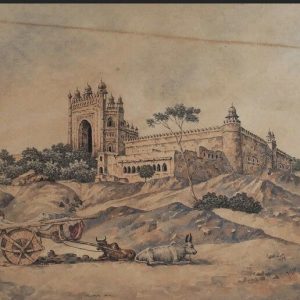
هوى كعبے مىن اذان صبه كا تارا چمكا
بارهوین برج امامت كا ستارا چمكا !
Hūwi Ka’be mēiñ azān subah ka tāra chamka
Bārahweñ burj-i Imāmat ka Sitāra chamka!
Yaum- i Wiladāt-i Imām-i Zamāna āp sab ko bahot bahot Mubārak ho!
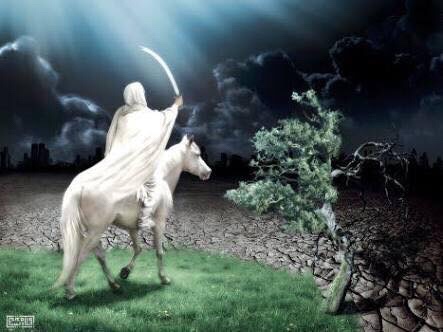
هوى كعبے مىن اذان صبه كا تارا چمكا
بارهوین برج امامت كا ستارا چمكا !
Hūwi Ka’be mēiñ azān subah ka tāra chamka
Bārahweñ burj-i Imāmat ka Sitāra chamka!
Yaum- i Wiladāt-i Imām-i Zamāna āp sab ko bahot bahot Mubārak ho!
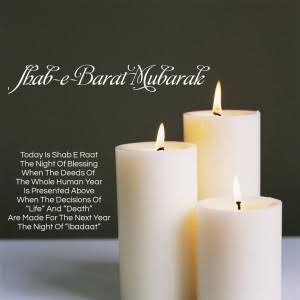
Today is 14 Shaban and the night which is coming is Shab-i Barā’at, the Night of Redemption, when it is said that God in His Wisdom opens the doors of the heavens and forgives the sins of those who seek forgiveness for themselves and their loved ones. Thus it is a night of prayers, rituals and celebrations amongst the Muslims. The only Muslims who do not ‘celebrate’ the occasion are the Wahhābīs.
The general belief is that on this night the doors of forgiveness are opened for those who seek it. Forgiveness is sought not only for the oneself and the living but also for those long dead. Muslims believe that God writes destinies for the coming year, taking into account their past actions – so they ask his mercy for any transgressions. They also visit the graves of their dead and illuminate candles there.
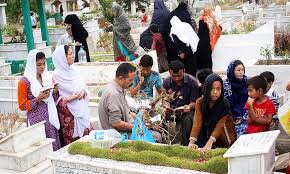
It is also common in many regions for worshippers to offer prayers to Allah for forgiveness from their deceased loved ones.
Although not mentioned directly in the Qur’an, two verses are sometimes ascribed to Mid-Sha‘ban:
“Indeed, We sent it down during a blessed night. Indeed, We were to warn [mankind]. On that night is made distinct every precise matter-“[Quran 44:3–4]
In the Shi’i beliefs, this night is also the night on the morning of which their 12th Imam, Imām Mahdi was born.
Thus amongst the Shi’ites, the Twelvers (Ithna Asharis), and others, specially tafzīlīs, elaborate “fatiha“, prayers for the dead take place. Variety of ‘halwa’ is prepared, especially of chana (chick pea), sooji (semolina) and besan (gram flour). Apart fron the “fatiha” of the forefathers and relatives, with a “shajra” (family tree) in front, a “nazar” (Offering) is made made to the prophets, Imams and other holy personages. After this ceremony is over, and prayers been offered, its time to visit the graveyards to pay respects at the graves of the relatives. Meanwhile, the ‘halwa‘ is distributed amongst the neighbours, friends and relations.
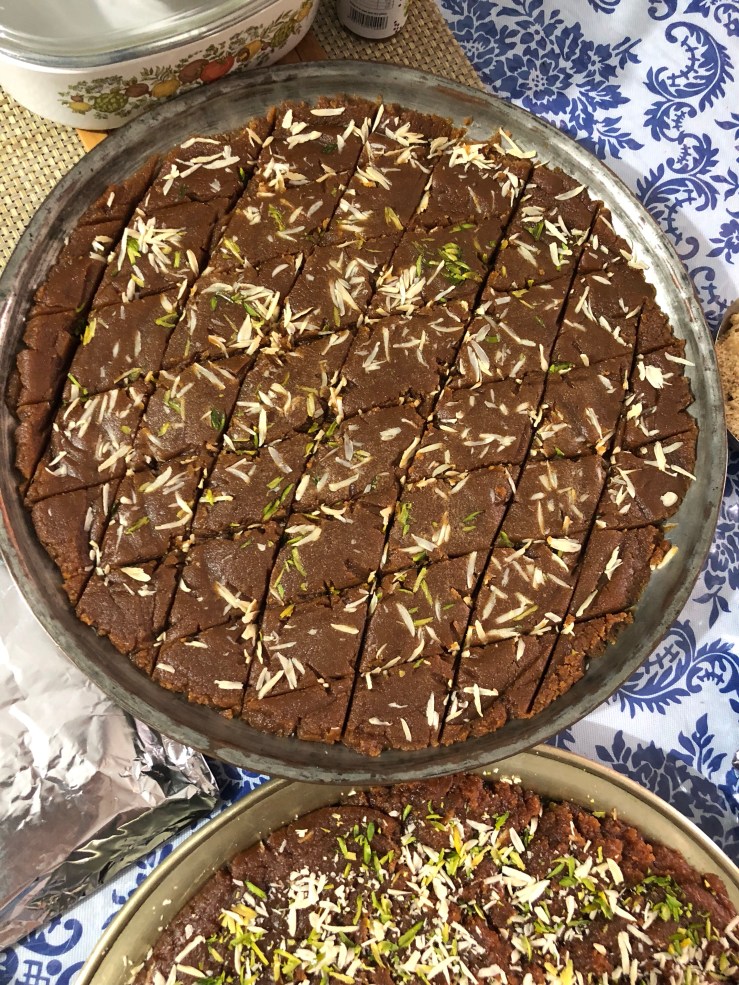
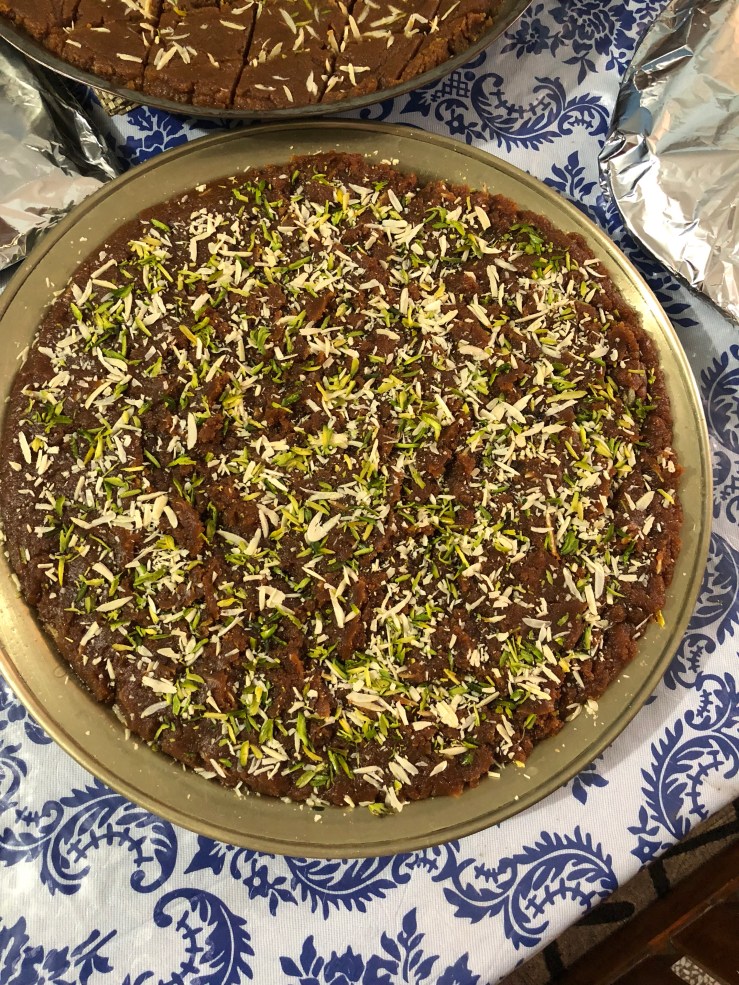
As the night descends, the lamps are lit and “ātish bāzi’ (fire crackers display) takes place. This is followed by “‘āmāl“, night vigils and prayers which continue the whole night.
As the new day breaks, its celebration time again, as it is 15 Shaban, the Day of the Birth of the Twelfth and Living Imam of the Shi’i, the Mahdi or Saviour!
Shab-i Barā’at āie eīd ka manzar liye huwey
Pahlū mēiñ nūr-e subh-e munawwar liyē huwey.
Gulzāre Sāmra mēiñ haiñ Narjis nehāl āj
Dāmān-e ārzū mēiñ gul-e tar liyē huwey.
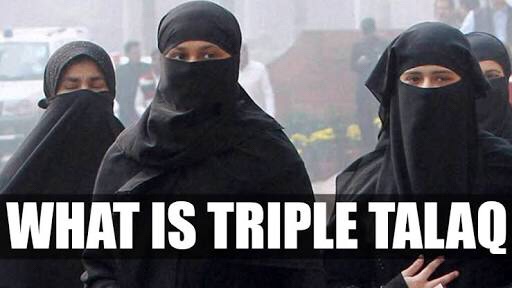
In Islam, the legislative power lies with the God and his Prophet. Thus all the rules and traditions are based on the verses of the Qur’ān and the Hadith – sayings and actions of the Prophet. What has been ordained as halāl (legal) and harām (sinful) cannot be changed. The position of the Caliph is that of an executive successor who will promulgate what has been ordained and restrain what is forbidden.
There is much raging debate as to whether the “instant talāq” is legal or not. Was it allowed during the time of the Prophet? Is it mentioned in the Quran? Does it have any legal sanctity drawn from the Hadīs, sayings and actions of the Prophet?
When we go to the original sources, the Quran and the various interpretations and collections of the Sayings, we find that this was actually forbidden by the Prophet! And when it came to be allowed later on, people nomenclated and identified it as “biddat”, that is, something which is forbidden!
Here is what we get in the sources of Islam…Read and decide for your self:
“Abu Sahba’ said to Ibn ‘Abbas (Allah be pleased with them): Do you know that three (divorces) were treated as one during the lifetime of Allah’s Apostle (may peace be upon him), and that of Abu Bakr, and during three (years) of the caliphate of Umar (Allah be pleased with him)? Ibn Abbas (Allah be pleased with them) said: Yes.”
[Sahih Mulsim, Book 009, Number 3492]
According to Sahih Muslim the concept was brought during the period of the second Caliph, Hazrat ‘Umar ibn Khattāb. This is clear from the Hadith compilations considered authentic. Sahih Muslim very clearly mentions:
“Abu al-Sahba’ said to Ibn ‘Abbas: Enlighten us with your information whether the three divorces (pronounced at one and the same time) were not treated as one during the lifetime of Allah’s Messenger (may peace be upon him) and Abu Bakr. He said: It was in fact so, but when during the caliphate of ‘Umar (Allah be pleased with him) people began to pronounce divorce frequently, he allowed them to do so (to treat pronouncements of three divorces in a single breath as one).”
[Sahih Muslim, Book 009, Number 3493]
A Caliph can never make the halāl of the Quran and the Prophet as harām or vice versa. And if such a thing is done, even with good intentions, is transgression of legal authority; and thus illegal. It has to be rejected out rightly! Talāq-i Bida’ or the Triple Talāq is one such act.
Today the Annual Function and the Horse Show of the AMU Riding Club, the Equestria 2018, was held in the Athletic Ground of the University. Incidentally AMU is the only University in India having a full fledged century old Riding Club!
As usual, the AMU Vice Chancellor was the Chief Guest. It was a relief that unlike last year’s function, the event had less politics on display, nor apparently last minute and deliberate changes were made in the distribution of awards. And lastly, unlike last time, neither the sequence of events were changed, nor the programme was curtailed to suit the whims and fancies of the VC. The VC too arrived at the start of the function and left only after the award distribution!

The flip side of the programme, however was that there were too many ‘events’. But more irritating was the fact that the below-mediocre performance of some senior members led to quite a few repeats, which should never have been allowed.
Most of the events were interesting and the crowd enjoyed every moment of it.


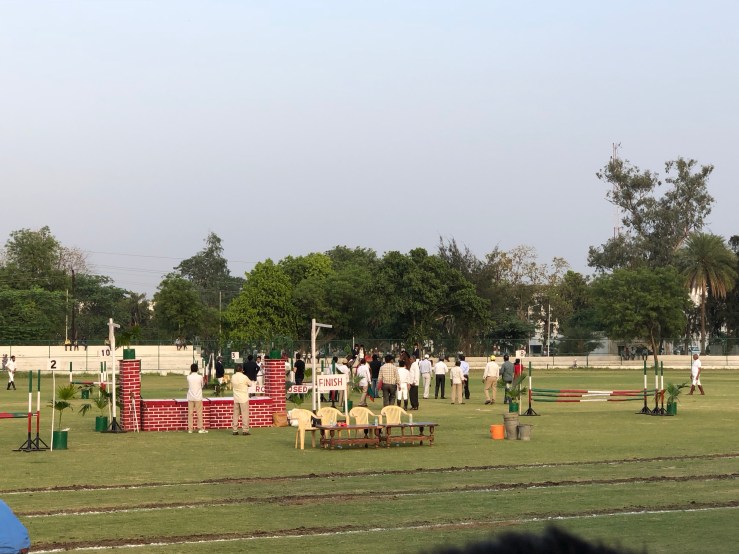
Further, probably for the first time a huge LED screen was fixed so that everyone was able to actually see the events.
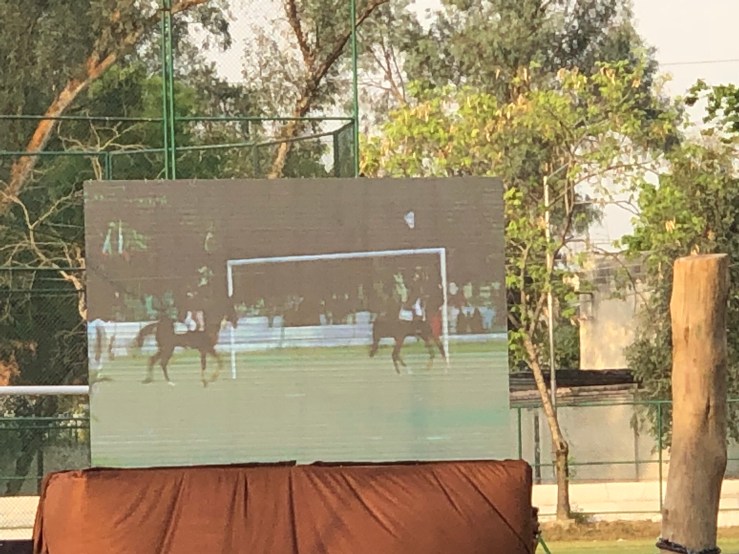


Further this year, the excitement of the programme was not marred by the dry senseless speeches by the “have beens”, nor did the VC, unlike the previous one, bored us with his “mann kī bāt”! The VC gracefully sat through the entire programme and, instead, enjoyed the show.
This year too my daughter took part in the function. In fact she had been preparing for the event since long.

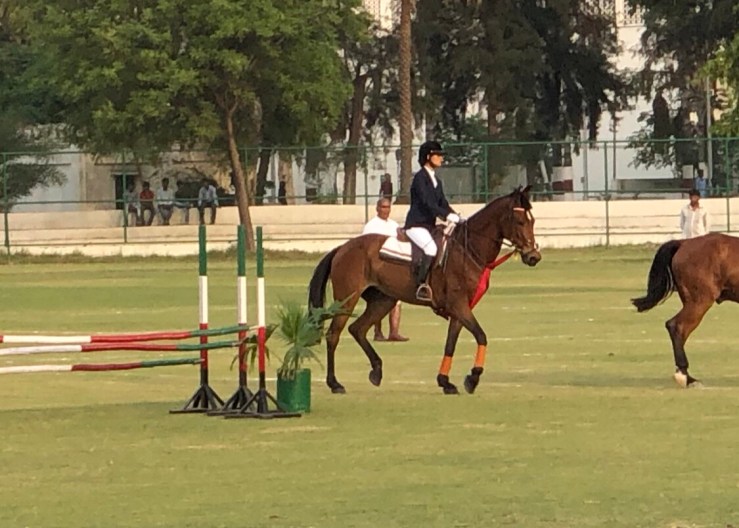

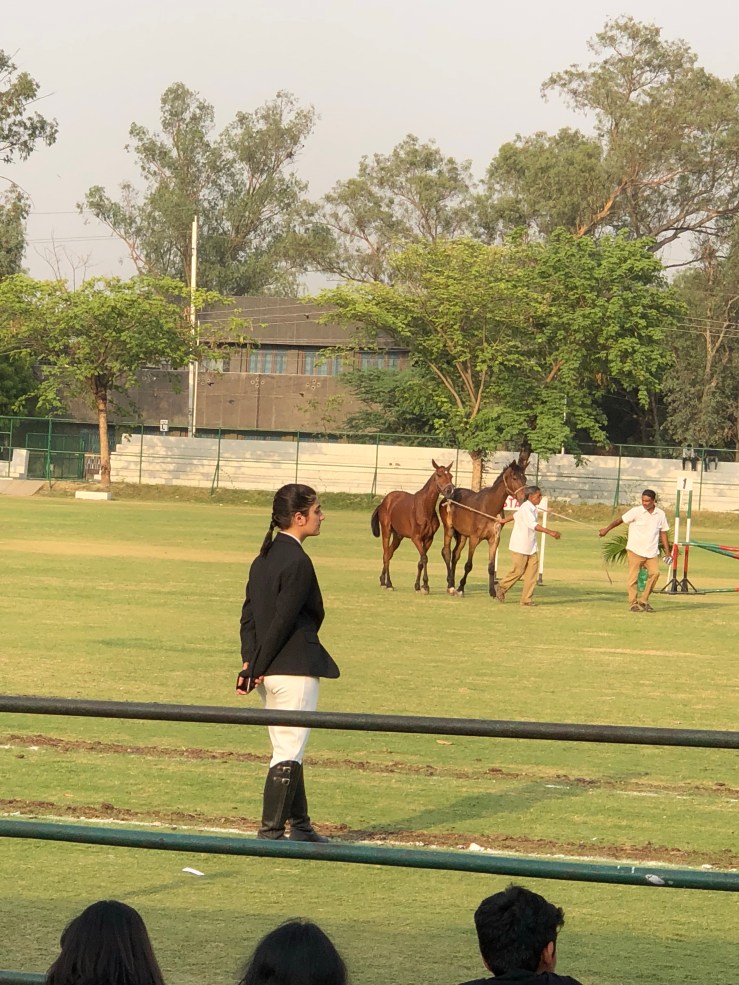
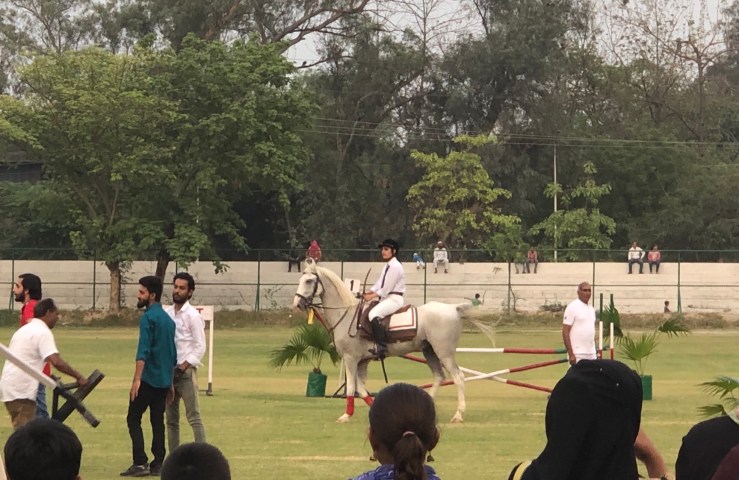
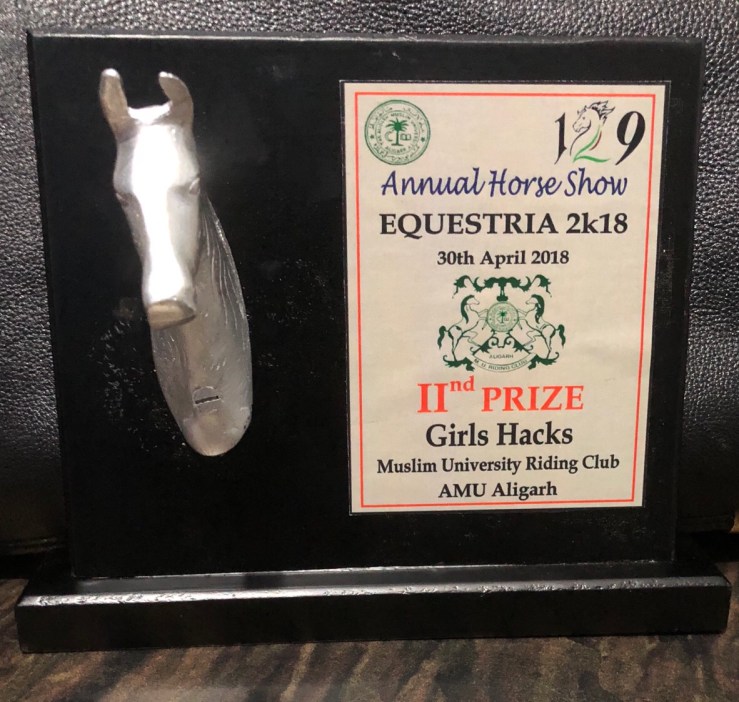
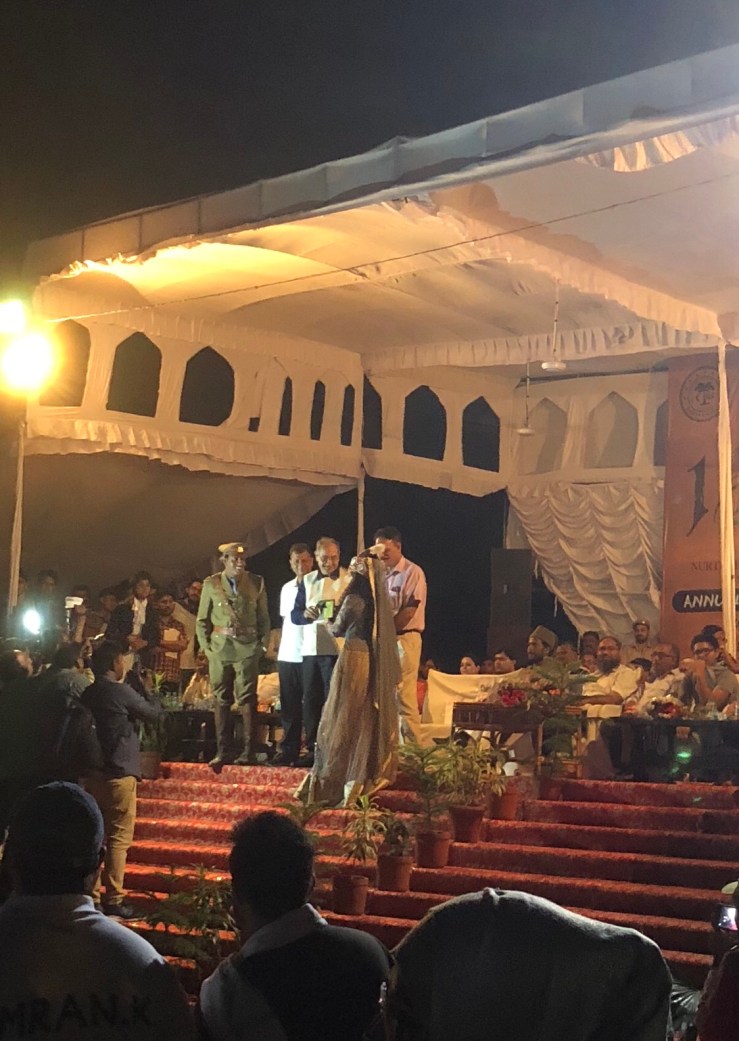
Fatima participated in three events: in one her horse acted stubborn, in another, the Girls Hack, she got the Second Prize, while in the third she emerged the first! In total a large number of participants were awarded.

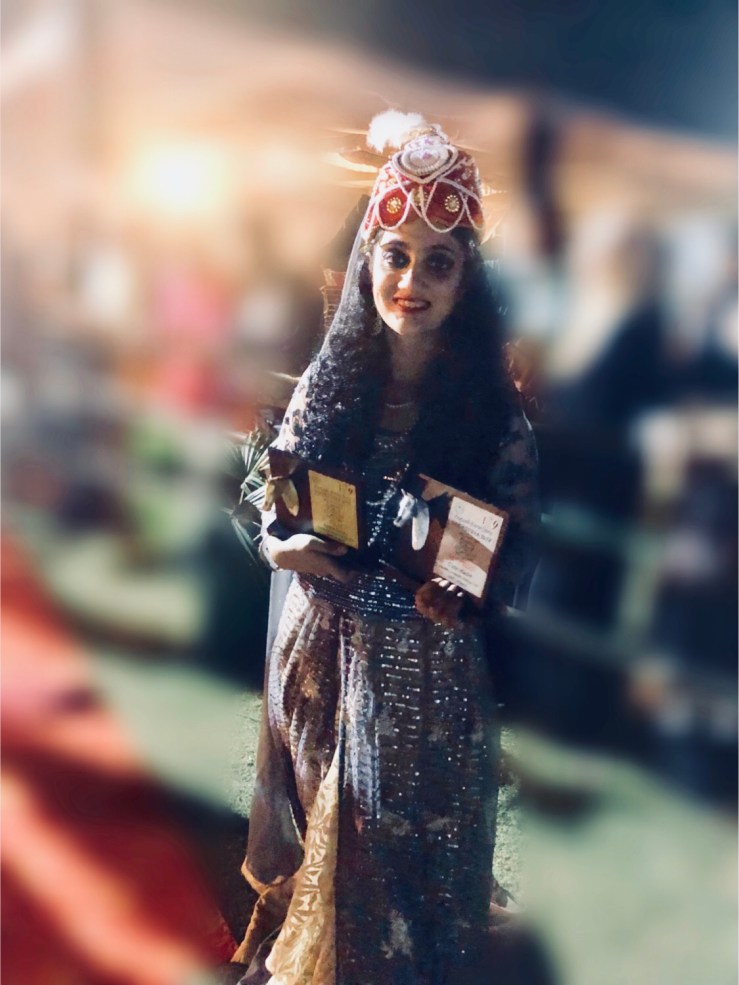
The first prize was in the Fancy Dress event in which she dressed as ‘Nurjahan’, the Mughal Queen (though the announcer identified her as “a Mughal Princess”. I can but say that my Princess looked everybit a Mughal queen riding a horse with a sword in hand!
Congratulations Beta! May many awards in life come your way!


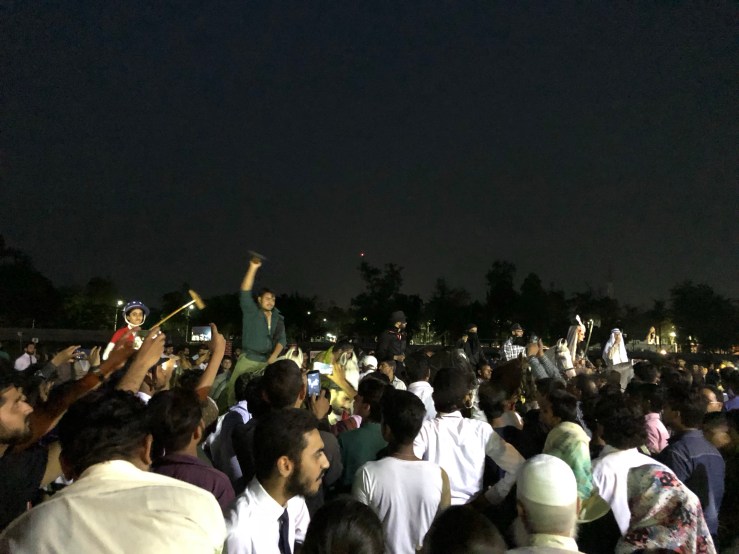
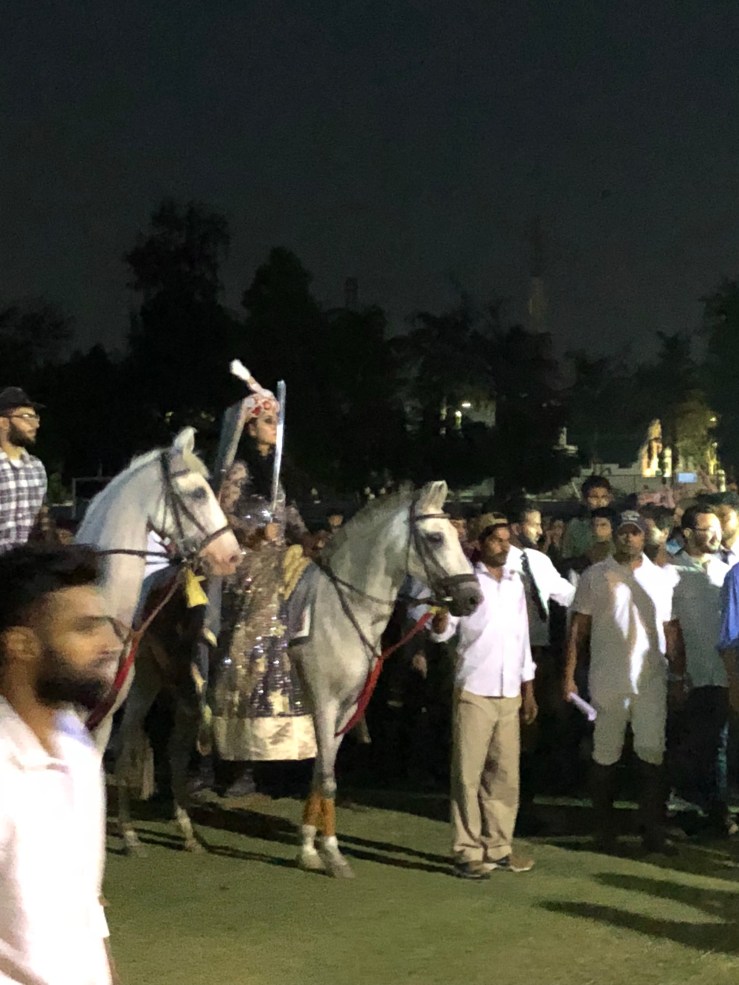
Last year her scores had been deliberately tampered with and her name struck off from the list where she had been originally awarded second rank! It had also been announced on the mike soon after that particular event. But then last year the organisers were out to please their master who, they thought was anti her father! They had even removed her name from the official list of participants released to the press. That is another matter that she was very much reported in the photographs published by many newspapers!
This year, the event was held as a sport and no scores were settled! Thank you the present dispensation at AMU!
#ForAllDictatorsTraitorsCollaborators!
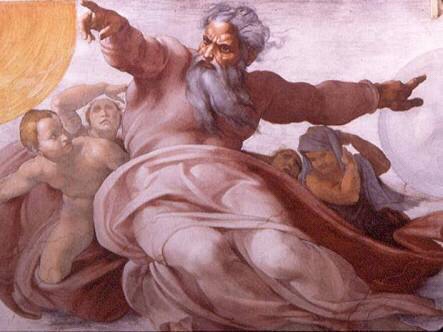
Sab Thaath Para Reh Jaye Ga Jab Laad Chale Ga BANJARA.
Tuk hirs-o-hawas ko chhod mian, mat des bides phire mara,
Qazzaaq ajal ka loote hai din raat, baja kar naqqara;
Kya badhiya, bhainsa, bel, shutar, kya goien, palla, sarbhara,
Kya gehun, chawal, moth, matar, kya aag, dhuvaan, kya angara,
Sab thath para reh jayega jab laad chale ga BANJARA.
_____________________________
Gar tu hai lakhhi banjara, aur khaip bhi teri bhari hai,
Ae ghafil, tujh se bhi chadhta ik aur bara beopari hai,
Kya shakkar, misri, qand, giri, kya sambhar, meetha, khari hai,
Kya daakh, munaqqa, saunth, mirch, kya kesar, laung, supari hai
Sab thath para rah jayega jab laad chale ga BANJARA.
_____________________________
Ye badhiya laade, bail bhare, jo purab pachhim jawe ga,
Ya sood barha kar lawega, ya tota, ghata, pawe ga,
Qazzaq ajal ka raste mein jab bhala mar girawe ga,
Dhan, daulat, naati, pota kya, ik kunba kaam na aawe ga,
Sab thath para rah jayega jab laad chale ga BANJARA.
_____________________________
Har manzil mein ab sath tere ye jaana, dera,daanda hai
Zarr, daam, diram ka bhaanda hai, bandooq, sipar aur khaanda hai
Jab nayak tan ka nikal gya,jo mulkon mulkon baanda hai
Phir haanda hai na bhaanda hai, na halwa hai na maanda hai
Sab thath para rah jayega jab laad chale ga BANJARA.
_____________________________
Jab chalte chalte raste main ye joon teri dhal jave gi,
Ik badhya teri matti par phir ghaas na charne ave gi,
Ye khep jo tune laadi hai, sab hisson main batt jave gi
Dhan, pot , jamai ,beta kya, banjaran pas na ave gi
Sab thath para rah jayega jab laad chale ga BANJARA.
_____________________________
Ye khep bhare jo jata hai,ye khep mein miyan mat gin apni
Ab koi ghr,pal,saa’at main ye khep badan ki khapni hai
Kya thaal,katore chandi ke,kya peetal ki dabbiya dhapni,
Kya bartan sone,rupe ke,kya matti ki handiya dhapni,
Sab thath para rah jayega jab laad chale ga BANJARA.
_____________________________
Kuch kaam na ave ga tere, ye laal,zamurrud,seem-o-zarr,
Jab poonji baat main bikhre gi,phir aan bane gi jaan ooper,
Naqqaare nobat baan nishan,dolat hishmat fojen lashkar,
Kya masnad takiya,milk,makaan,kya choki,kursi,takht,chakkar,
Sab thaath para reh jaye ga jab laad chale ga BANJARA.
_____________________________
Kyun jee par bojh uthata hai,in konon bhaari bhaari ke
Jab mout ka dera aan pare phir doone hain Biyopaari ke
Kya saaz,jurao,zarr,zewar, kya doone hain Biyopaari ke
Kya ghore zeen sunehri ke,kya hathi laal umari ke
Sab thaath para reh jaye ga jab laad chale ga BANJARA.
_____________________________
Magroor na ho talwaron par,mat phool bharose dhaalon ke
Sab patta tor ke bhaagen ge,mooh dekh ajal ke bhaalon ke
Kya dibbe moti,heeron ke kya dher khazane maalon ke
Kya bukche taash mushjar ke,kya takhte shaal do shaalon ke
Sab thaath para reh jaye ga jab laad chale ga BANJARA.
_____________________________
Kya sakht makaan banwata hai,kham tere badan ka hai pola
Tu unche koot uthata hai,waan dekh goor garhe ne mooh khola
Kya reti,khandaq,rand bare,kya burj,kangola anmola
Garh,koot,rihakka,tope,qila,kya sheesha daaru aur gola
Sab thaath para reh jaye ga jab laad chale ga BANJARA.
_____________________________
Har aan nafa aur tote mai kyun marta phirta hai bann bann
Tuk ghafil dil mai soch zara, hai sath laga tere dushman
Kya londi,baandi,daai,dawa,kya banda,chela.naik chalan
Kya mandir,MASJID,taal,kunwen,kya ghaat sira,kya baagh,chaman
Sab thaath para reh jaye ga jab laad chale ga BANJARA.
_____________________________
Jab marg phira kar chahak ko ye bail badan ka haanke ga
Koi naaj samete ga tera,koi goon siye ga aur taanke ga
Ho dher akela jungle mai tu khaak lehad ki phaanke ga
Is jungle mai phir aah Nazeer~ ik bhanga aan na jhaanke ga
Sab thaath para reh jaye ga jab laad chale ga BANJARA.
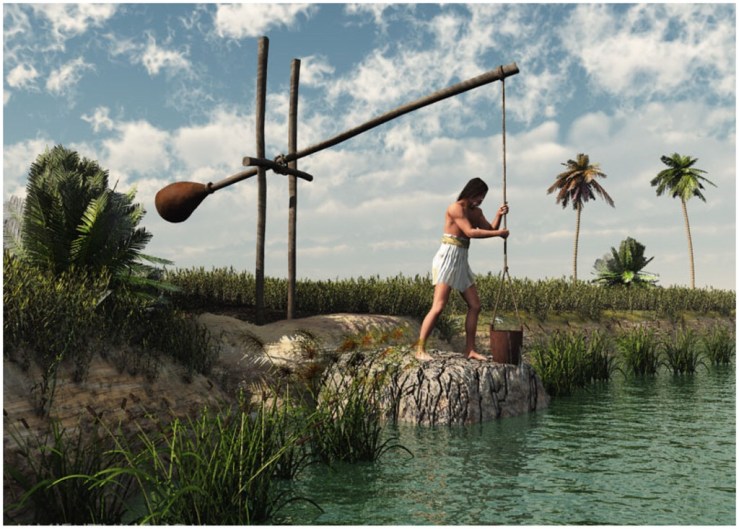
Water is an absolutely necessary element for life. The availability of water has played a key role in the development of all civilizations. Indeed, especially in the ancient times, water scarcity prevented the development of settlements. Water lifting devices have existed since ca. 3000 BC in various parts of the world. Early devices, such as water wheels and chutes were constructed and used animals (muscle energy) to provide the energy required to move the wheels.
Shaduf or Dhenkli

The shaduf is known as the first device used for lifting water in several ancient civilizations. It has been referred to with different names, such as shaduf (shadoof) in Egypt, zirigum in Sumer, dhenkli in India, kilonion or kelonion in Hellas, and daliya in Iraq.
The Shaduf or dhenkli is a wooden hand-operated device used for lifting water from a well, a river, a cistern or a canal. In its most common form, it consists of a long, tapering, nearly horizontal wooden pole, which is mounted like a seesaw (Figure 1). It has a bag and a rope attached on one end of the pole, with a counter balance on the other. The operator pulls down a rope, attached to the long end, fills the container and allows the counterweight to raise the filled container. A series of shadufs were sometimes mounted one above the other. A typical water lifting rate was 2.5 m3/d. A single shaduf could thus irrigate 0.1 ha of land in 12 h.
The Mesopotamians were known to lift water using the shaduf at around 3000 BC.
This instrument was widely spread in the ancient world, and several ancient civilizations dispute its origin. It was invented in the prehistoric times probably in Mesopotamia as early as the time of Sargon of Akkad (Emperor of the Sumerian city-states in the ca. 23rd and 22nd centuries BC). A shaduf is said to be depicted on a cylindrical seal from Mesopotamia dated ca. 2200 BC. It is also still in use in Egypt and other countries. In North Africa, a similar technique (called locally Diou or Dlou) was developed in the beginning of the ca. 12th century. It was used to raise water to higher levels. Owing to the fact that it was well spread in India, J. Laessoe [Reflections on modern and ancient oriental water works, J. Cuneif. Stud. 7, 5–26, 1935] has reported that the dhenkli / shaduf was invented in India.
The Waterwheel
The Egyptian shaduf and the water wheel (or noria or sania) are probably among the earliest devices for lifting water to be used for irrigation and domestic water supply.

The Egyptian waterwheel (noria) is thought to be the first vertical (horizontal axis) waterwheel and was invented by the Romans ca. 600–700 BC. It consists of a wooden wheel, powered by water flow and fitted with buckets that lifted water for irrigating nearby lands. The diffusion of the Egyptian waterwheel is typically associated with the (later) Arab civilization and the animal-powered waterwheel is considered as the high symbol of the Islamic imprint upon irrigation technology. Also, the invention of the compartmentalized waterwheel in Egypt may have been made ca. in the late 4th century BC, in a rural context, away from the metropolis of Hellenistic Alexandria and was then spread to other parts of North Africa. The hydraulic wheel was later built in Fez, Morocco, in the 13th century and was then spread to other parts of North Africa.
Waterwheels driven by camels were used to lift water for irrigation and domestic use in Afghanistan and other Asian countries. A limited number of these units are still in use today. In Sudan, an ox-driven system has been used as a simple irrigation device for centuries and continues to be used even nowadays.
In India it was called araghatta in Sanskrit. It is also sometimes referred to as ghati yantra. Ghatta means pots which are tied on the rim of the wheel.


Persian Wheel: The Noria
A variation of the Egyptian waterwheel is the Persian waterwheel. The date of its invention is not well known. It consists of an endless series of pots of unequal weight turned over two pulleys and is therefore classified as a pump rather than a waterwheel. The delivery rate of early animal powered Persian waterwheels ranged between 20 m3/h (for 1.5 m height lifting) and 10 m3/h (for 9 m height lifting). Of course, the higher the waterwheel and the more advanced the technology used for its function, the more the quantity of water lifted. The waterwheel, in its different versions, constitutes the ancestor of dynamic water lifting devices and modern hydropower systems, the principle of which is to extract power from the flow (kinetic energy) of water.
The shortage of labour in the Middle Ages rendered machines, such as the waterwheel, cost- effective. The waterwheel remained competitive with the steam engine well into the Industrial Revolution. The system used for lifting water to irrigate the Hanging Gardens of Babylon still remains a mystery. It is worth noting that the word noria is a Spanish word and its origin is coming from in the Arabic term, Na-urah, meaning the first water machine. In the related bibliography this word is found and as Na’ura, as well as Naurah.
The large-scale use of norias was introduced in Spain by Syrian engineers. An installation similar to that at Hama (Figure 2) was still in operation in Toledo in the 12th century. The Na’ura (Noria) of Albolafia in Cordoba also known as Kulaib, which stands until now, served to elevate the water of the river until the Palace of the Caliphs. Its construction was commissioned by Abd al-Rahman I, and was reconstructed several times.
Several civilizations claim the invention of Noria. There are Indian texts dating from ca. 350 BC; Joseph Needham believed that the noria was developed in India ca. the fifth or fourth century BC. He assumed that it had then spread to the west by the first century BC and then diffused to China by the second century AD. This was followed by widespread use of the noria in the Eastern Mediterranean in the 5th century AD, before reaching North Africa and the Iberian Peninsula in the 11th century. Other possibilities of its origin include the Near East ca. 200 BC. Philo of Byzantium in Pneumatica (ca. 230 BC), a Hellenic engineer of the late third or early second century BC, showed sketches of several distinct types of waterwheels.
Noria and Saqiya:
Needham, in Science and Civilisation, Vol. IV(2), gave a clear definition of the two forms, the noria having the containers fixed to the rim of the wheel, and the saqiya on the rope or chain flung over the wheel (p. 356).

Having done so, he was able to follow up the evidence gathered by Coomaraswamy and Laufer, and argue that the earliest water-wheel in India was the noria, and that, moreover, India was probably the country of origin of this device. The reasons Needham adduced for this conclusion were two-fold: first of all, the noria was in the Hellenistic world in the first century BC and in China in the second century AD, and this proximity of date in such distant civilisations suggested an intermediate source of diffusion.

Secondly, he located the earliest recorded reference (derived presumably from Coomaraswamy) to the noria in the term cakkavattaka (turning wheel) used in the Cullavagga Nikaya (assigned to ca. 350 BC) for one of the three permissible models of water-lift.
Source: D.P.Agarwal Needham on Early Indian Inventions of Hydraulics, Cotton-Gins and Alcohol Distillation.

