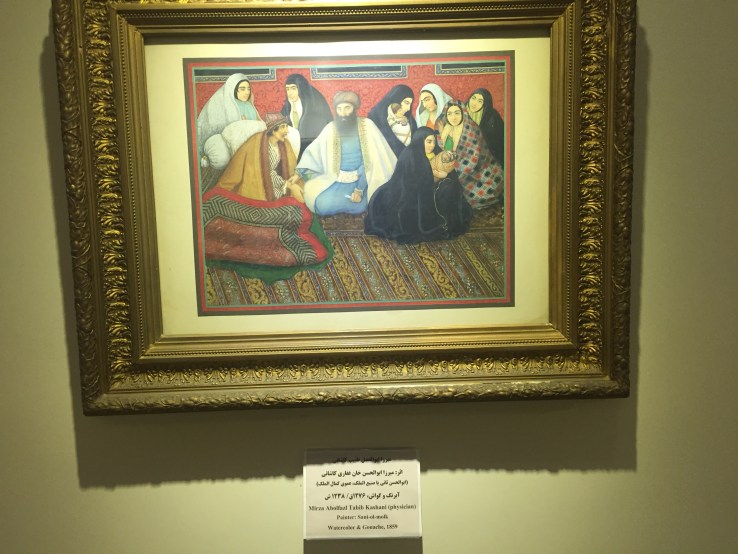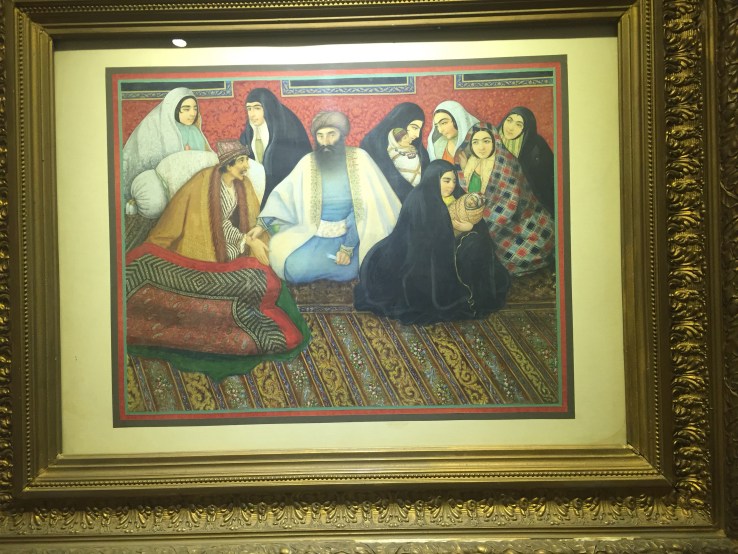
A Trip to The Carpet Museum of Tehran

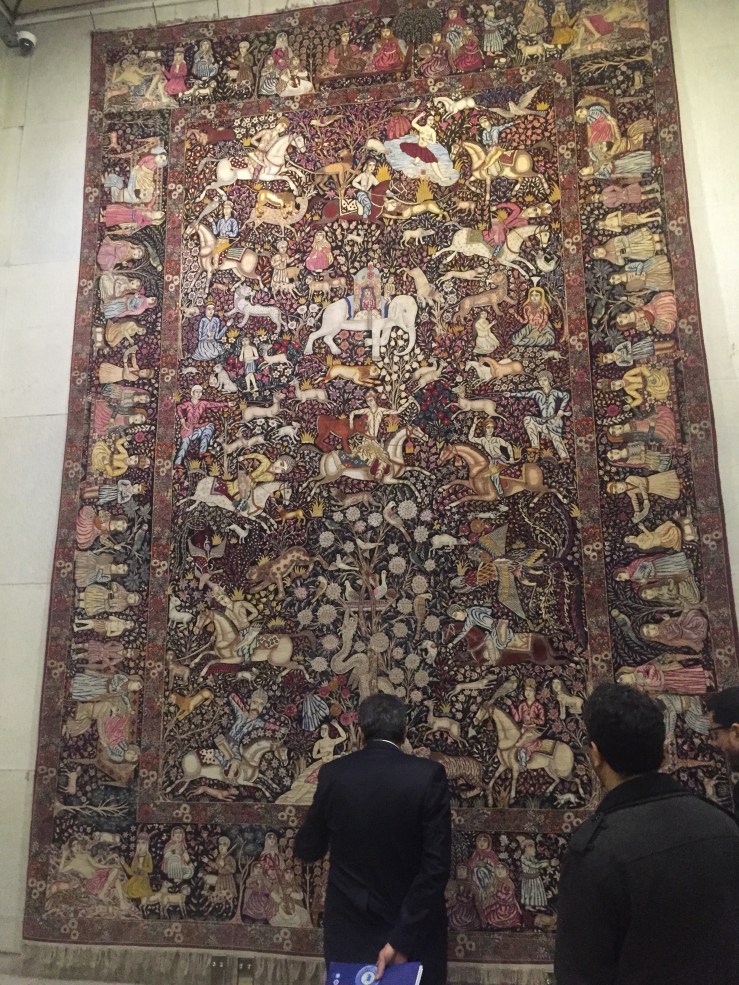
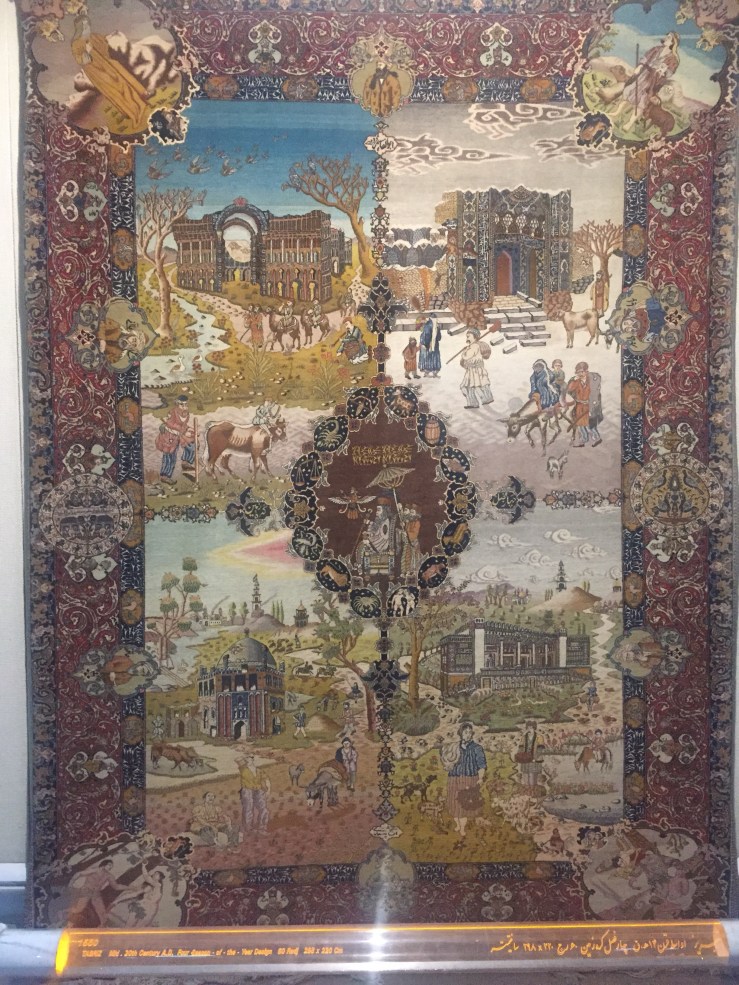
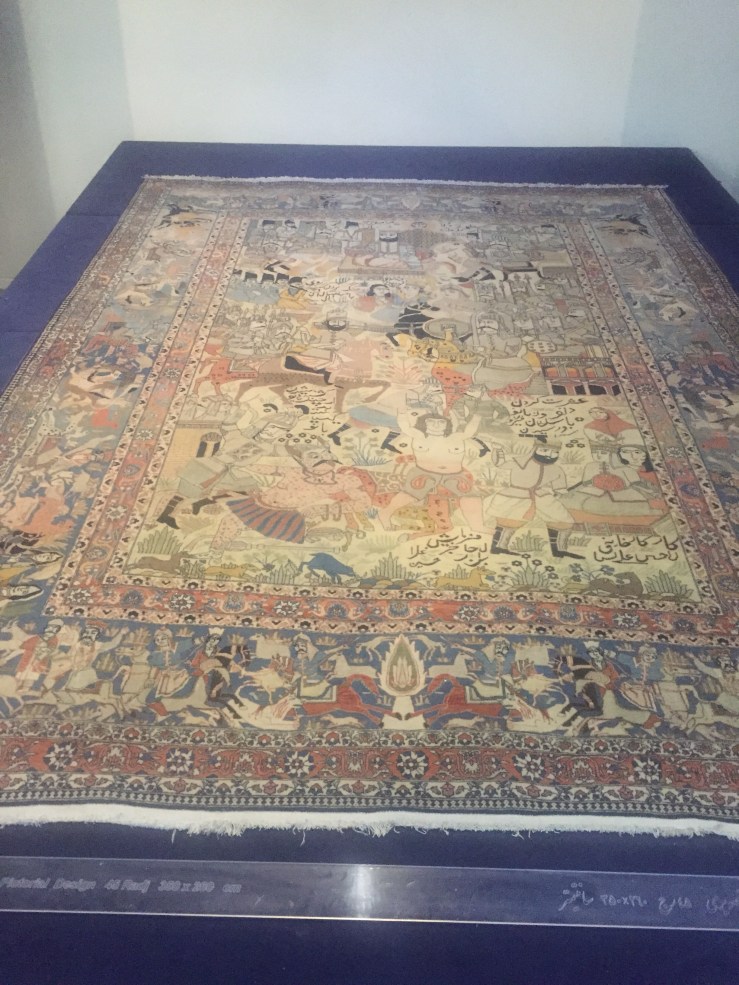
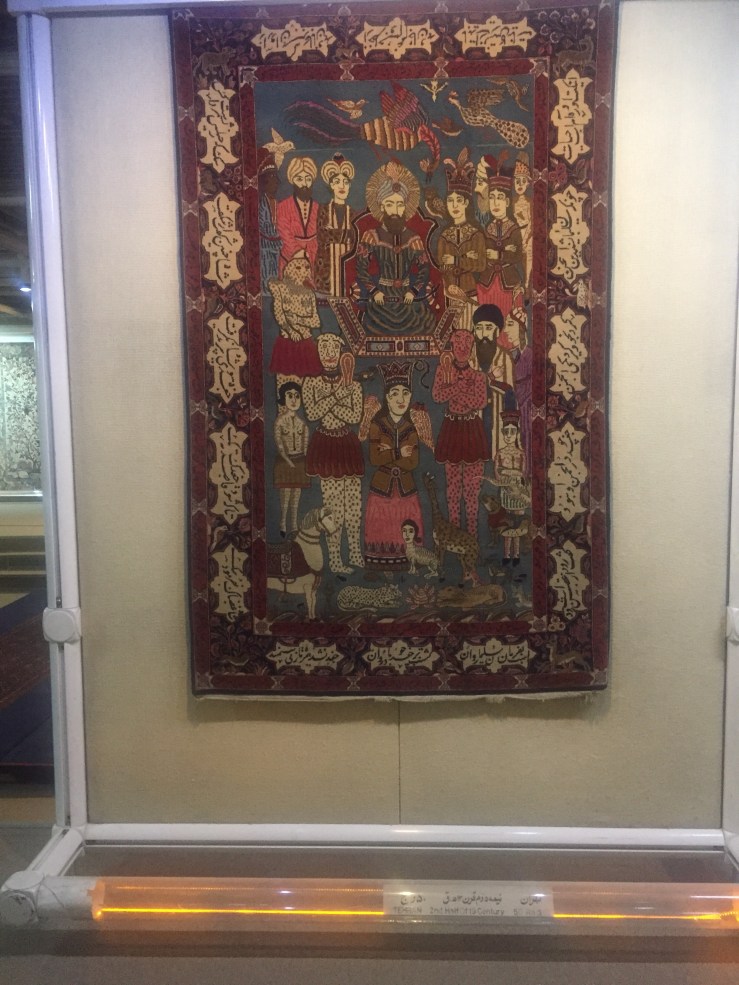
When I visited Tehran in January 2018, one of the first places we were taken to visit was a unique museum: the Carpet Museum!

We reached Tehran by an early morning flight and taken to Hotel Laleh International for our stay. By afternoon we were all assembled in the hotel lobby to be escorted to a unique museum located nearby, the Carpet Museum of Tehran, which was at a short walk from where we were staying.

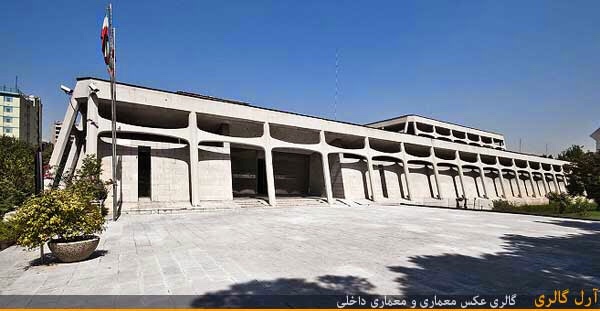
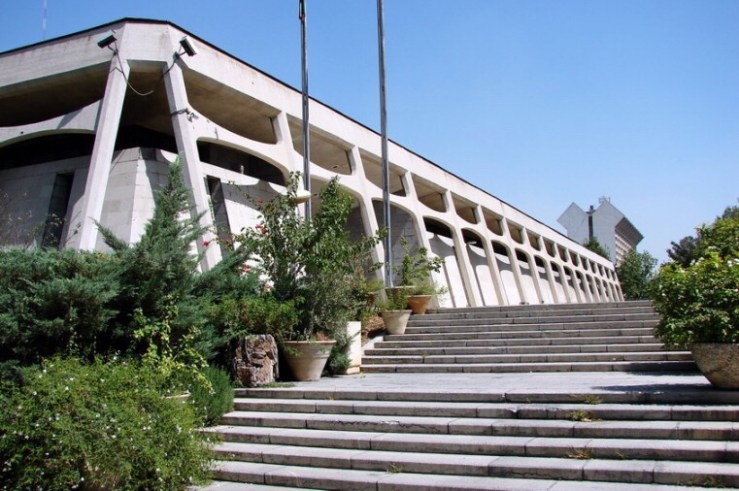
Located in Tehran on Dr Fatemi St., beside Laleh Park, and founded in 1976, the Carpet Museum of Iran exhibits a variety of Persian carpets from all over Iran, dating from the 16th century to the present.
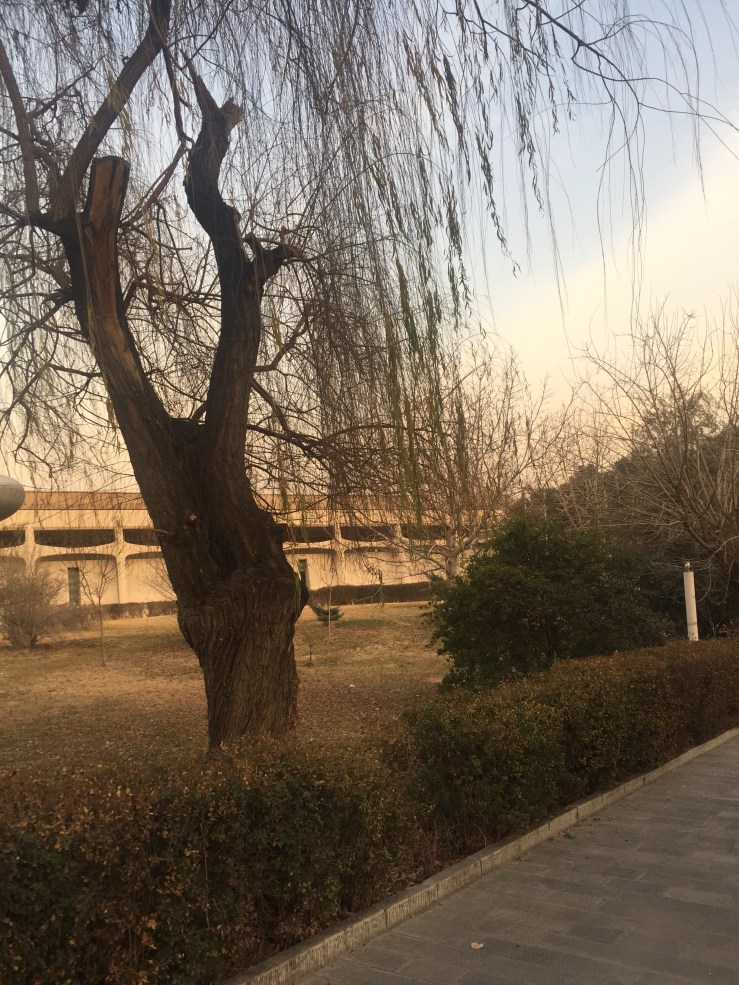
The museum’s exhibition hall occupies (as per Wikipedia: I did not measure!) 3,400 square meters (10,200 ft²) and its library contains 7,000 books. Unfortunately when we went, the book section was not open thus books or the catalogue was not available for us to see.

The museum, as per the brochure given to us, was designed by architect Abdol-Aziz Mirza Farmanfarmaian. The perforated structure around the museum’s exterior is designed both to resemble a carpet loom, and to cast shade on the exterior walls, reducing the impact of the hot summer sun on the interior temperature.
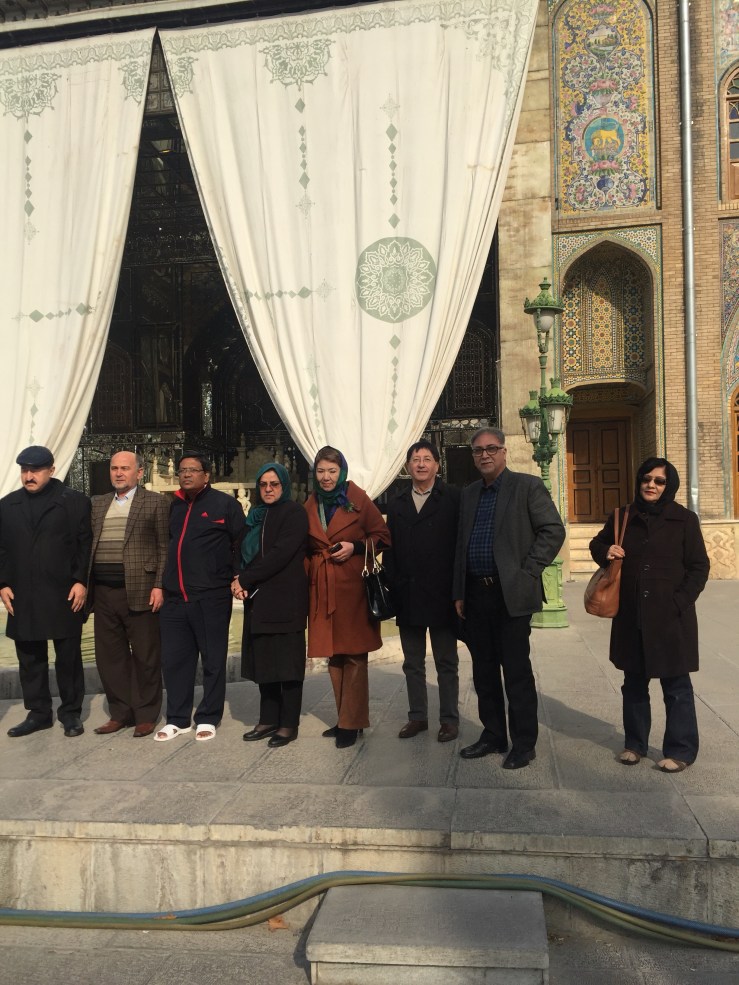
Accompanying me were Professor Zaheer Husain Jafri of DU and Dr GN Khaki, presently DSW at Kashmir University, Srinagar.

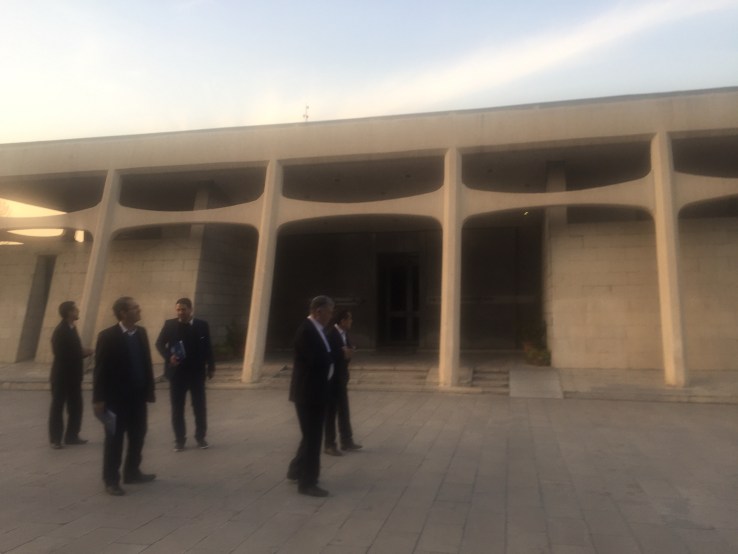
Being official guests we were ushered in without buying the entry tickets.

This museum has been open to visitors since 1979. The facade of the museum resembles the carpet-weaving loom. It also comprises of two floors to display different kinds of carpets, kilims and handmade rugs.

There are two floors of Carpet Museum in Tehran, of which I visited just the ground floor.

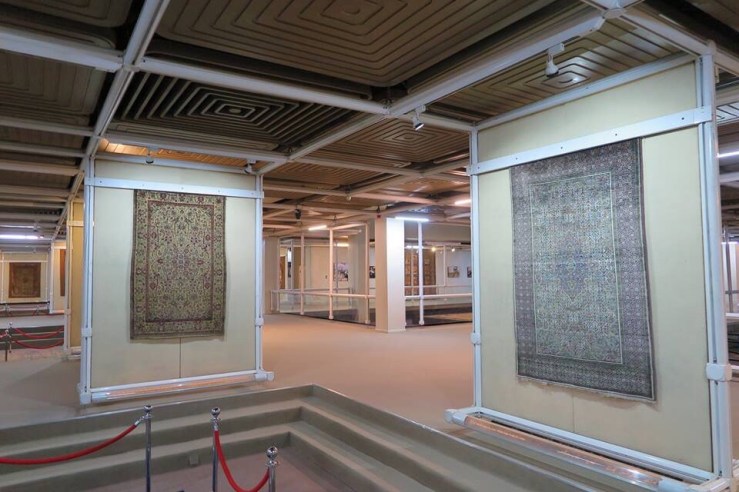
The lower floor hall is devoted to a permanent display of carpets, besides a few exhibits explaining how the weaving is done. The galleries on the second one are meant for temporary exhibitions of carpets or carpet-related subjects.

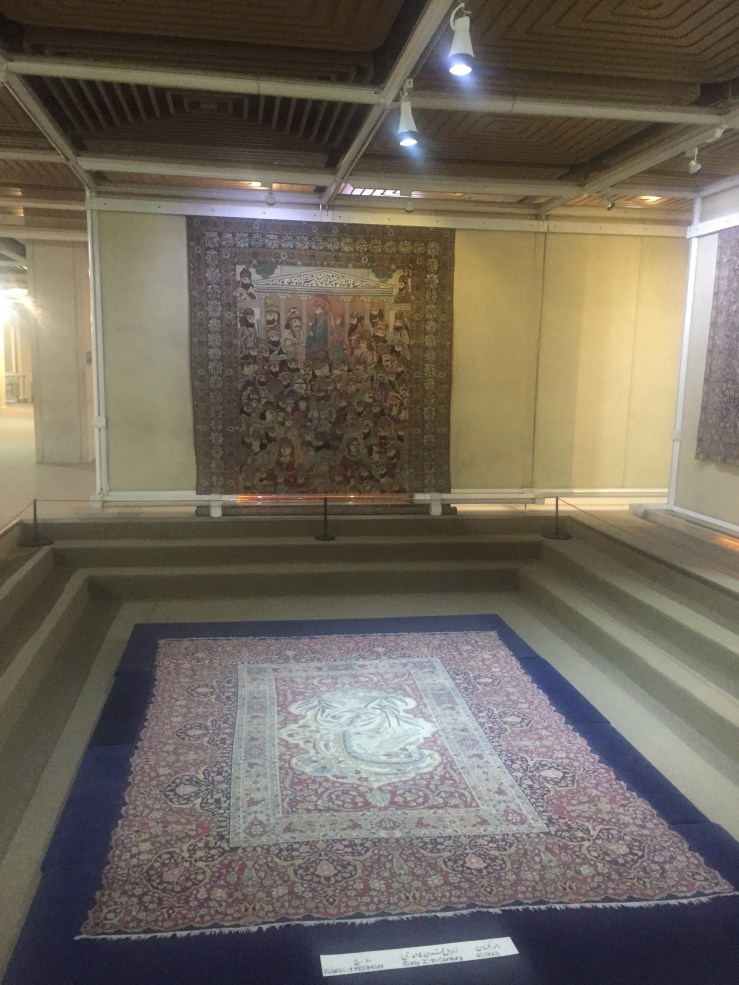
Although they claim that the carpets of many centuries are displayed but actually and mostly, the oldest pieces belong to Safavid period. The largest number of carpets can be dated to mostly 19th Century and Qājār period. There are also more recent ones from early 20th century.

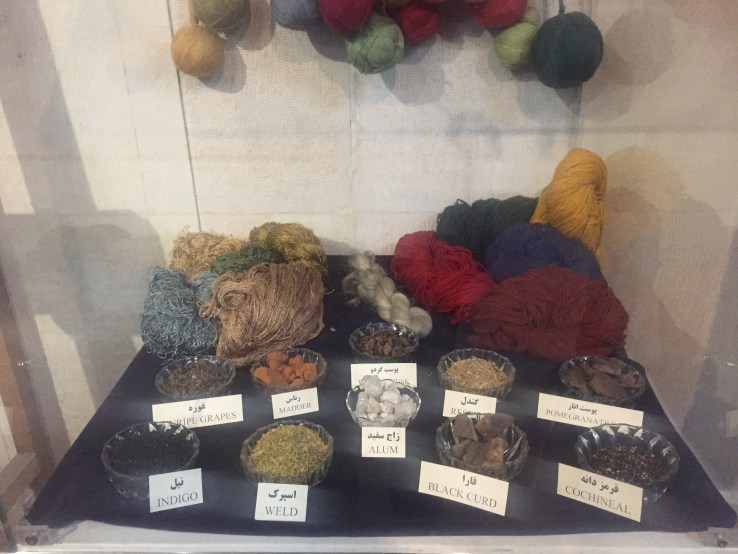
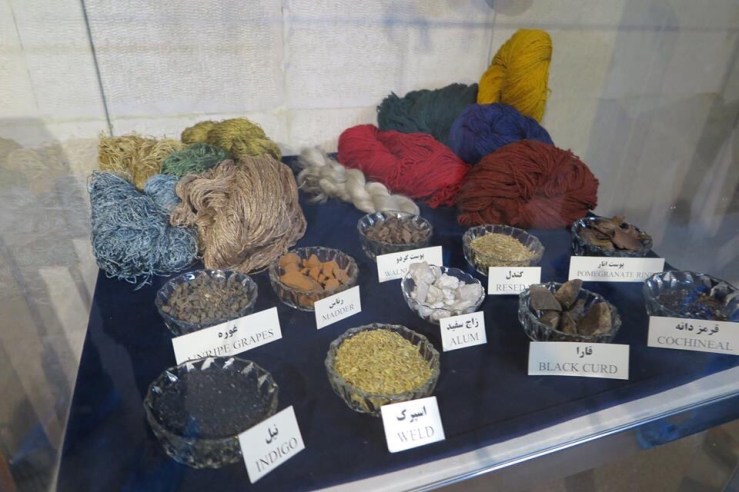
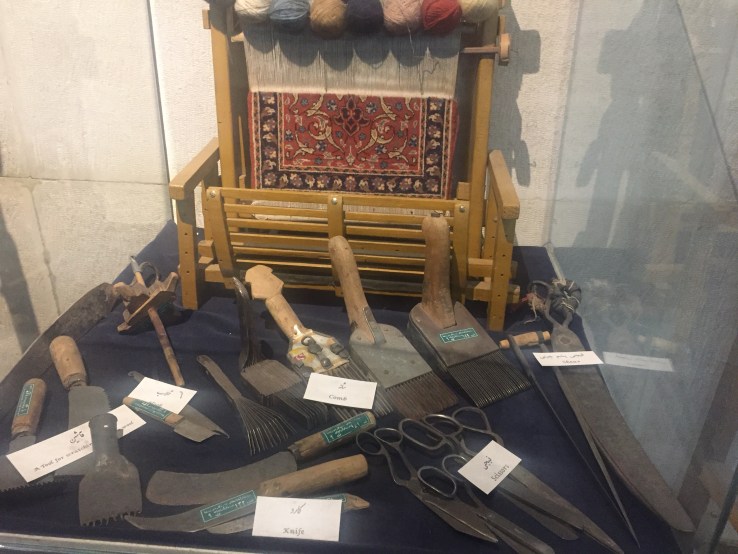
At the entrance to the main hall of the first floor, there is a comprehensive map of the most well-known carpet making centres of Iran, a showcase of various weaving tools, a showcase of some dying natural material as well as dyed threads and a vertical carpet-weaving loom. From time to time, someone sits at the loom and visitors can see how a carpet is woven.
There are some other facilities in the museum including a library with around 7000 books, which are available to researchers and enthusiast and a movie-house in which specialized films in the field of knotting carpet and designing kilim motifs can be watched. To preserve the carpet-related arts and techniques, the museum has different classes for teaching carpet making, designing, repairing and darning.

Carpets on Display

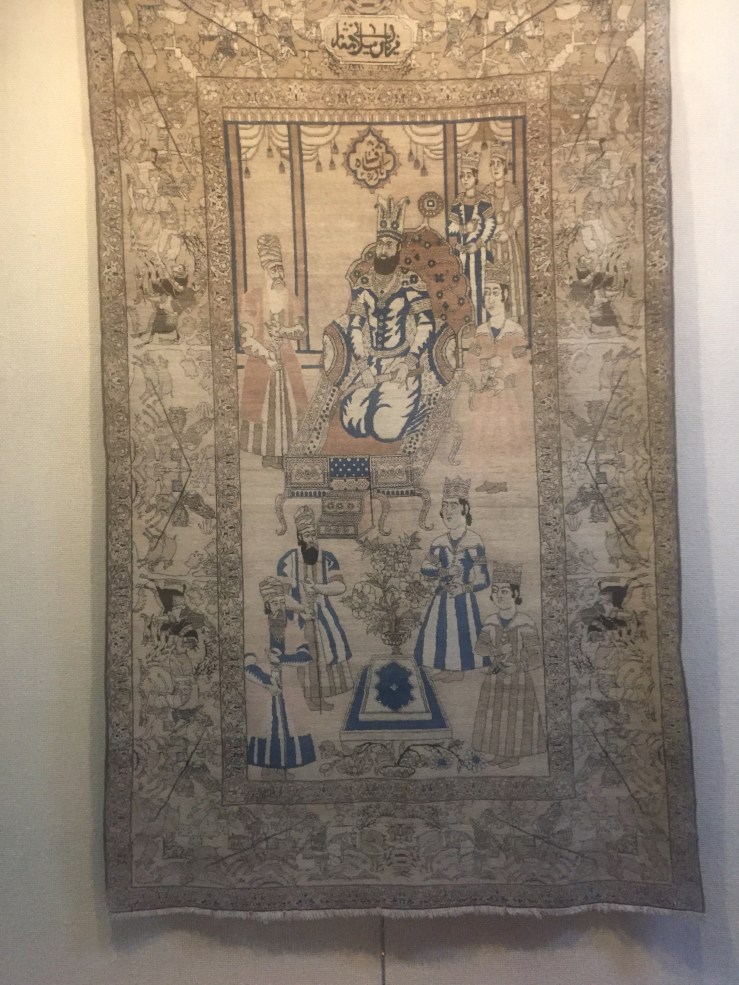
Most of the exhibits are of Iranian make and generally have have been made at the main centers of carpet making like Kashan, Kerman, Esfehan, Tabriz, Khorasan, Kurdistan.

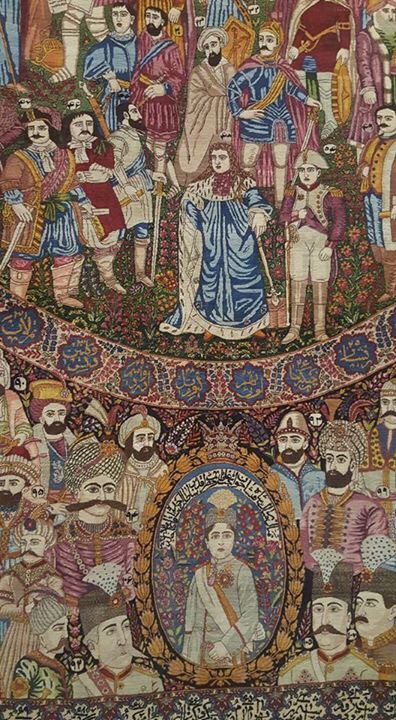
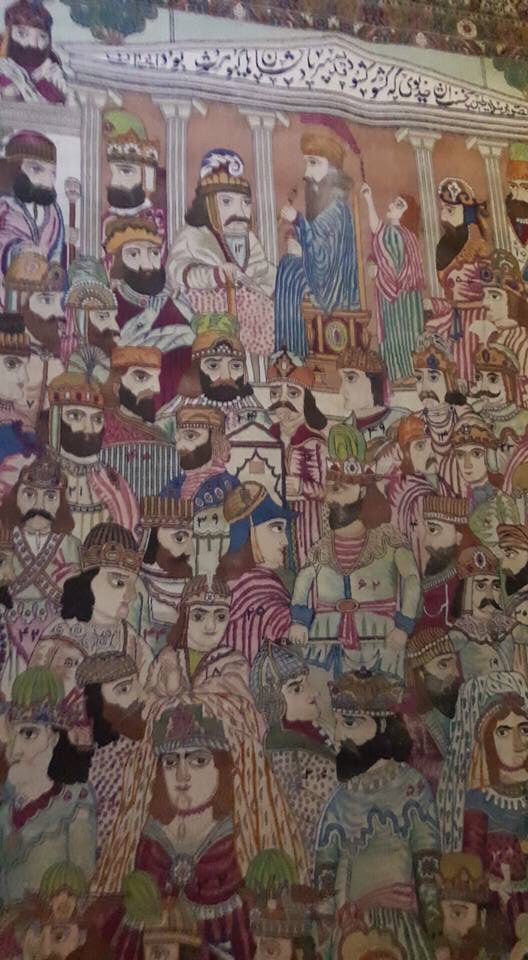
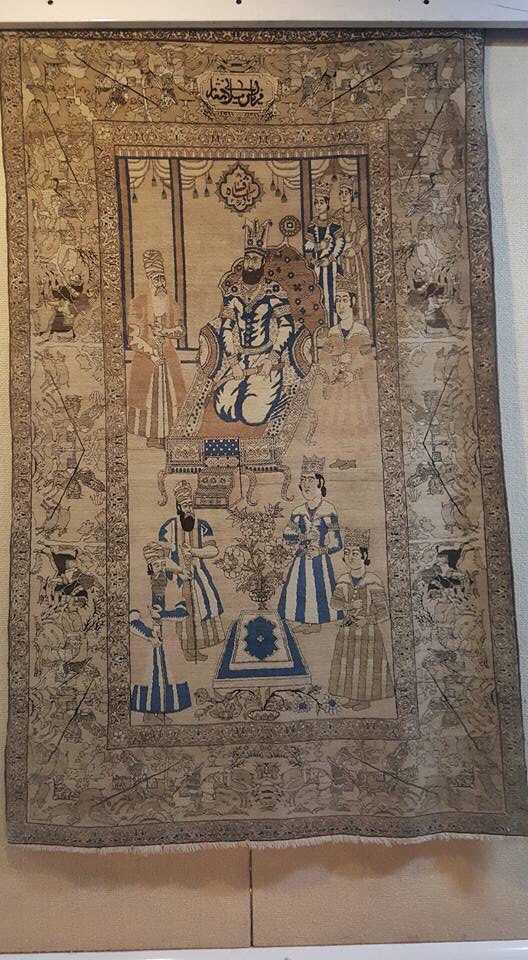
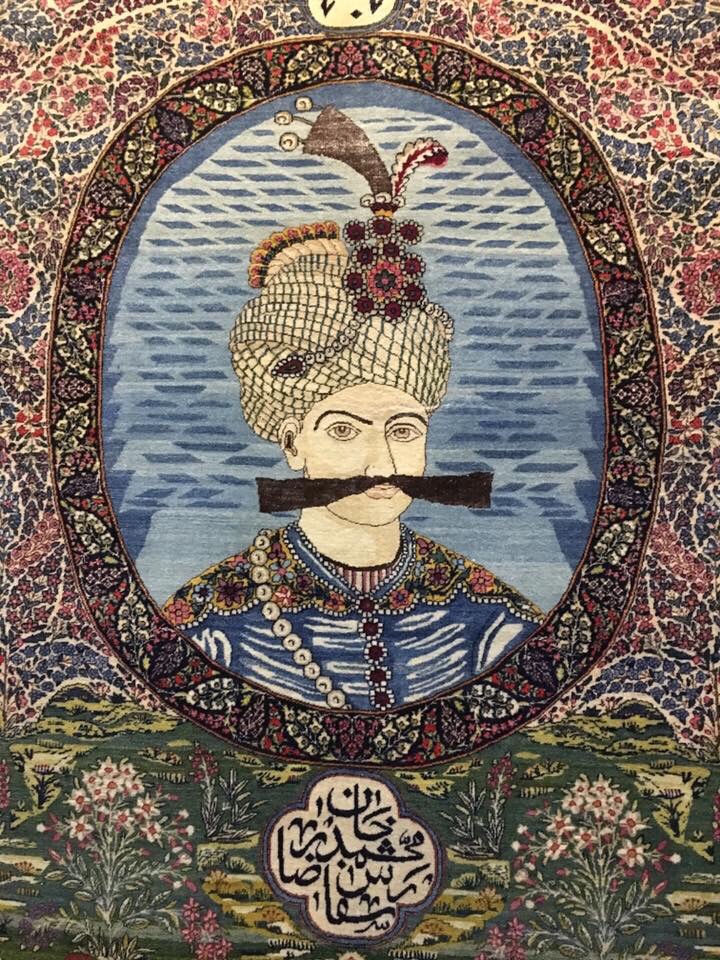
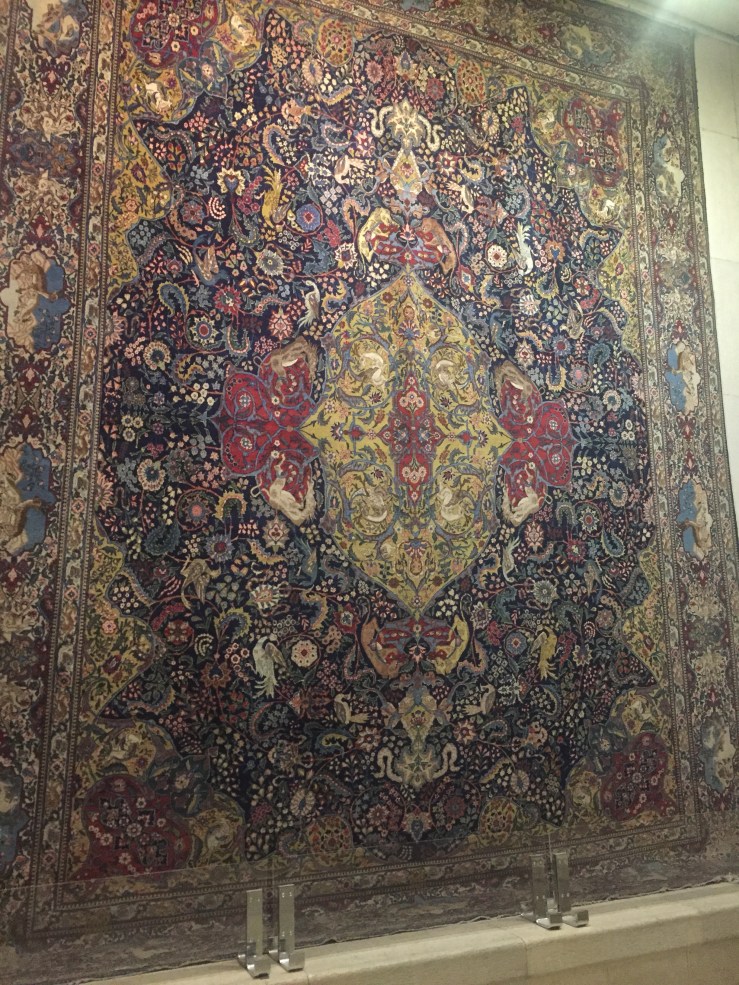
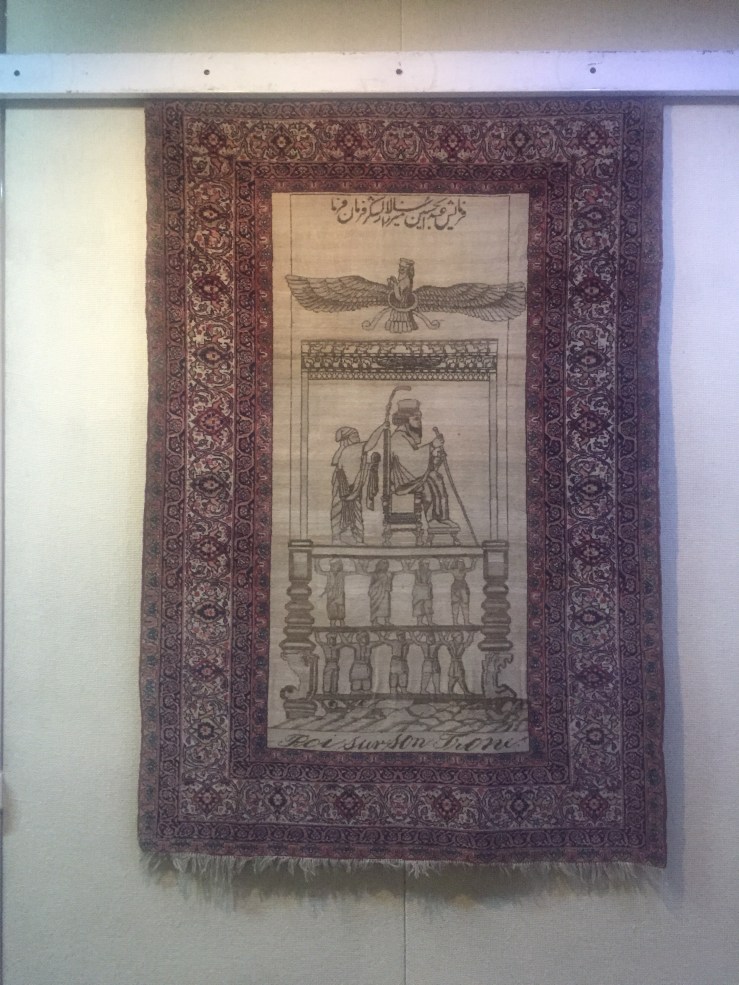
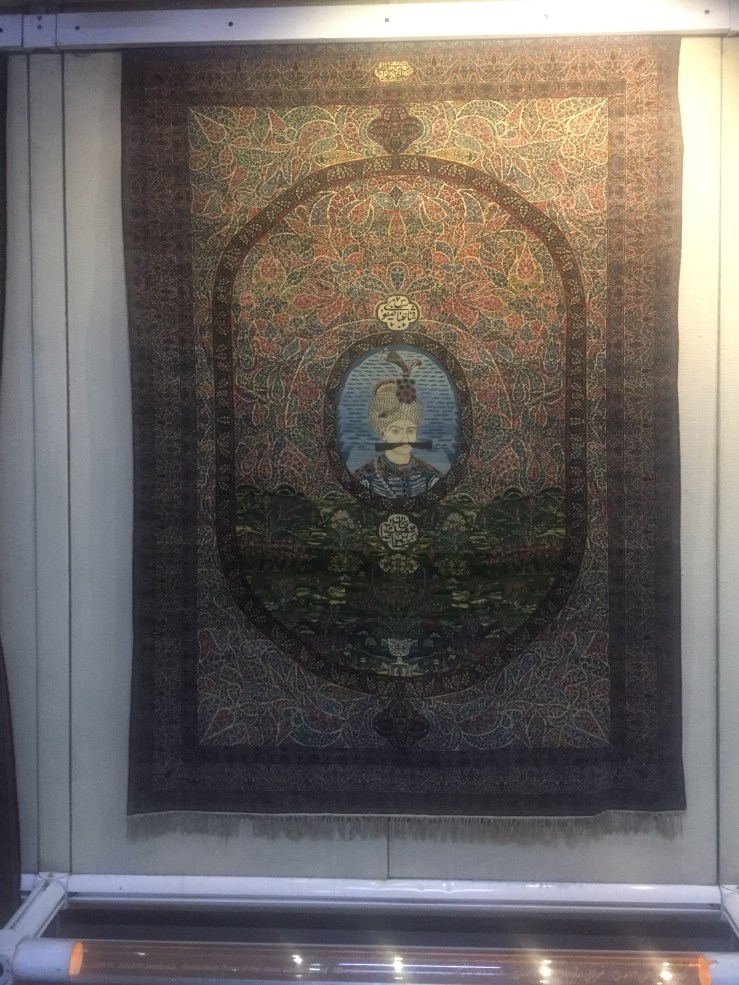
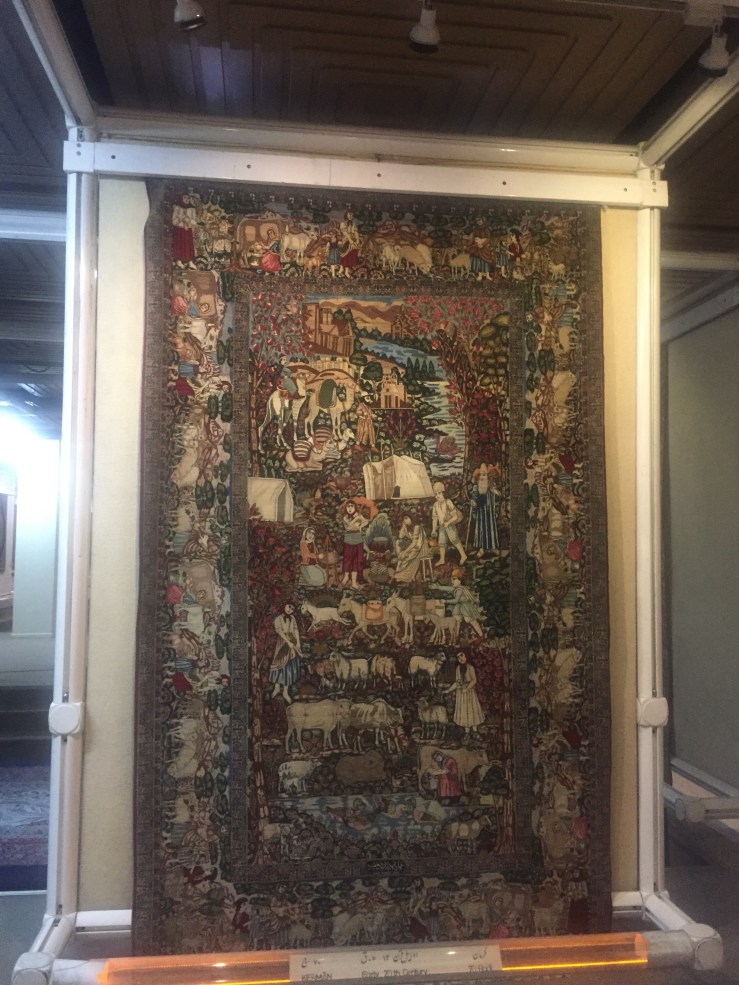
Some traditional and very rare designs and patterns are found among the carpets. Portrait, multi-panel, botteh, triangular citron and animal design carpets are among various designs found in the collection. Also, sometimes the so-called Polish carpets are on display. They are the carpets made in Iran, but known as made in Poland.

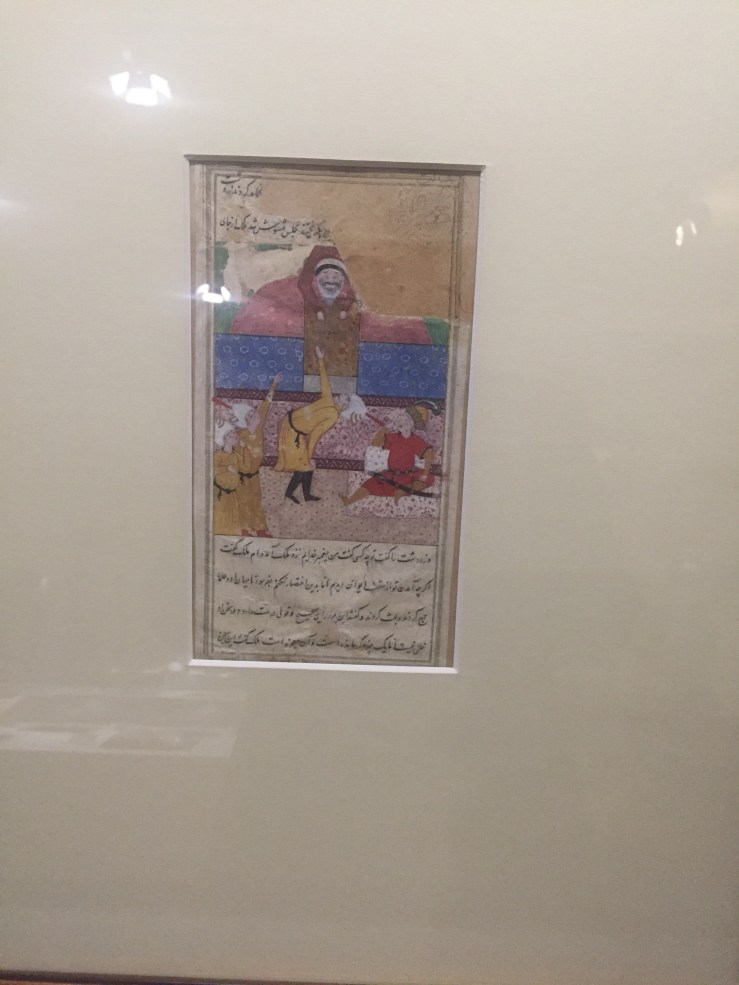
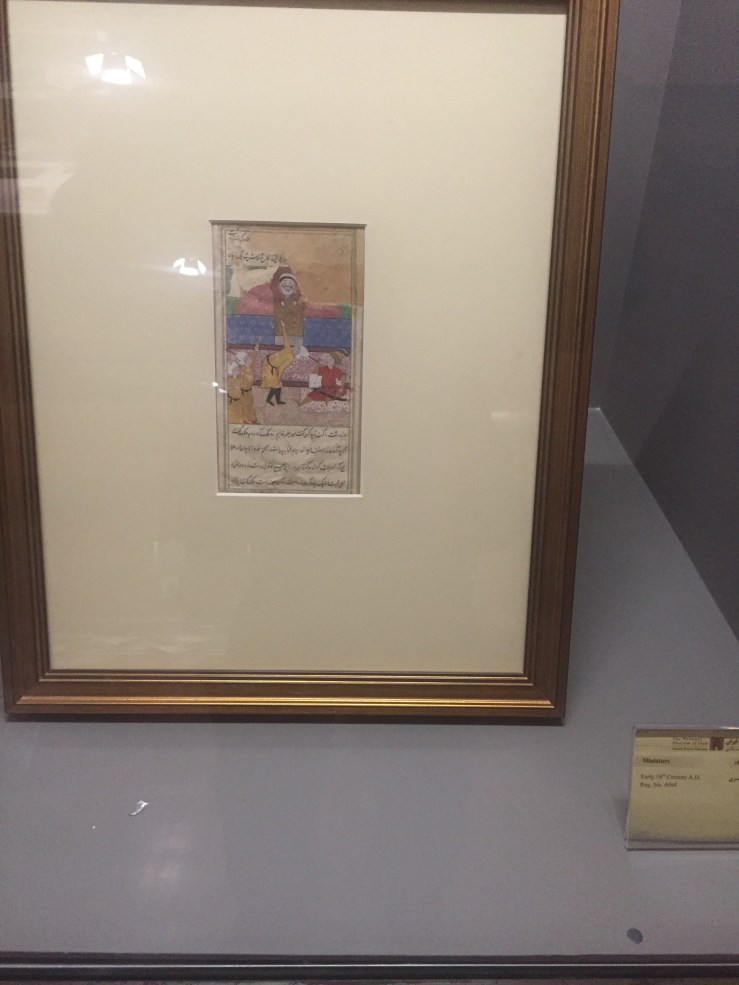
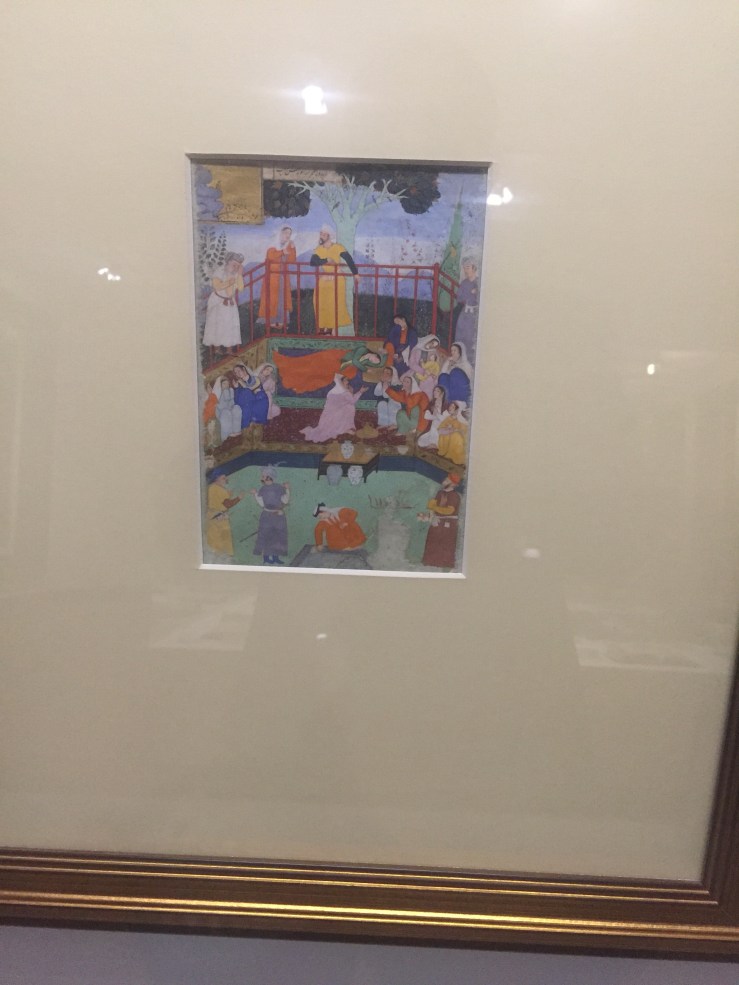
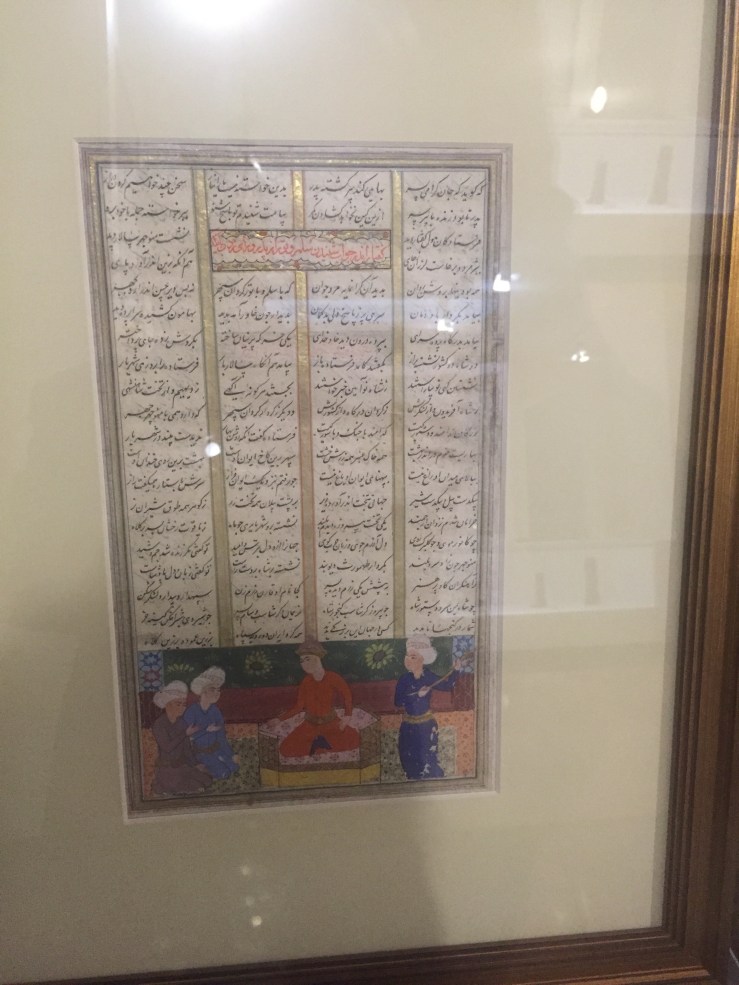
Here are some of the specimen carpets on display:

Without doubt it is one of its kind Museum! Wish they had also included specimens from other countries and empires as well. It would, for example, would have been great to make a comparative study of carpets from Ottoman Turkey, Mughal Empire and, say the Uzbek regions. Surely the Afghan carpets would also be important to compare with!

The City Palace Museum in Jaipur and Salar Jung Museum in Hyderabad do display carpets of various origins along with those of the Mughals!

[The trip was courtesy Dr Ali Dehgahi, Cultural Councellor, Islamic Republic of Iran, New Delhi. The author wants to thank him for a very fruitful trip.]
Remembering a Mother: Raziya tuz Zahra

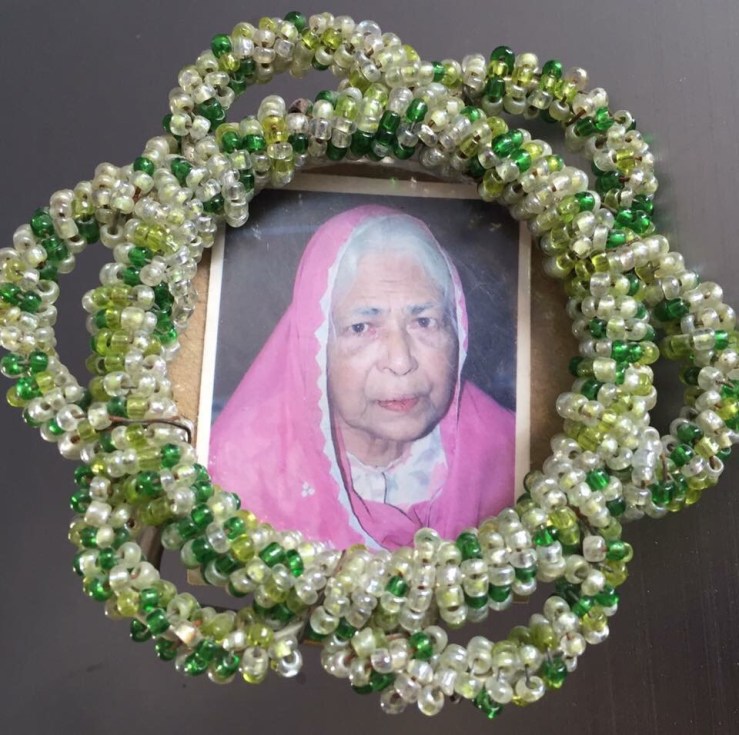
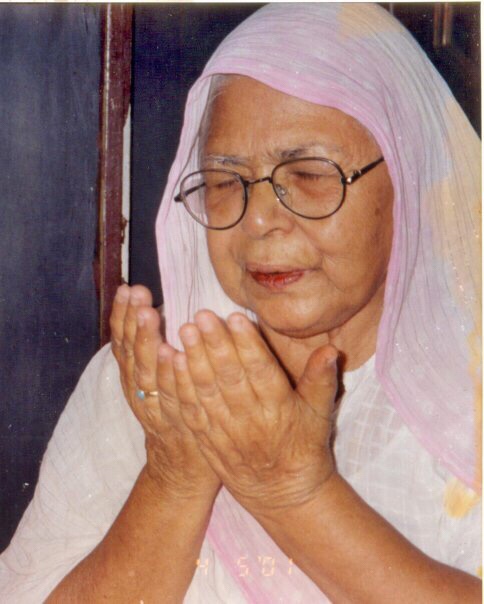
23rd May 2021 marks the completion of the 14 years of physical absence of Ammi from my life.

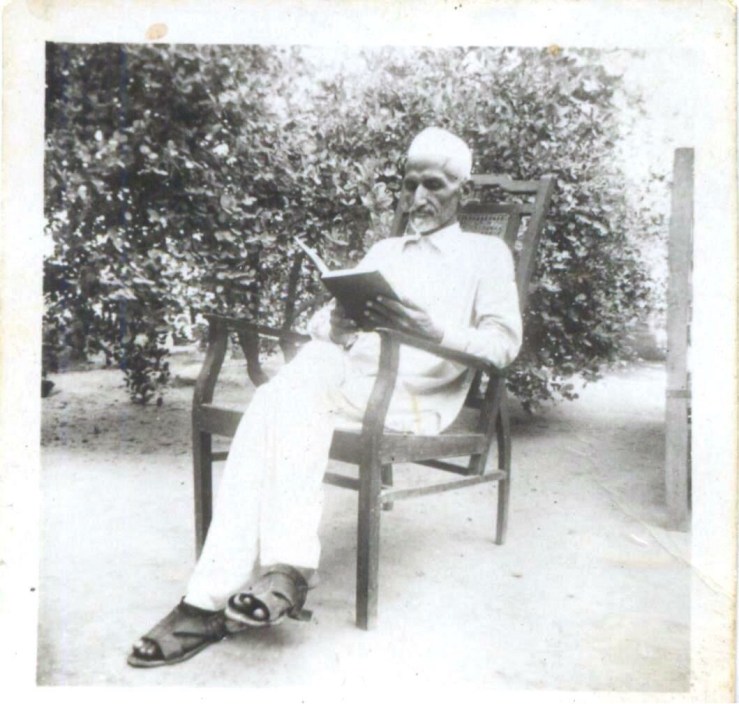
My father expired on Friday 7th April 1978 and from then on to the evening of Friday 23rd May 2008, a period of 30 years 1 month 16 days she was both a mother and a father to me. Not for a single day did she let me feel an orphan or in need of some unfulfilled desire!

Born to Mir Ashfaq Husain in a year nobody cared to remember, Raziya tuz Zahra lost her mother at the same hour as she was born.

Mir Ashfaq Husain

Early in her childhood she was taken care of by her maternal uncle, her Māmujān. She was the first child of her father who sired 6 other children through his second wife, Nanna Ammi. Nanna Ammi was actually no stranger but a younger cousin of Ammi’s late mother.

Ammi was, as she used to proudly tell us, matriculate who had actually “solved the whole of Chakravarti”: ‘Chakravarti’ being a heavy tome on Arithmetic penned by a famous Aligarh professor of mathematics of that name!

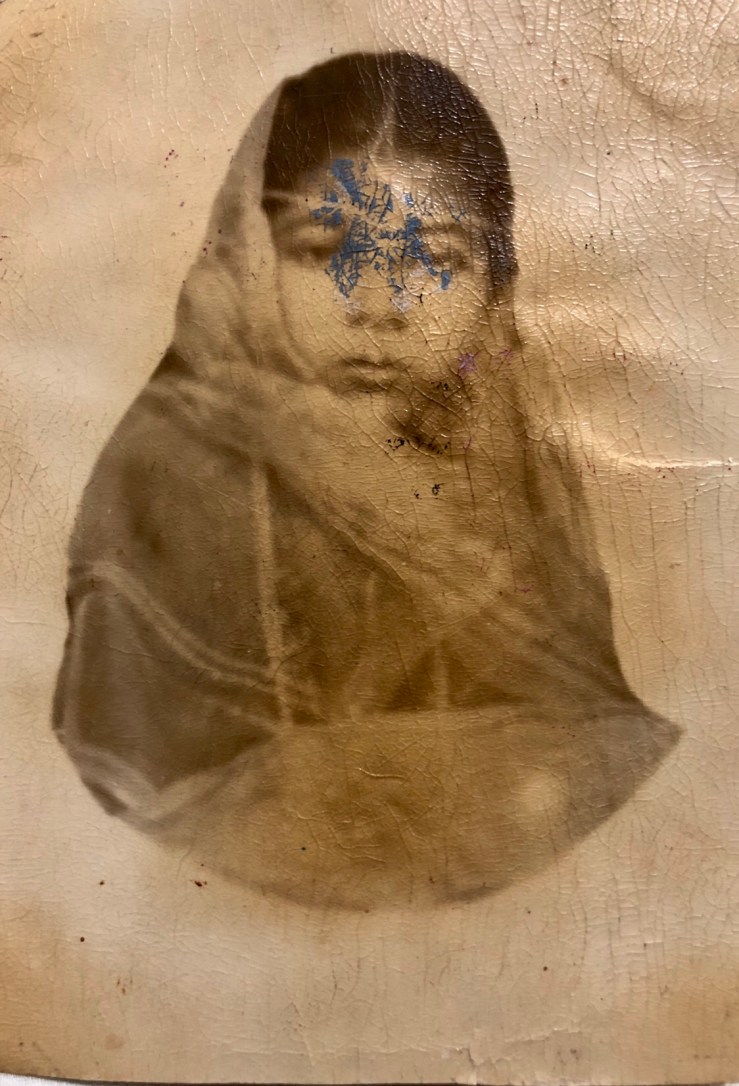
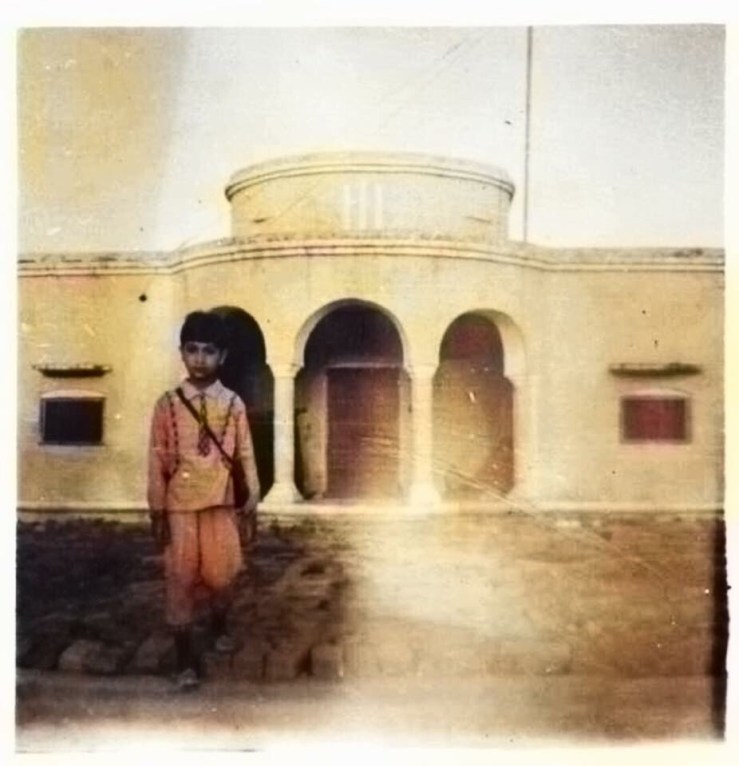
Raziya tuz Zahra as a child

She used to tell us that she was married early in her teens to my father who was at least twice her age. It was his second marriage, his first wife having died of some illness, leaving him to look after two of their children, a boy, Najmul Hasan, and a girl, Amatuz Zahra nicknamed Najma.

Their marriage was solemnised at Fatehpur amidst much melodrama: I am told by those who attended the wedding that my father who had recently lost his first wife was in Lucknow and in no way was he ready for this marriage which was suggested to him by his father, Faizul Hasan. My grandfather approached the prospective groom’s best friend Maulana Saeedul Millat who along with his father whom my father greatly respected convinced him to agree. And thus after a delay of one day (for which the ceremony was scheduled) the groom reached the bride’s home at Fatehpur and the marriage was solemnised. Soon after that, they started living in Lucknow. They would however frequently visit the ancestral village of my father, specially during the Muharrams.

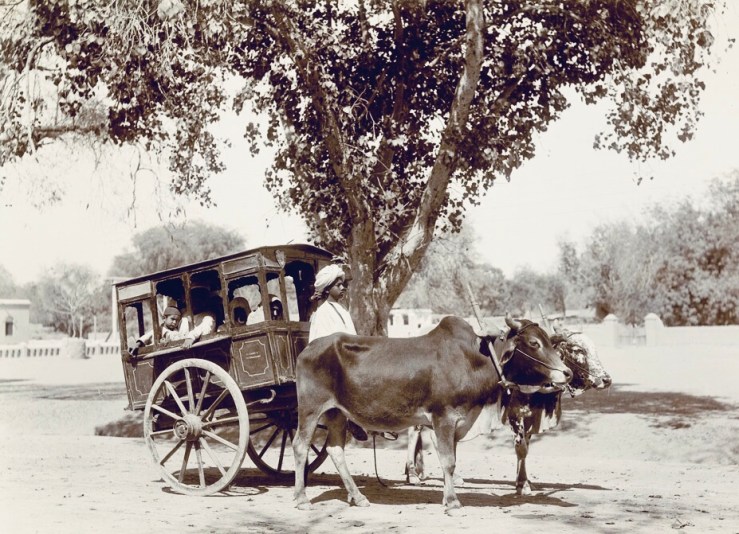
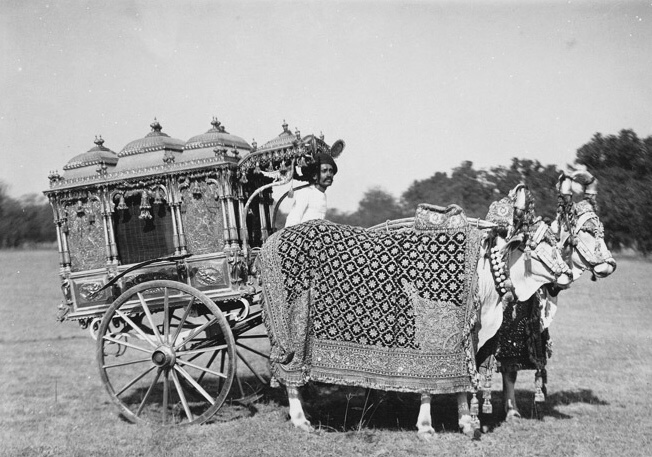
At Haswa, Ammi used to lovingly recall that they would always receive a grand reception. She would frequently tell us how when the train would reach Faizullahpur Railway Station, Dāda Abba would be waiting for her along with his retainers. One retainer’s duty used to be to stand with the guard with the express instructions that the train would not move until “bahu” and her luggage had all been offloaded! With a Chhadi (stick) in hand Chaudhuri Mir Faizul Hasan would then escort his daughter in law to a waiting decorated bullock or horse cart which would be covered with embroidered cloth coverings.

When she had been escorted into the waiting cart, he would walk alongside with my father all the way to his house in Muhalla Chaudhrāna. Bhaiyya (Najmul) would walk along with them, while Bajjo (Najma) would sit in the covered cart.

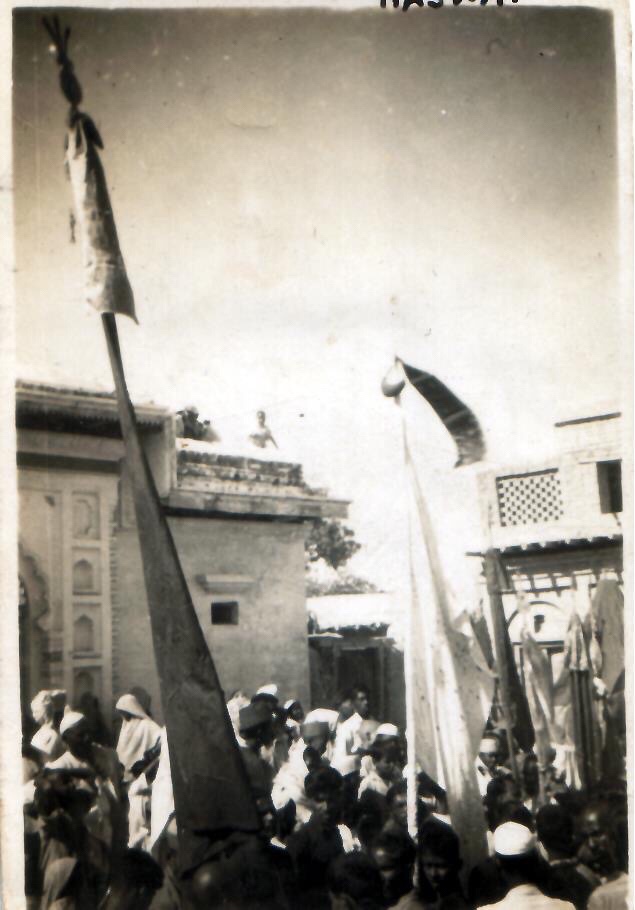
While at home, Ammi would be engaged along with Daddā (my paternal grandmother) in preparations for the Muharram. Their major duty being filling dry fruits, coconut fillets and misri (Indian sugar candy) into cloth bags tied with strings which were to be distributed during majālis. On the ten days of Muharram my father would recite the majālis and on the 10th an alam procession would be taken out.

Alam Procession beyond Hātha in Haswa in 1947 (Incidentally this gate survives till date)

Ammi with Fatima at Haswa during

Muharram 2007

Some other life incidents which Ammi used to narrate were set in the princely estate of Mahmoodabad. Just a few years before Independence Abba had taken up the job of the librarian at the Mahmoodabad State Library. Ammi too had shifted there with him, while Bhaiyya mostly stayed in Lucknow. One of her daughters, Marziya tuz Zahra, nicknamed Azra was born in Lucknow while another, Zakiyatuz Zahra nicknamed Kaukab had born during her stay at Mahmoodabad.

Soon after Independence and just before the assassination of Mahatma Gandhi, the whole family was once again back in Lucknow. It was there that her step children, Bhaiyya and Bajjo were respectively married in simple ceremonies.

In 1954 when Abba was offered a job at AMU, Ammi now moved with him to Aligarh. Here she gave birth to three children, one of whom survived to write this blog. The other two, a boy and a girl, Muhsin and Sabiha died in infancy.

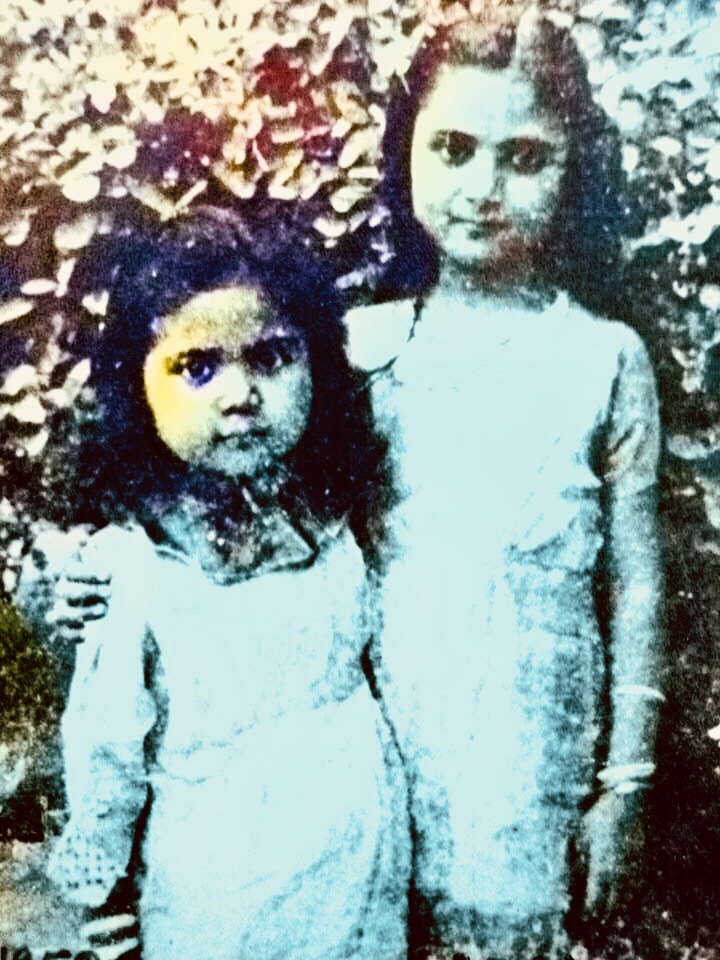
Marziya and Zakiya in Mahmoodabad

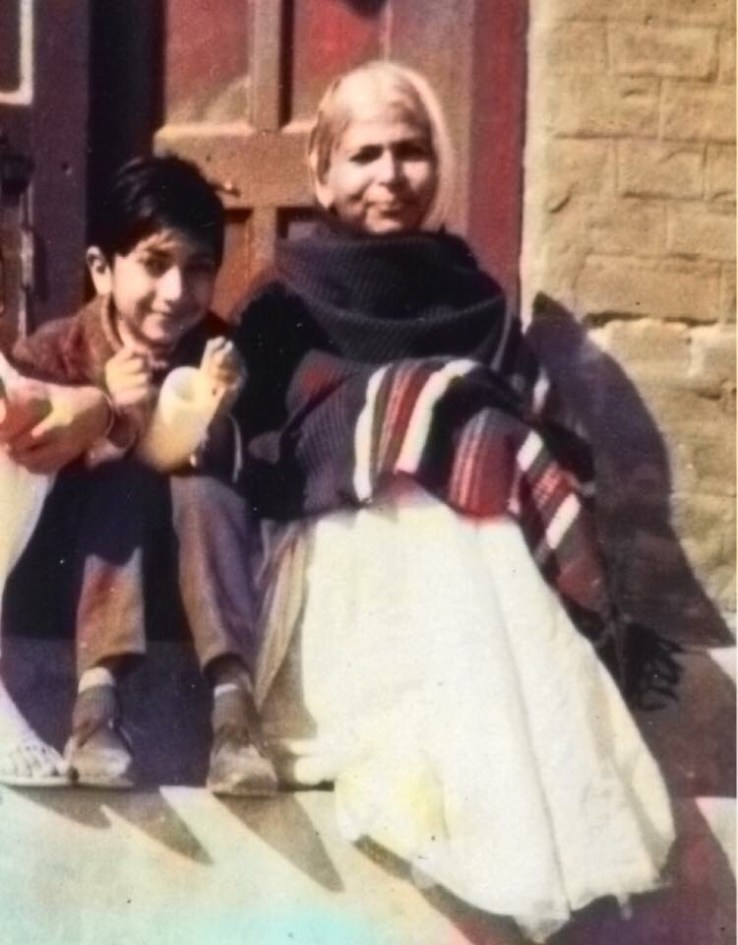
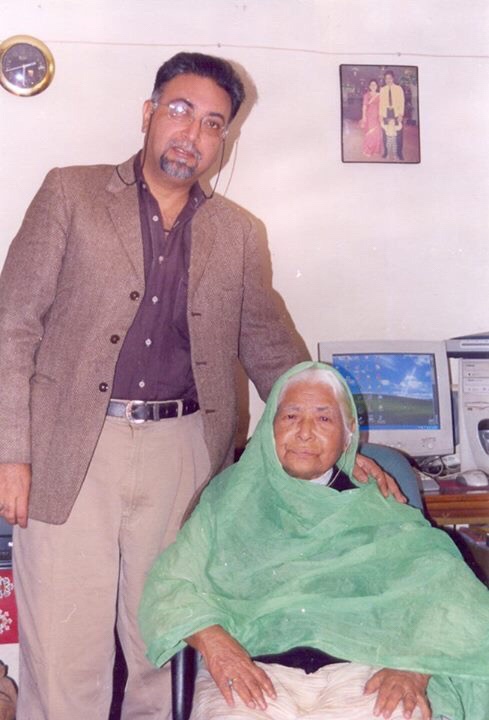
Me with Ammi

At Aligarh, shorn of all relatives, Ammi devoted her whole life to her husband and the three surviving children, Marziya, Zakiya and myself. She reserved most of her love and affection on her youngest child, that is me. Since the age of a toddler I never ever remember any of my wish remaining unfulfilled due to her. I would just have to look towards something and Ammi would understand that I wanted it and would have it acquired: there was not a moment that she would waste to grant my unexpressed desire!

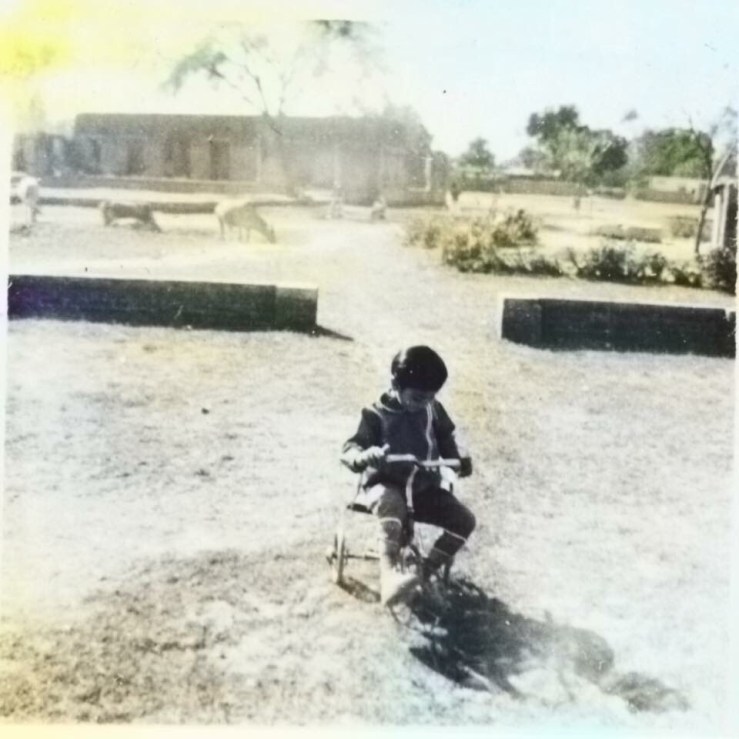
I remember that when I was riding this tricycle in the grounds in front of our house (see photo below), or even when I would casually step out of the house, she would station herself on the door, hidden behind the chik and constantly keeping a watch! Her vigil would end only once I re-entered the safe environs of the house!

Me at Azhar Manzil under her watchful eye from behind the chik

I also fondly remember how she gave her all when my bismillah and sunnat ceremonies were organised by my father! For my bismillah, the great scholar and author of al-Ghadeer, Ayatullah Shaikh Abdul Husain Amīnī had come. He initiated me to the alphabet and education. A great feast was organised on that occasion.

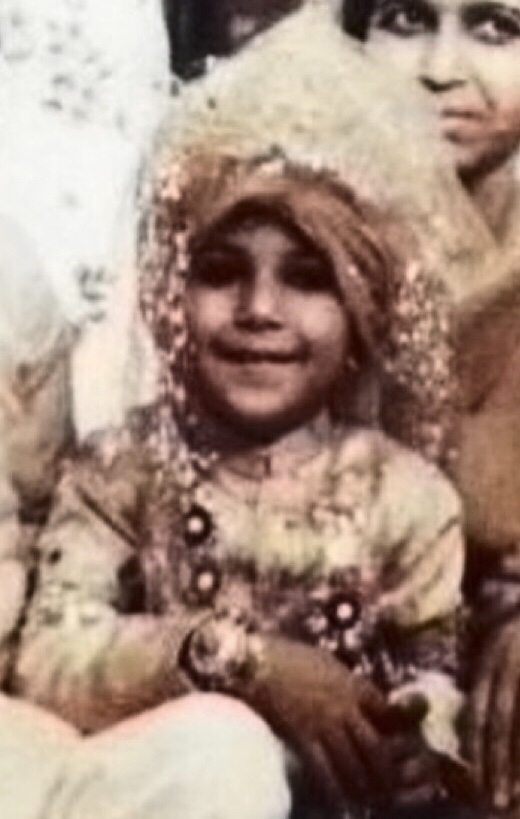
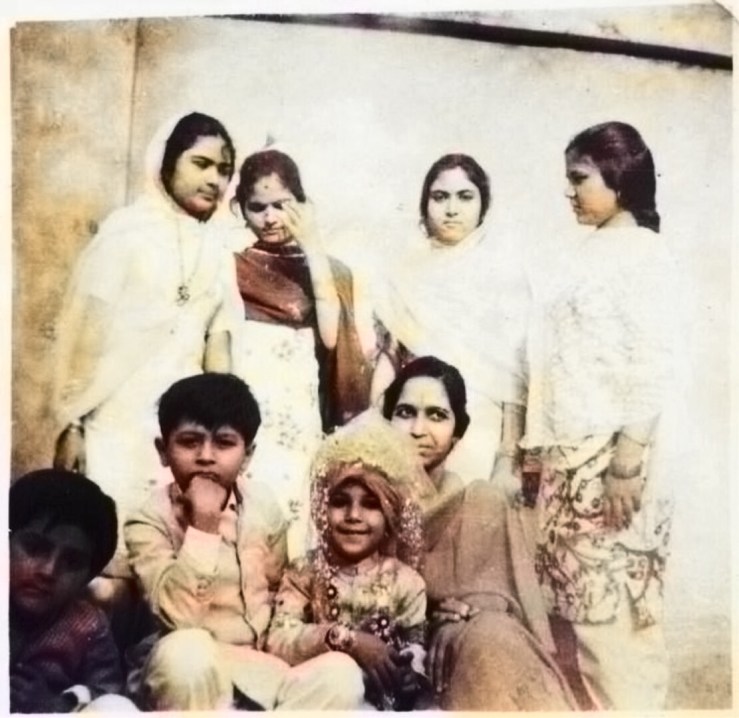
Similar celebrations were held for my sunnat. Ammi saw to it that I was dressed as a groom!

Me with my aunts and sisters. Also seen in the photo is Razmi, my eldest sister’s eldest son. Ammi is conspicuous by her absence in these photographs

Even when we were passing through a bad economic patch after the retirement of my father, she sheltered us like anything! Her love and affection for me grew by leaps and bounds after the demise of my father! Not a day passed when she would not suppress her own needs to fulfil ours!

Ammi single-handedly took care of us for 30 long years after the death of our father.

When my father died on 7th April 1978, one of my very close relative ‘advised’ her: “it is not necessary for everyone to go for higher studies. He has completed his Higher Secondary, there is no necessity for him to complete graduation when there is no earning member. What father has left behind can well be supplemented if he takes up a job!”

Without loosing her cool, she thanked him for the kind advice, and the next few years saw to it that I not only graduated but also registered for PhD. She patiently waited for me to land a job. Time and again she would just keep on feeding me stories of my father’s academic accomplishments. She saw to it that even when there was a great paucity, I would get what I needed. She would remain awake waiting till she heard the tinkling of my cycle-bell. Whenever I was in self doubt or in trouble, she would be by my side, asking me to have faith in myself and in the Almighty. If I would fail in something, she goaded me to work harder, and when success kissed my feet, she would coolly remark: you deserve it!

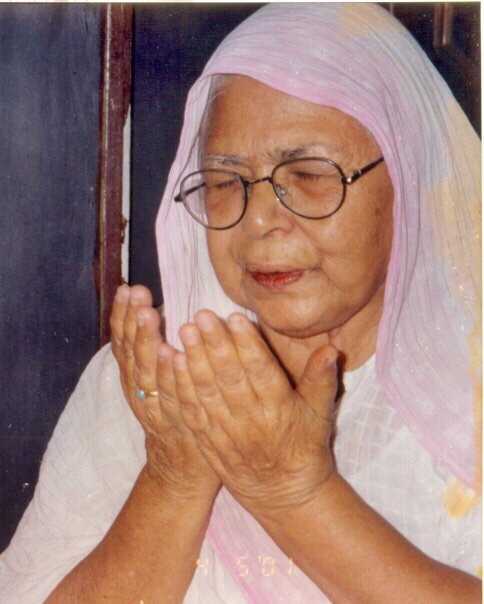
This is how she passed most of her time

It were her prayers and persuasions which saw me through! When she died, she had only one wish: that I climb the academic stairs as high as possible!

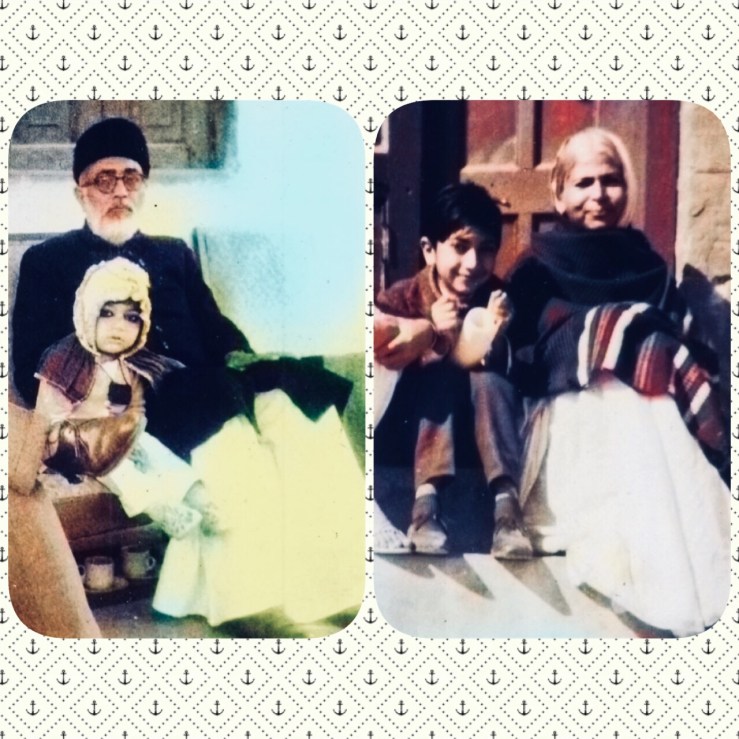
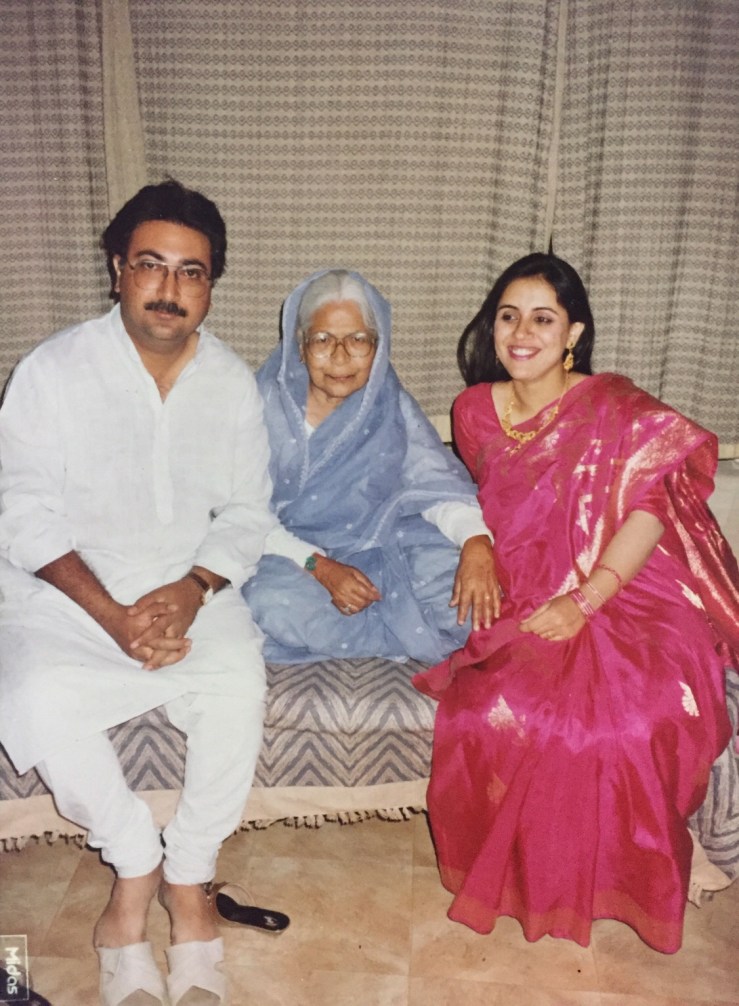
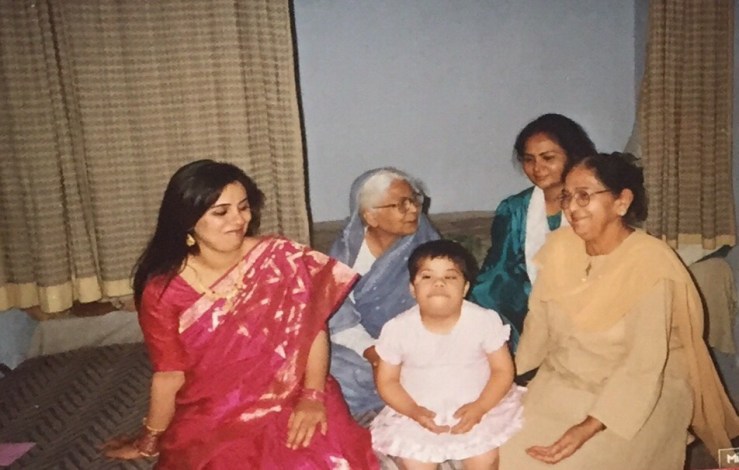
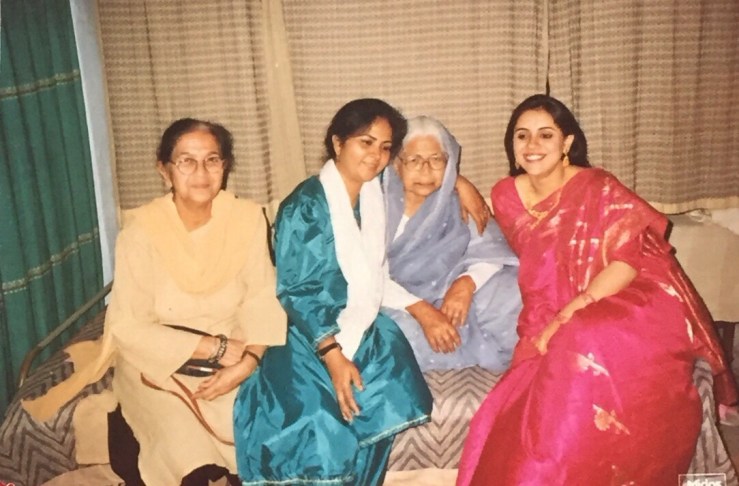
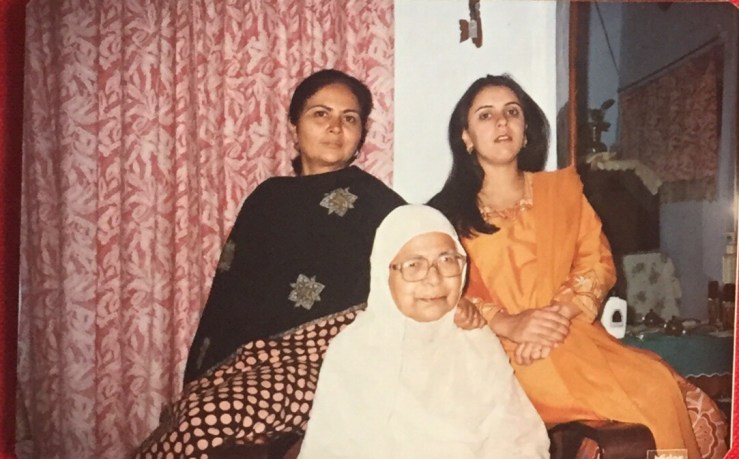
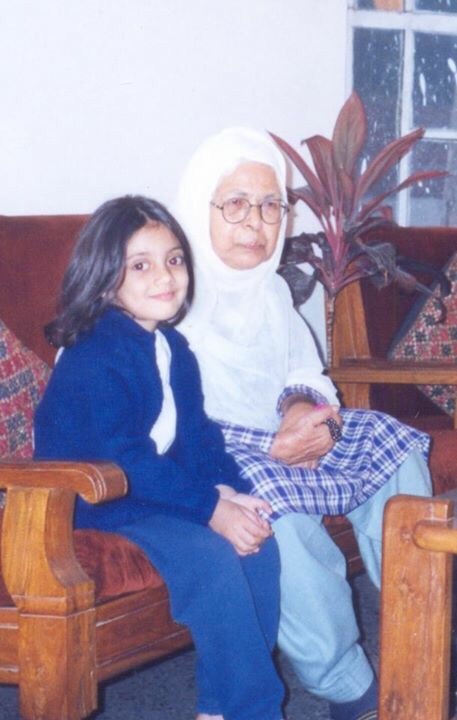
Ammi with her beloved ones who now miss her badly!

When age overtook her, she was in the end reduced to a person who was physically frail, hard of hearing and hard of seeing. She became almost a recluse and gave up eating altogether: to feed her was a feat! However she remained steadfast in two things: her prayers and her pān. When in the last few minutes of life, when I asked her Ammi āp kaisi haiñ? She replied she was fine and ready to go. And when I said: Ammi chaliye hum aap ko Medical ley jā rahē haiñ. She got up, covered her head, asked for a pān. As we carried her down the stairs, she left us. She was no more.

For the last fourteen years I am still waiting for my Ammi to bestow her duās on me….I love her from the deep of my heart, and pray that Ammi may forgive my faults which are many….

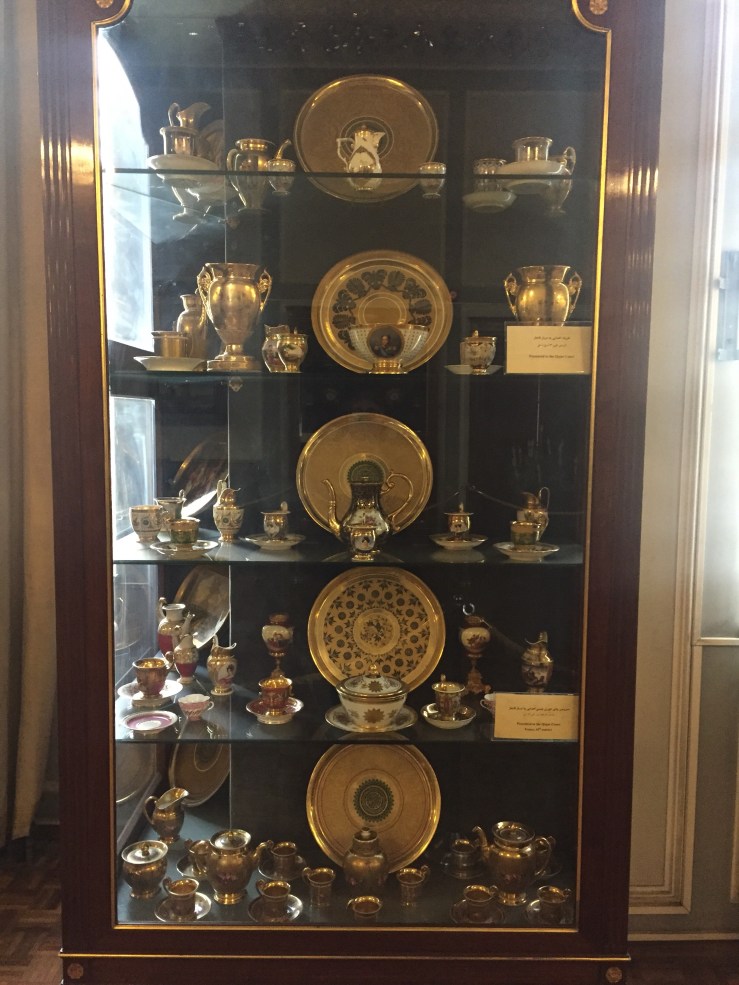
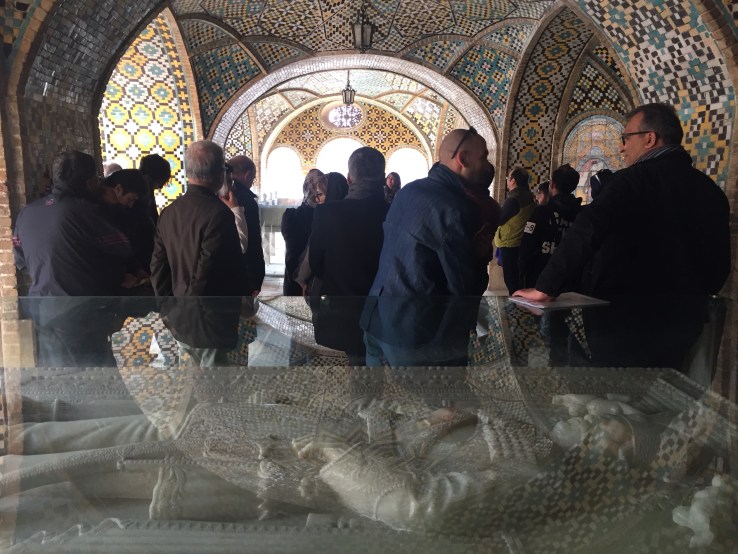
Golestan Palace Complex and Museum, Tehran: A Photo Journey

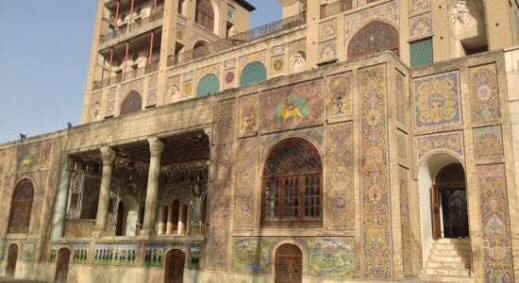
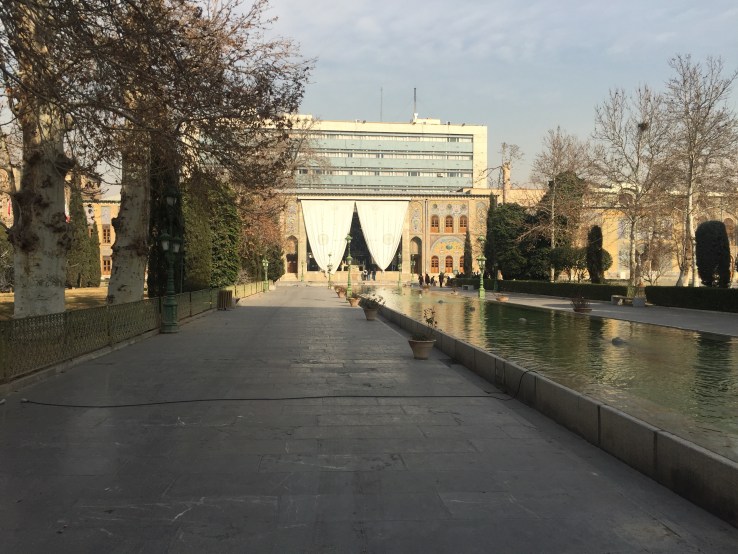
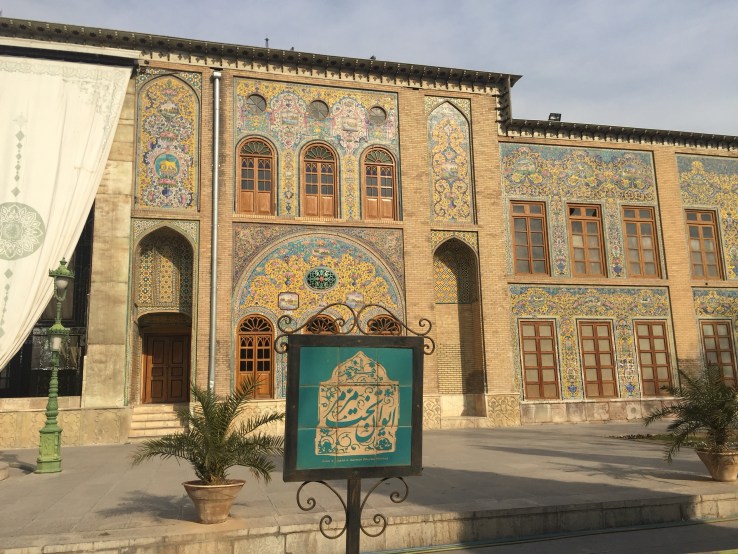
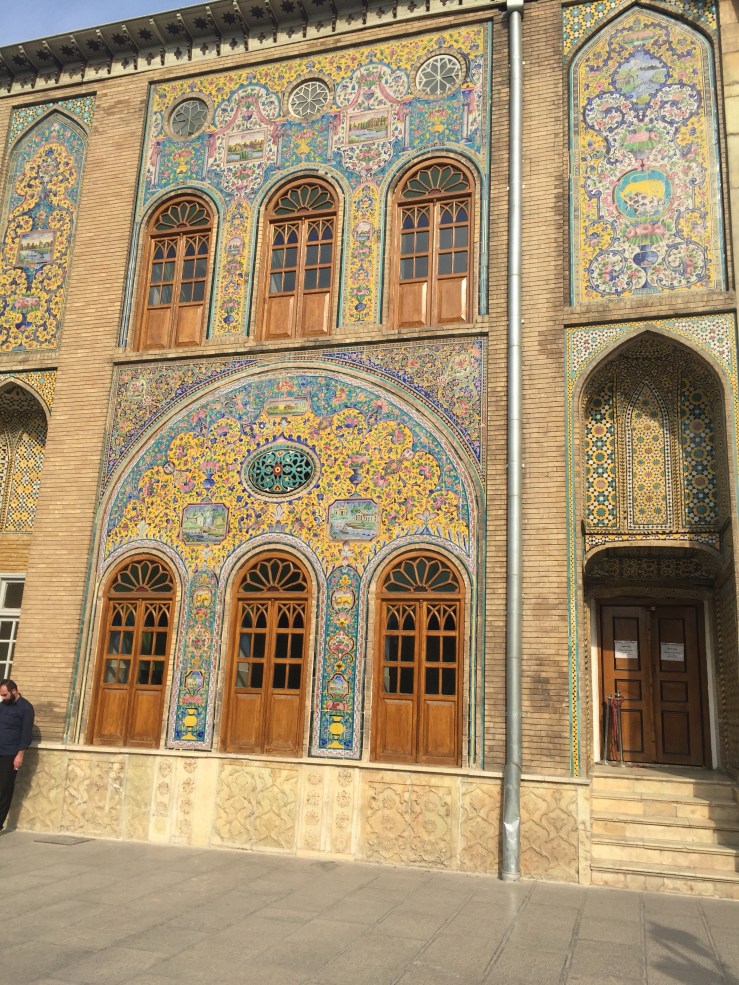
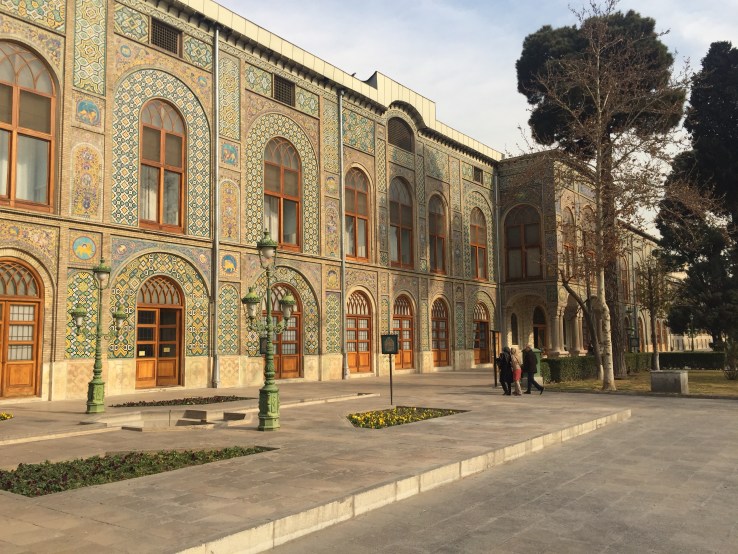
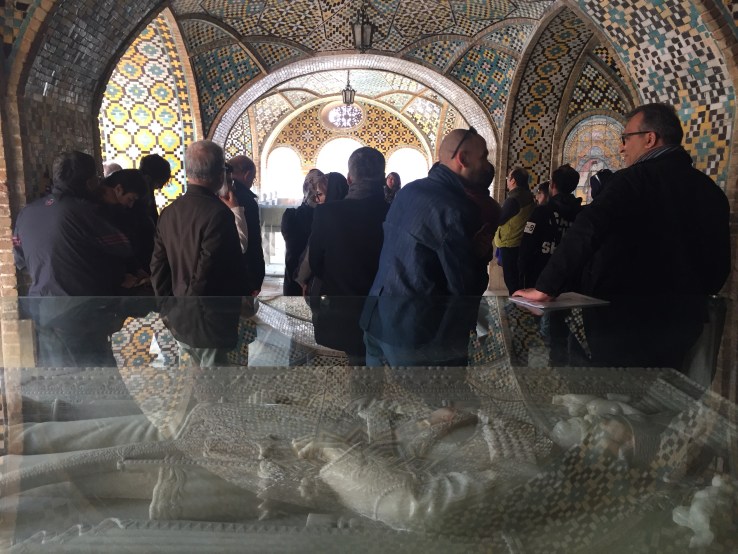
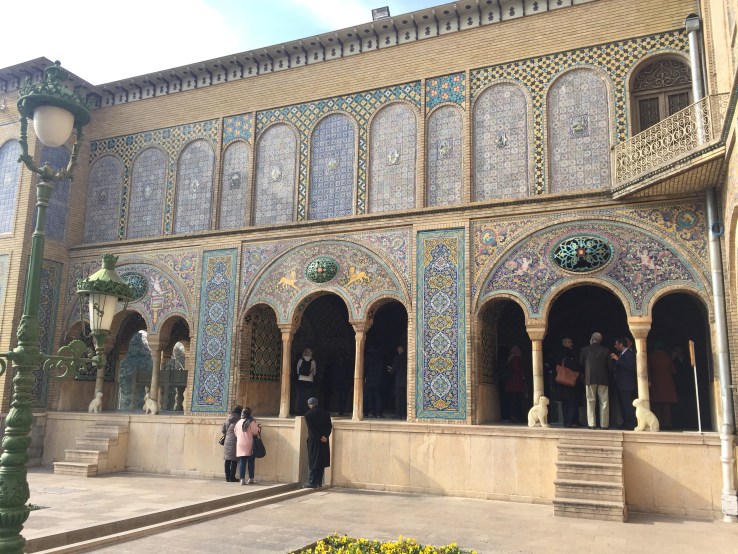
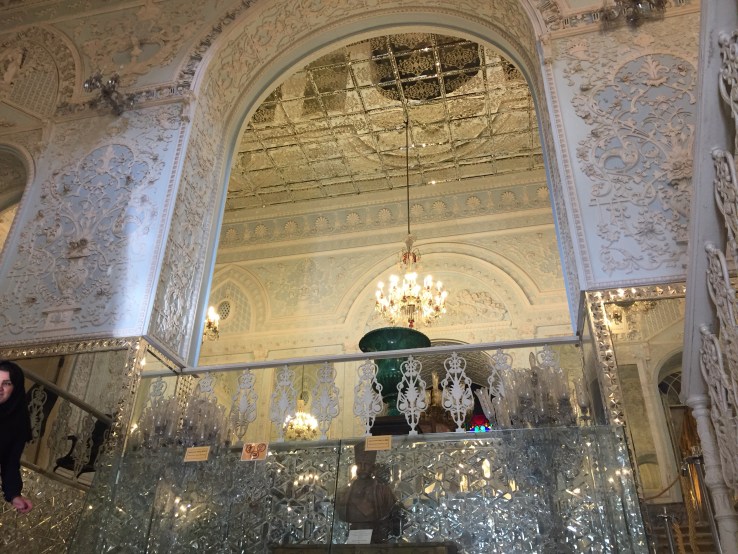
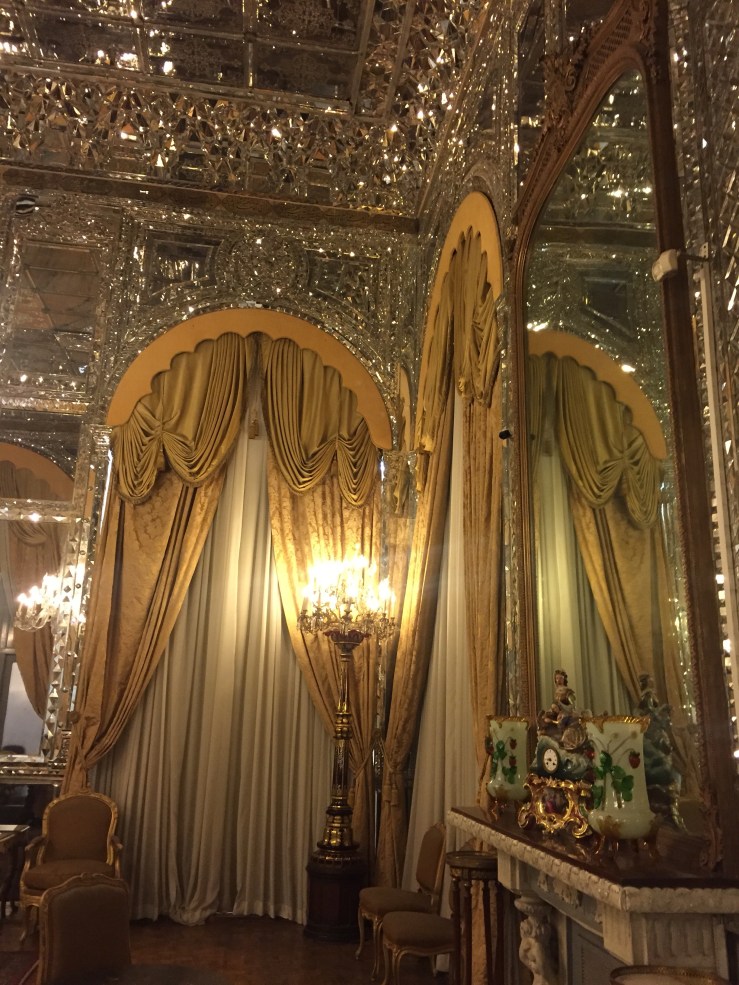
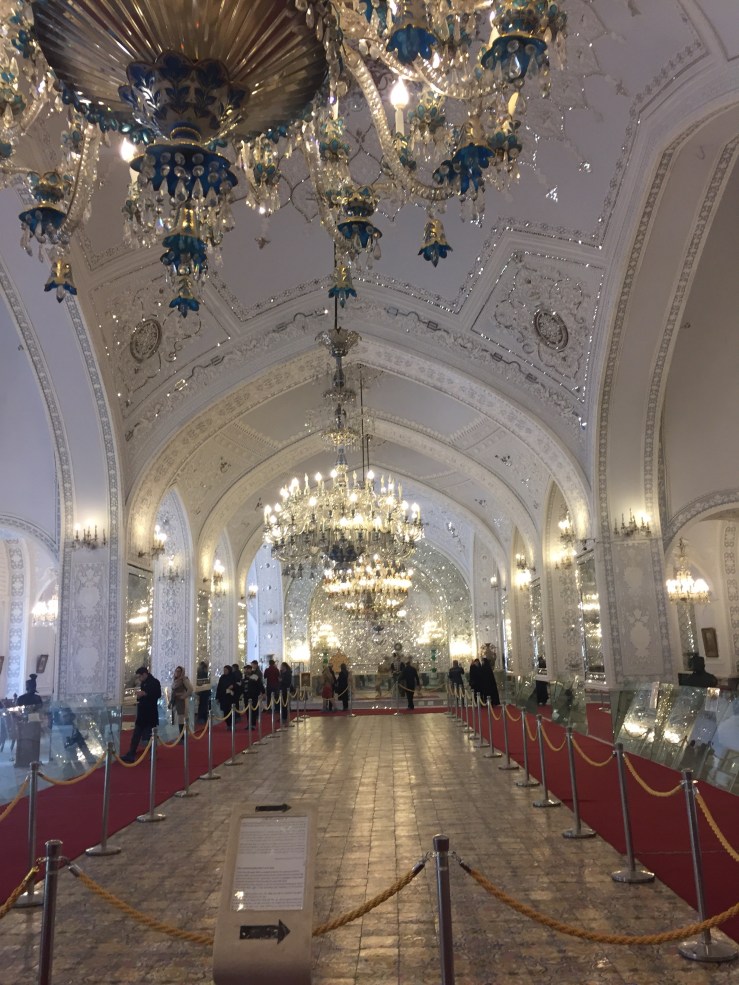
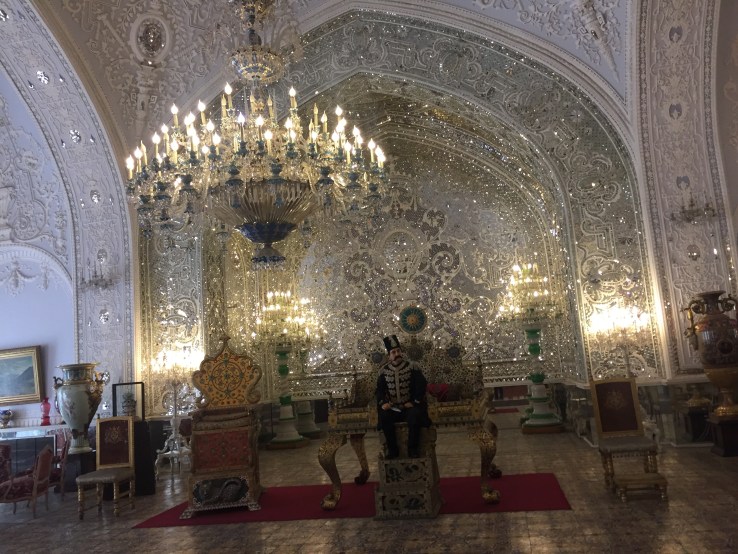
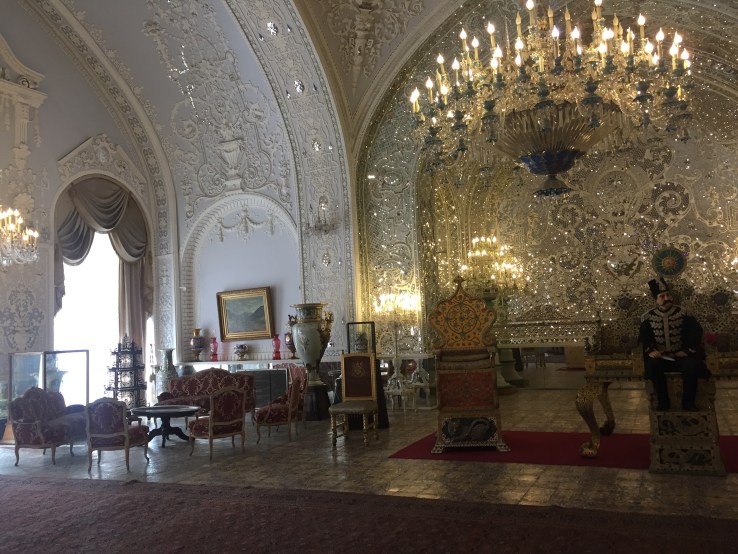
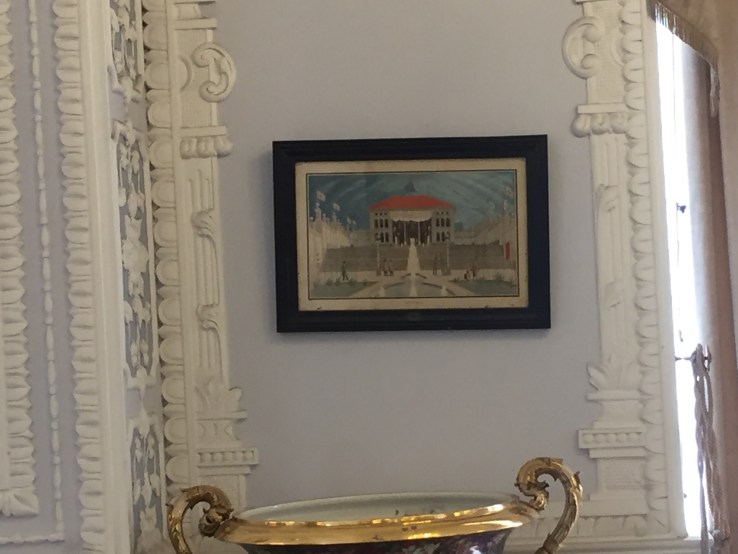
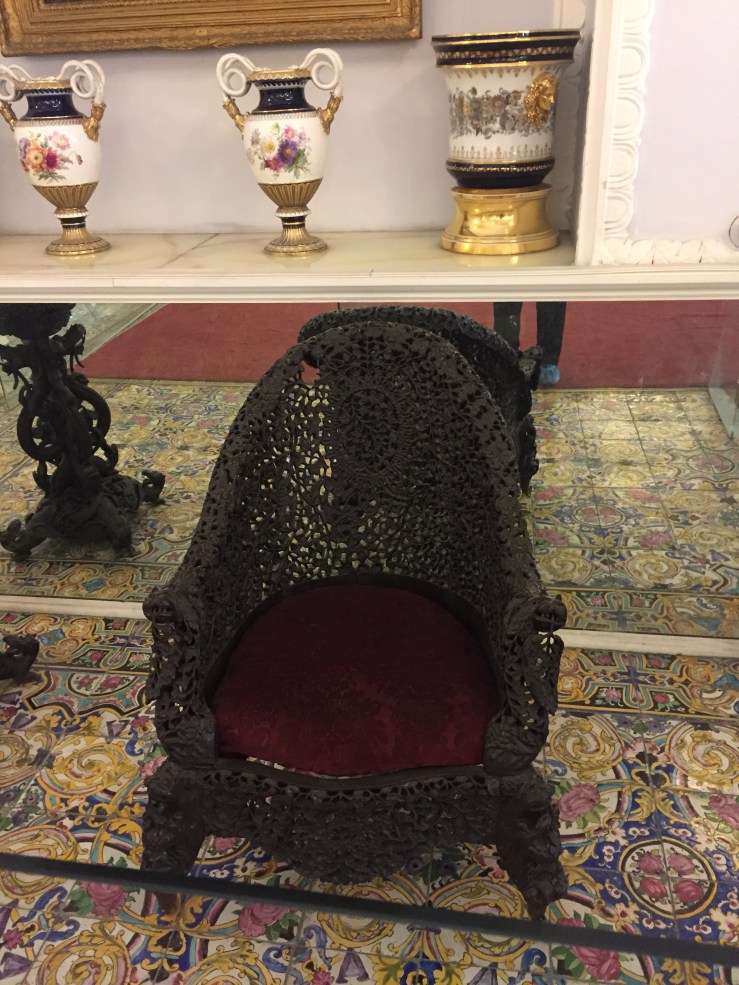
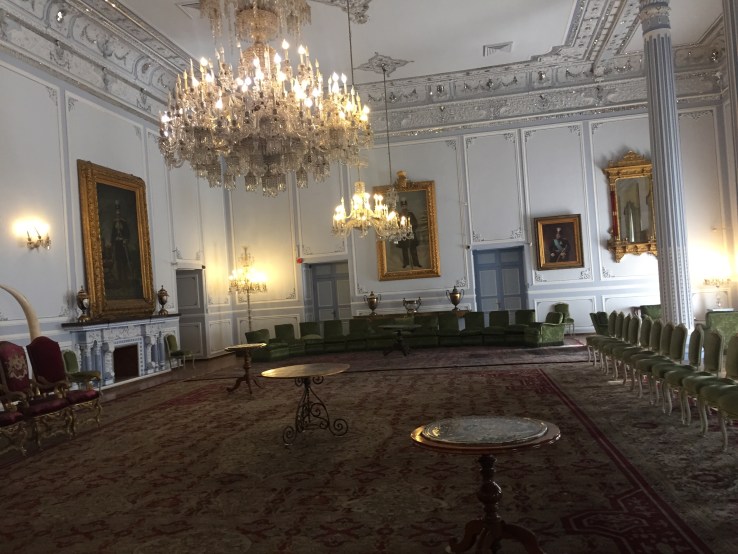
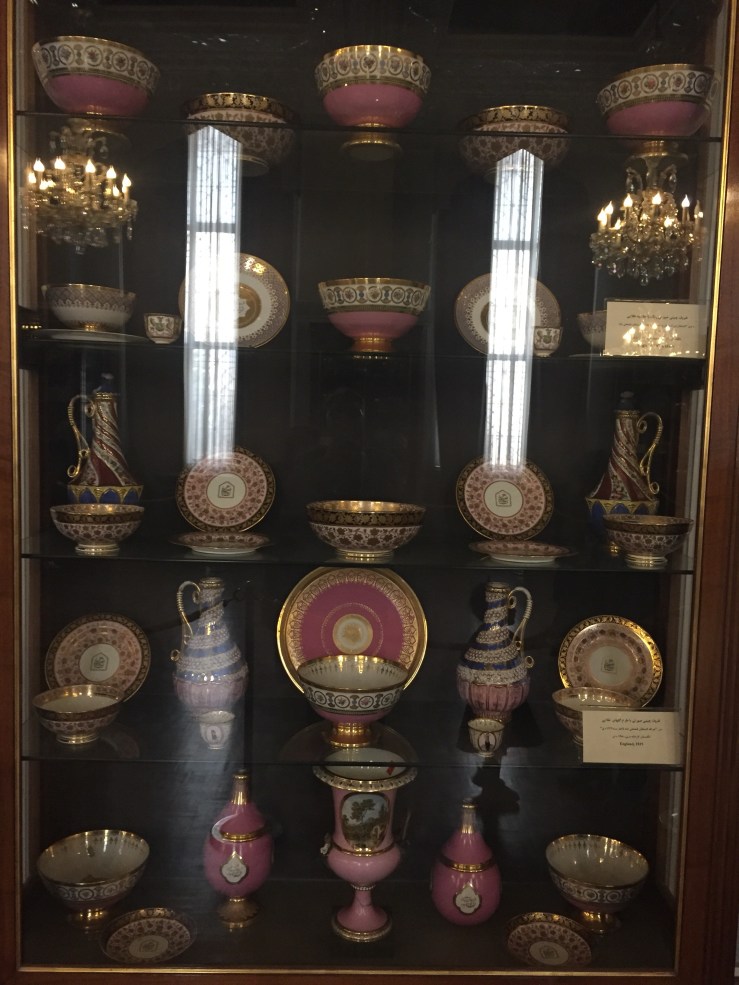
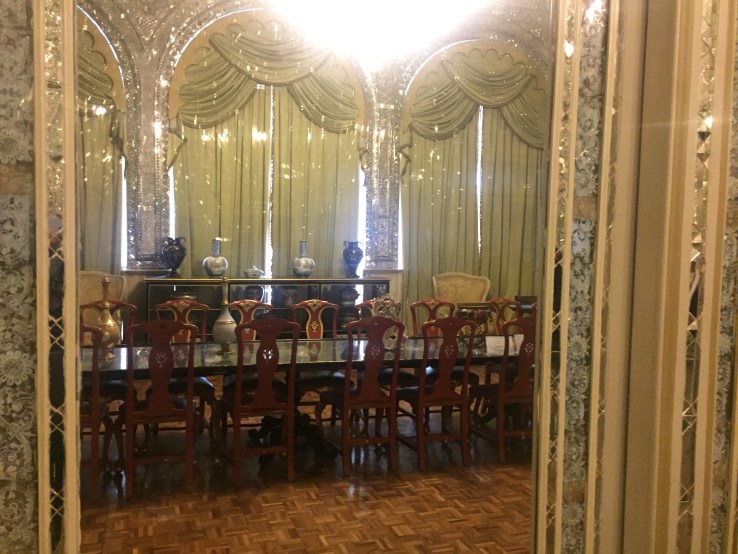
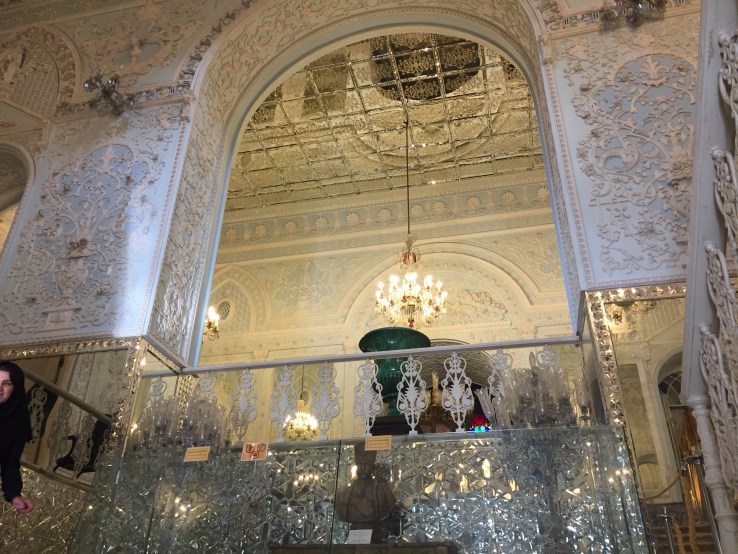
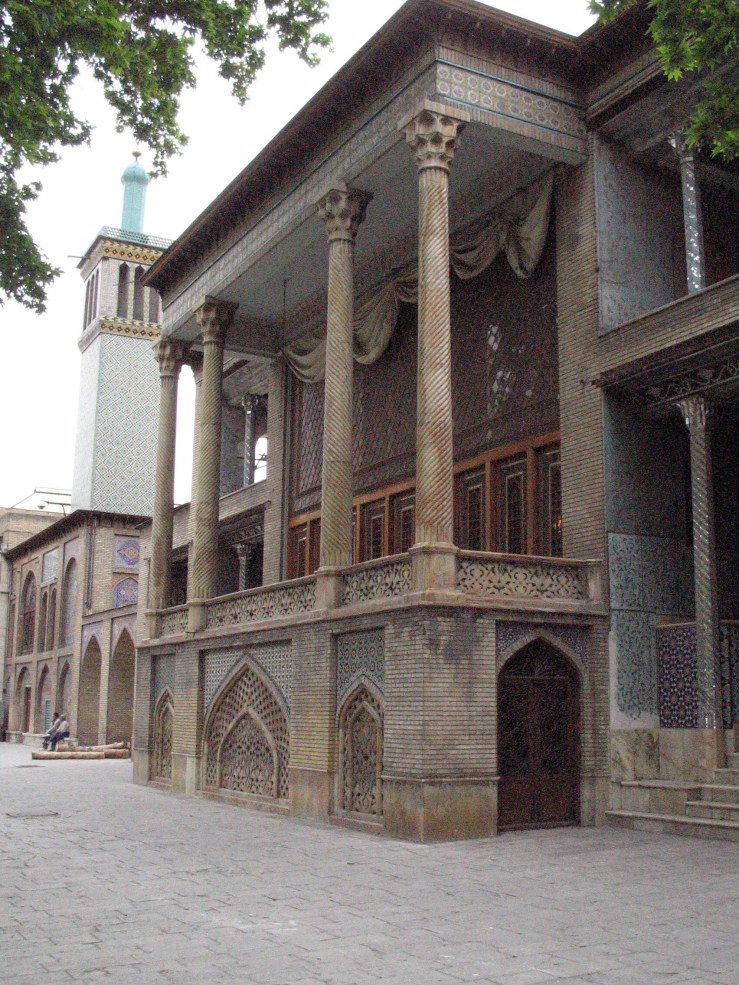
It was on Friday 12th January 2018 that I had the opportunity to visit the World Heritage Site Golestan Palace Complex in Tehran. It is one of the oldest historic monuments in the city of Tehran, and belongs to a group of royal buildings that were once enclosed within the mud-thatched walls of Tehran’s arg (citadel). It consists of gardens, royal buildings, and collections of Iranian crafts and European presents from the 18th and 19th centuries.

The arg (citadel) was built during the reign of Shāh Tahmāsp I (r. 1524–1576) of the Safavid dynasty (1502–1736), and was later renovated by Shāh Karīm Khan of the Zand dynasty (r. 1750-1779). When Shah Agha Mohammad Khan of the Qājār (or Qāchār) dynasty (1742–1797) made Tehran his capital, it emerged as the seat of this dynasty (1794–1925). The court and palace of Golestān (Kākh-i Golestān) became the official residence of the Qājār dynasty.

The palace was rebuilt to its current form in 1865 by Hāji Abul Hasan Mi’mār Navāi.

During the period of the Pahlavis (1925–1979), the Golestan Palace was the hub for formal royal receptions.

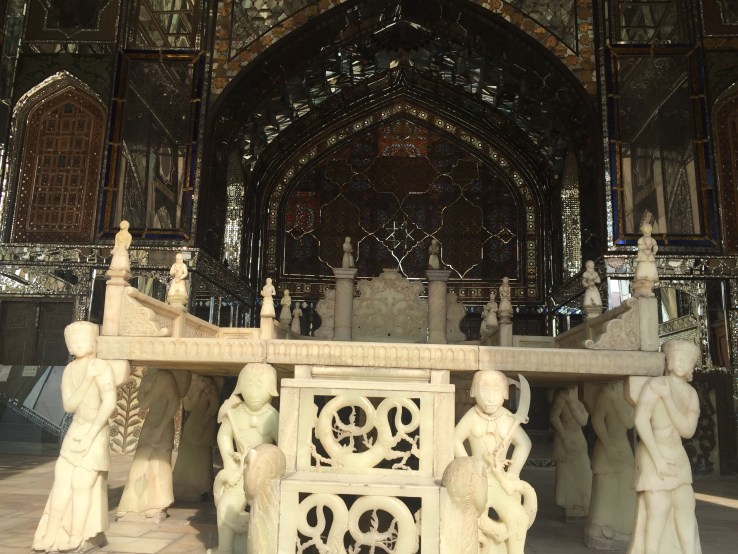
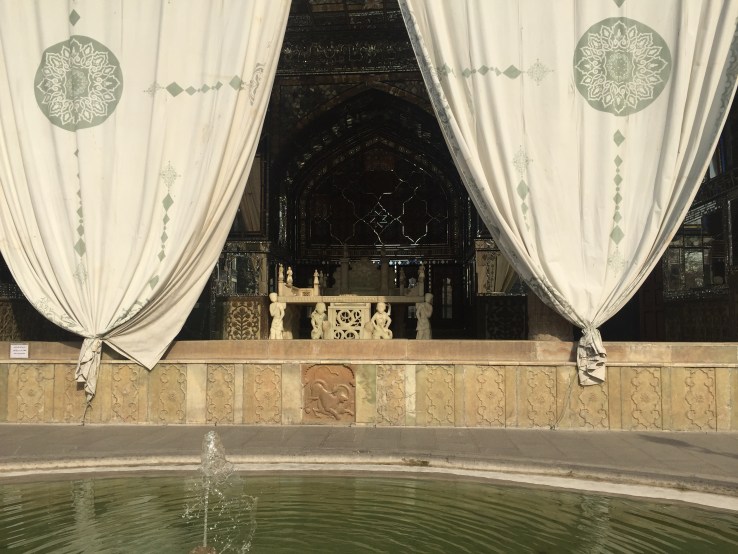
The Marble Throne

The most important ceremonies held in the palace during the Pahlavi era were the coronation of Reza Shah (r. 1925-1941) on the Marble Throne and the coronation of Mohammad Reza Pahlavi (r. 1941-deposed 1979) in the Museum Hall.

This Marble Throne, was built in 1806 by the order of Fath Ali Shāh of the Qājār dynasty (r. 1797–1834). Adorned by paintings, marble-carvings, tile-work, stucco, mirrors, enamel, woodcarvings, and lattice windows, the throne embodies the finest of Iranian architecture. The Marble Throne is one of the oldest buildings of the historic arg. It is situated in the middle of the terrace (aiwān), and is made of the famous yellow marble of Yazd.

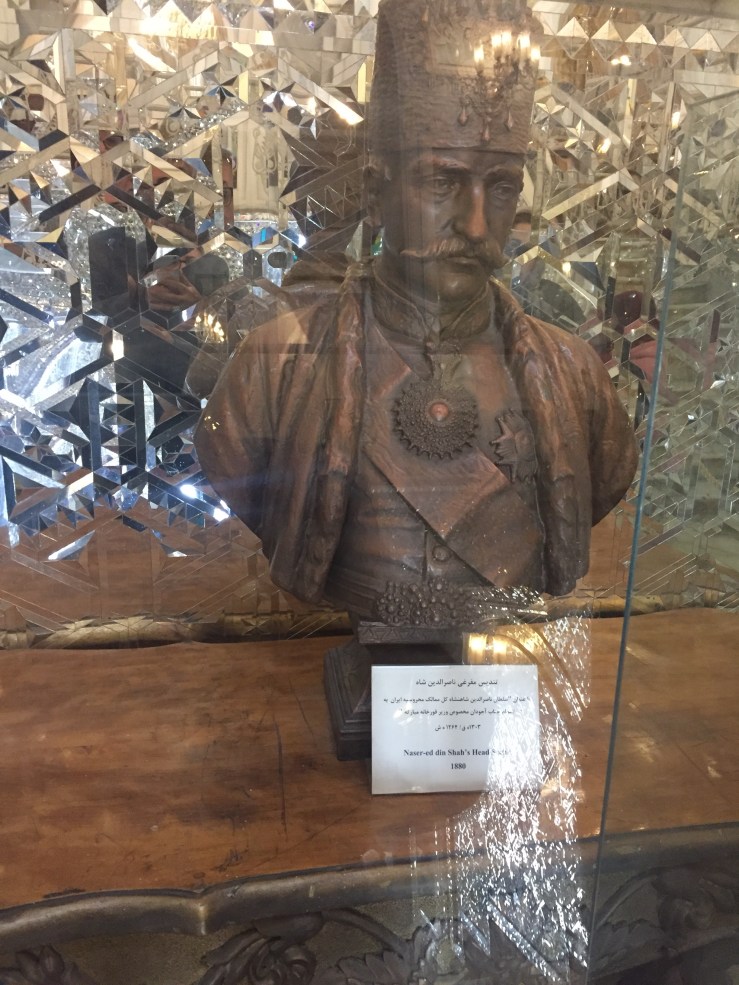
It is built of sixty-five pieces of marble, and was designed by Mirza Baba Naqash Bashi (“head painter”) of the Qājār court. Muhammad Ibrahim, the Royal Mason, oversaw the construction and several celebrated masters of the time worked on the execution of this masterpiece. The architectural details, and other ornaments of the terrace, were completed during the reigns of Fath Ali Shah and Nāsiruddin Shah (r. 1848–1896).

The Bāzār

In between 1925 and 1945, a large portion of the buildings of the complex were destroyed on the orders of Reza Shah. He believed that the centuries-old Qajar palace should not hinder the growth of a modern city.

In the place of the old buildings, commercial buildings with the modern style of 1950s and 1960s were erected.


The Kitābkhāna or the Library

One of the most famous component of the Golestān Complex are its archival library. The museum’s archival holdings comprise a manuscript library (kitābkhanih-yi nuskha-i khaṭṭī), a photograph archive (markaz-i asnād-i taṣvīrī), a documents archive (markaz-i asnād-i khaṭṭī), as well as a small library.

In the Manuscript library, Golestān contains a large number of Safavid and Mughal manuscripts as well as folios decorated with beautiful miniatures – both Mughal and Safavid. Unfortunately during my visit the librarian simply refused to show us any of them or even acknowledge their existence. These miniatures and folios are listed in the catalogues made during the pre-Islamic Revolution Period. Have they been shifted from here now? Or are still there? We failed to get an answer to this question. Here are some of the examples of the miniatures purported to be housed there:

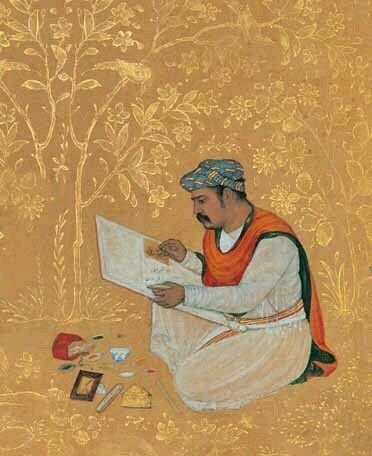
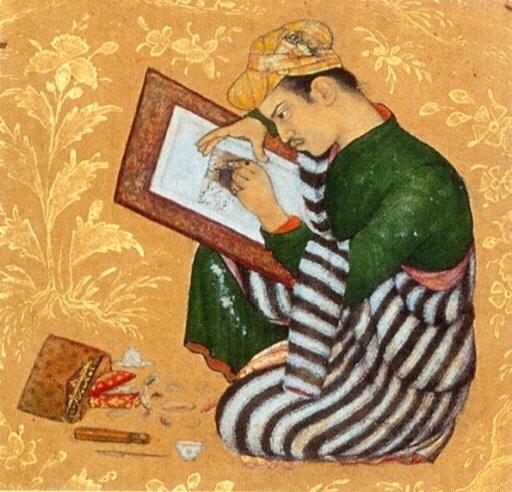
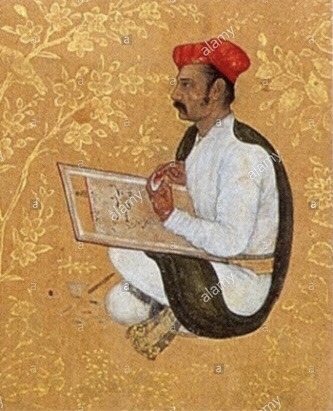
Self-Portrait and Portraits of Artists By Daulat, Mughal, c. 1610 © Golestan Palace Library, Tehran

A self-Portrait of Daulat From the Gulshan Album, ca. 1610, Golestan Palace Library

Daulat. Portrait of Abu’l Hasan. From the Gulshan Album, ca. 1610, Golestan Palace Library

Daulat. Portrait of Bishandas. ca. 1610 Detail of the border illumination of the list from Golestan Palace Library

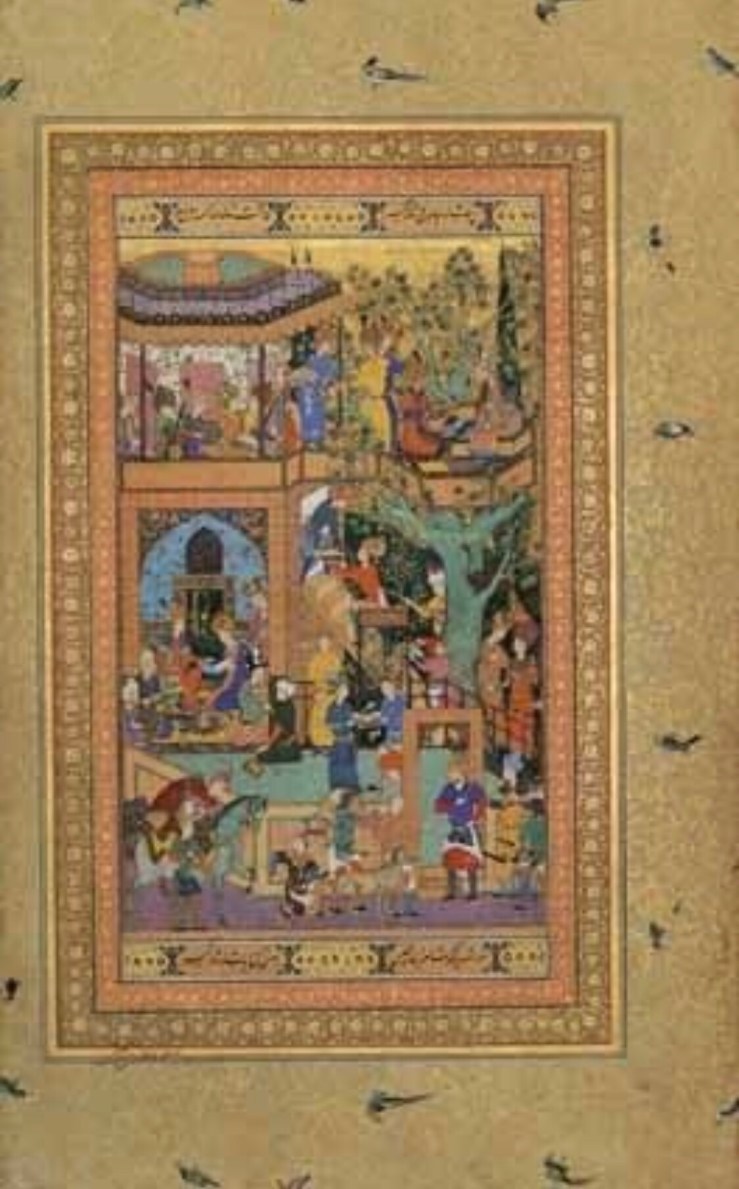
Akbar Presents a Painting to His Father Humayun. By ‘Abd al-Samad. Mughal, probably Kabul, c. 1550–1556. © Golestan Palace Library

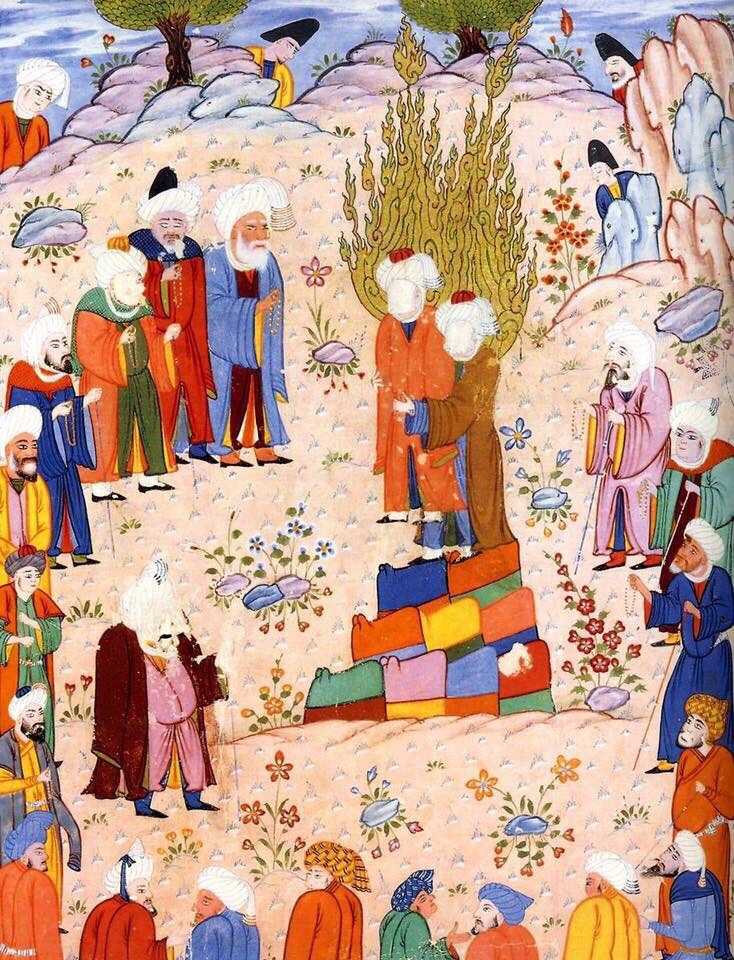
The Ghadīr Khutba of the Prophet and Declaration of Ali as his Successor, A Safavid miniature: 16th Century, Golestan Palace

Imam Ali Conquers Jinn Unknown artist Ahsan-ol-Kobār 1568 Golestan Palace


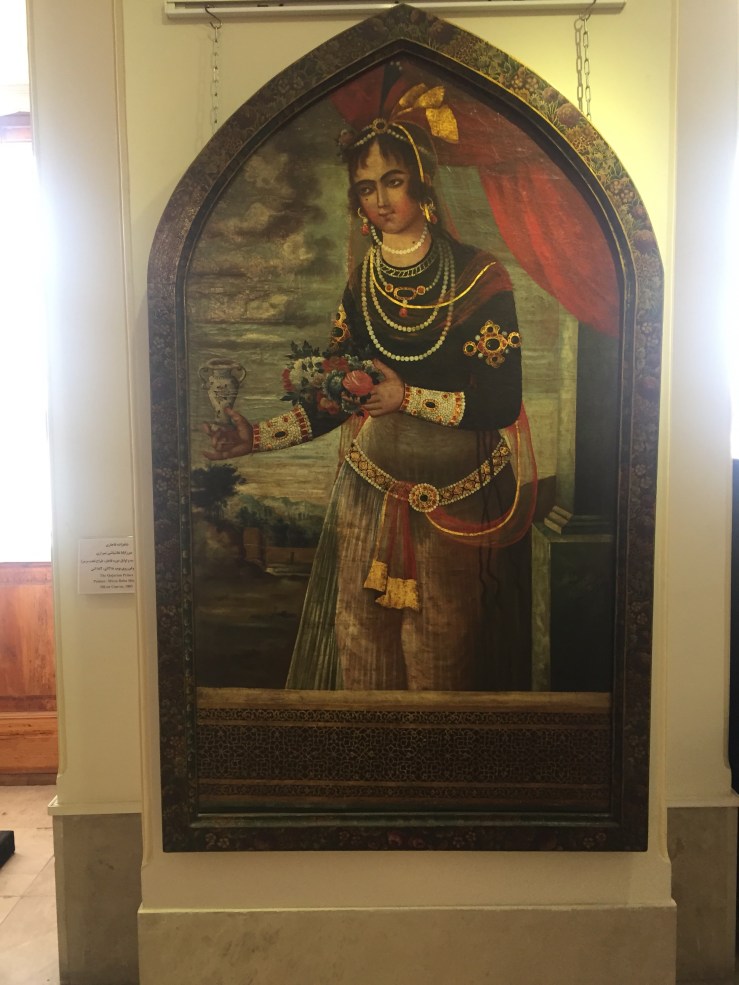
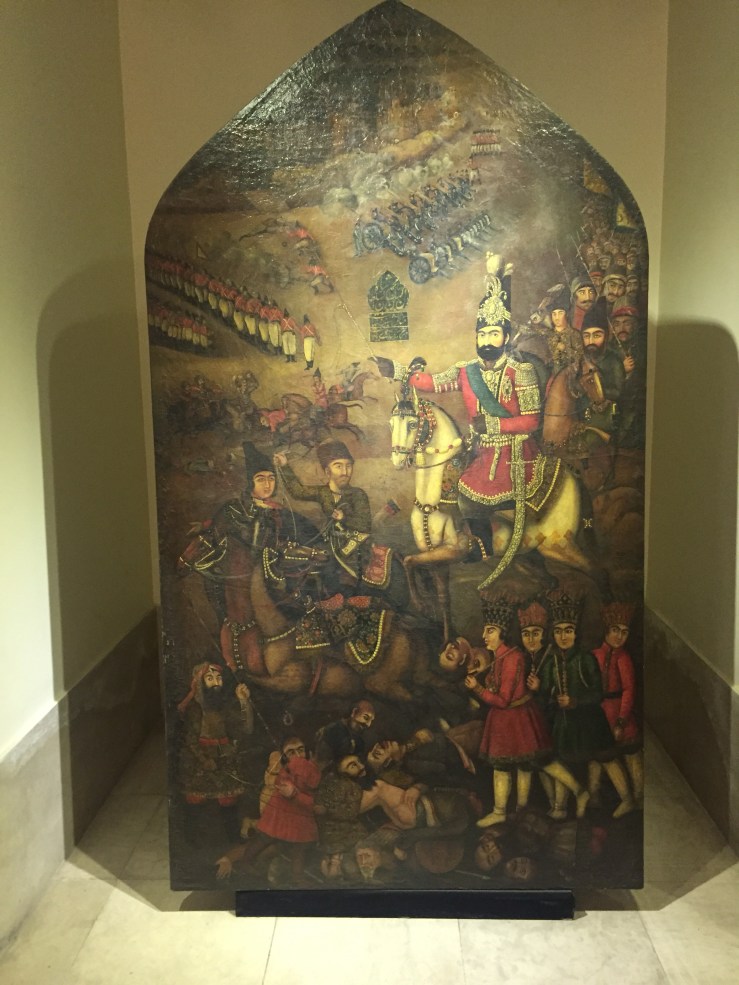
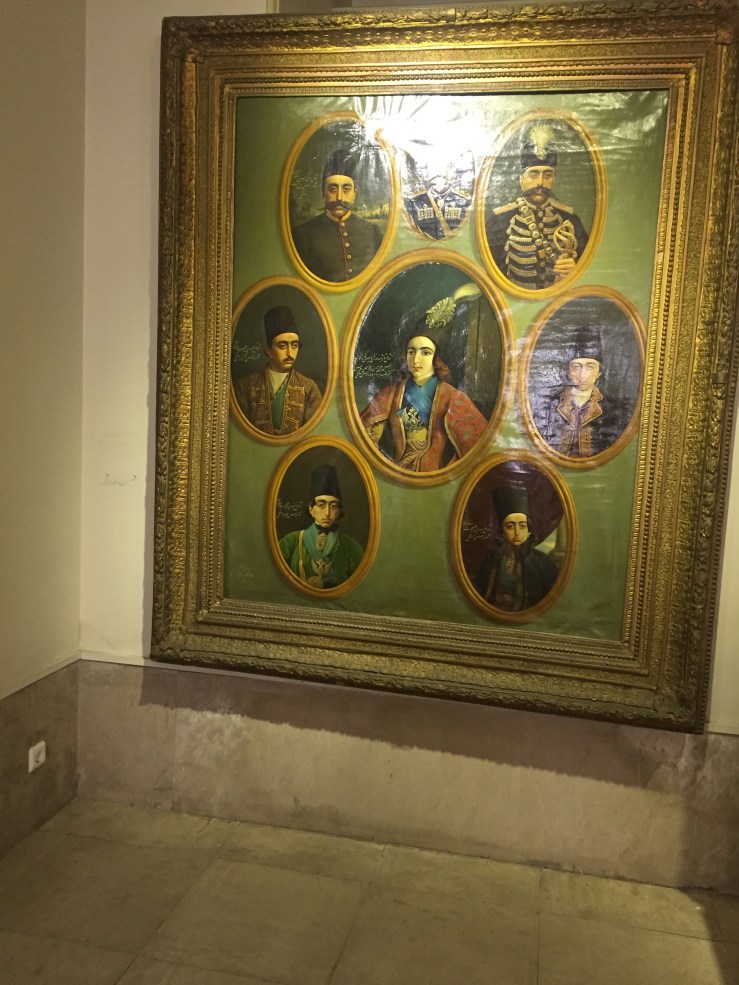
The museum also has a gallery which holds several paintings from the original Qājār collection (in particular paintings of the royal court), and a selection of European paintings which were mostly accumulated during Nāsiruddīn’s reign:

Photo Archives

The most user-friendly section of the Golestān holdings is the photo archives. There are approximately 9,000 photographs in these holdings, although only a fraction of these are readily available to researchers.

It is an impressive collection which is organized according to albums which were made by the Qājār court, and often, by Nāsiruddin Shah himself.

Many of the photographs give insight into the daily life of the residents of the court, including an incredible survey of haram photographs that depict the women who resided in the court, the many trips that the royal family took—most notably, Nāsiruddin’s infamous hunting trips—as well as portraits that depict the court hierarchy and the various characters within it. Quite a few of these photographs were taken by Nāsiruddin himself and have his hand-written notes permanently marked on them. The first page of each album also has information pertaining to its content including date, name of photographer, and basic description.

A few specimen examples are:

Some of the king’s wives with a cleric.

Mirza Reza Kermān who assassinated a king in 1899

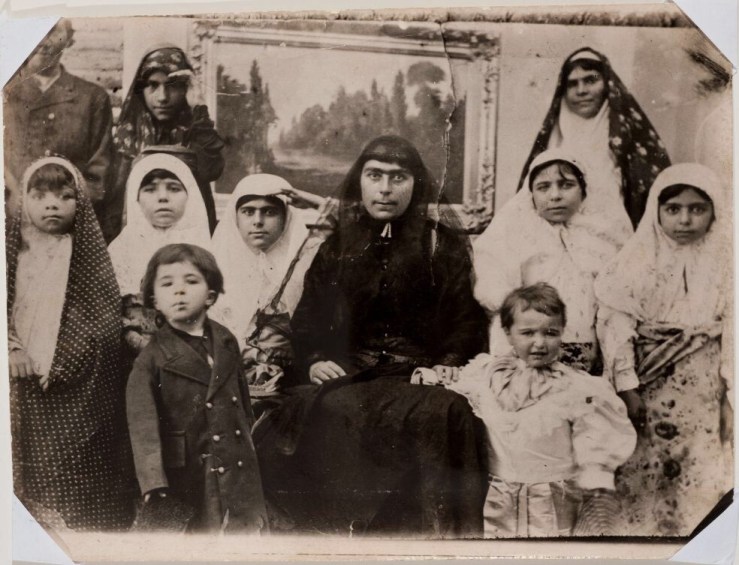
Women of a Qājār family

Anis al-Dawla, a wife of the shah, and her retinue, circa 1870-1880


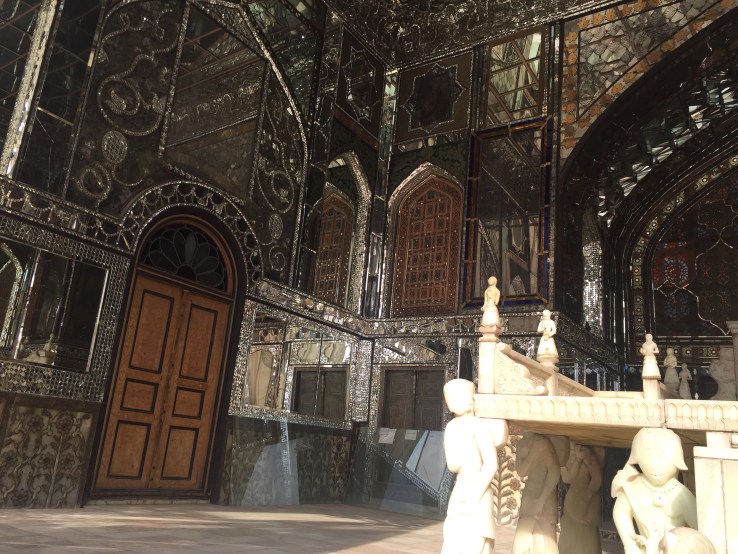
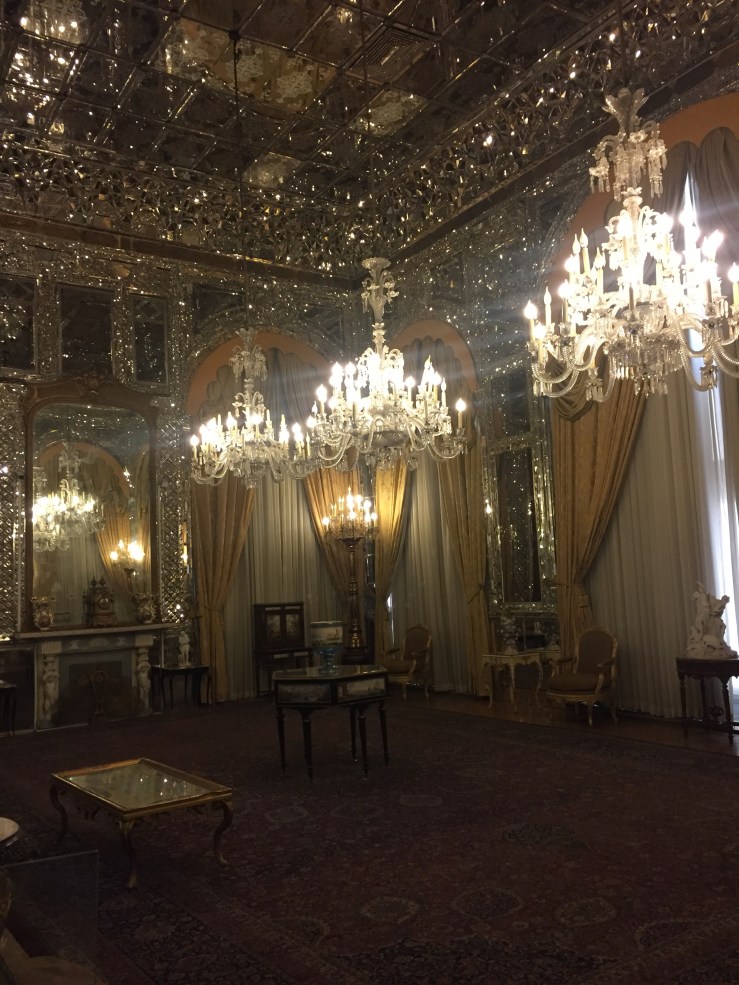
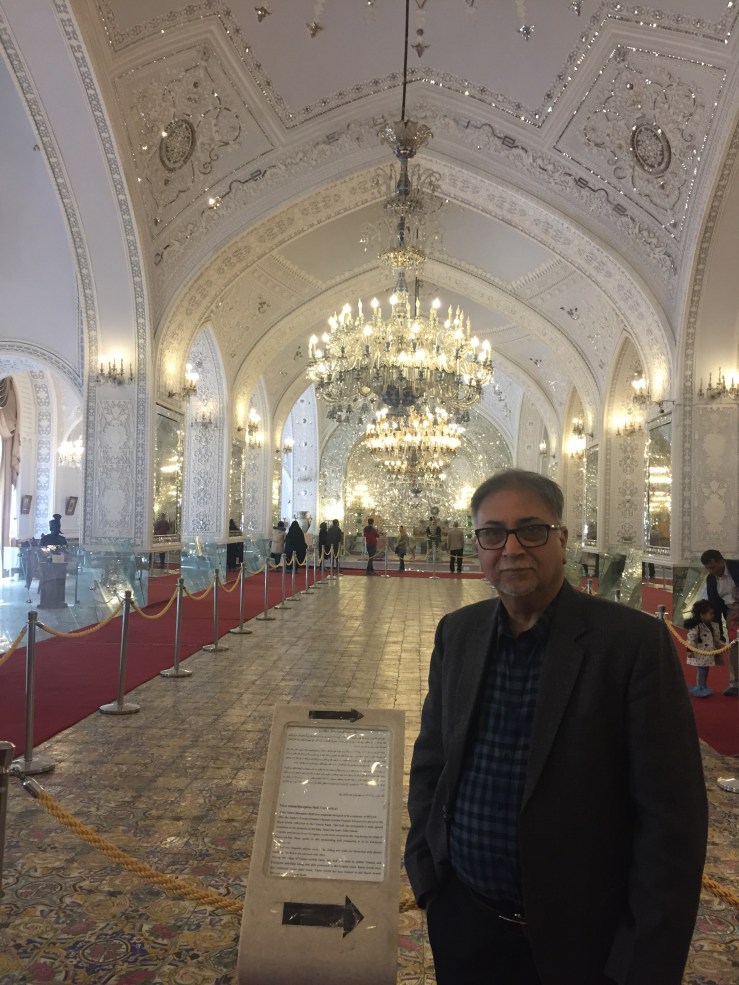
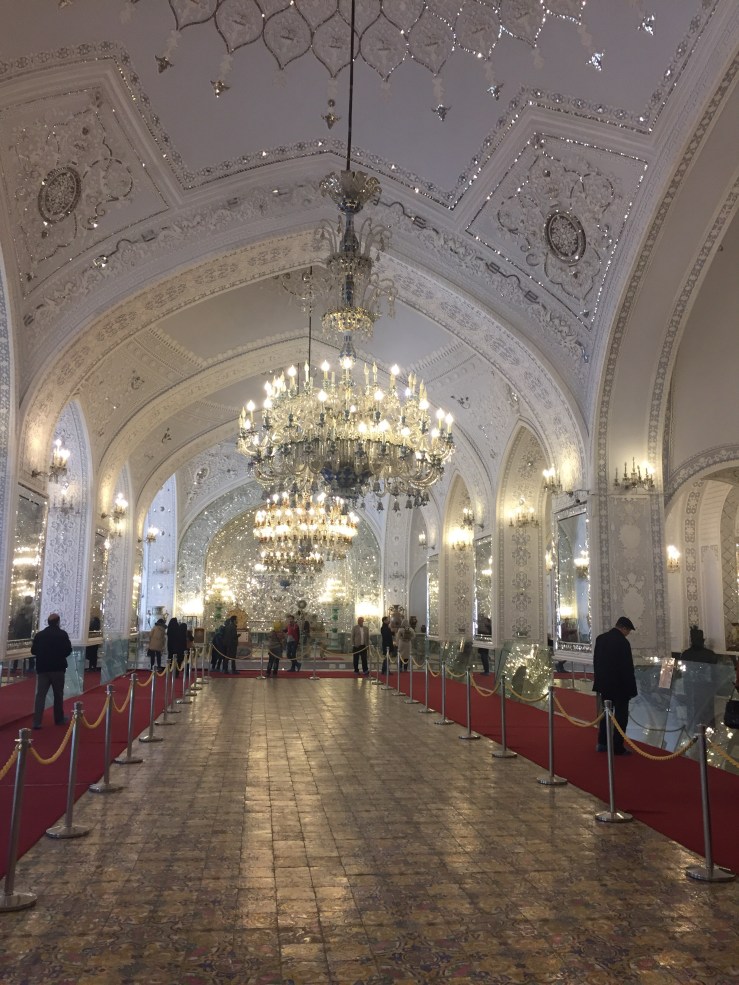
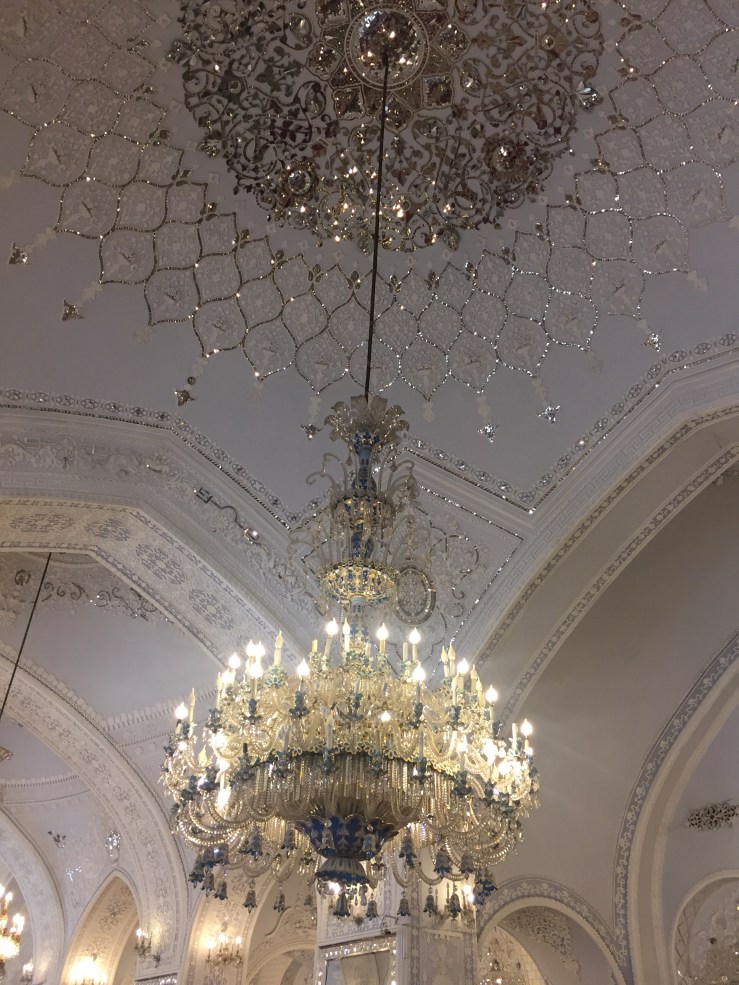
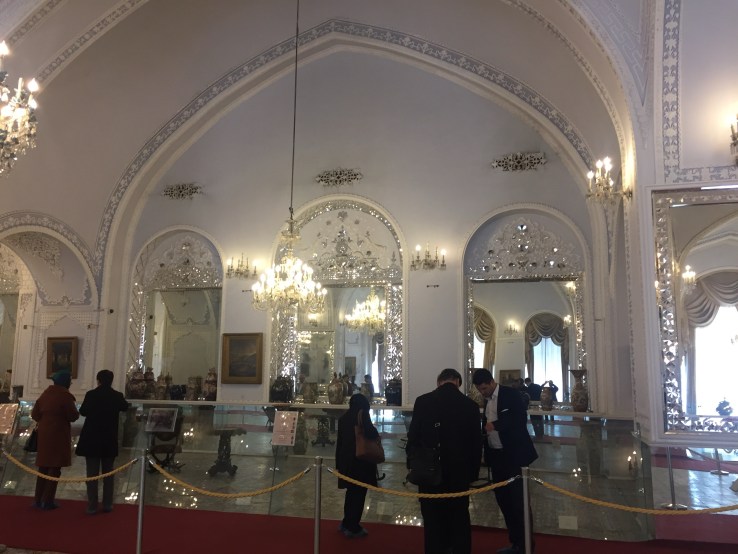
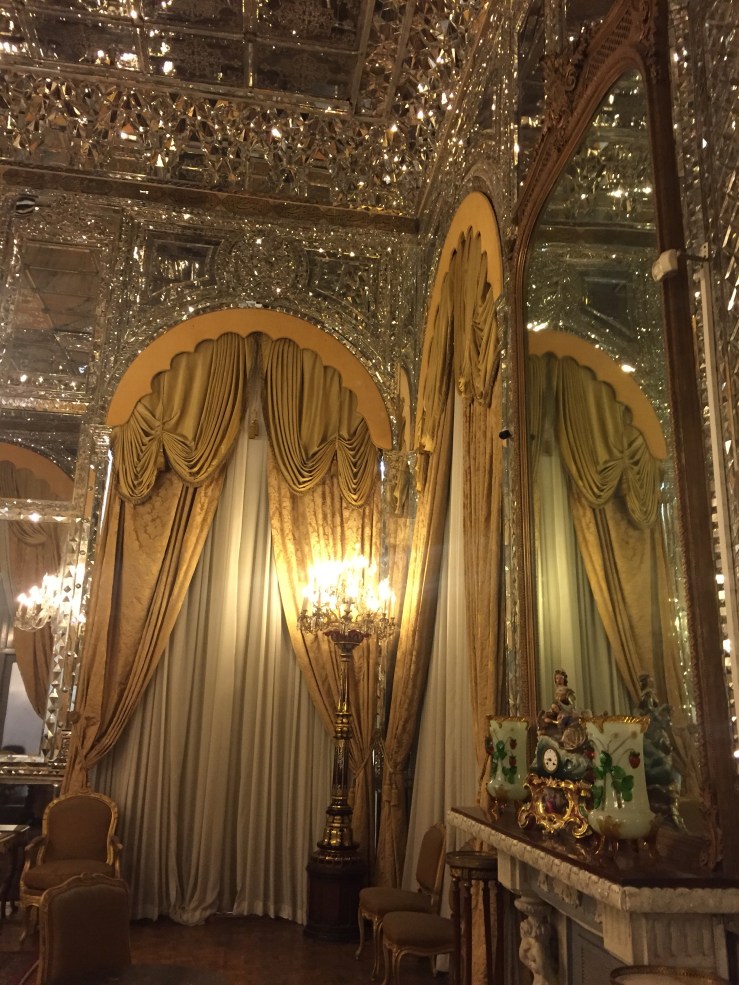
Mirror Hall (Tālār-i Āīneh)

This is the most famous of the halls of the Golestan Palace. This relatively small hall is famous for its extraordinary mirror work. The hall was designed by Haj Abd ol Hossein Memar Bashi (Sanie ol Molk). Yahya Khan (Mowtamed ol Molk), who was the Minister of Architecture, was a consultant for the designer.


Tālār-i Salām and Khalvat-i Karīmkhāni apart from the bādgīr are some of the other important structures in the palace complex.

Without doubt it was a wonderful experience for me to have visited this palace of the erstwhile kings of Iran! It was a day which I can not easily forget! There was much more than what I have recorded here. Hopefully I will revisit this site and see what I had missed this time!

I just want to mention one more fact: as you go in, or come out, you are greeted by a large portrait of Ayatollah Khomeini adorning a mosque constructed on the other side of the road just besides the entrance gate. He seems to look directly in your eye to remind you of the transient nature of this world: Today the world is free of Shahs and their opulence! What remains behind are the result of their deeds…

Sab thātt padā rah jāegā jab lād chalēgā banjārā!

[This blog is dedicated to Dr Ali Dehgahi, Cultural Councellor to India, Islamic Republic of Iran who facilitated my visit to Iran in January 2018]
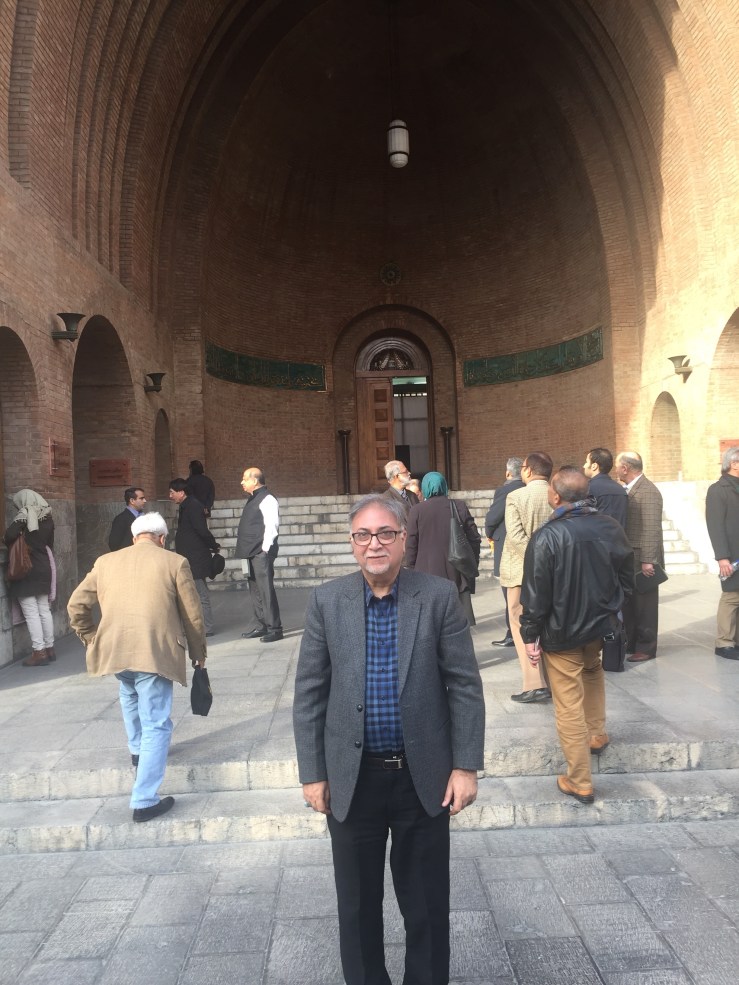
National Museum of Iran [Mūze-ye Milli-i Irān]

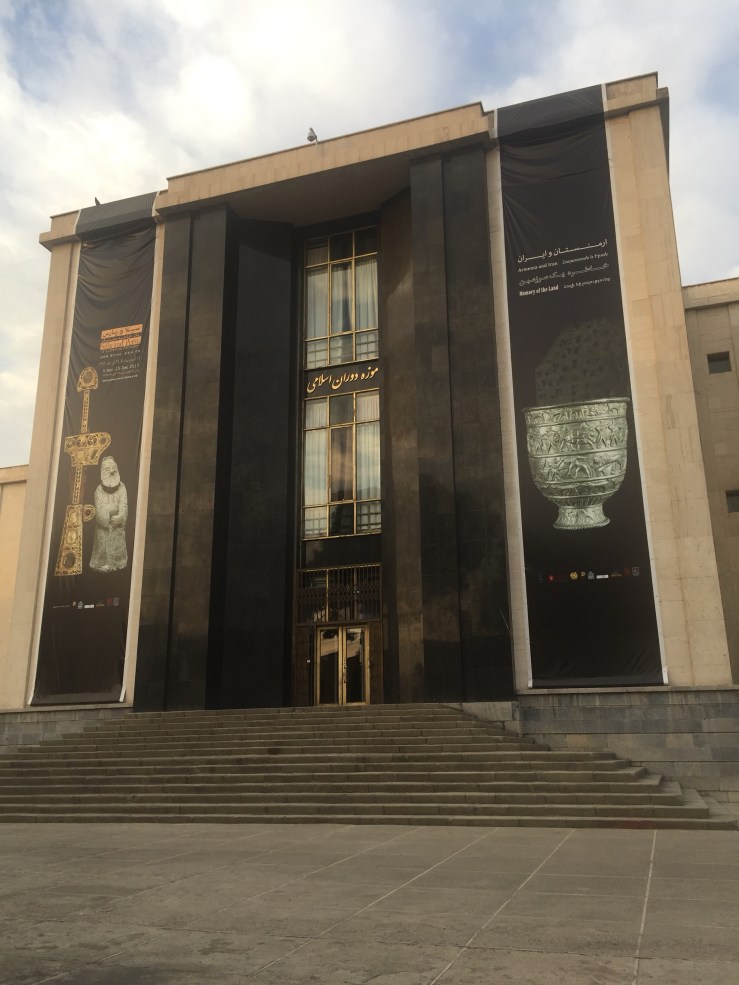
Many beautiful museums dot the Tehran landscape, of which the National Museum of Iran is the most prominent. It comprises of two distinct structures: a massive double storeyed Museum of Ancient Iran and the triple floored Museum of Islamic Era.

This January (2018) I had the good fortune to visit Iran and go to Teheran to attend a seminar. It was during this trip that I had the good fortune to visit these Museums. Situated on Emam Khomeini Avenue, in the famous Si-i Tir area of the capital, these museums are bound to influence the visitor by their upkeep and organisation. I had heard from a large number of people that Islamic Republic of Iran was neglecting the ancient and highlighting only the Safavid period. What I found was just the opposite! There is not only a multi-storied museum dedicated to the pre-Islamic period, but that even in the Museum of Islamic period, there was no special emphasis on the Safavid past. However what disturbed me was that the Pahlavi period was totally unrepresented!

Museum of Ancient Iran

Museum of Ancient Iran is housed in structure inspired by Sassanian vaults, especially Tāq-i Kisra of Ctesiphon.

Its halls contain artifacts and fossils from the Lower, Middle, and Upper Paleolithic, as well as the Neolithic, Chalcolithic, early and late Bronze Age, and Iron Ages I-III, through the Median, Achaemenid, Seleucid, Parthian, and Sassanian eras.

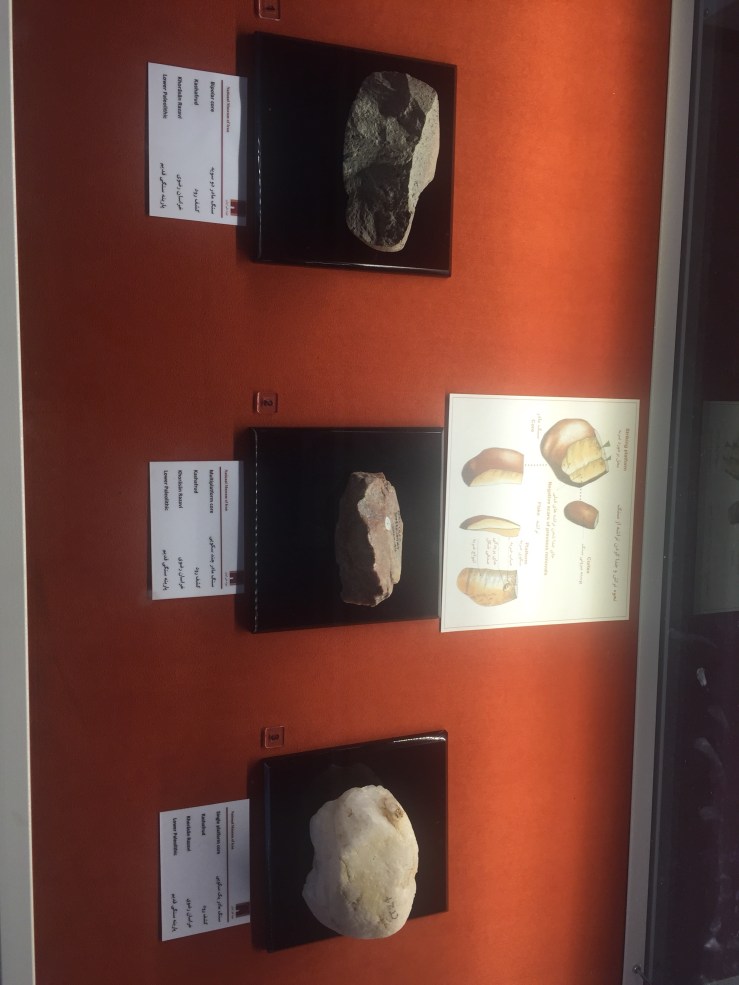
The oldest artifacts kept at the museum are from Kashafrud, Darband, and Ganj Par, which date back to the Lower Paleolithic period. Mousterian stone tools made by Neanderthals are also on display at the first hall of the Museum of Ancient Iran. The most important Upper Paleolithic tools are from Yafteh, dating back about 30,000 to 35,000 years. There are also 9,000-year-old human and animal figurines from Sarab Hill in Kermanshah, among many other ancient artifacts.

Museum of the Islamic Era [Mūze-i Daurān-e Islāmī]

Adjacent to the Museum of Ancient Iran is the building housing the artefacts of the Islamic period. This Museum built in 1972 consists of three floors.

It contains various pieces of pottery, textiles, texts, artworks, astrolabes, and adobe calligraphy, from Iran’s post-classical era. It contains material remains from early Islamic period, specially from the 17th Century onwards.

Apart from Safavid period, the Qachar period is well represented. The Pahlavi artefacts are conspicuously elusive! So is the case of any artefacts related with Iran’s relations with the Mughal of India!

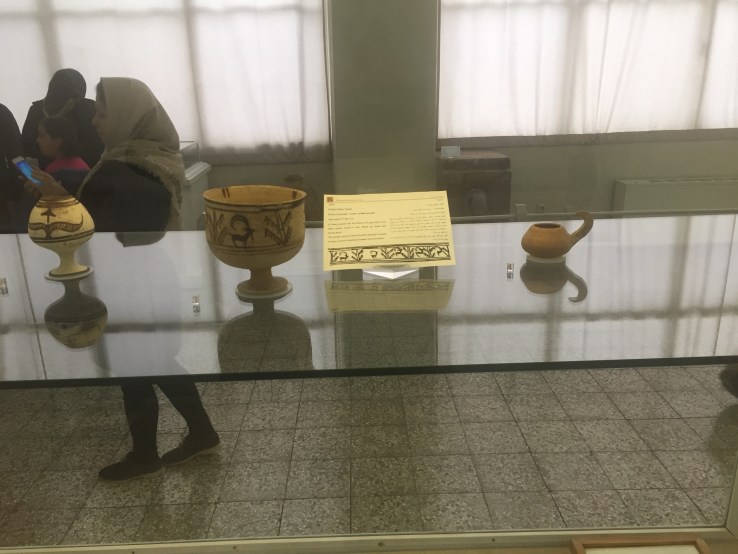
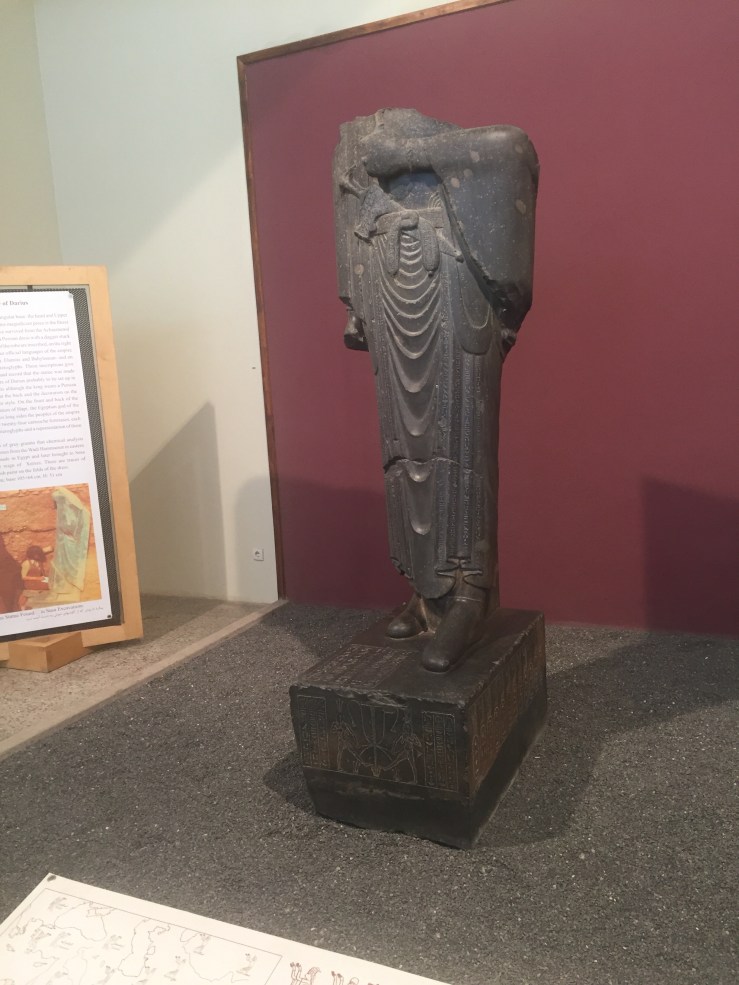
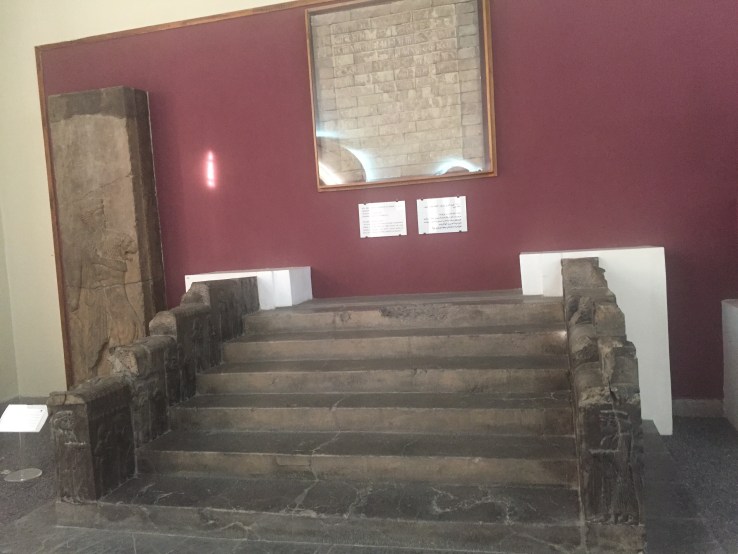
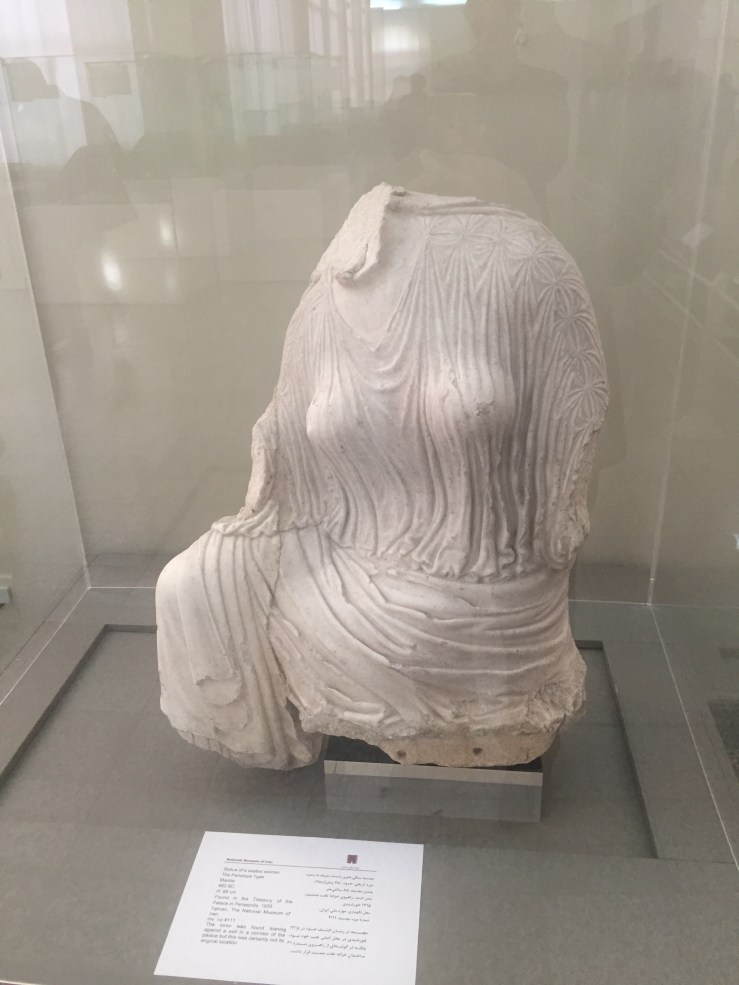
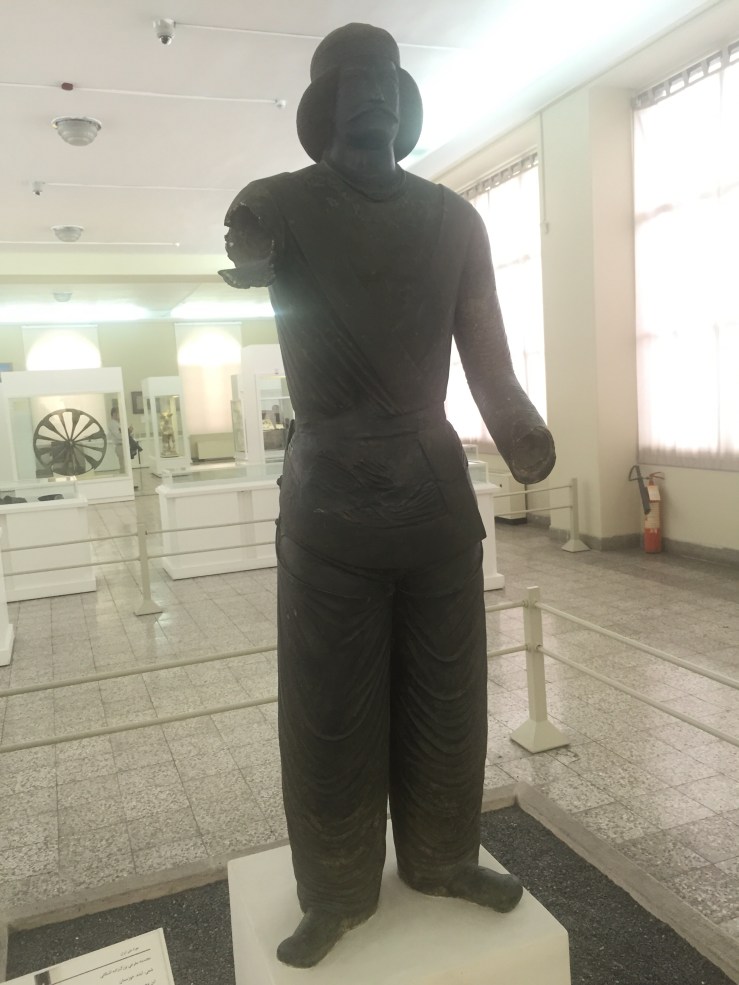
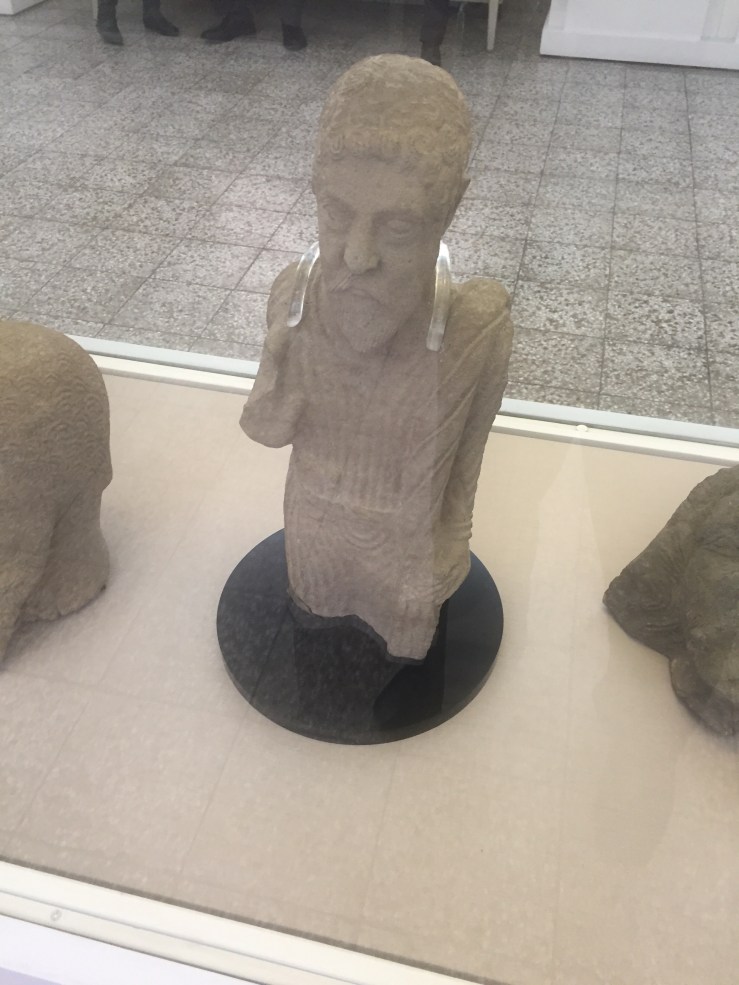
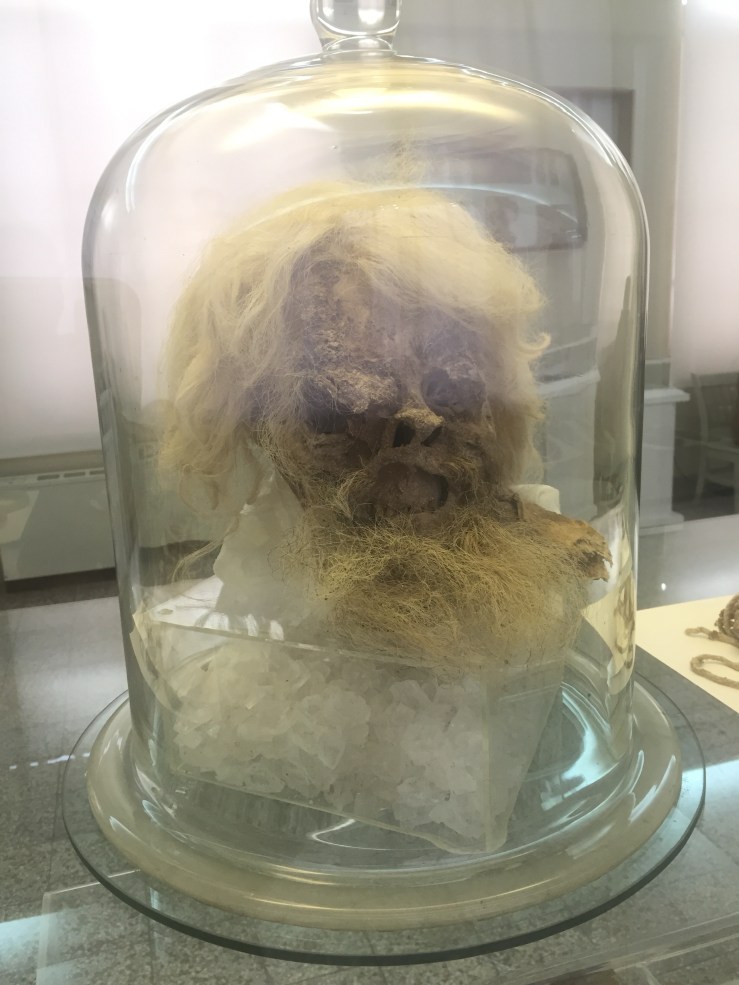
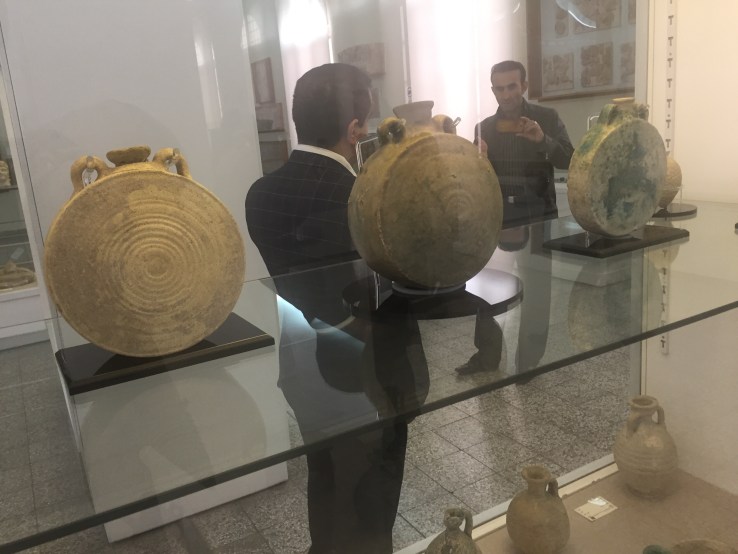
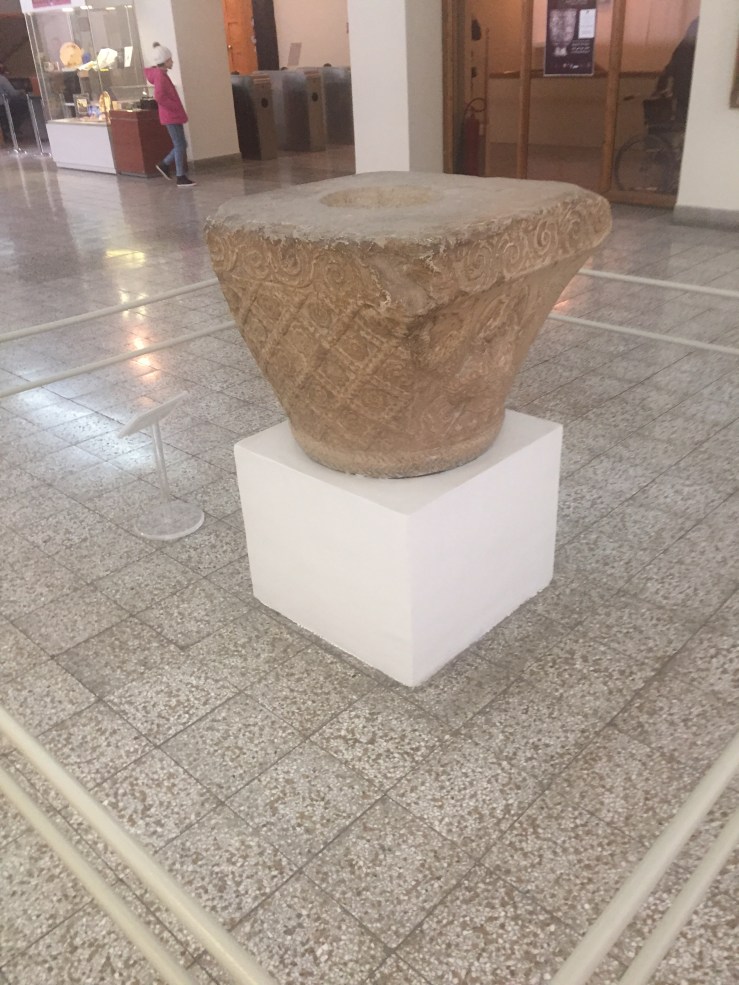
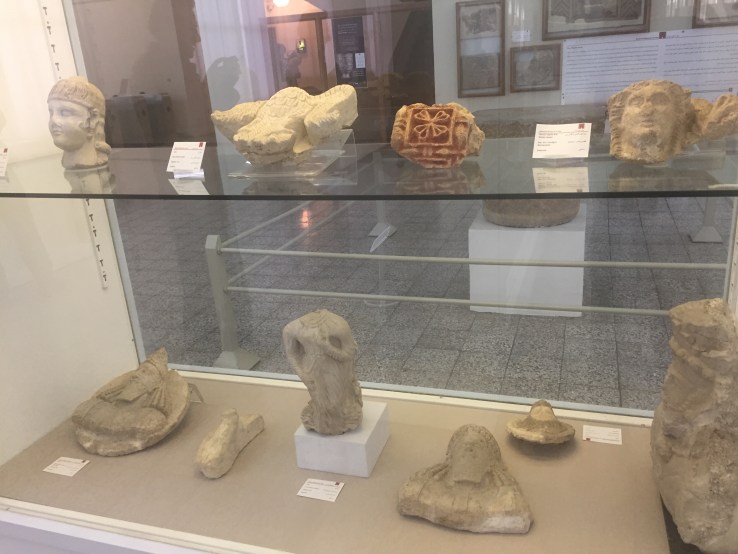
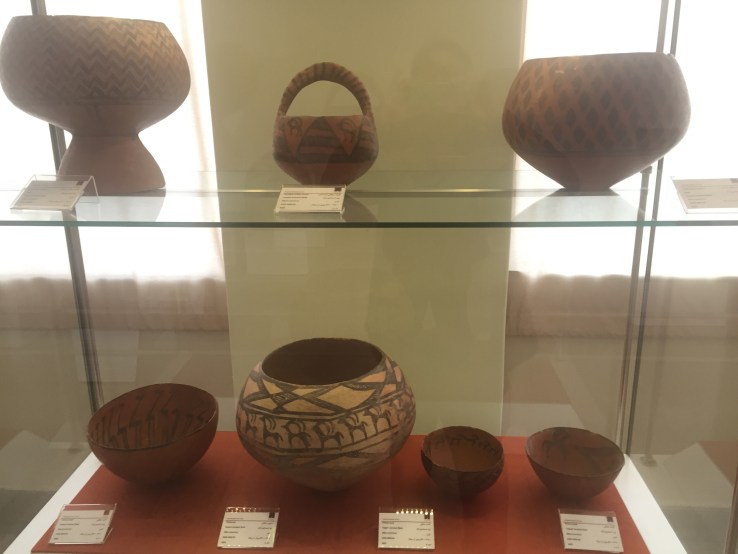
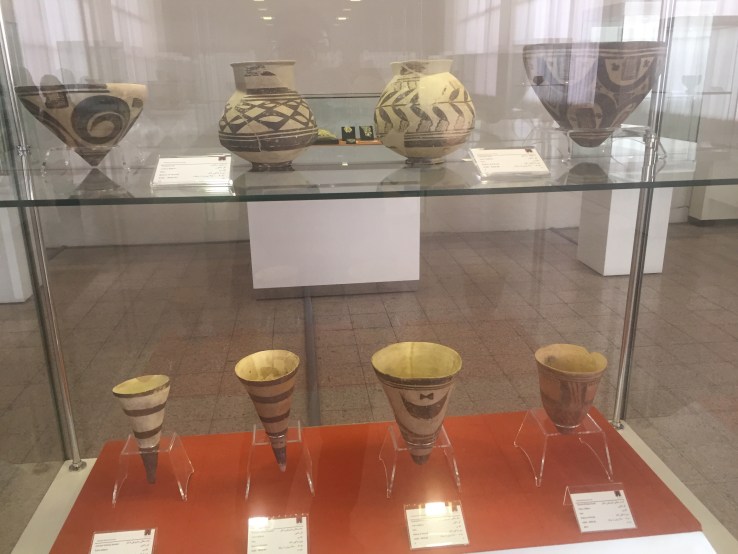
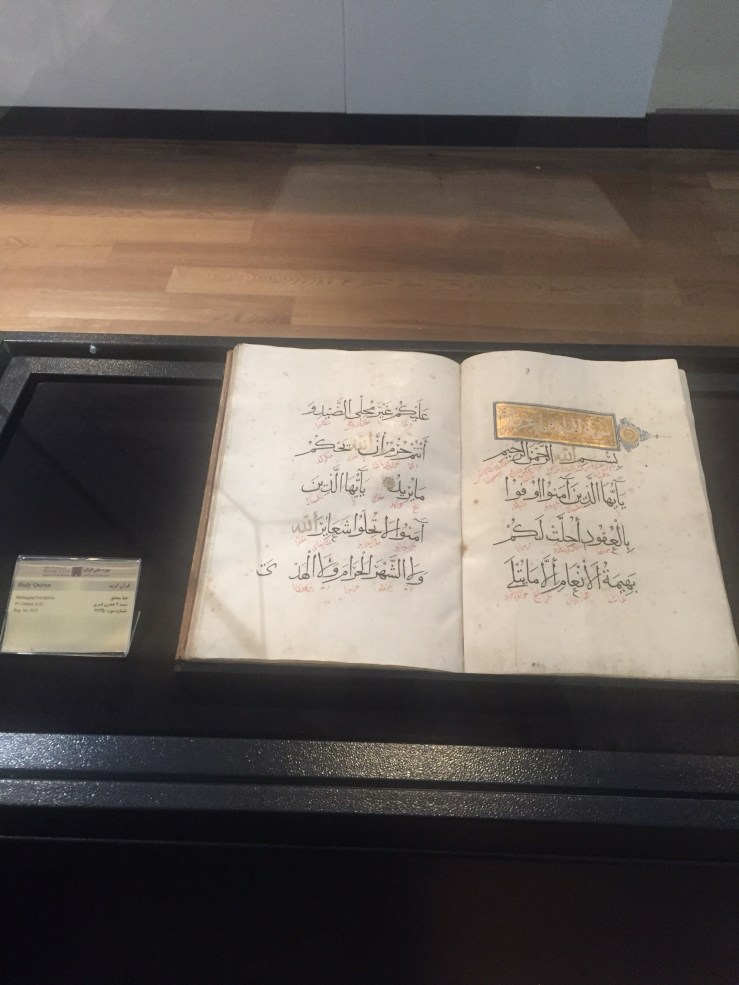
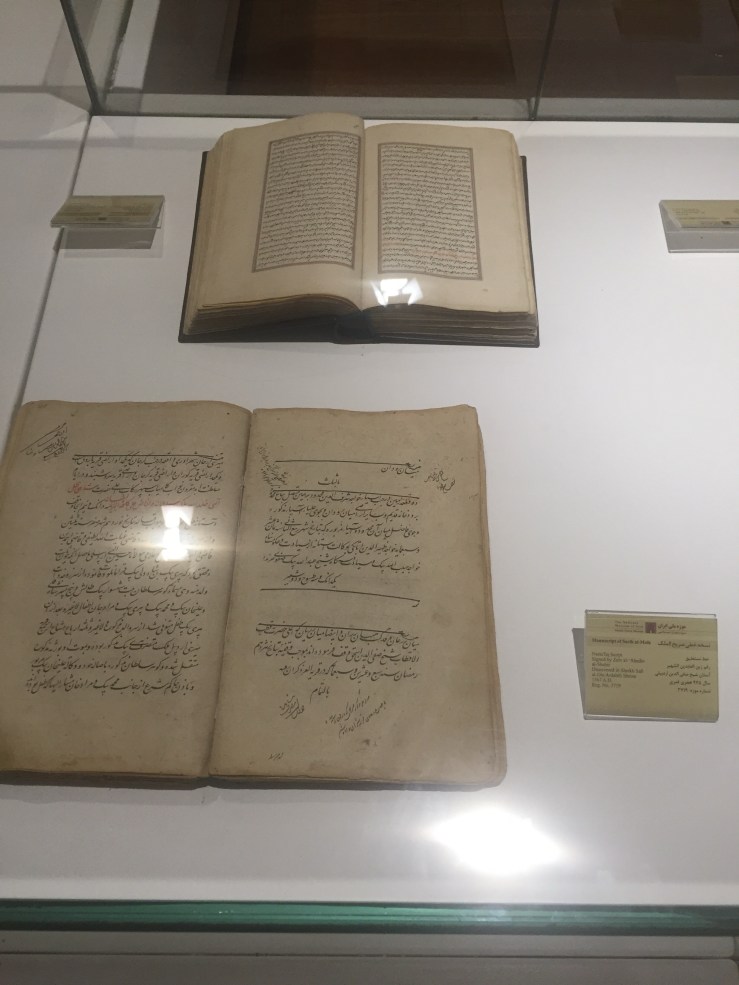
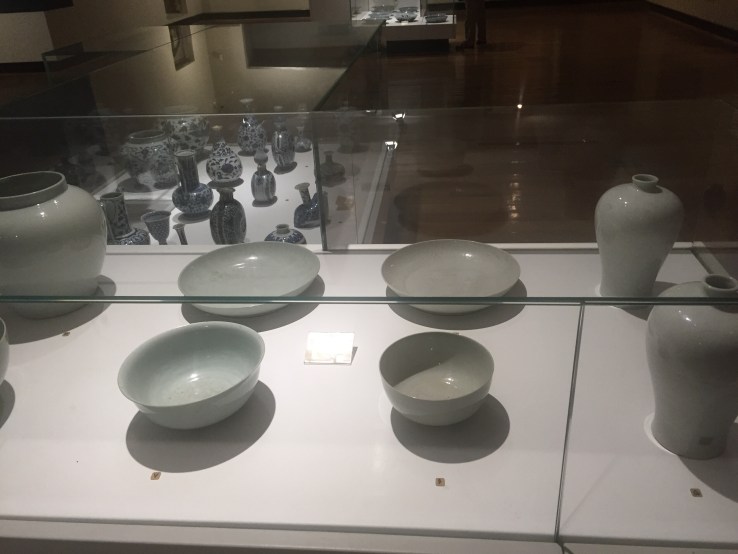
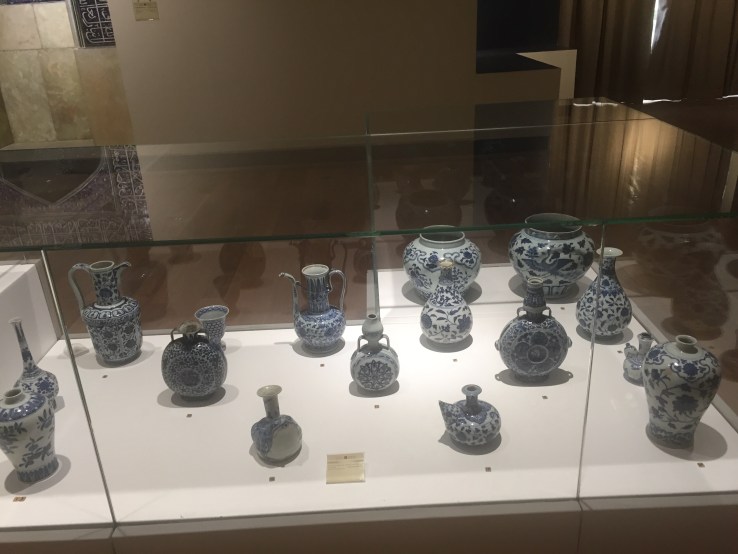
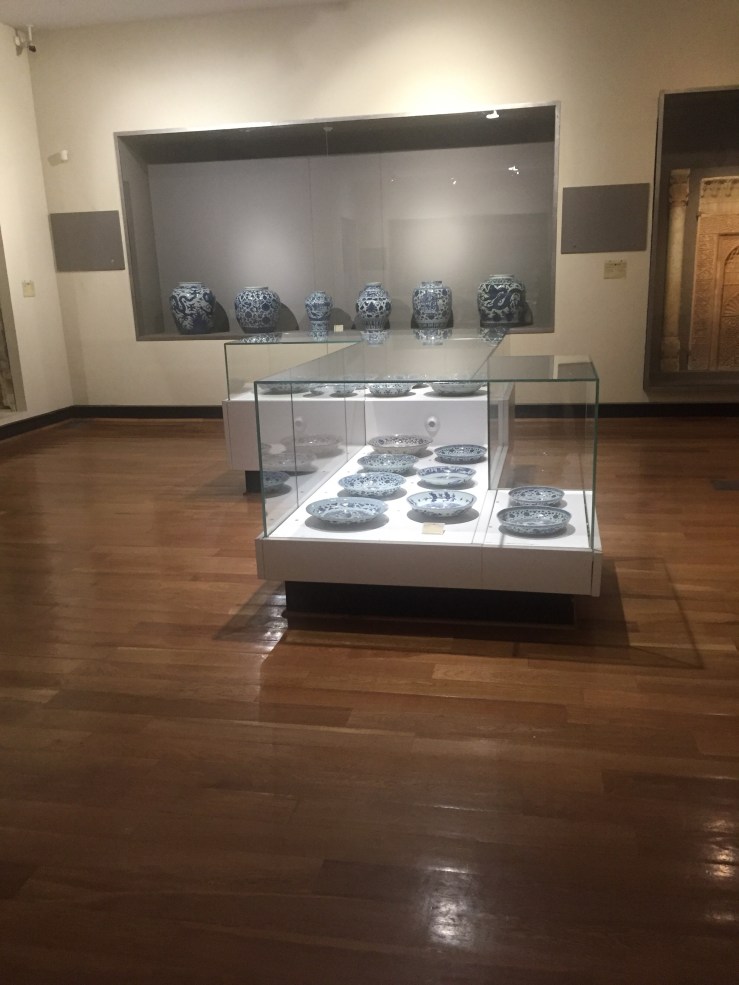
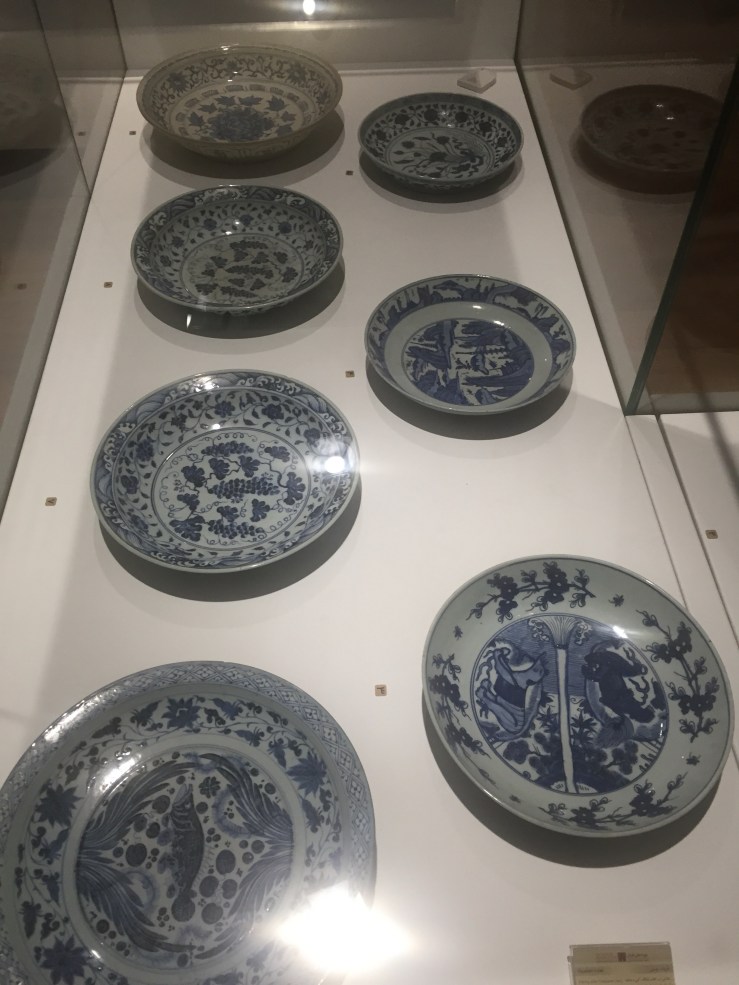
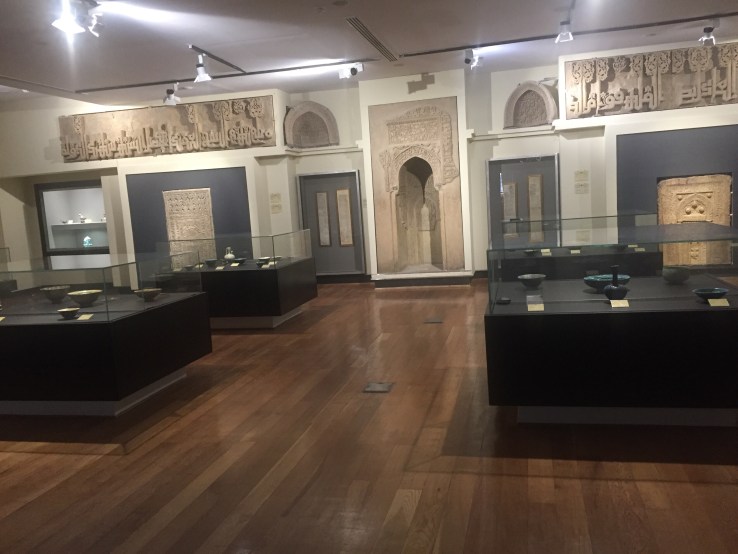
Here are some random representative artefacts displayed in these two museums:

Exhibits in the Museum of Ancient Iran:

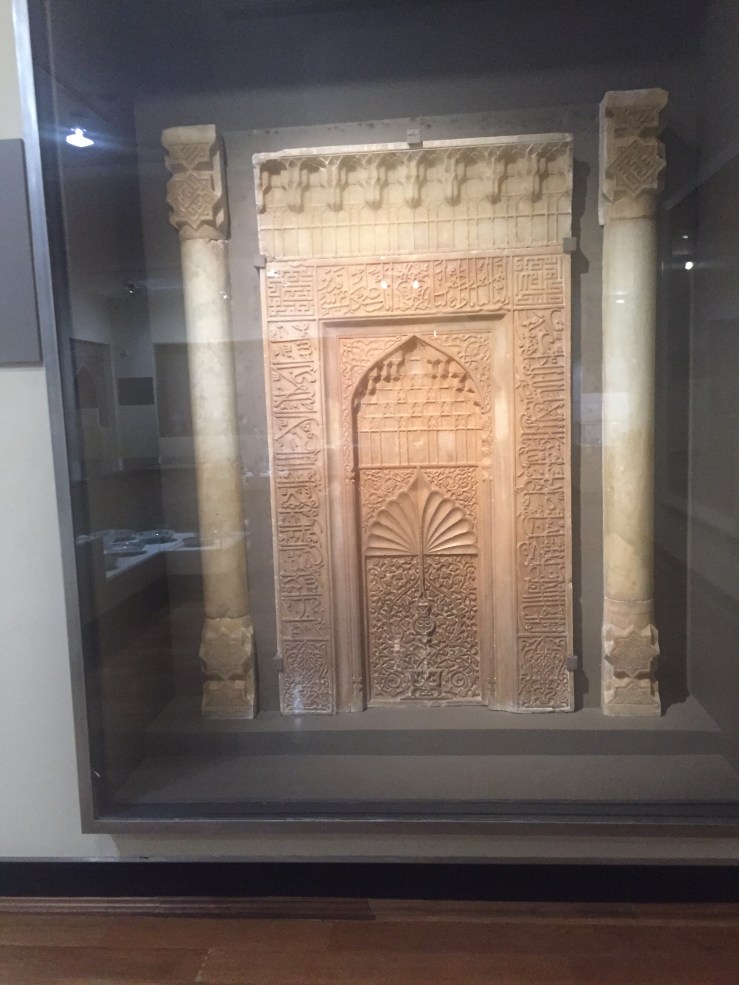
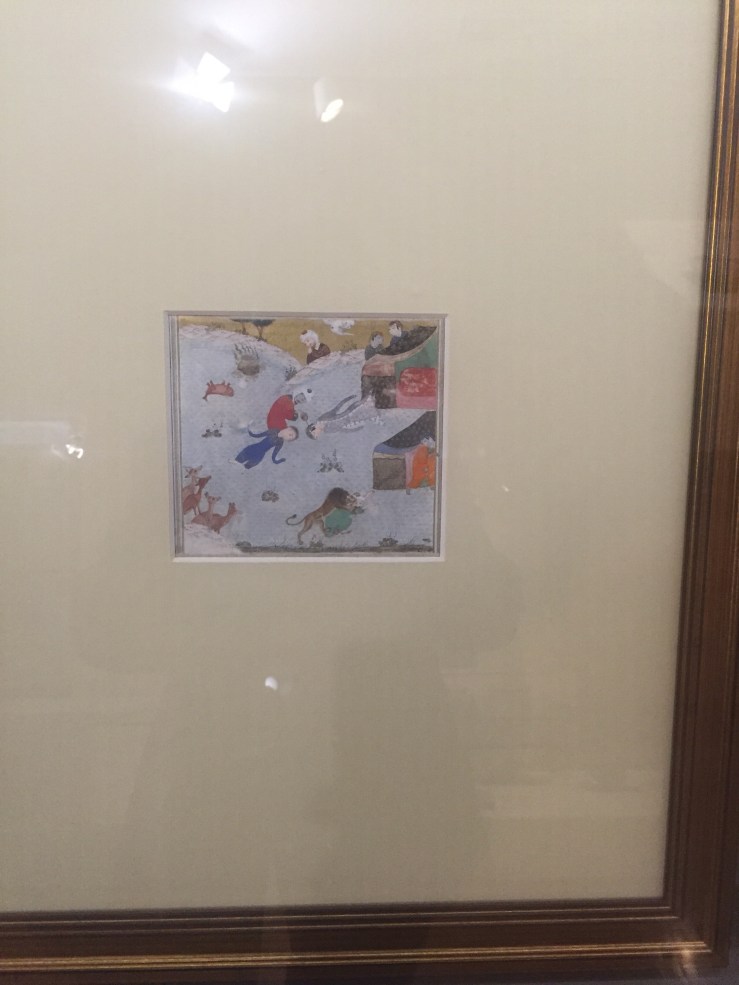
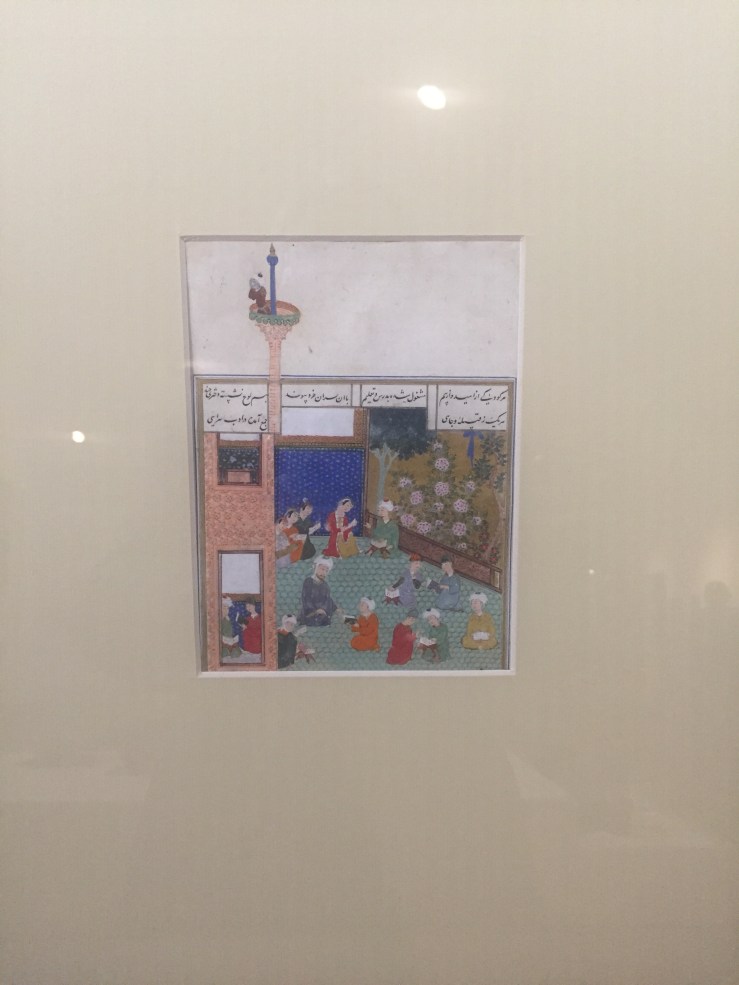
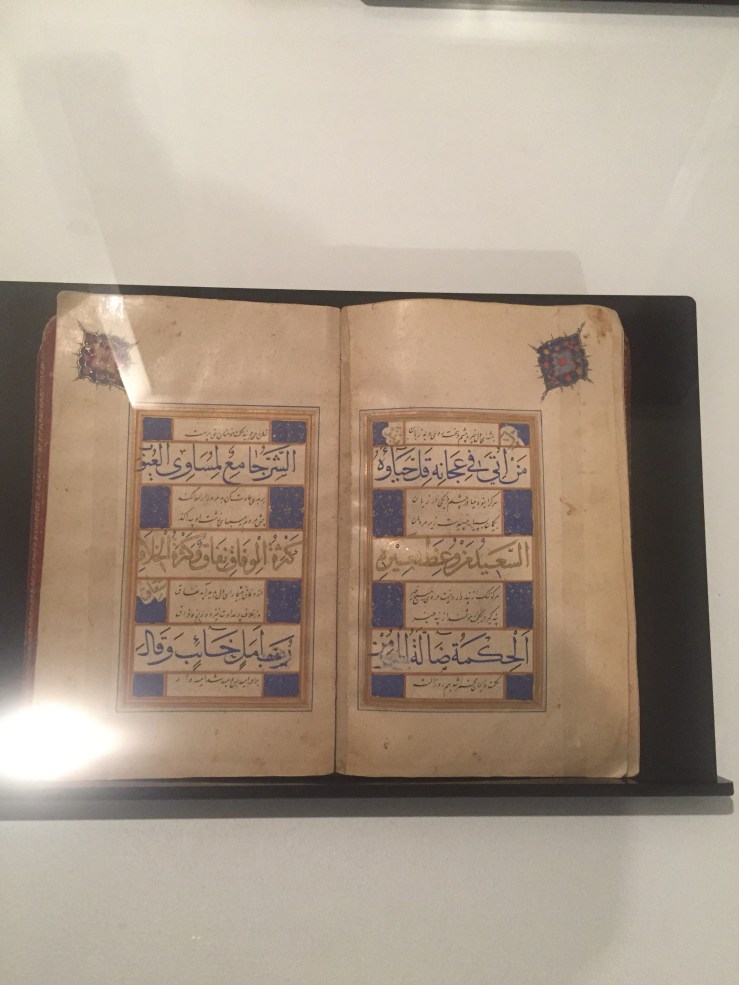
Specimen Exhibits in the Museum of Islamic Past:

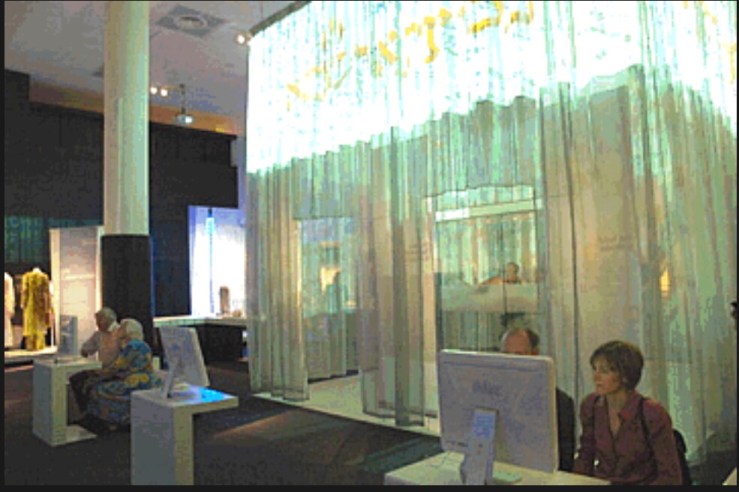
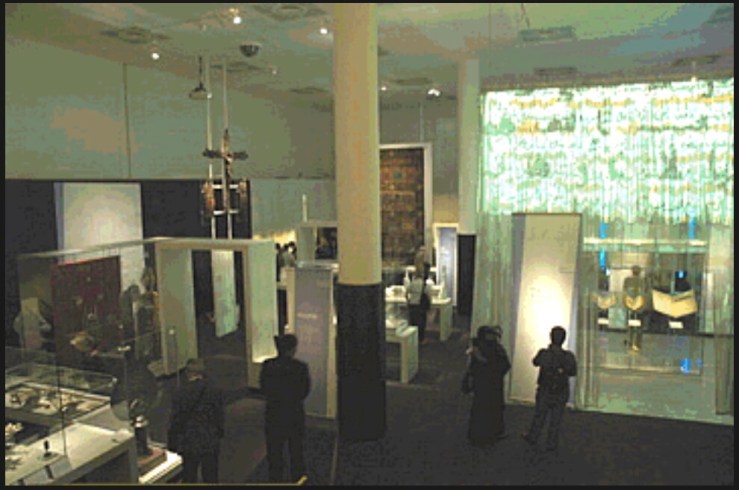
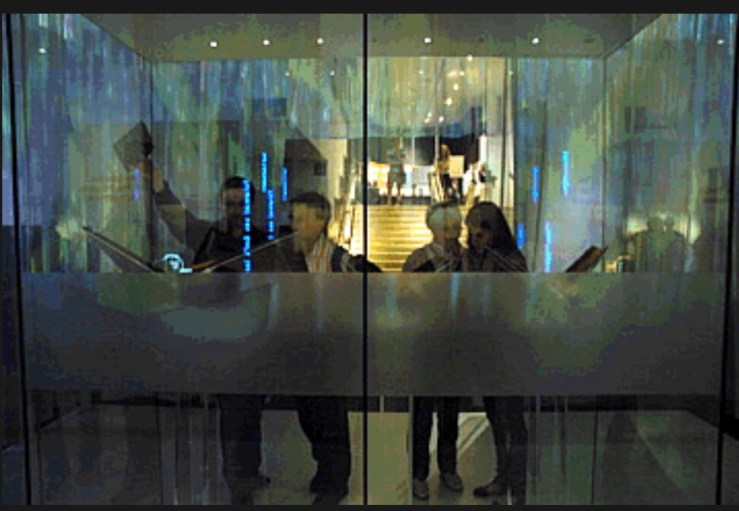
British Library’s The Sacred Exhibition, 27 Apr–23 Sep 2007

I had reach London as a Charles Wallace Fellow India at School of Oriental and African Studies (SOAS) on 1st of March and since day one was looking forward to see the Exhibition, The Sacred, which was scheduled to start at British Library in late April 2007.

It was but natural that as I was already working at both the libraries, the library of SOAS and the British Library on the Euston Road, I would rush there immediately as it commenced. I must say that from 28th April (a day after the inaugural) I would off and on visit the gallery. Sometimes soon after depositing my bags and overcoat in the cloakroom, I would first visit the exhibition and look at the manuscripts and other artefacts displayed as if I was seeing them for the first time! What gave me satisfaction was that being a registered member of the BL, the exhibition was free for me to visit any number of times!

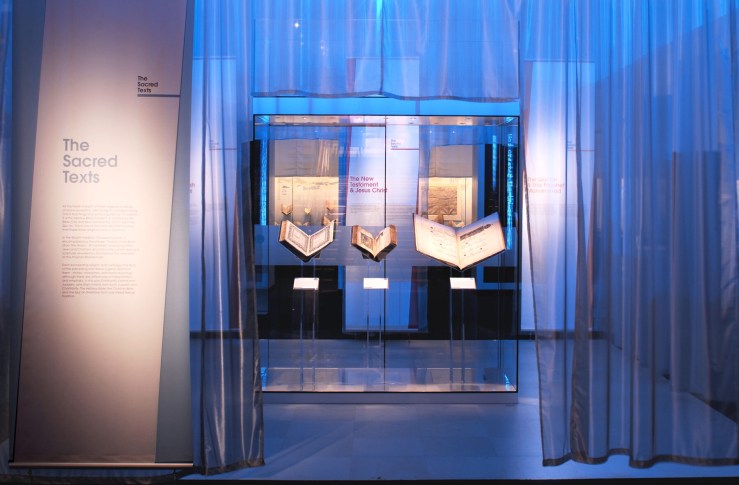
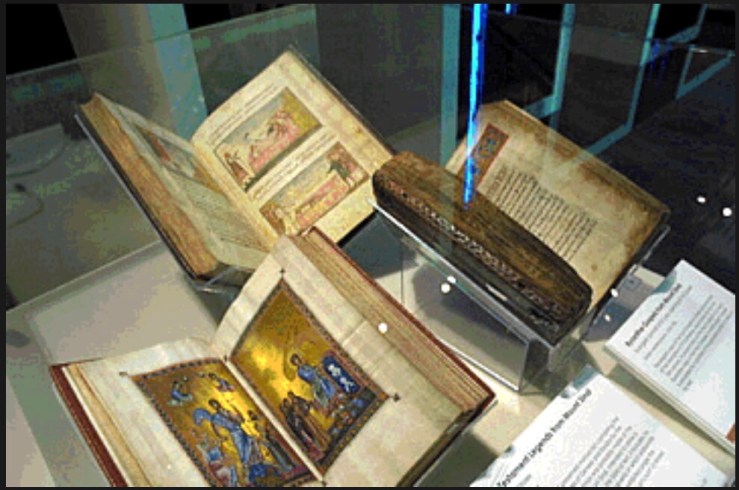
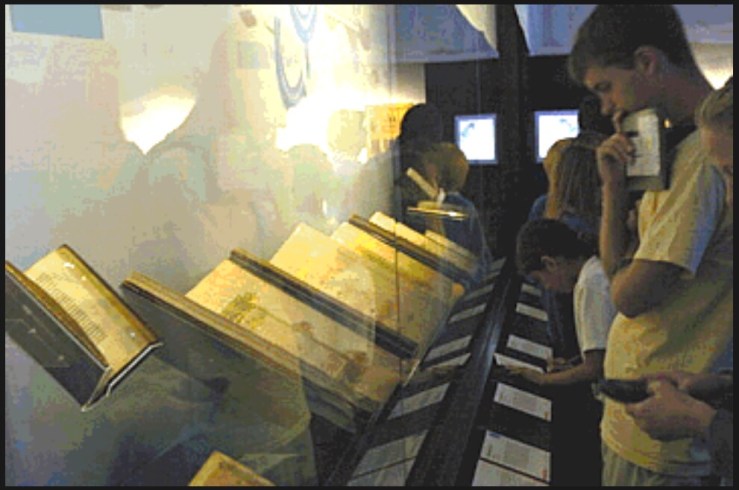
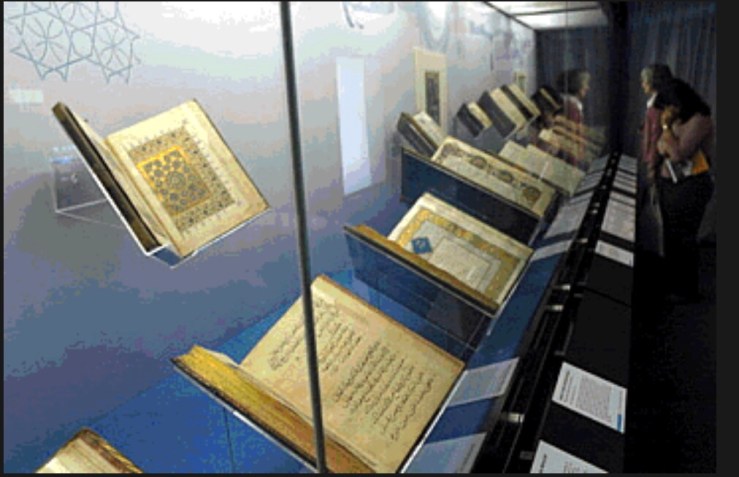
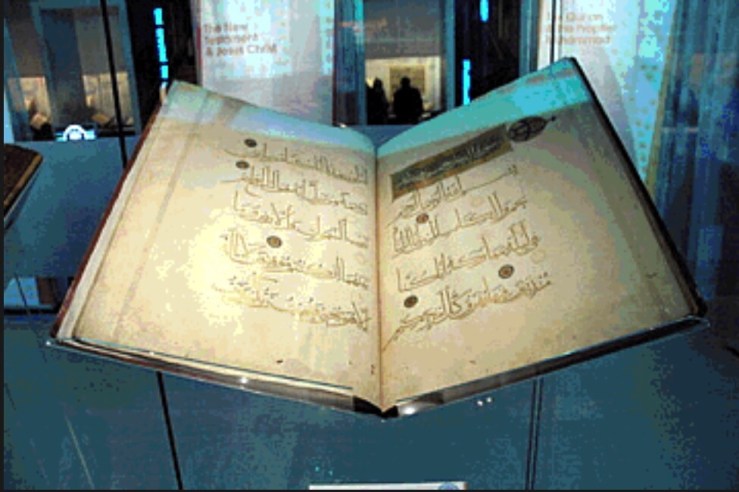
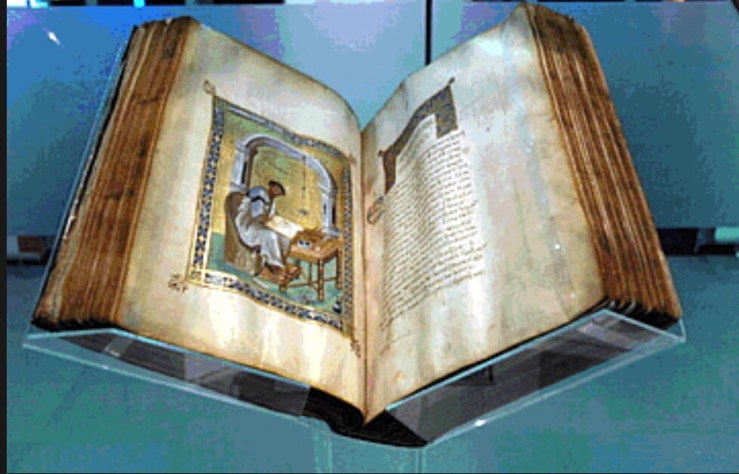
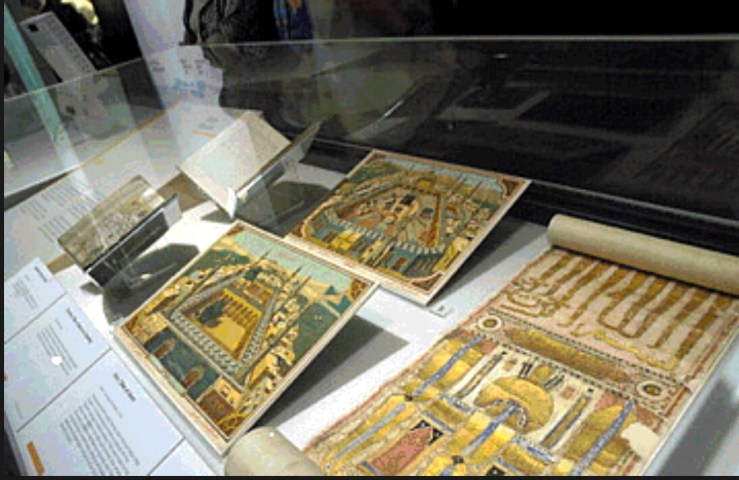
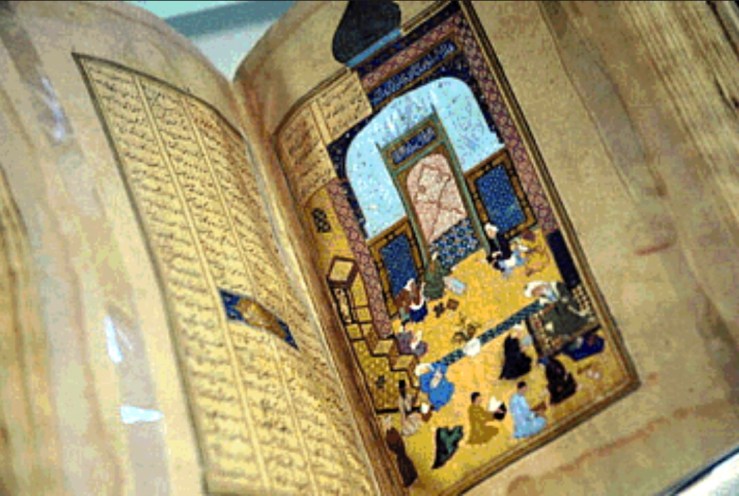
The British Library’s acclaimed “Sacred” exhibition brought together, for the first time, exquisite and very rare Jewish, Christian and Islamic texts, presenting them alongside one another to show the extraordinary shared heritage of the Abrahamic faiths.

Nikahnama of Bahadur Shah II

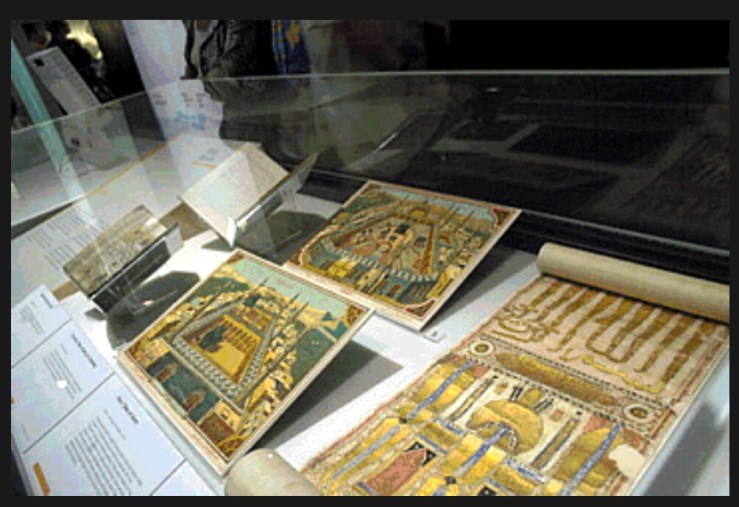
This lavish certificate (See last photograph above) records the marriage of the last Mughal ruler, Bahadur Shah II (r. 1837-57) to Zeenat Mahal Begum in India on 18 November 1840.

This document also known as kābīnnāma (marriage contract) opens with the religious wording in Arabic traditionally associated with marriage. It records that the marriage was legally performed, openly, with the consent of the bride and bridegroom.

It also states that the bridegroom agreed to pay a kabin (jointure or settlement) of 1,500,000 current rupees, of which one-third is to be paid immediately and two-thirds at any time during their married life, and that the marriage took place in the presence of two free, adult and righteous witnesses.

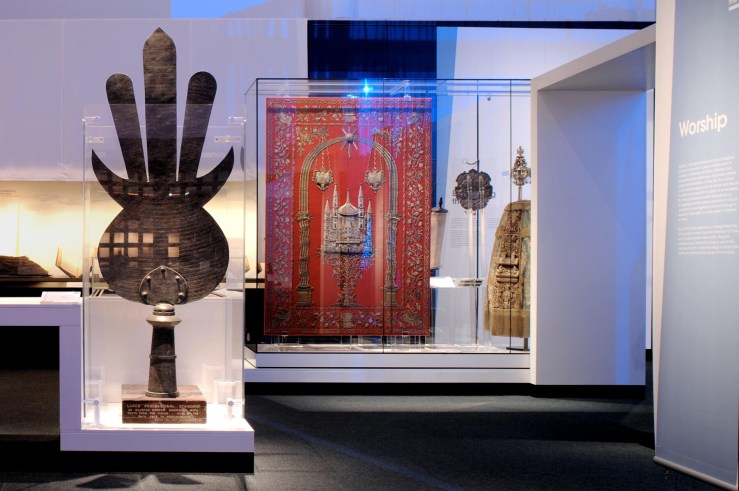
Personally for me the star attractions in this exhibition were the nikāhnāma of Bahādurshāh Zafar, and an ‘alam a palm hand symbol, from Iran signifying the panjatan, the Pious Five of Islam, a symbol used throughout the Shi’i world to commemorate Imam Husain.

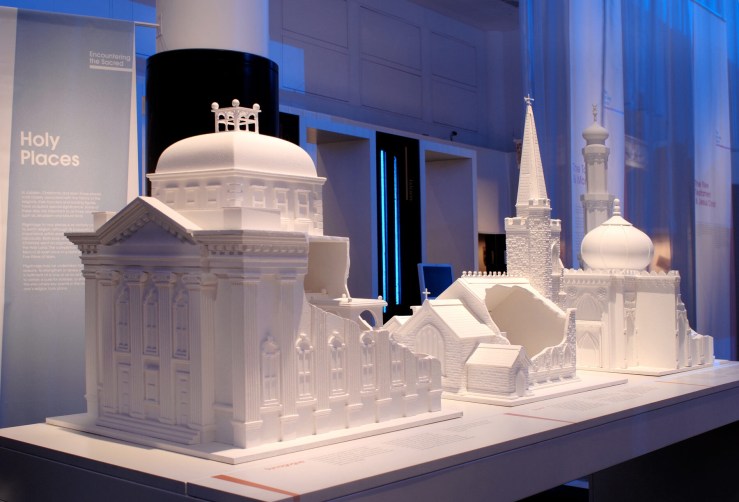
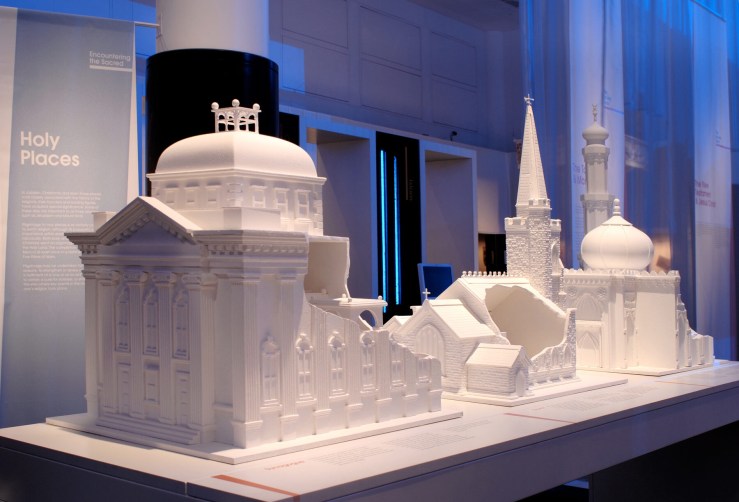
Another exhibit which interested me a lot was a model of a typical European mosque. The model tried to show the various influences which went into giving a typical form to a mosque amidst the Christian world.

This exhibition proved to be the most successful exhibition in the history of the British Library, both in terms of visitors, and of the overwhelmingly positive reaction from press and public alike.

It attracted, according to the BL website, over 200,000 visitors, an average of 1,325 each day, more than any other exhibition in the history of the Library.

On Monday 7th May 2007 was held The Sacred Ways, a day long programme of music and dance related to Judaism, Christianity and Islam.

Despite it being a Holiday and a chilly day of downpour, 3,000 people came along to enjoy Sacred Ways, in the British Library piazza. Most of those who attended took the chance to visit the Sacred Exhibition itself, which saw its biggest queues since the exhibition started on 27 April.

The Piazza of the British Library was transformed, with a programme of outdoor performances, workshops, food, crafts, installations and displays. The best hot steaming samosas which I ever had in my life was there as the rain fell!

The performances this day reflected on sacred places, journeys and traditions associated with the Jewish, Christian and Islamic faiths.

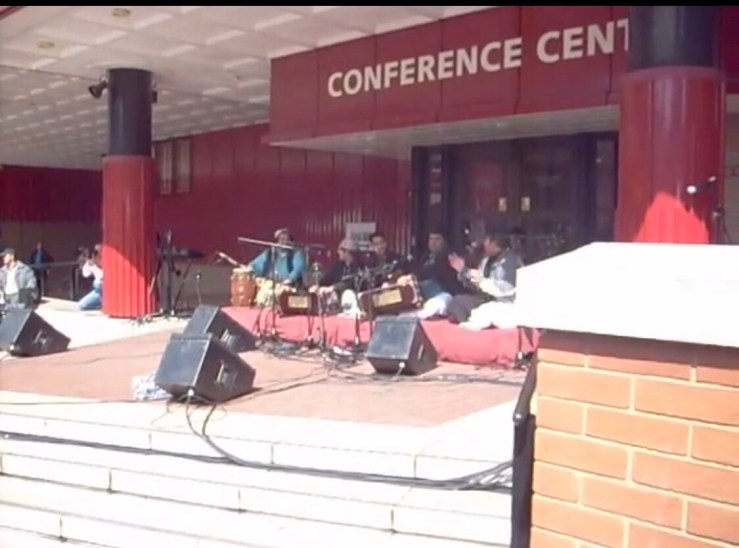
Families were very much in evidence, and all ages enjoyed the wide range of music and dance on display. Artists included the London Jewish Male Choir, the IDMC Gospel Choir and the Ameer Khan Qawwali Group.

The appended clip is of the Qawwali presentation during the Exhibition on 07/05/2007. As is to be expected, I was behind the camera!

Qawwali of Ameer Khan & party, BL, London 2007

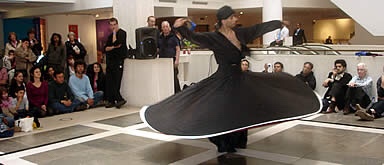
For many, the highlight was the spectacular performance from Zia Azazi, an exponent of modern Sufi dance. This was fitting climax to an enchanting day. I can be seen peeping from behind the black frock of the dancer.

Whirling Dance Zia Azizi Turkish Dancing Sufi