Long Past Memories of Shab-i Barā’at & 15 Shābān of my Childhood

Memories and memories! As one crosses the “halfway mark” it is only the fond memories of days gone by remain. They may have been mundane when they took place, but now as you look back in time and recall them, they tickle your whole body and your brain yearns for them! The feeling further gets aggravated when you realise that those people who inhabit that world in your memories are never going to come back, nor the incidents are going to repeat themselves as they once happened! Even if the persons in your memory are still alive, they are now not the same: they too have transformed with time! A chirpy fun loving young child is now a greying grumpy sober pot bellied boor! Or a once shy girl is an elegant and sophisticated woman: quite a disconnect from what she was in your fond memories!

Today as I was woken up by my sister at dawn “to lighten the candles” on the birth of our Living Imam, and as I did so in the lonely silence of the house where every one was deep in slumber, I was transported back in time when I was a child, and was along with my long dead (40years) father on way to cast my arīza in a river stream flowing some miles from Aligarh…..

Shab Barāt and 15 Shabān used to be occasions we waited for! It was a time when we would not only get a variety of halwas to eat, but also firecrackers- the ātishbazī, the sparkling phuljharīs and anārs, the “rockets” which would fly high sparkle and then explode, the ear-shattering “sutli bombs” and other types of myriads of patākhās!

Weeks before the event Abba and Ammi would buy us the ātishbāzi from the shops in “shahar” – for the Dodhpur Chauraha was still a sleepy hamlet with only a few shops: for everything one had to go across the kathpula to the real “city” and its bazārs.

In the city, just below the “ghantaghar” was the shop of Mazhar Chacha from where Ammi would buy everything (except the grains) and the firecrackers. Rawa, chanā, sūji, ghee, shakkar etc were all to be bought for the preparation of the various halwas. Sometimes I would also accompany them (especially Ammi) sitting on the lap as the rickshaw meandered its way to the bazār!

After shopping, when we returned, Ammi along with my sisters would engage herself with the servants in measuring and weighing and segregating the various ingredients for each type of halwa. An old tarāzu (weighing scale) would be used along with the various bāts (weights: sērs). A small scale was also brought out for the dry fruits needed. And then of course the sill batta, packets of silver foils (chāndi ka waraq) and bottles of kewra would also be out.

We children meanwhile were on the other hand given the important duty of daily drying the firecrackers in the sun! A sheet would be spread on charpais on which the firecrackers were laid out. Another bedsheet would then be used to cover them. For days this vigil was carried out: laying out the firecrackers in the mornings and then removing them to be stored up for the night!

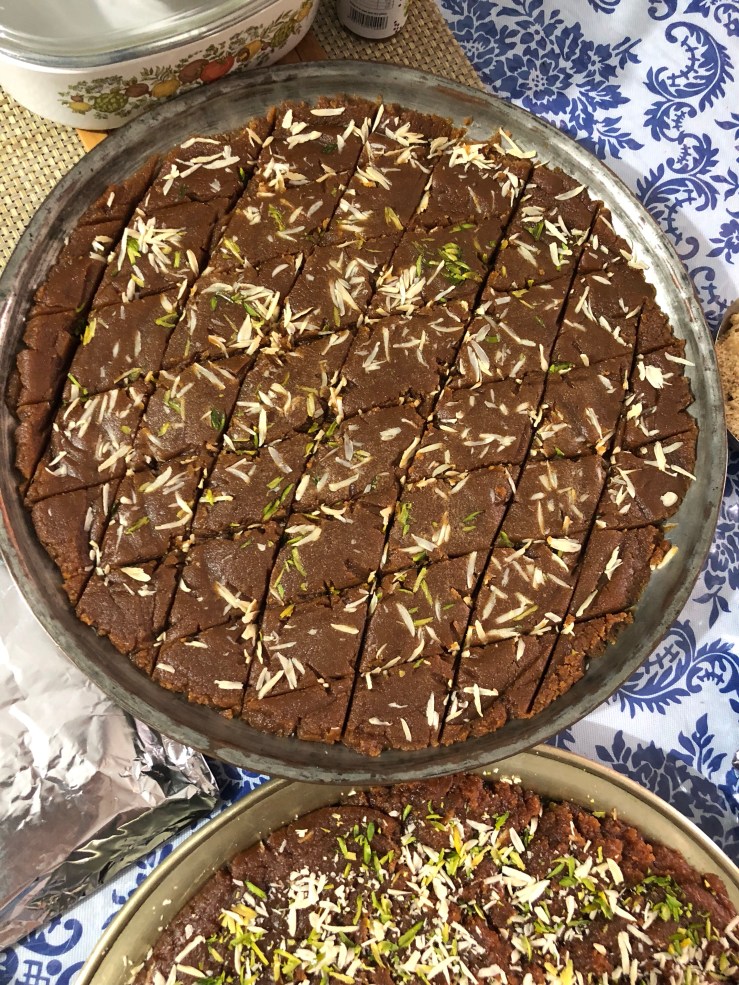
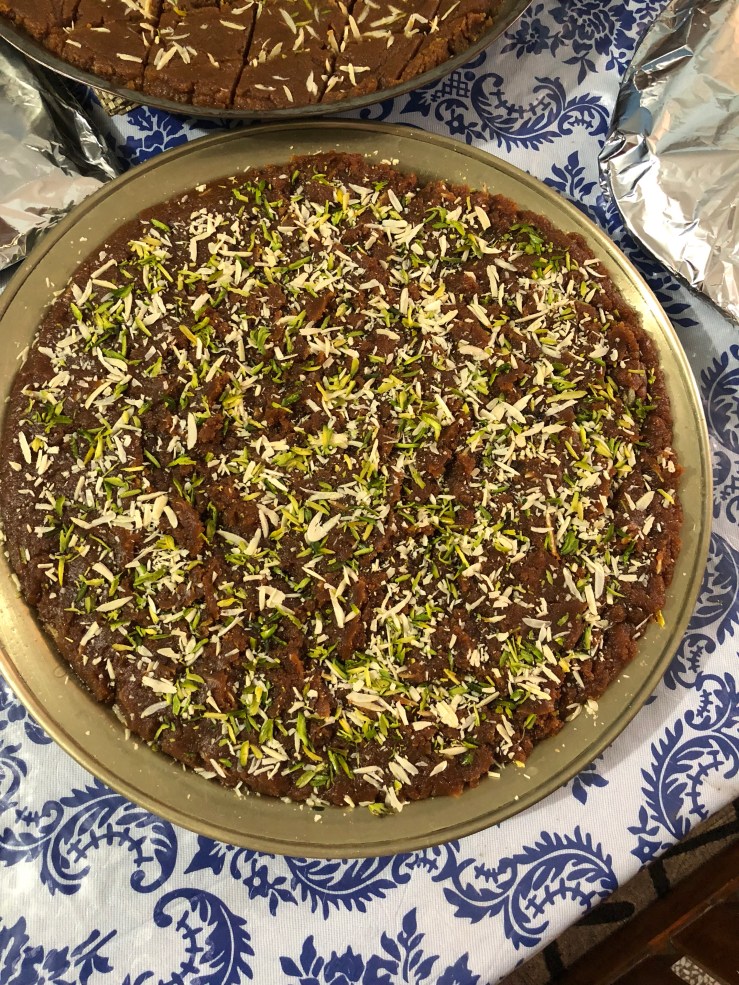
On 14 Shābān, the day of shab-i barā’at, the full festive mood would be on display. From morning till afternoon all the women folk would be busy making various type of halwās. Ammi’s speciality (now imbibed by my sisters) was the “chaney kā halwā”! No one could match the taste which her preparation had!
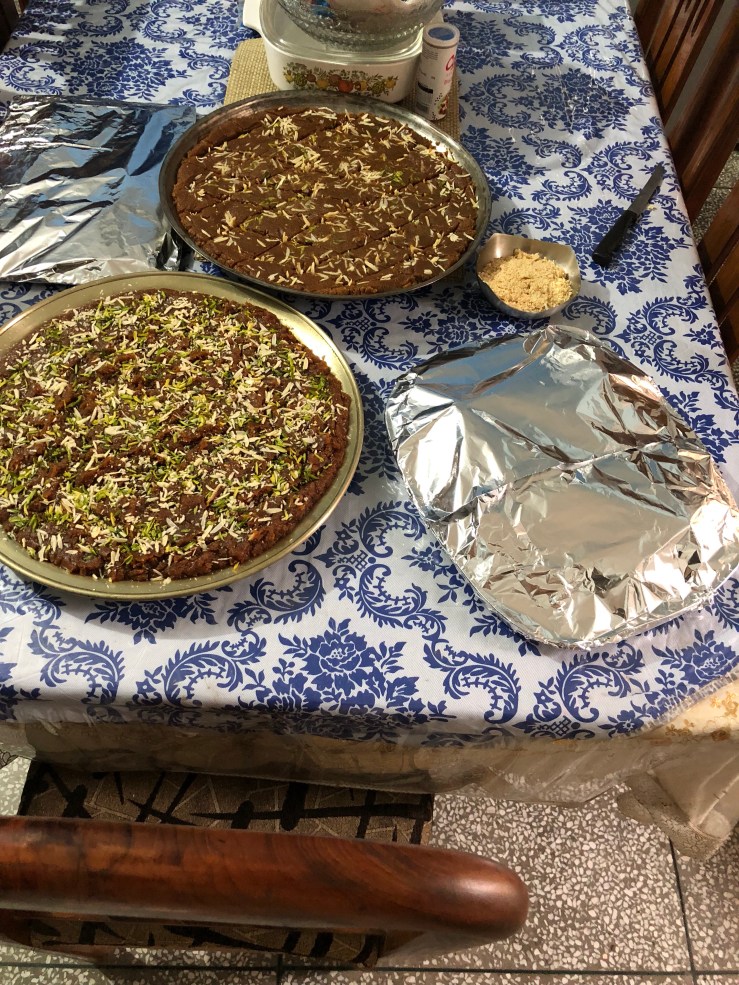
From around 4:00 pm the ‘ceremonies’ of the day would commence. The venue would be the namāz kī chauki ( the wooden pedastal for the prayers) of my father. After the ‘zuhr’ (afternoon prayers) Abba would sit on the chauki, Ammi would be there along with the entire family along with large trays of various halwas. She would dole out a handful of each variety in a large white porcelain plate and keep it on the jā namāz spread before my father. The Nazr and Fatiha would commence. It would be a long drawn affair. First the nazr (offerings) would be made to all the Prophets name by name, starting with Hazrat Ādam and would end with Prophet Muhammad. Each of these plates would be emptied in a large vessel kept aside for the purpose. Then would start the nazr of all the Sacred Women: Janāb Sarah (the wife of Abraham), Janāb i Maryam (Mary), Prophet’s mother, Ali’s mother so on and so forth. This would end at the name of Nargis-i Khātūn, the mother of the Living 12th Imam. Then would come the turn of all the 11 Imāms, followed by the martyrs of Karbala.
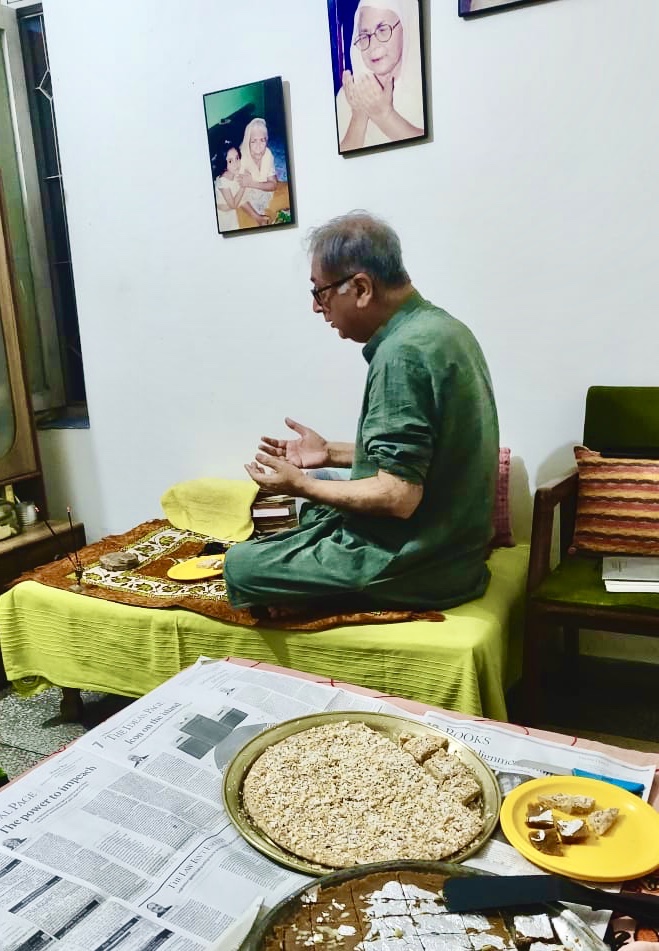
After the nazrs, fātiha would commence. Here it was the reverse order of our genealogy would follow, starting with the fatiha of Dādā Abba, my grandfather. My father would keep out calling name after name: “so and so son of so and so aur unki zauja (wife)”! What intrigued me were two things, first the changing surnames of the ancestors over generations: Ali ibn Ali, Hasan ibn Hasan, Uddin ibn Uddin etc! Second was that zauja was always singular, except in the case of my grandmothers! By the time our genealogy and that of my mother’s side was over, all of us would be extremely tired, eyeing the tempting halwa and waiting for the chance to go out and explode the patākhās! But then the ritual of fātiha was unending!

After the ancestors the fātiha of the recent dead of the family and acquaintances, well known Shi’i figures and a long list of Ulama would be held! Not satisfied with this long unending list, my mother would recall names and urge for fātiha for their souls on the pleas that they had no one else to do it for them!

And then we would all rush out to our large court yard and the ātish bāzi session would commence! It would generally last an hour or so! By now the whole house would be illuminated by diyās! We would then all sit to write our letters (arīza) to the Imam which would then be individually wrapped and put inside ātā (wheat flour) balls.

Late nights except for us, the children, everyone would perform āmāl, prayer vigils which would last till around three in the night.

We would now all be ready to go to drop the arīzās. Abba would have arranged some vehicle for us to be taken a few miles away to a stream to drop the arīzās. Under a dark sky resplendent with sparkling stars we would reach the stream. Sometimes a bus load of the other Shias from our town would also be there. They would be generally accompanied by Naqqan Sahib if he was in town. If he was there everyone except my father would offer morning namāz behind him. If he was not there, my father would lead the prayers on the banks of the stream. After the prayers, qasīda khwāni would commence and many a poet recite verses welcoming the birth of the Imam! At the end, when arīza had been thrown in the stream, namāz offered and a celebratory mahfil held, everyone would distribute the halwa which they had brought along. We would then board our vehicle, as the others would get on the bus and head back home!

It was a perfect culmination of the night of redemption (Shab-i Barā’at) and beginning of the 15 Shābān, the Birthday of our Living Imam!

Today as I stand alone lighting a few candles in my deserted room with only my daughters around me, I recall the rich and vibrant past: the past when Abba and Ammi were besides me, and I was holding their hand and sheltered by their protective embrace!

Wish you all a Happy Maulūd-i Imām-i Zamāna!

Also wish you all Happy recall of past memories: for what are we without them!

‘Arīza: A Petition to the Hidden Imām

A unique ritual widely prevalent amongst the Twelver Shi’i on the occasion of the birth anniversary of the Twelfth Imam is that of “Arīza“. The term ‘arīza literally means a petition of a person to someone higher in status.

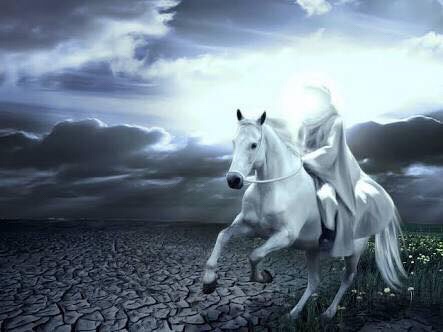
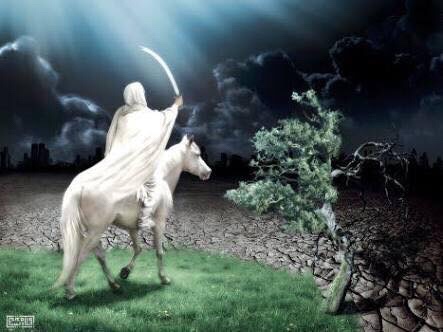
The concept is that as al-Mahdi, the twelfth and the final Imam of the Prophet’s Household is alive but hidden and taking care of us and the world, we write to him our petitions pleading our case. He, like any other ruler, receives them through the agency of any one of his deputies, four of whom are known.

Imam Muhammad b. al-Hasan al-Askari was born in Samarra in AD 868 and until 872 when his father was martyred, lived under his father’s care and tutelage. He was hidden from public view and only a few of the elite among the Shi’ah were able to meet him. In AD 873 he was hidden and went into Occultation.

During the period of Minor Occultation, he was in contact of certain people and had four Nawwabein, deputies, through whom he worked. They were:

1) Uthmān ibn Sa’īd Umarī, 2) his son Muhammad ibn Uthmān Umarī,

3) ‘Abul Qāsim Husain ibn Rūh Nawbakhti, and

4) Ali ibn Muhammad Simmāri.

After 80 years of the Minor Occultation, the Major Occultation started during which the Imam interacts only with whom he wants!

During this period of major occultation he is represented only through his naibs, the marja‘ (the Jurisconsults) and the people communicate with him through the ‘Arīza or the petitions which they send to him. If one looks at these formalised petitions which have a set format with space to add your own seeking, we find that they mention the names of the above named ‘agents’ or deputies who are still supposed to present them before the Imam.

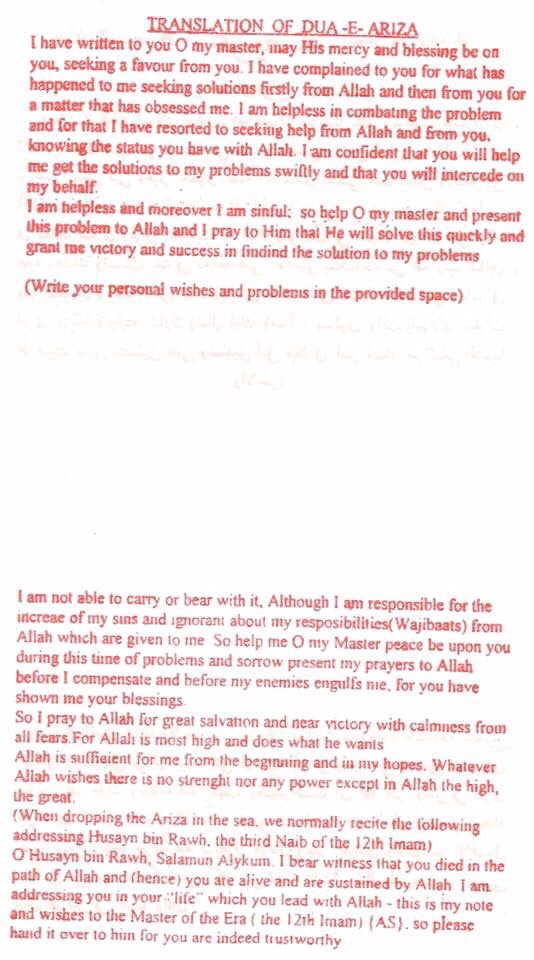
A typical arįza is as follows:

Translation of Dua-e-Ariza

I have written to you O my master, may His mercy and blessing be on you, seeking a favour from you.

I have complained to you for what has happened to me seeking solutions firstly from Allah and then from you for a matter that has obsessed me.

I am helpless in combating the problem and for that I have resorted to seeking help from Allah and from you. Knowing the status you have with Allah.

I am confident that you will help me get the solutions to my problems swiftly and that you will intercede on my behalf. I am helpless and moreover I am sinful:

so help O master and present this problem to Allah and I pray to Him that He will solve this quickly and grant me victory and success in finding the solution to my problems.

(Write your personal wishes and problems in the provided space)

I am not able to carry or bear with it. Although I am responsible for the increase of my sins and ignorant about my responsibilities (Wajibaats), from Allah which are given to me.

So help me O my master.  Peace be upon you during this time of problems and sorrow.

 presents my prayers to Allah before I compensate and before my enemies engulfs me. For you have shown me your blessings.

So I pray to Allah for great salvation and near victory with calmness from all fears,

 for Allah is most high and does what he wants. Allah is sufficient for me from beginning and in my hopes.

Whatever Allah wish there is neither strength nor any power except in Allah the High, the Great.

*When dropping the Ariza in the sea/ river/ well, the following is normally recited, addressing Husayn bin Rawh, the 3rd Na’ib of the 12th Imam:

“O Husayn bin Rawh, Salamun Alykum.

I bear witness that you died in the path of Allah and (hence), you are alive and are sustained by Allah.  am addressing you in your life which you lead with Allah – this is my note and wishes to the master of the Era, the 12th Imam (AS), so please hand it over to him for you are indeed trustworthy”.

After the ‘Arīza has been written out, especially on the night of Shab-i Barā’at, these paper petitions are folded and placed within a ball of dough. With particular recitation of prayers, these dough balls containing the ‘arīza are then tossed into either blind wells or flowing waters, say a river or a barrage early at the dawn of 15 Shābān. It’s a real scene to be witnessed with people standing on the dark banks of rivers with trays full of ‘Arīza and flickering candles. Trays with halwa covered with well decorated cover cloths are also carried and distributed at the end. Special prayers followed by obligatory morning prayers are offered and people offer greetings and hug each other to celebrate the joyous occasion. Sometimes a mahfil is also held by the river banks in which poets recite their chosen verses, and an orator finally delivers a celebratory speech. In places like Lucknow boats are decorated with festoons and lights and people board them to drop their arīzas in Gomti. The end is marked by igniting crackers….

Shab-i Bara’at: The Night of Redemption

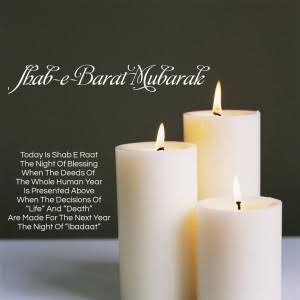
Today is 14 Shaban and the night which is coming is Shab-i Barā’at, the Night of Redemption, when it is said that God in His Wisdom opens the doors of the heavens and forgives the sins of those who seek forgiveness for themselves and their loved ones. Thus it is a night of prayers, rituals and celebrations amongst the Muslims. The only Muslims who do not ‘celebrate’ the occasion are the Wahhābīs.

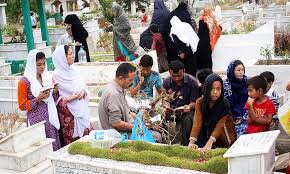
The general belief is that on this night the doors of forgiveness are opened for those who seek it. Forgiveness is sought not only for the oneself and the living but also for those long dead. Muslims believe that God writes destinies for the coming year, taking into account their past actions – so they ask his mercy for any transgressions. They also visit the graves of their dead and illuminate candles there.

It is also common in many regions for worshippers to offer prayers to Allah for forgiveness from their deceased loved ones.

Although not mentioned directly in the Qur’an, two verses are sometimes ascribed to Mid-Sha‘ban:

“Indeed, We sent it down during a blessed night. Indeed, We were to warn [mankind]. On that night is made distinct every precise matter-“[Quran 44:3–4]

In the Shi’i beliefs, this night is also the night on the morning of which their 12th Imam, Imām Mahdi was born.

Thus amongst the Shi’ites, the Twelvers (Ithna Asharis), and others, specially tafzīlīs, elaborate “fatiha“, prayers for the dead take place. Variety of ‘halwa’ is prepared, especially of chana (chick pea), sooji (semolina) and besan (gram flour). Apart fron the “fatiha” of the forefathers and relatives, with a “shajra” (family tree) in front, a “nazar” (Offering) is made made to the prophets, Imams and other holy personages. After this ceremony is over, and prayers been offered, its time to visit the graveyards to pay respects at the graves of the relatives. Meanwhile, the ‘halwa‘ is distributed amongst the neighbours, friends and relations.

As the night descends, the lamps are lit and “ātish bāzi’ (fire crackers display) takes place. This is followed by “‘āmāl“, night vigils and prayers which continue the whole night.

As the new day breaks, its celebration time again, as it is 15 Shaban, the Day of the Birth of the Twelfth and Living Imam of the Shi’i, the Mahdi or Saviour!

Shab-i Barā’at āie eīd ka manzar liye huwey

Pahlū mēiñ nūr-e subh-e munawwar liyē huwey.

Gulzāre Sāmra mēiñ haiñ Narjis nehāl āj

Dāmān-e ārzū mēiñ gul-e tar liyē huwey.

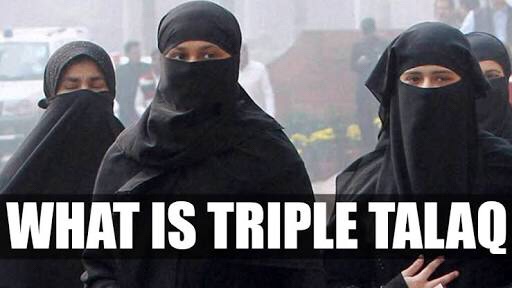
The Prophet, the Caliphs and the Triple Talāq

In Islam, the legislative power lies with the God and his Prophet. Thus all the rules and traditions are based on the verses of the Qur’ān and the Hadith – sayings and actions of the Prophet. What has been ordained as halāl (legal) and harām (sinful) cannot be changed. The position of the Caliph is that of an executive successor who will promulgate what has been ordained and restrain what is forbidden.

There is much raging debate as to whether the “instant talāq” is legal or not. Was it allowed during the time of the Prophet? Is it mentioned in the Quran? Does it have any legal sanctity drawn from the Hadīs, sayings and actions of the Prophet?

When we go to the original sources, the Quran and the various interpretations and collections of the Sayings, we find that this was actually forbidden by the Prophet! And when it came to be allowed later on, people nomenclated and identified it as “biddat”, that is, something which is forbidden!

Here is what we get in the sources of Islam…Read and decide for your self:

“Abu Sahba’ said to Ibn ‘Abbas (Allah be pleased with them): Do you know that three (divorces) were treated as one during the lifetime of Allah’s Apostle (may peace be upon him), and that of Abu Bakr, and during three (years) of the caliphate of Umar (Allah be pleased with him)? Ibn Abbas (Allah be pleased with them) said: Yes.”

[Sahih Mulsim, Book 009, Number 3492]

According to Sahih Muslim the concept was brought during the period of the second Caliph, Hazrat ‘Umar ibn Khattāb. This is clear from the Hadith compilations considered authentic. Sahih Muslim very clearly mentions:

“Abu al-Sahba’ said to Ibn ‘Abbas: Enlighten us with your information whether the three divorces (pronounced at one and the same time) were not treated as one during the lifetime of Allah’s Messenger (may peace be upon him) and Abu Bakr. He said: It was in fact so, but when during the caliphate of ‘Umar (Allah be pleased with him) people began to pronounce divorce frequently, he allowed them to do so (to treat pronouncements of three divorces in a single breath as one).”

[Sahih Muslim, Book 009, Number 3493]

A Caliph can never make the halāl of the Quran and the Prophet as harām or vice versa. And if such a thing is done, even with good intentions, is transgression of legal authority; and thus illegal. It has to be rejected out rightly! Talāq-i Bida’ or the Triple Talāq is one such act.

Equestria 2018 at AMU & Fatima

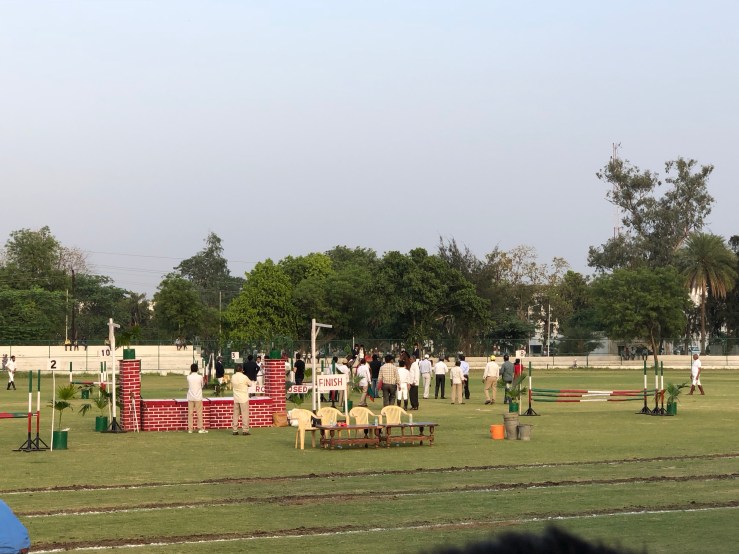
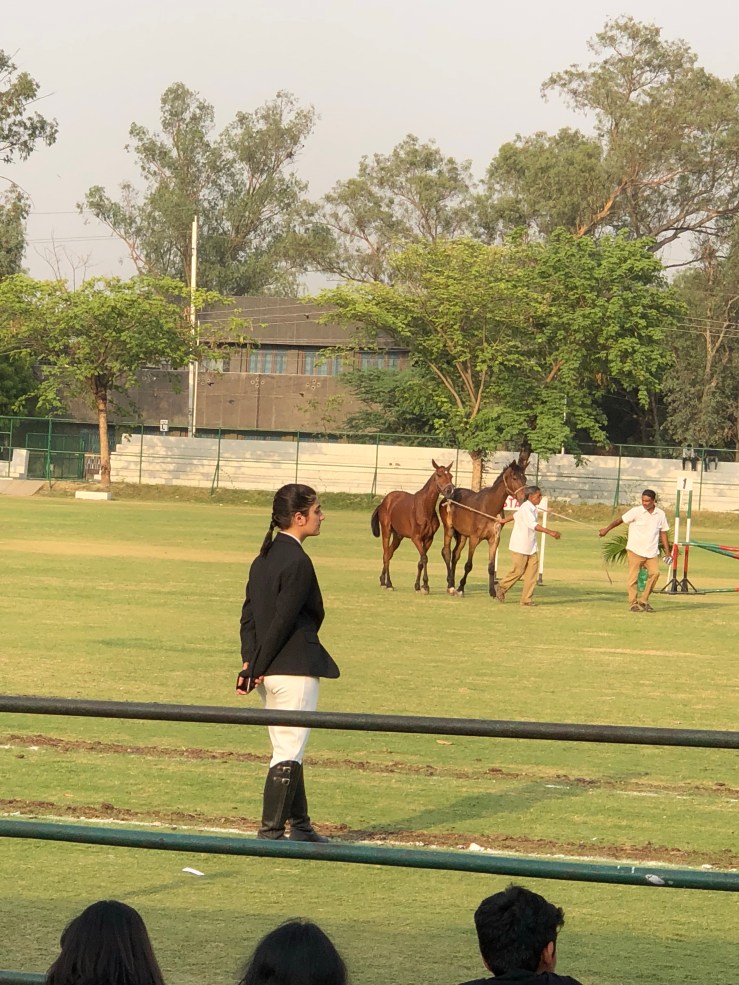
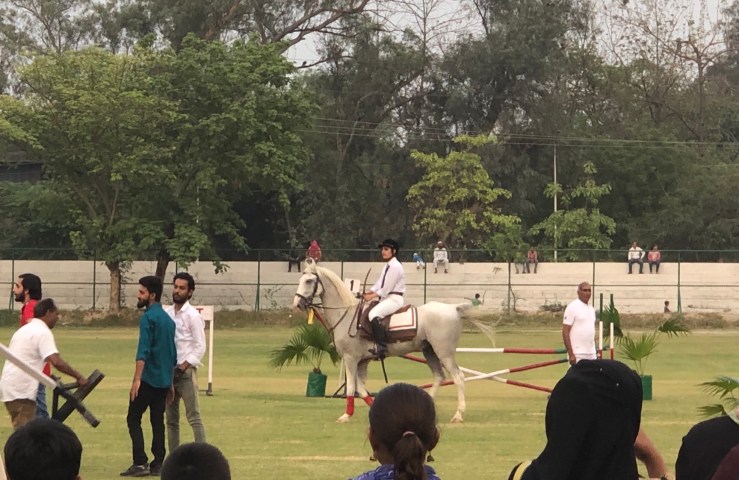
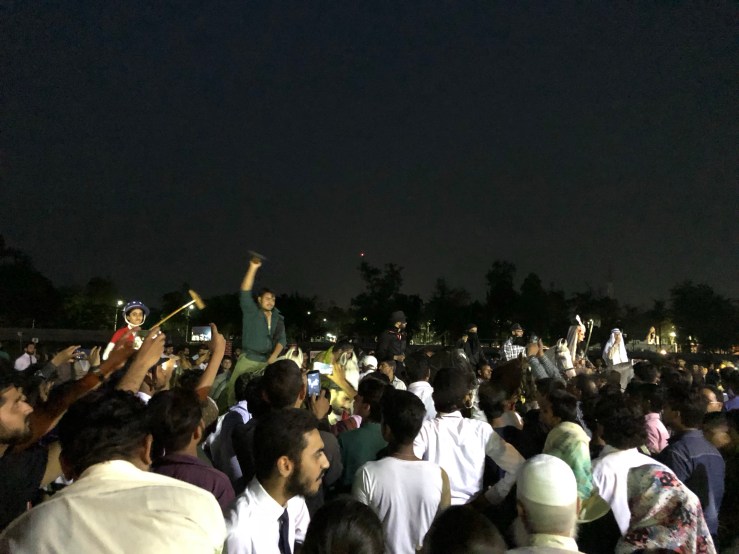
Today the Annual Function and the Horse Show of the AMU Riding Club, the Equestria 2018, was held in the Athletic Ground of the University. Incidentally AMU is the only University in India having a full fledged century old Riding Club!

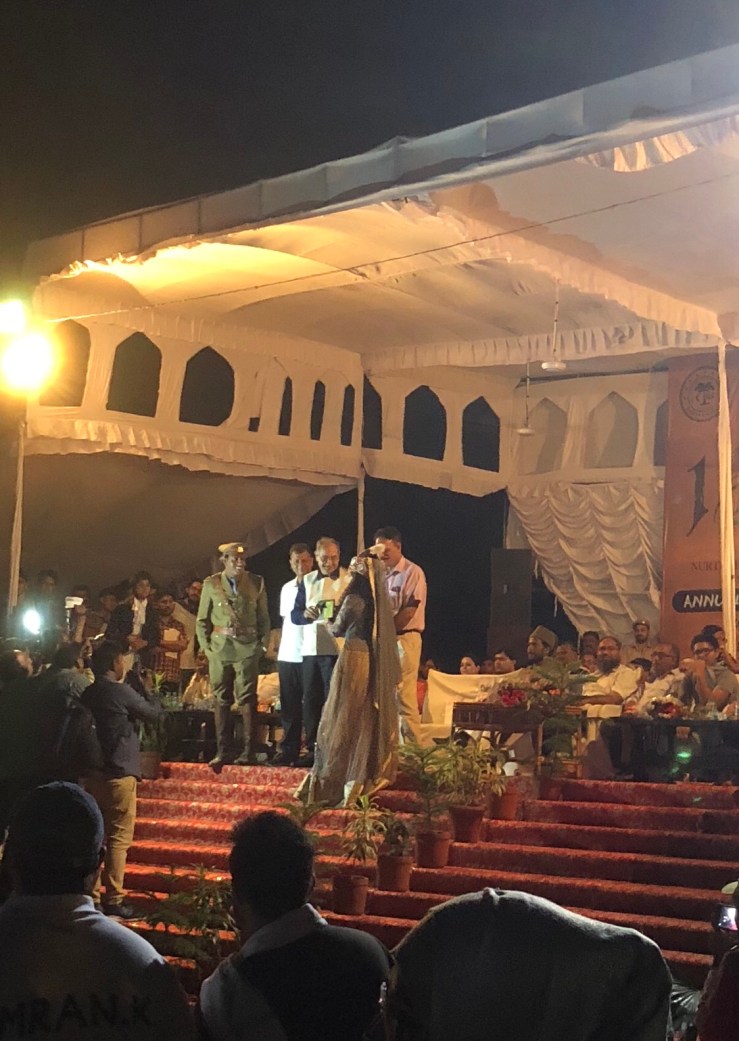
As usual, the AMU Vice Chancellor was the Chief Guest. It was a relief that unlike last year’s function, the event had less politics on display, nor apparently last minute and deliberate changes were made in the distribution of awards. And lastly, unlike last time, neither the sequence of events were changed, nor the programme was curtailed to suit the whims and fancies of the VC. The VC too arrived at the start of the function and left only after the award distribution!

The flip side of the programme, however was that there were too many ‘events’. But more irritating was the fact that the below-mediocre performance of some senior members led to quite a few repeats, which should never have been allowed.

Most of the events were interesting and the crowd enjoyed every moment of it.

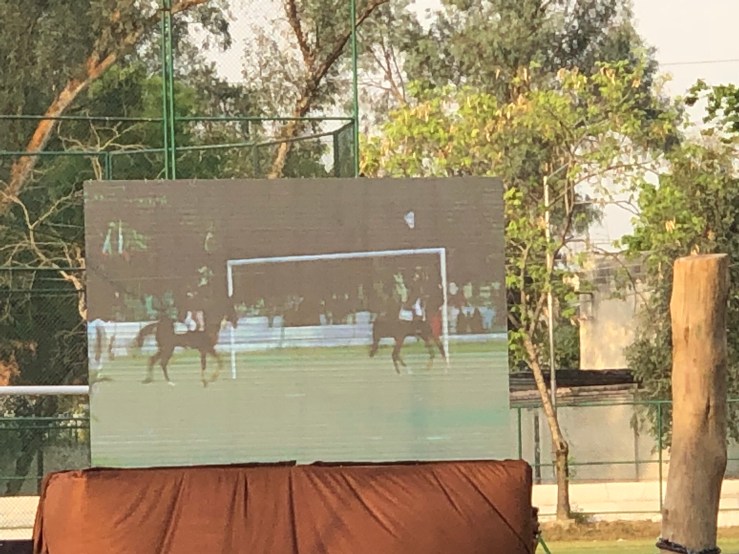
Further, probably for the first time a huge LED screen was fixed so that everyone was able to actually see the events.

Further this year, the excitement of the programme was not marred by the dry senseless speeches by the “have beens”, nor did the VC, unlike the previous one, bored us with his “mann kī bāt”! The VC gracefully sat through the entire programme and, instead, enjoyed the show.

This year too my daughter took part in the function. In fact she had been preparing for the event since long.

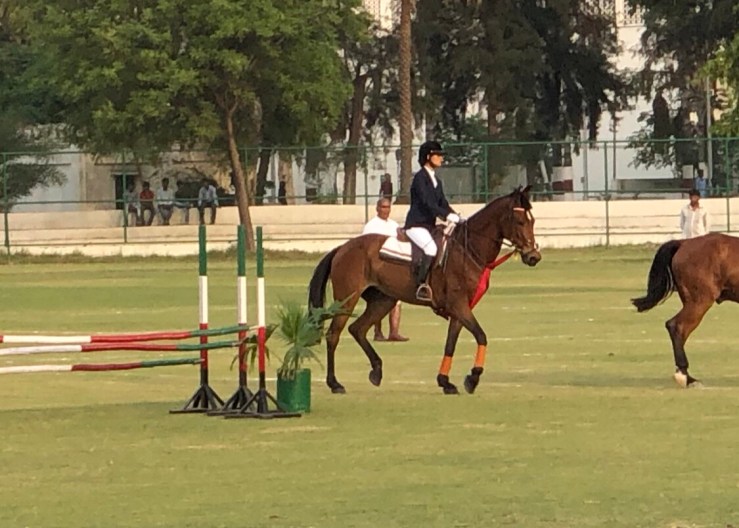
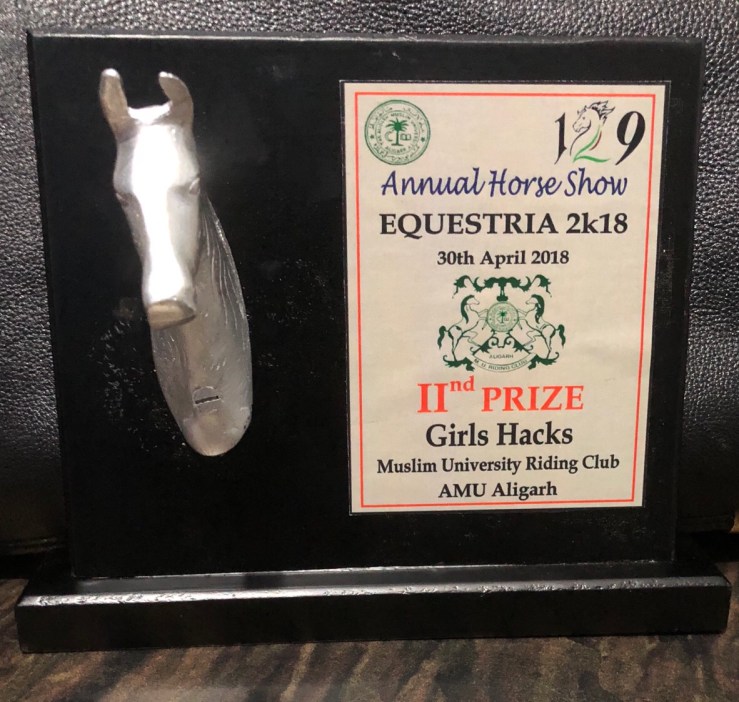
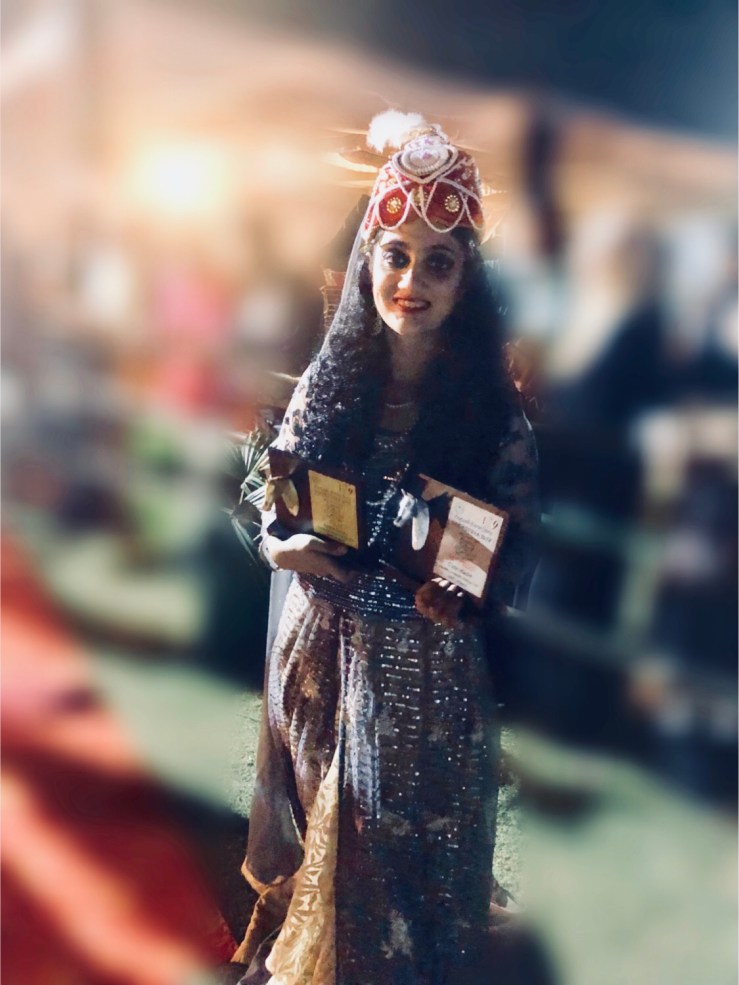
Fatima participated in three events: in one her horse acted stubborn, in another, the Girls Hack, she got the Second Prize, while in the third she emerged the first! In total a large number of participants were awarded.

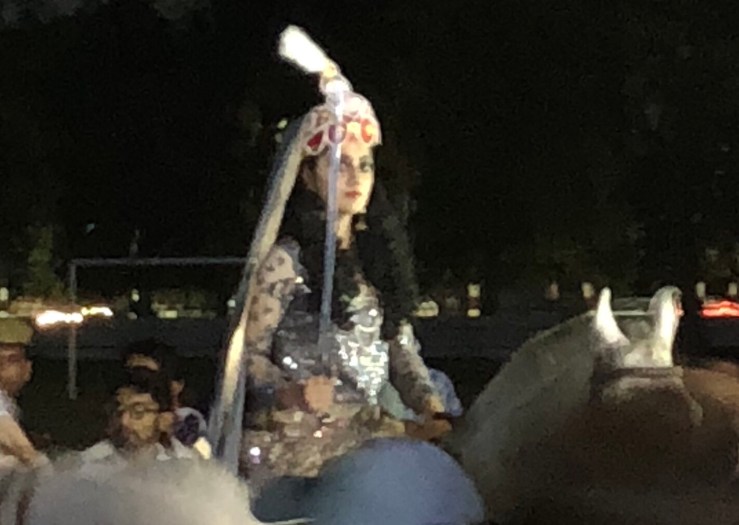
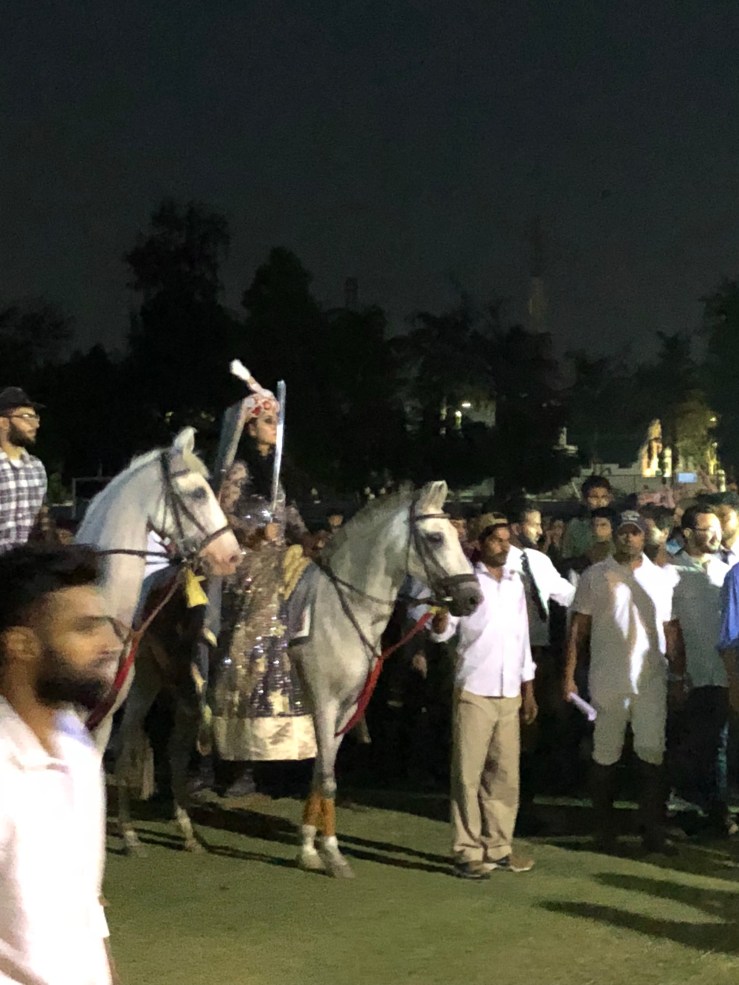
The first prize was in the Fancy Dress event in which she dressed as ‘Nurjahan’, the Mughal Queen (though the announcer identified her as “a Mughal Princess”. I can but say that my Princess looked everybit a Mughal queen riding a horse with a sword in hand!

Congratulations Beta! May many awards in life come your way!

Last year her scores had been deliberately tampered with and her name struck off from the list where she had been originally awarded second rank! It had also been announced on the mike soon after that particular event. But then last year the organisers were out to please their master who, they thought was anti her father! They had even removed her name from the official list of participants released to the press. That is another matter that she was very much reported in the photographs published by many newspapers!

This year, the event was held as a sport and no scores were settled! Thank you the present dispensation at AMU!