National Museum of Iran [Mūze-ye Milli-i Irān]

Many beautiful museums dot the Tehran landscape, of which the National Museum of Iran is the most prominent. It comprises of two distinct structures: a massive double storeyed Museum of Ancient Iran and the triple floored Museum of Islamic Era.

This January (2018) I had the good fortune to visit Iran and go to Teheran to attend a seminar. It was during this trip that I had the good fortune to visit these Museums. Situated on Emam Khomeini Avenue, in the famous Si-i Tir area of the capital, these museums are bound to influence the visitor by their upkeep and organisation. I had heard from a large number of people that Islamic Republic of Iran was neglecting the ancient and highlighting only the Safavid period. What I found was just the opposite! There is not only a multi-storied museum dedicated to the pre-Islamic period, but that even in the Museum of Islamic period, there was no special emphasis on the Safavid past. However what disturbed me was that the Pahlavi period was totally unrepresented!

Museum of Ancient Iran

Museum of Ancient Iran is housed in structure inspired by Sassanian vaults, especially Tāq-i Kisra of Ctesiphon.

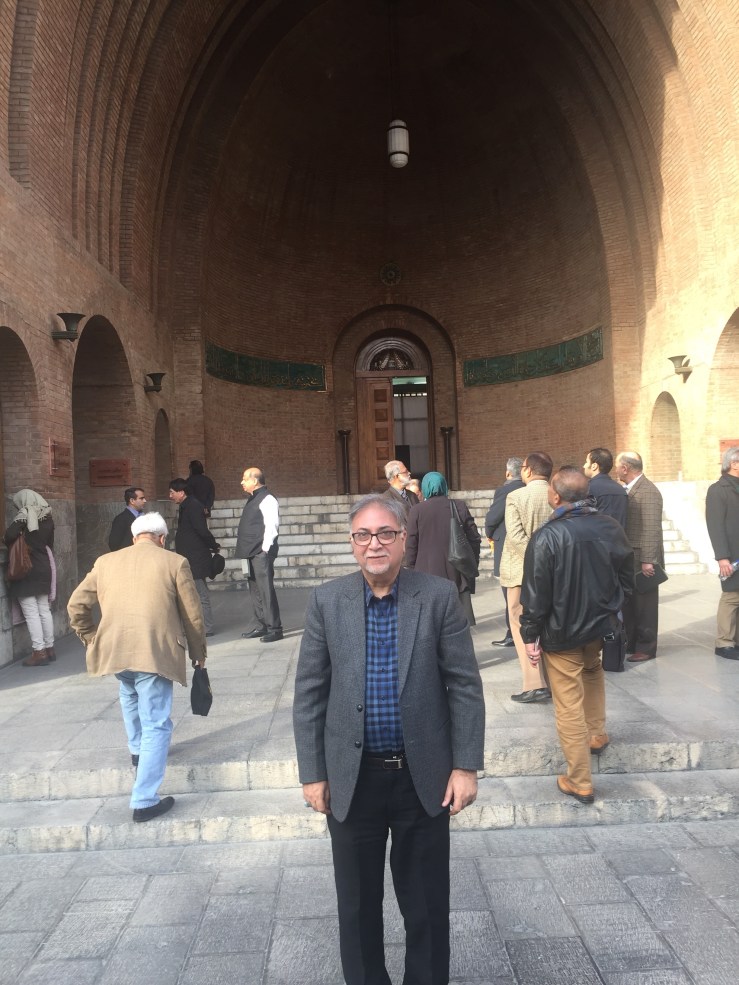
Its halls contain artifacts and fossils from the Lower, Middle, and Upper Paleolithic, as well as the Neolithic, Chalcolithic, early and late Bronze Age, and Iron Ages I-III, through the Median, Achaemenid, Seleucid, Parthian, and Sassanian eras.

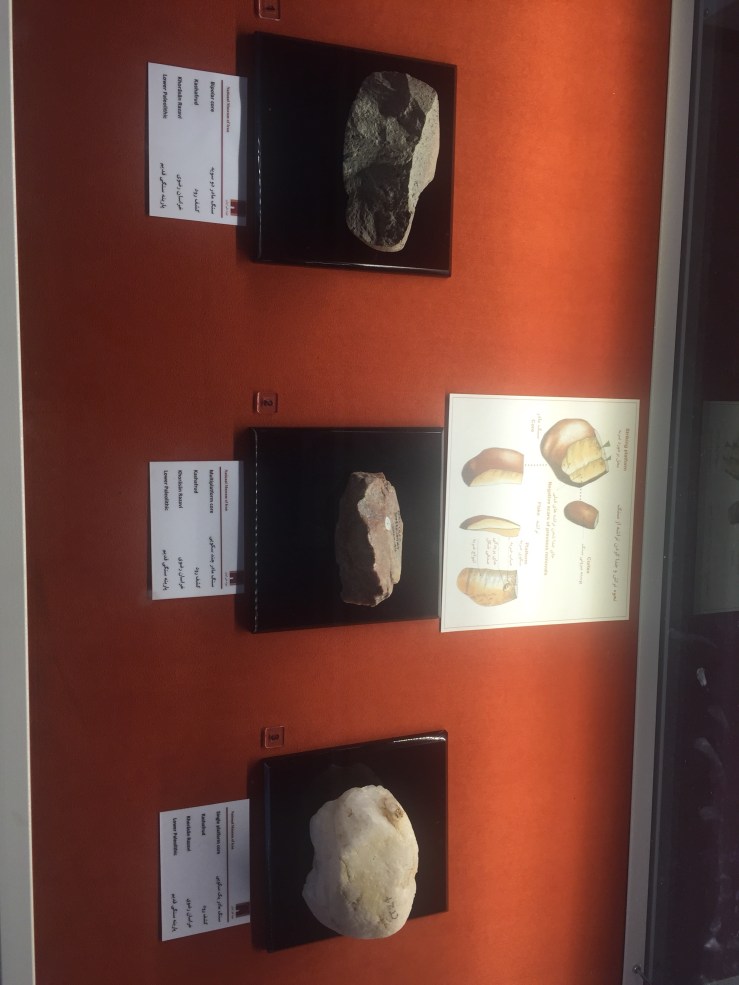
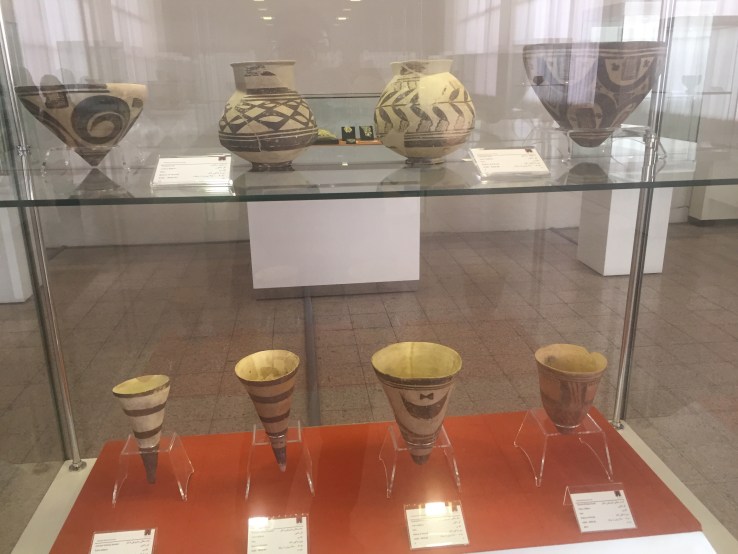
The oldest artifacts kept at the museum are from Kashafrud, Darband, and Ganj Par, which date back to the Lower Paleolithic period. Mousterian stone tools made by Neanderthals are also on display at the first hall of the Museum of Ancient Iran. The most important Upper Paleolithic tools are from Yafteh, dating back about 30,000 to 35,000 years. There are also 9,000-year-old human and animal figurines from Sarab Hill in Kermanshah, among many other ancient artifacts.

Museum of the Islamic Era [Mūze-i Daurān-e Islāmī]

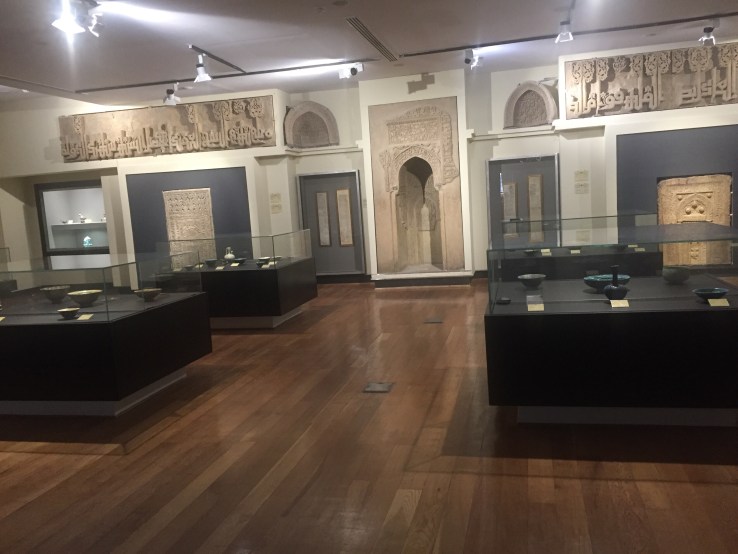
Adjacent to the Museum of Ancient Iran is the building housing the artefacts of the Islamic period. This Museum built in 1972 consists of three floors.
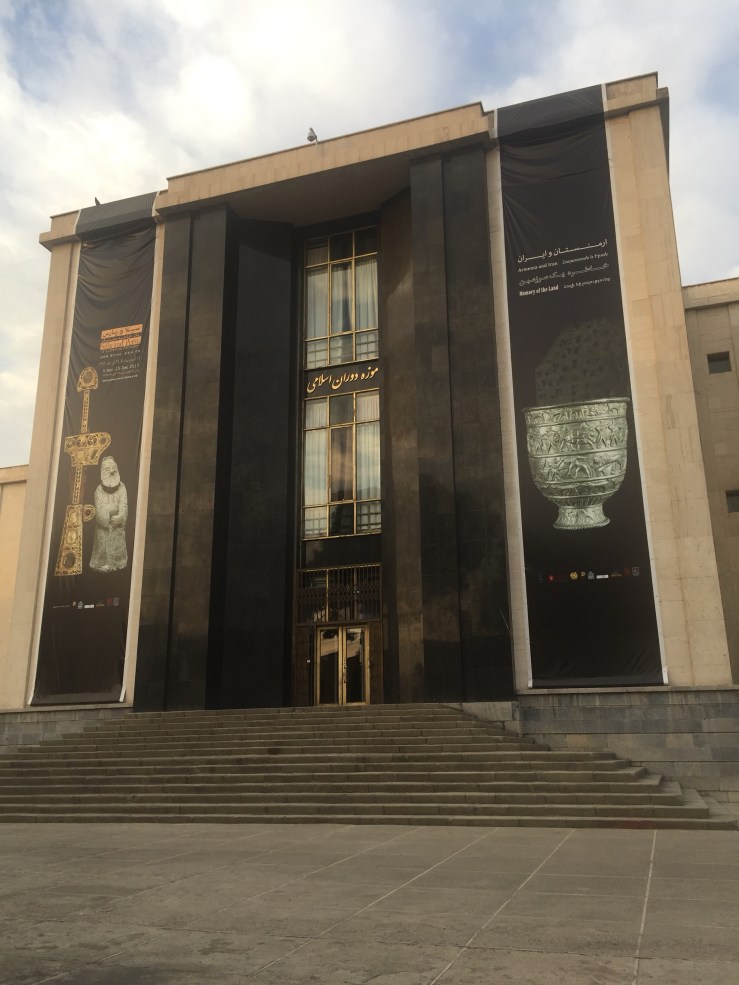
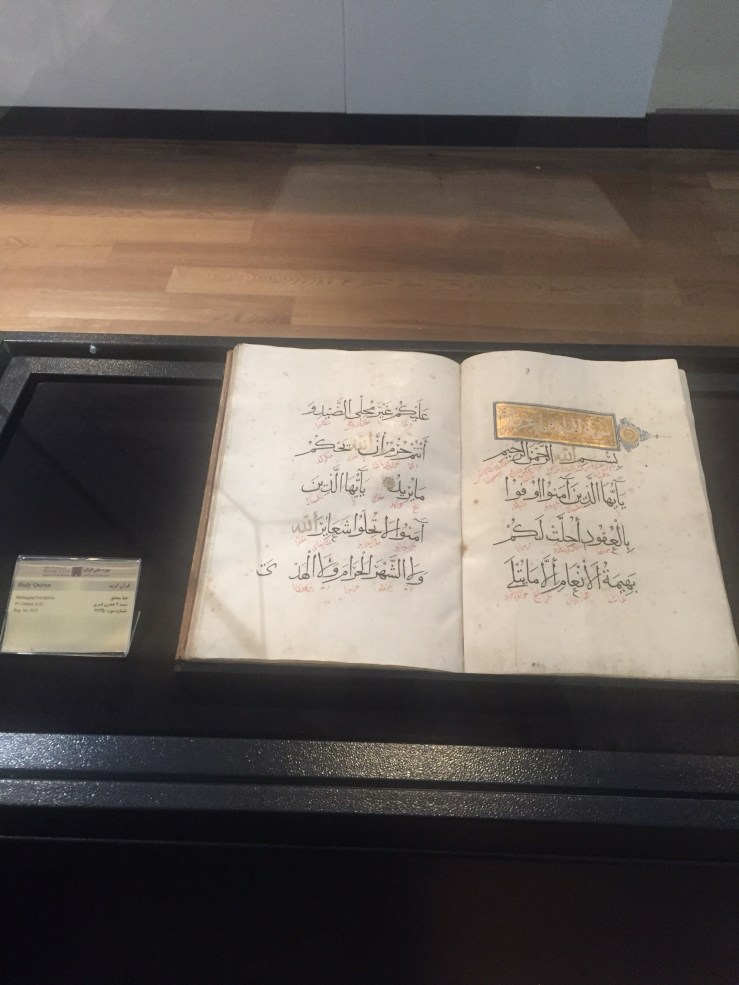
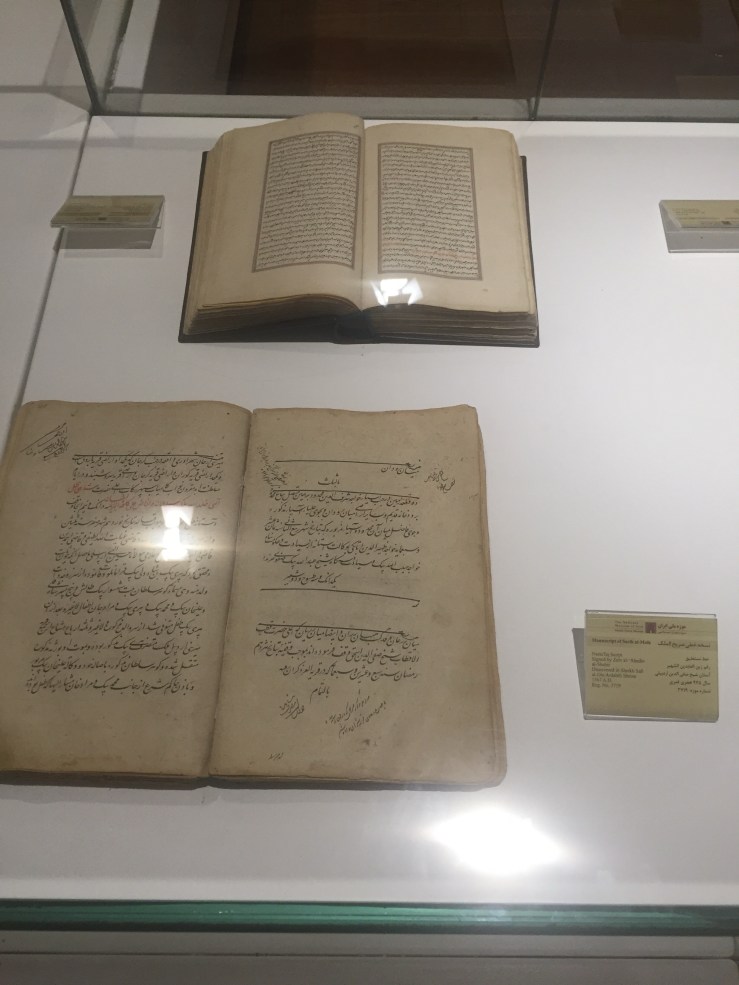
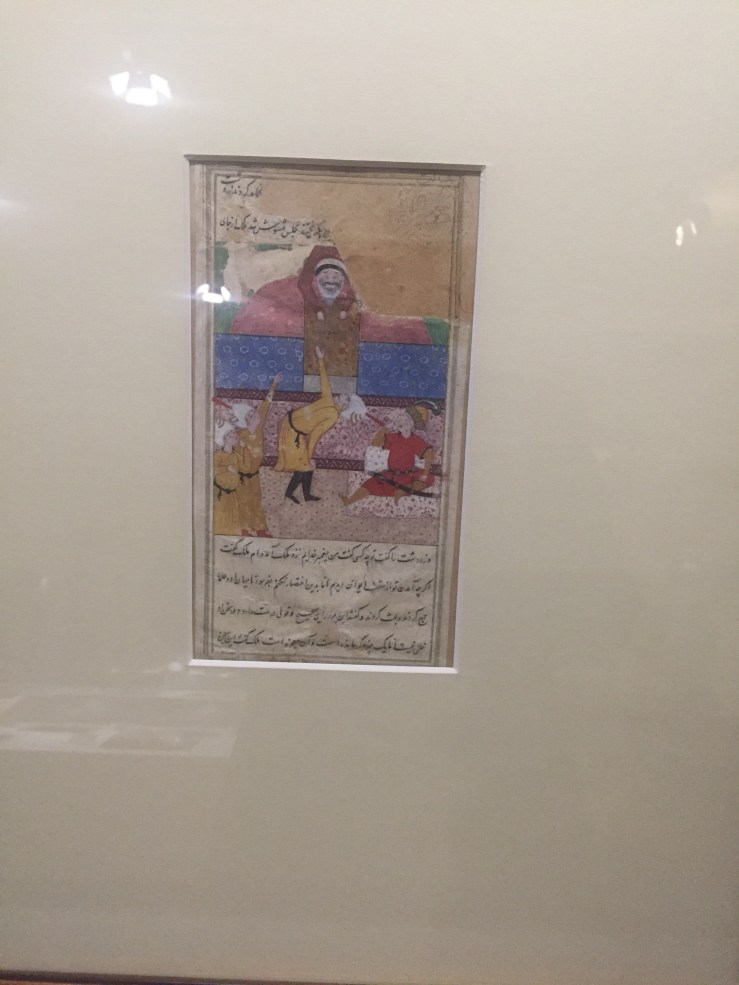
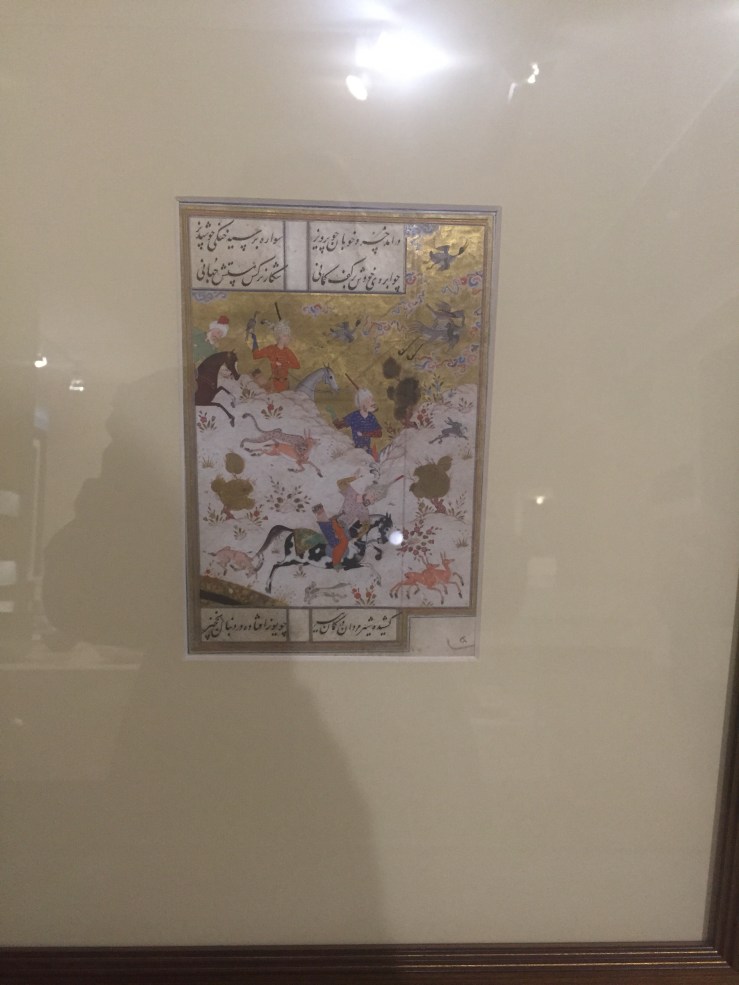
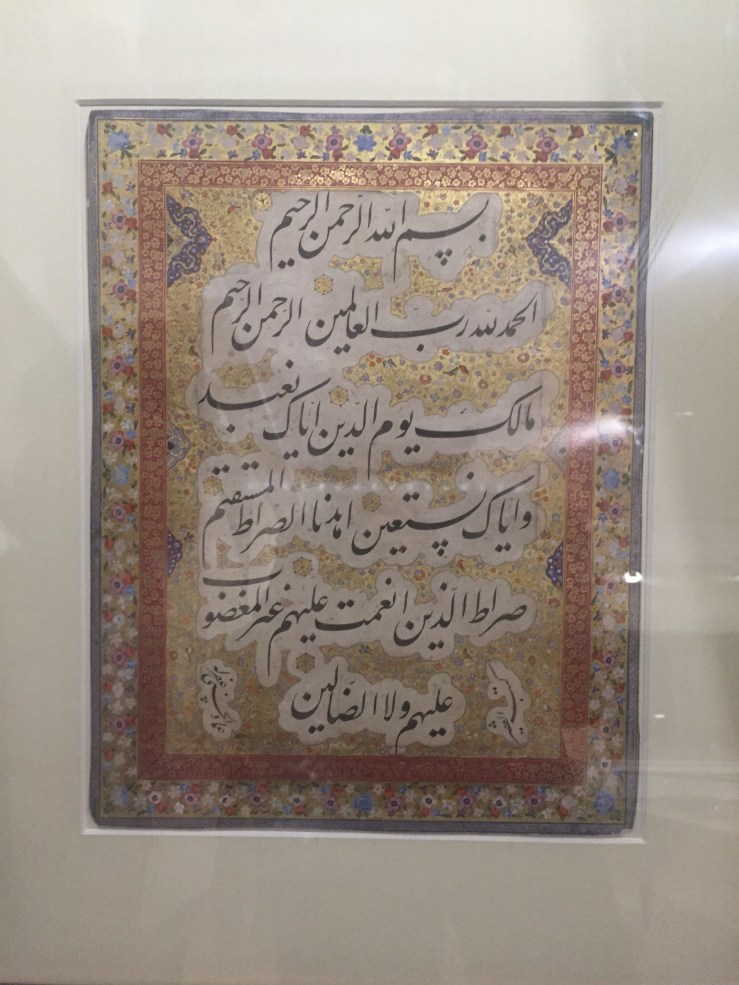
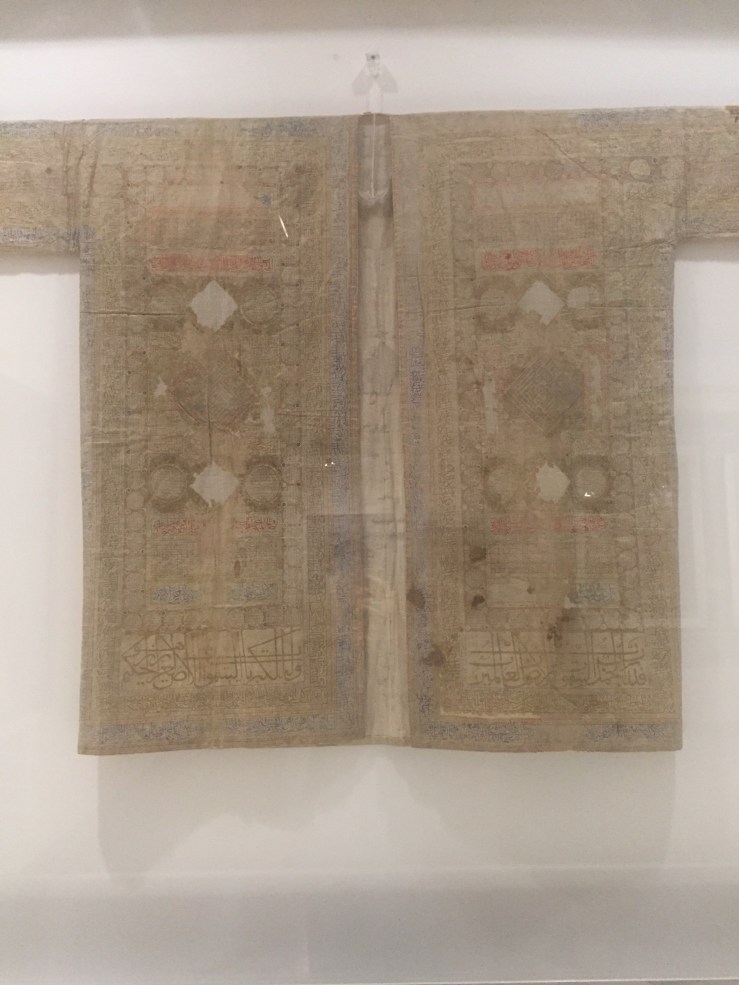
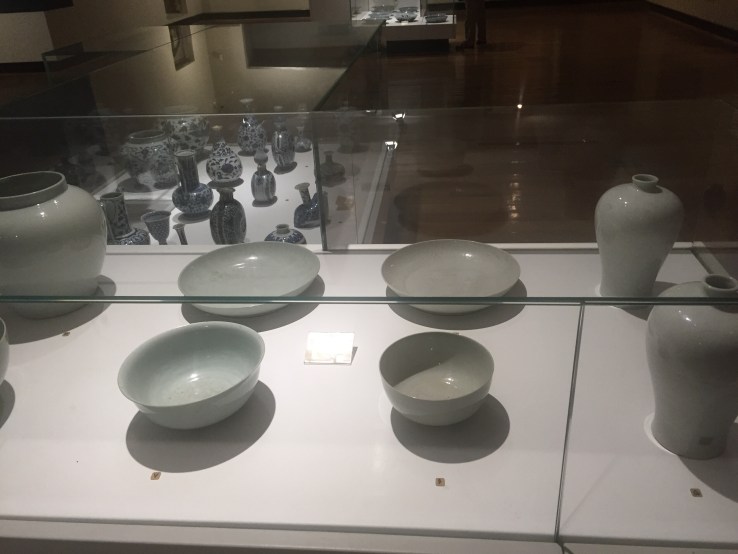
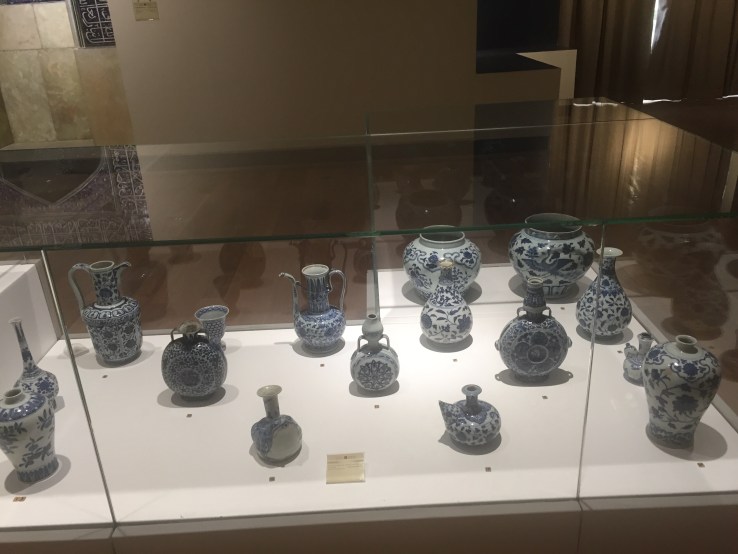
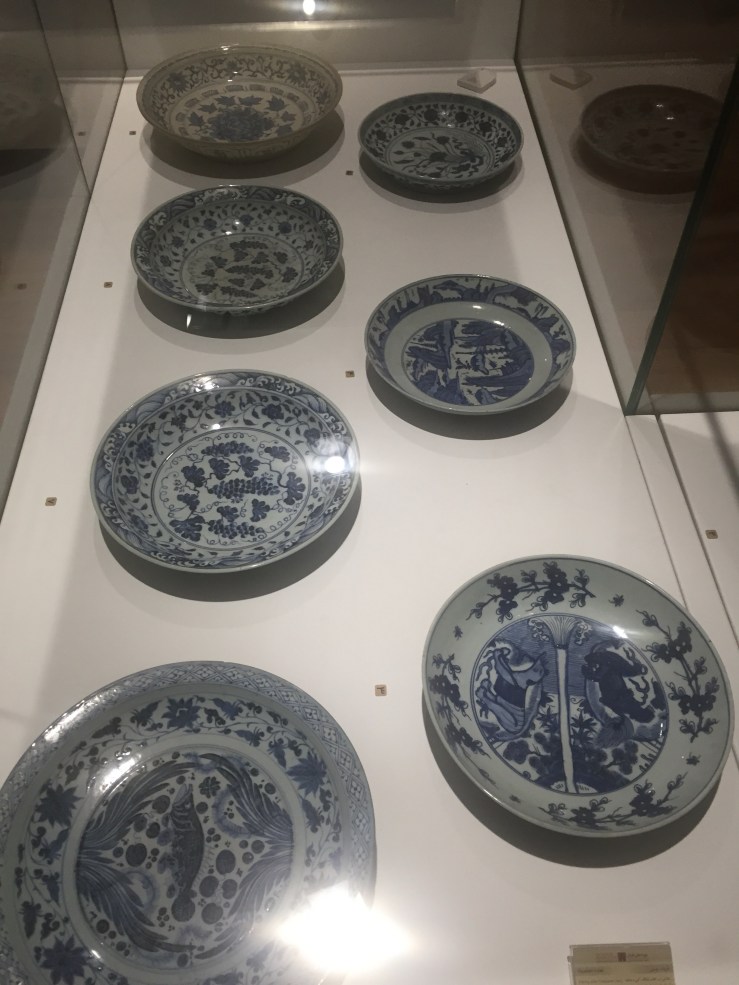
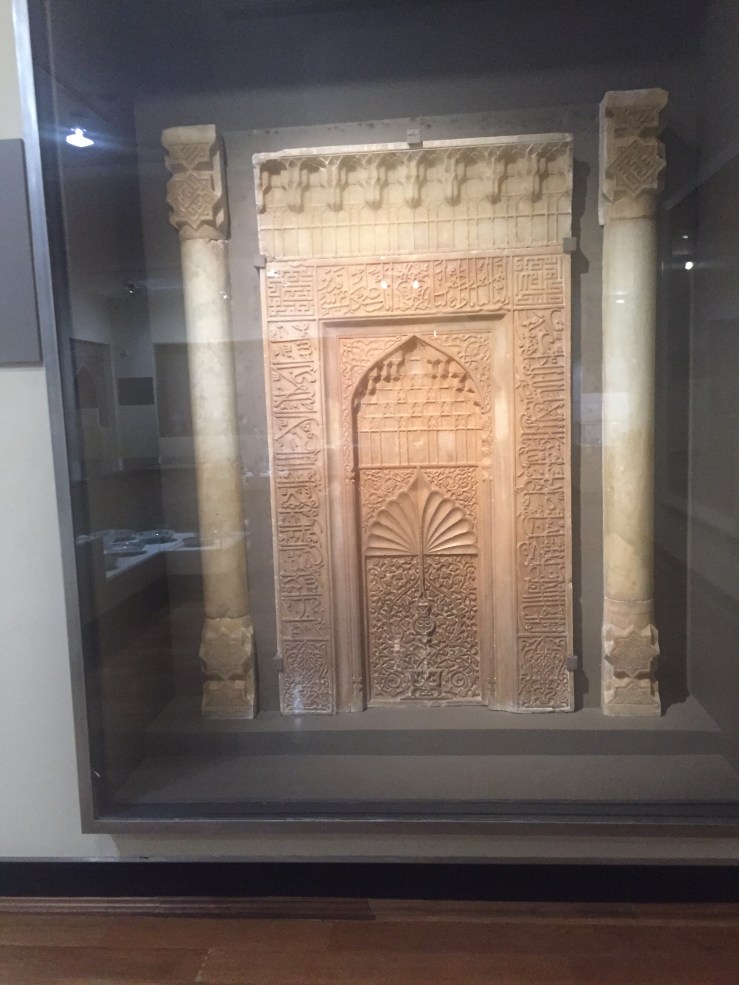
It contains various pieces of pottery, textiles, texts, artworks, astrolabes, and adobe calligraphy, from Iran’s post-classical era. It contains material remains from early Islamic period, specially from the 17th Century onwards.

Apart from Safavid period, the Qachar period is well represented. The Pahlavi artefacts are conspicuously elusive! So is the case of any artefacts related with Iran’s relations with the Mughal of India!

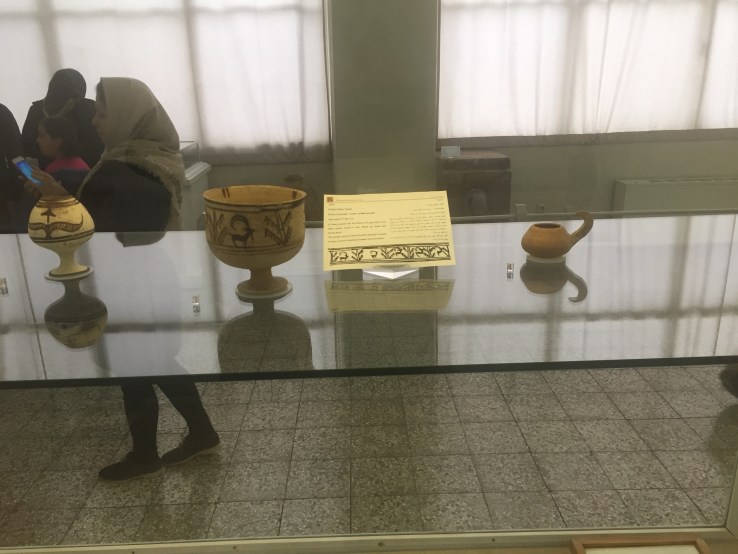
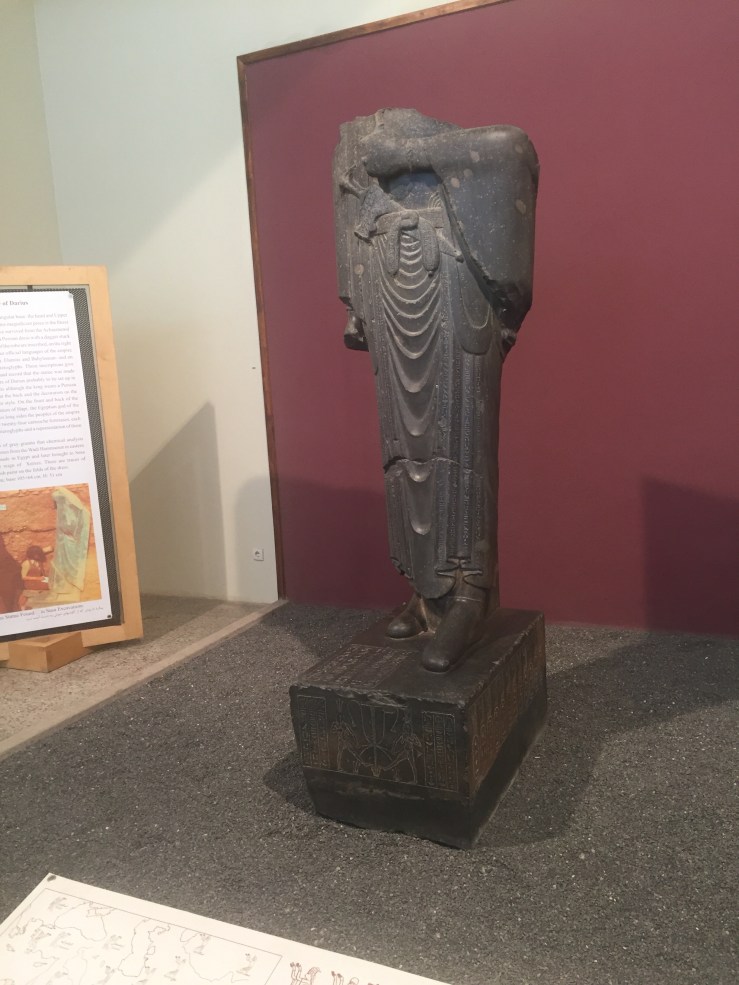
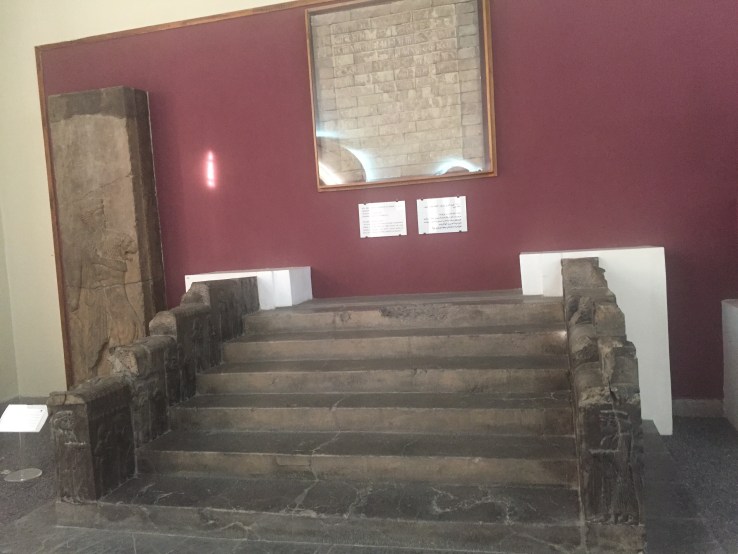
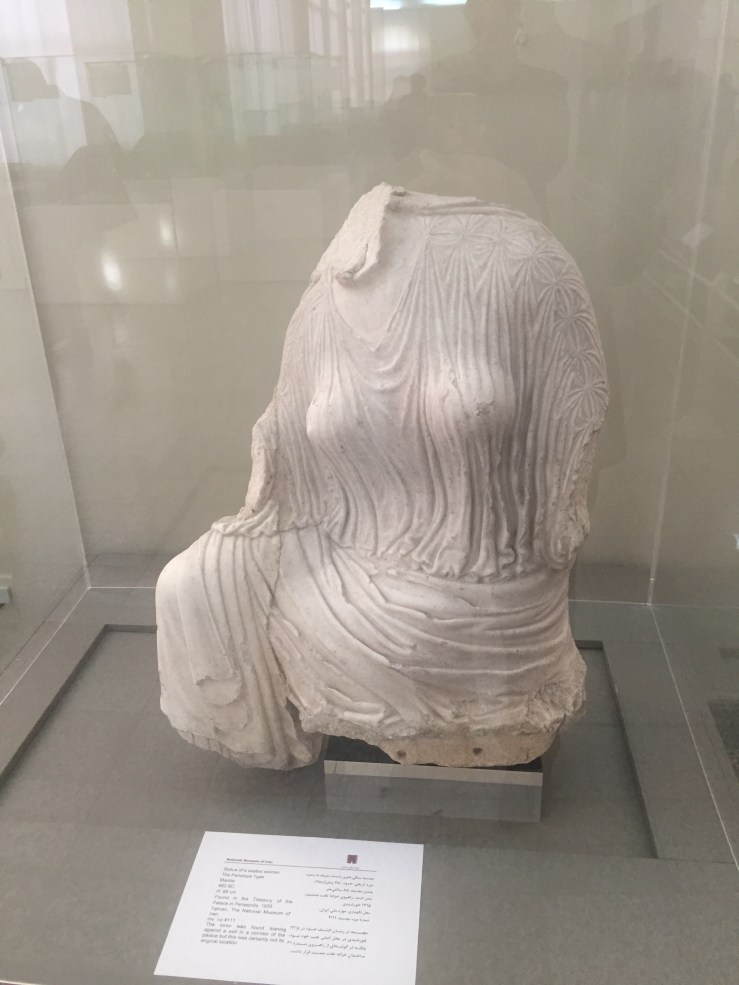
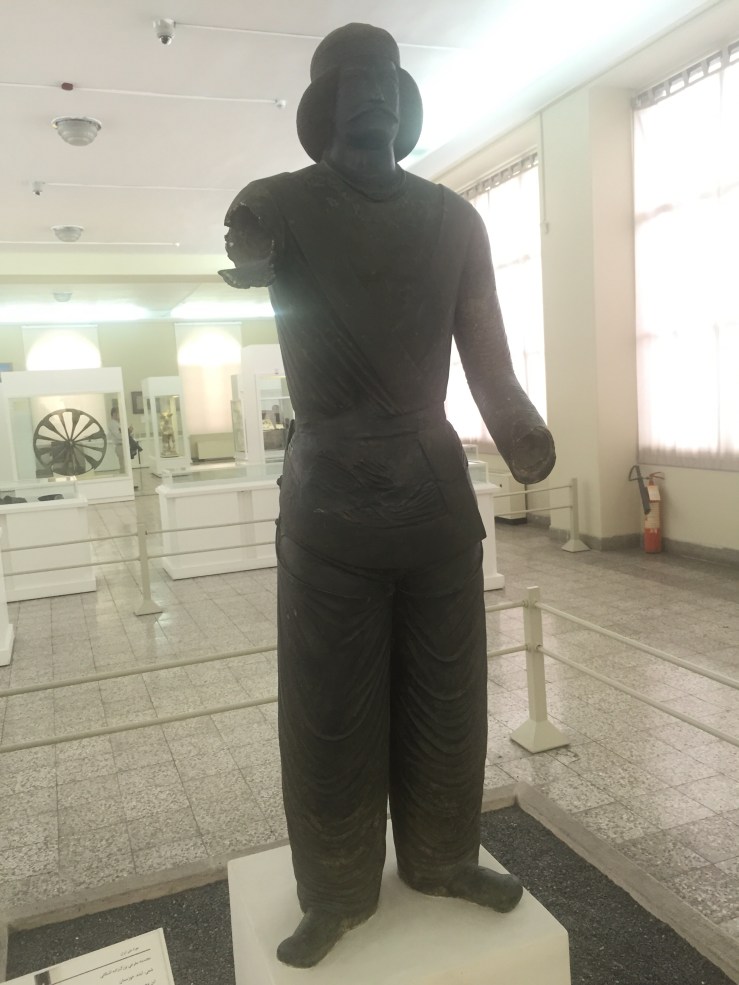
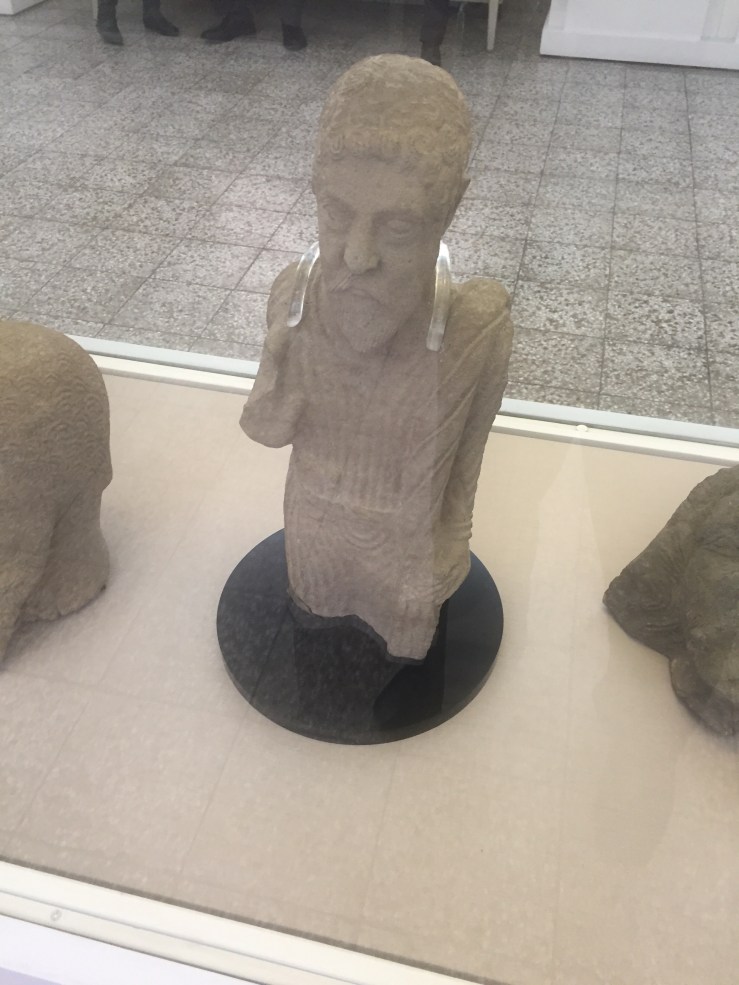
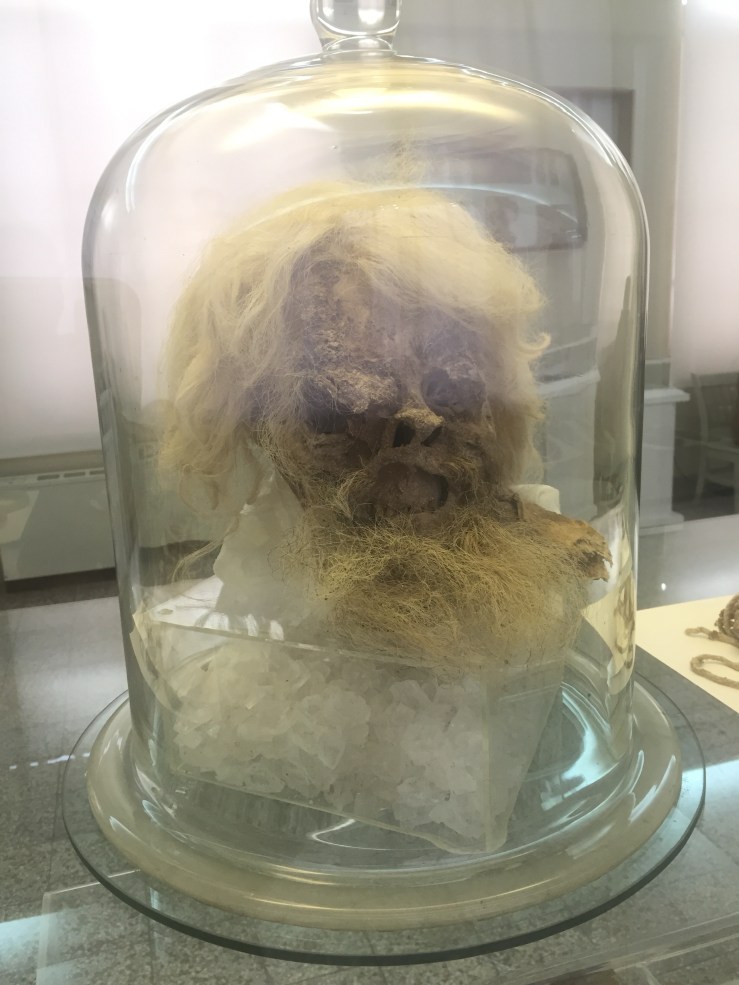
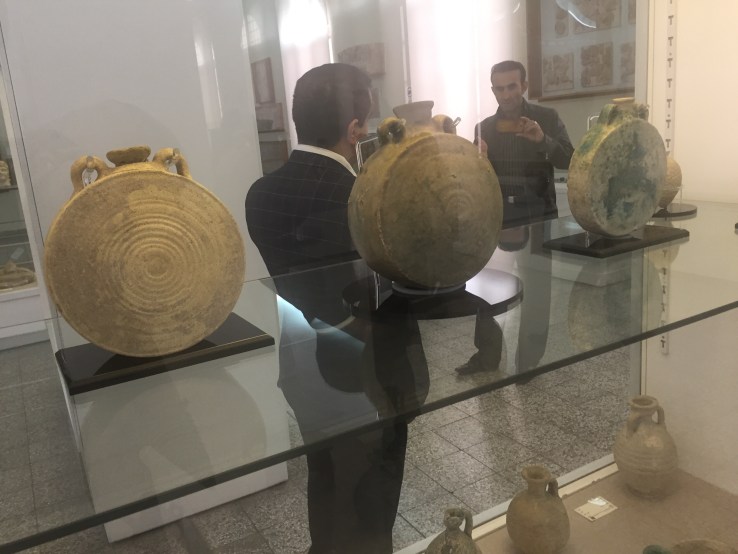
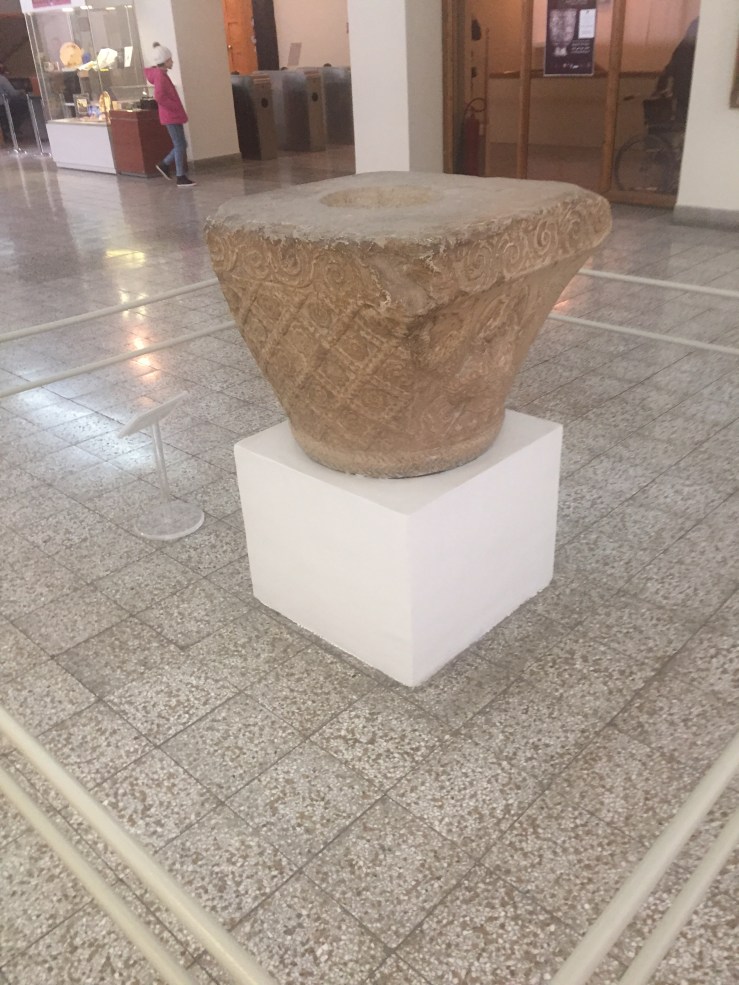
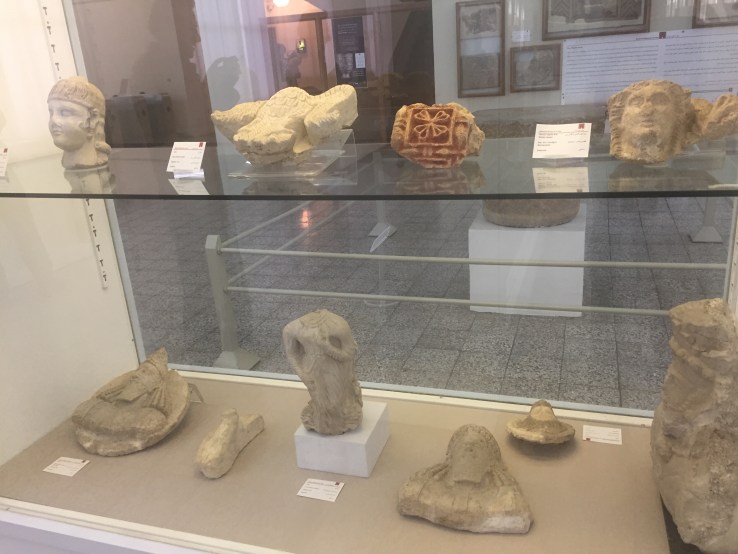
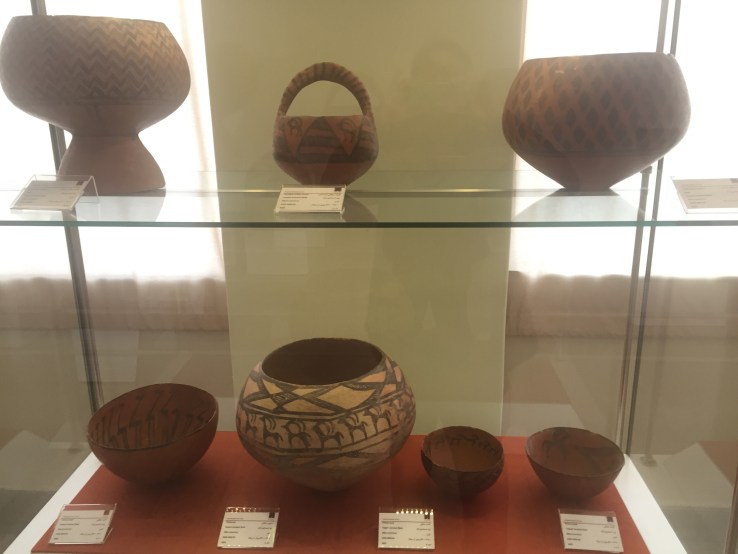
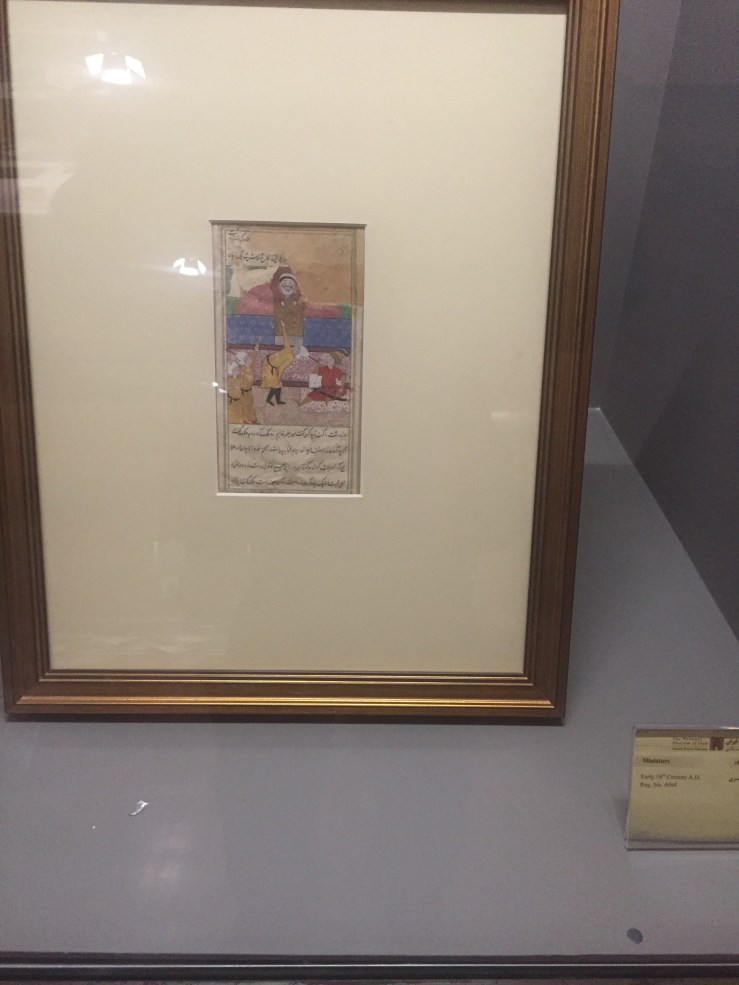
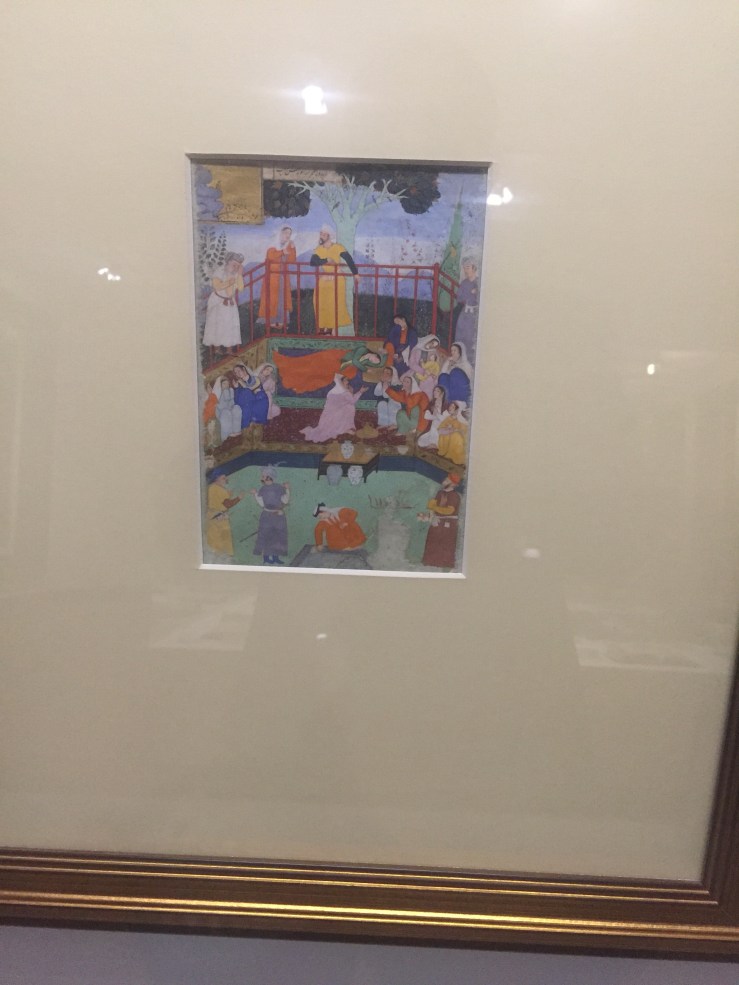
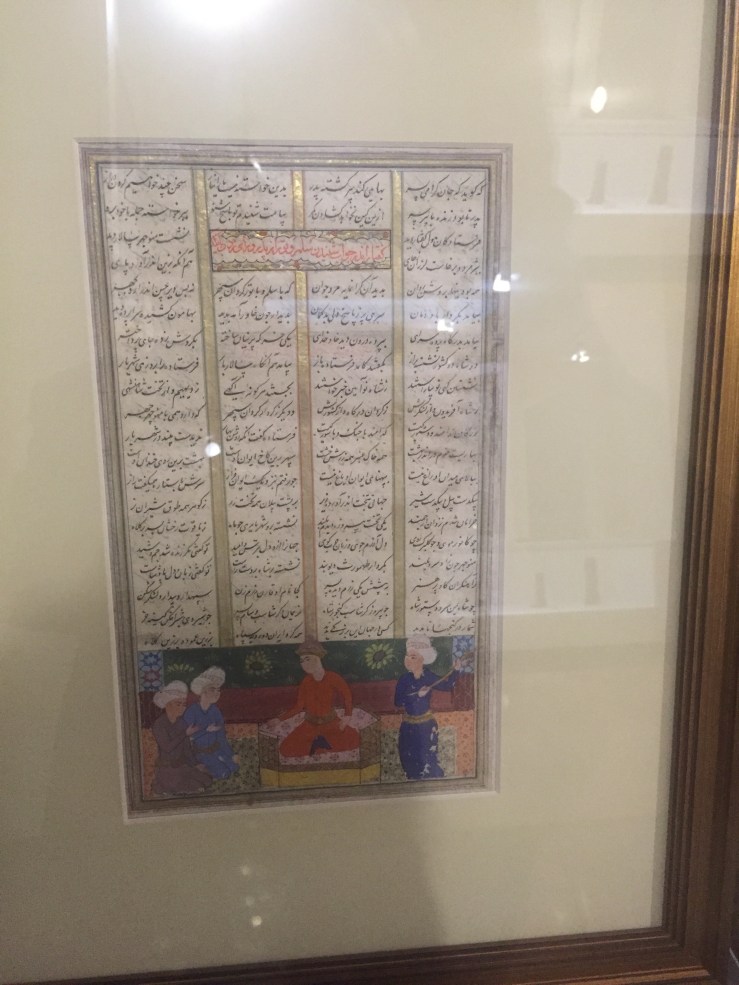
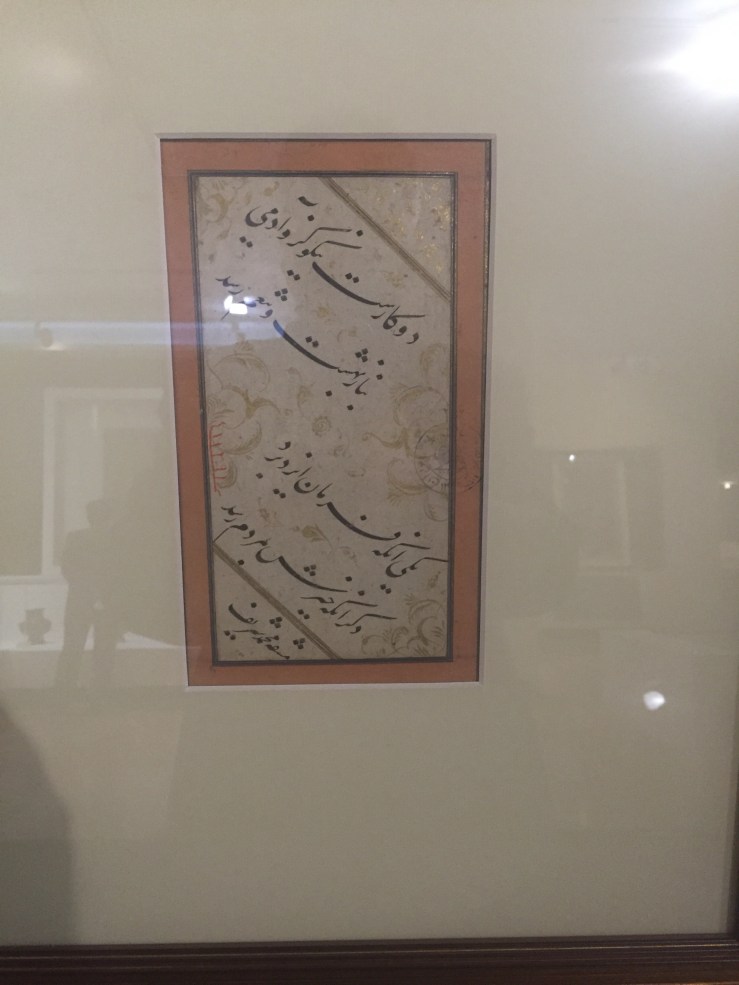
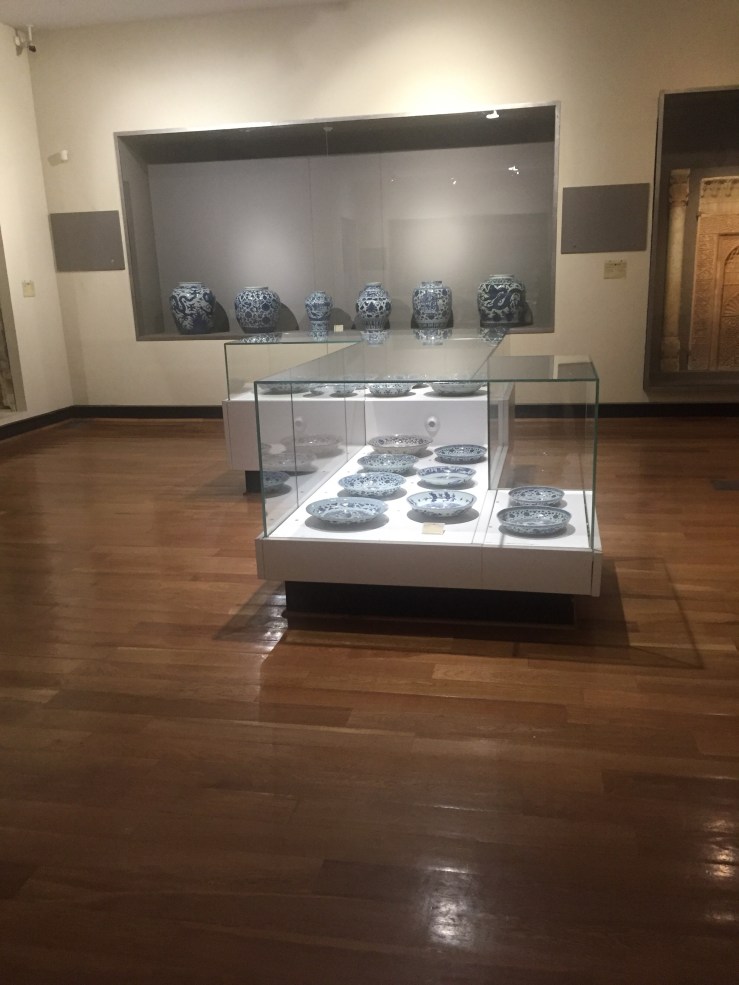
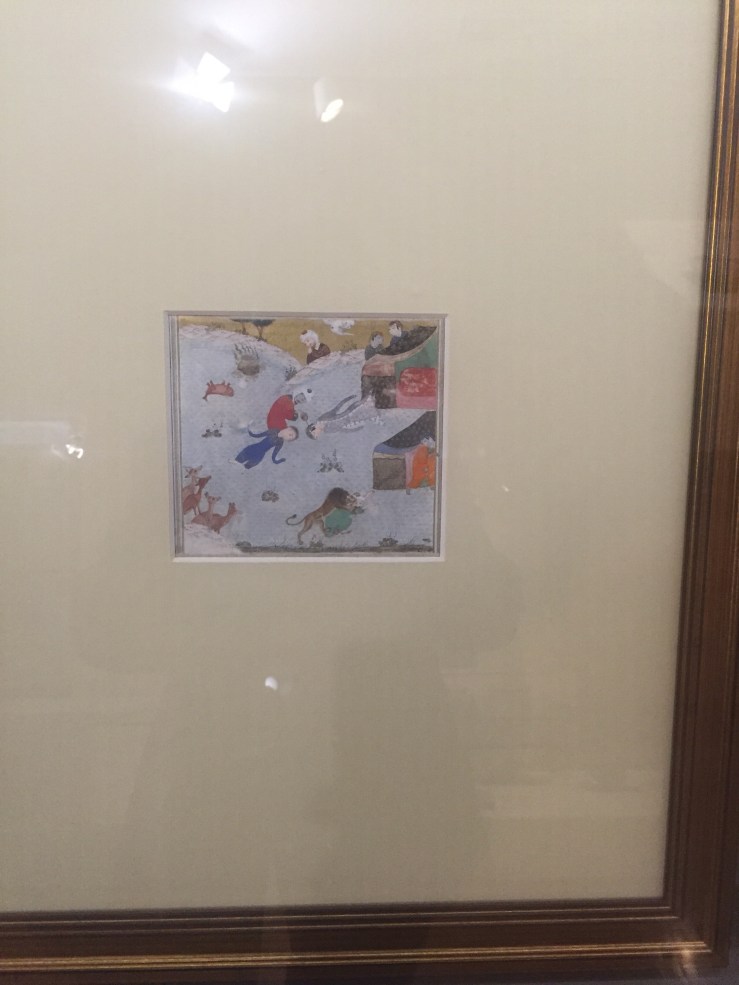
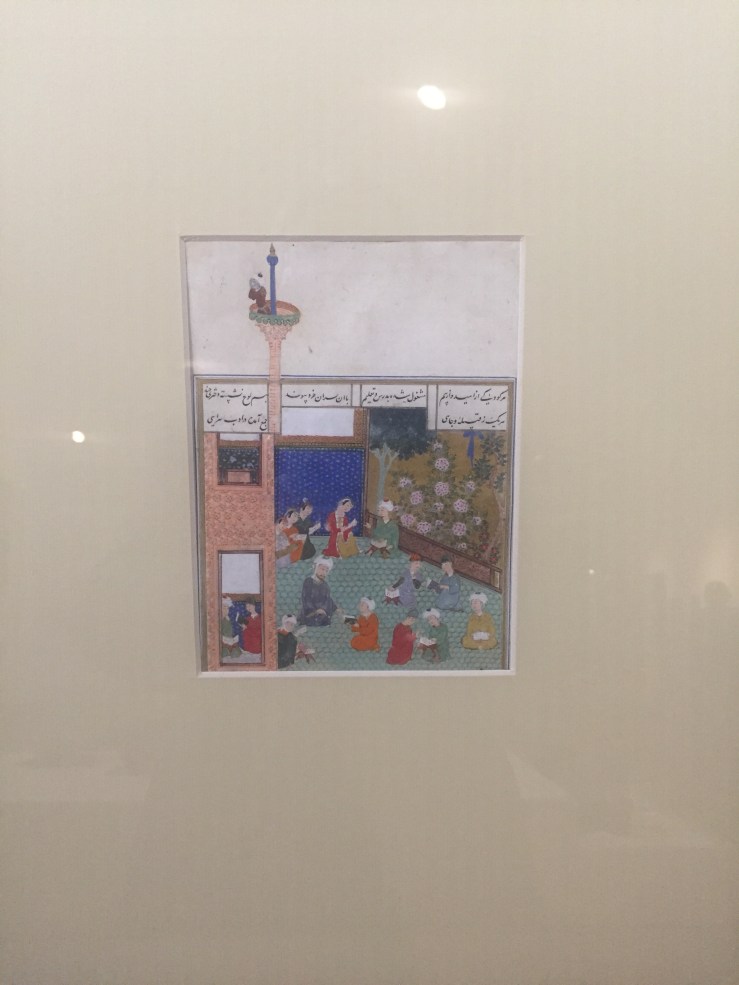
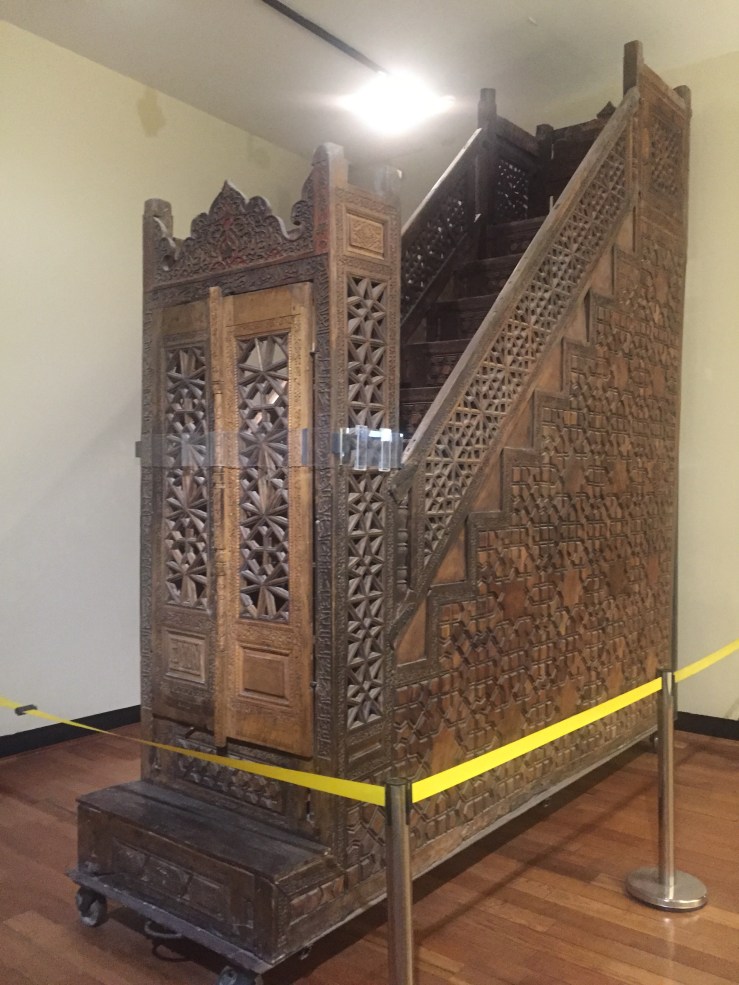
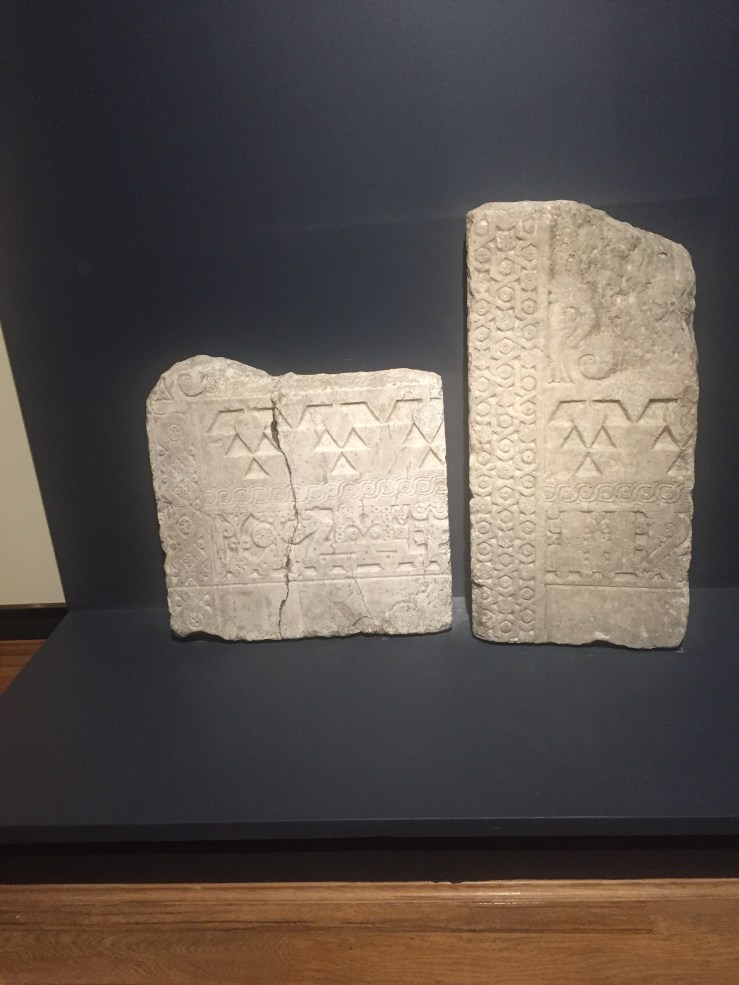
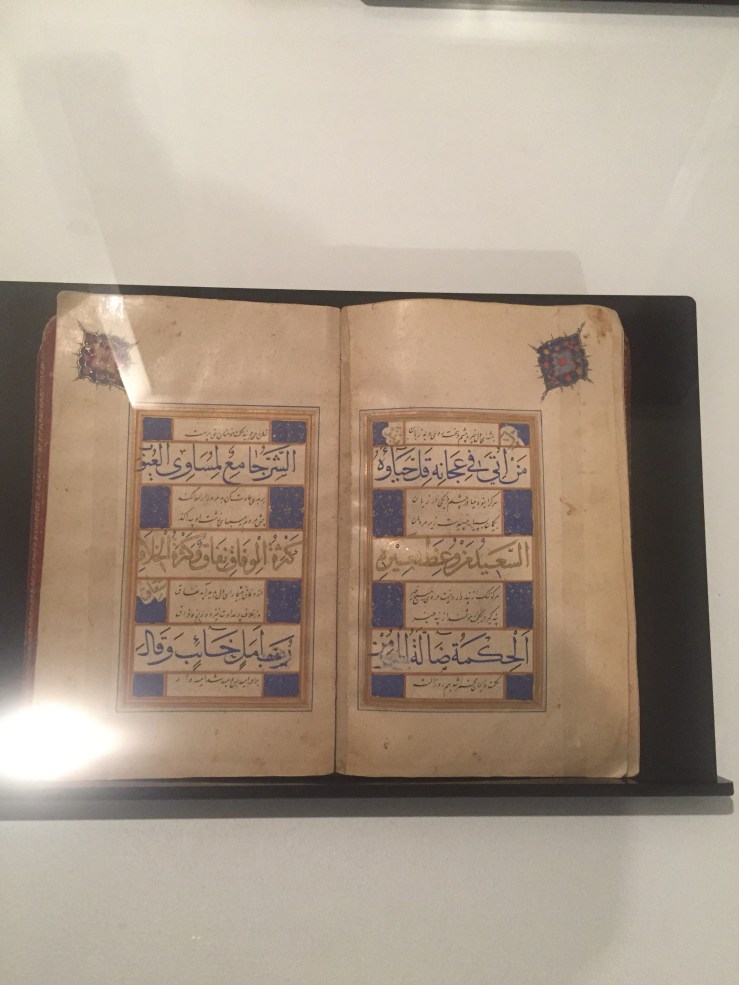
Here are some random representative artefacts displayed in these two museums:

Exhibits in the Museum of Ancient Iran:

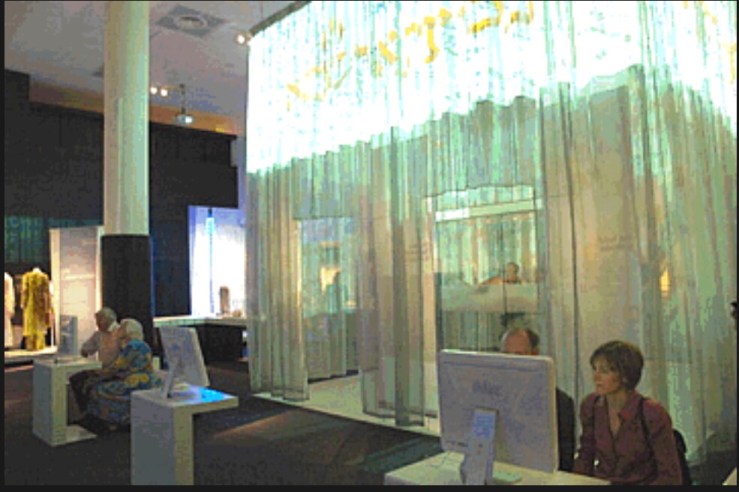
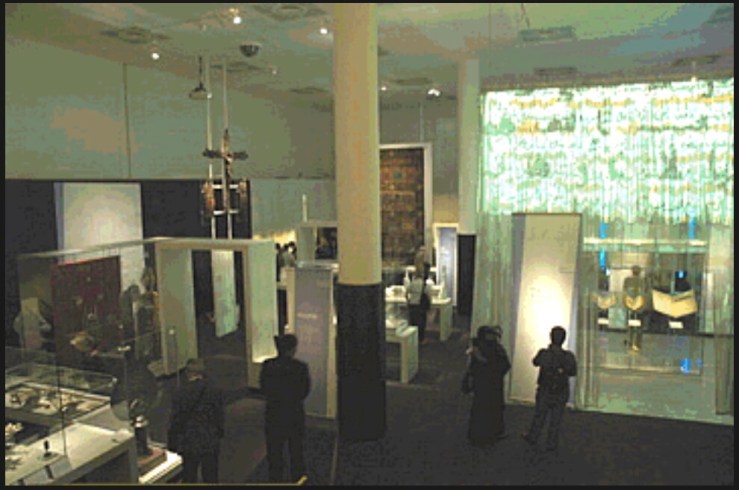
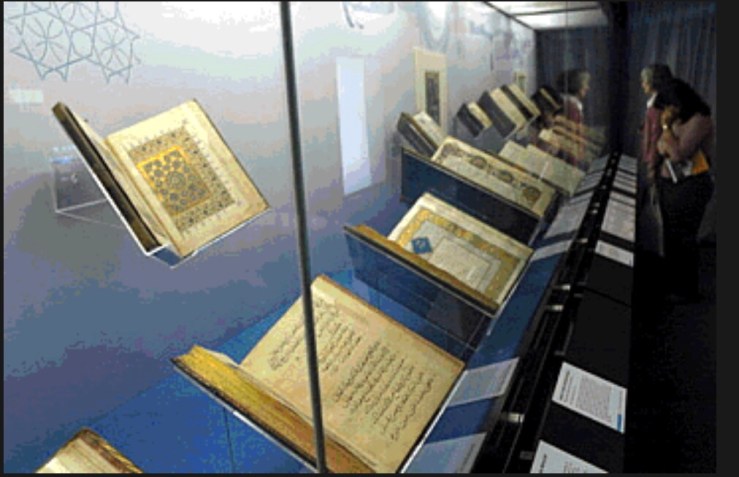
Specimen Exhibits in the Museum of Islamic Past:

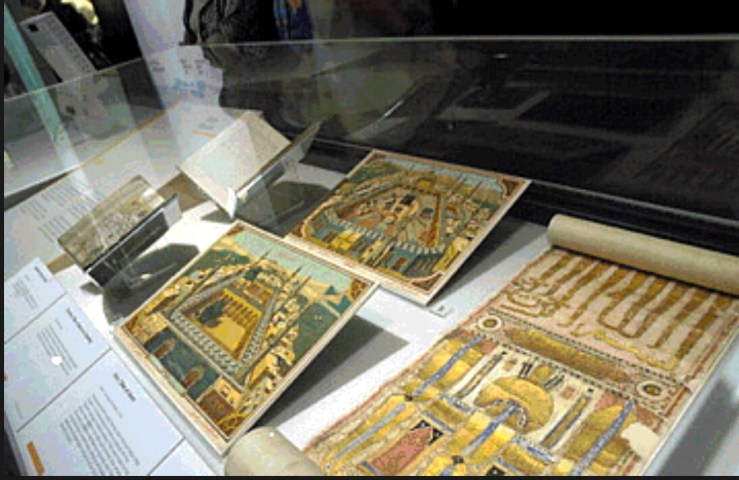
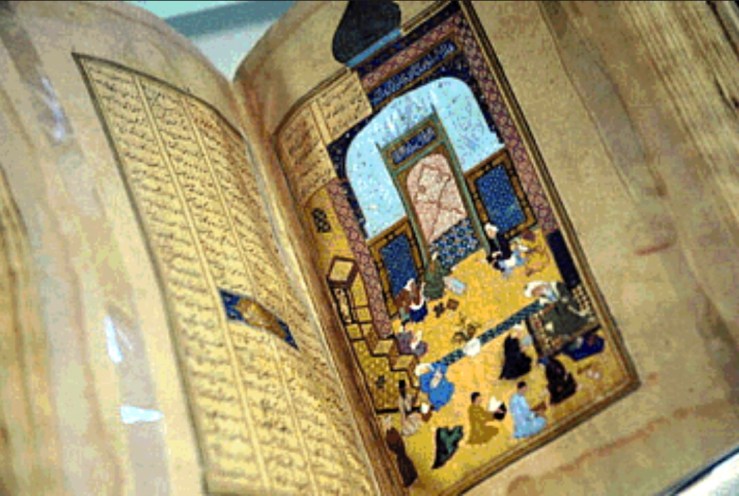
British Library’s The Sacred Exhibition, 27 Apr–23 Sep 2007

I had reach London as a Charles Wallace Fellow India at School of Oriental and African Studies (SOAS) on 1st of March and since day one was looking forward to see the Exhibition, The Sacred, which was scheduled to start at British Library in late April 2007.

It was but natural that as I was already working at both the libraries, the library of SOAS and the British Library on the Euston Road, I would rush there immediately as it commenced. I must say that from 28th April (a day after the inaugural) I would off and on visit the gallery. Sometimes soon after depositing my bags and overcoat in the cloakroom, I would first visit the exhibition and look at the manuscripts and other artefacts displayed as if I was seeing them for the first time! What gave me satisfaction was that being a registered member of the BL, the exhibition was free for me to visit any number of times!

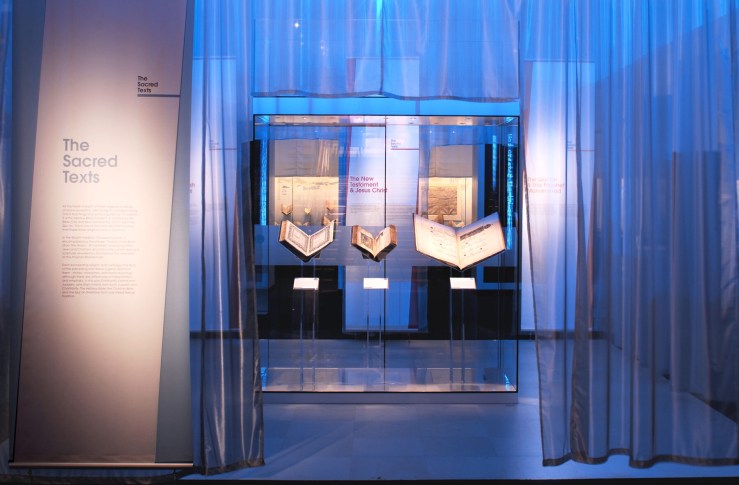
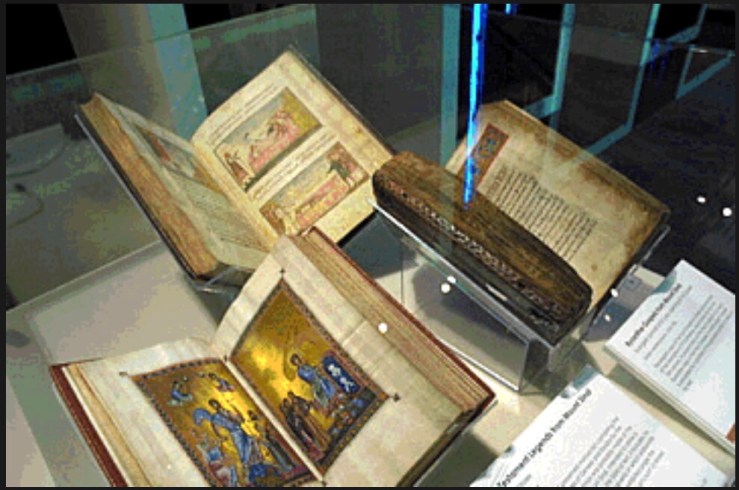
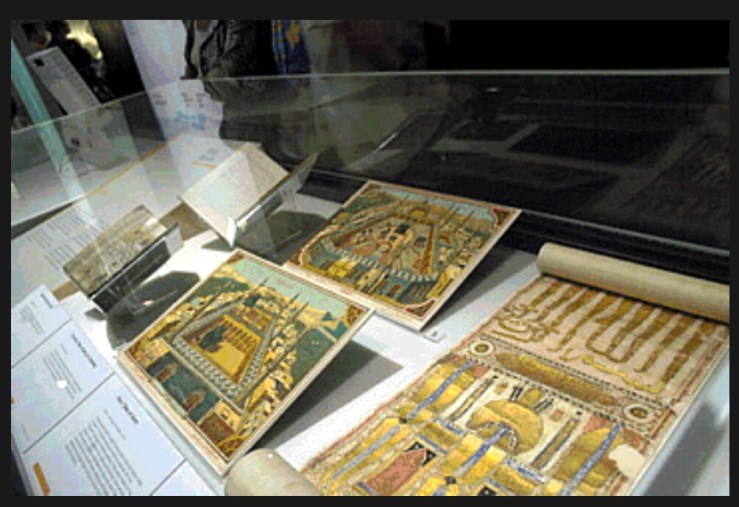
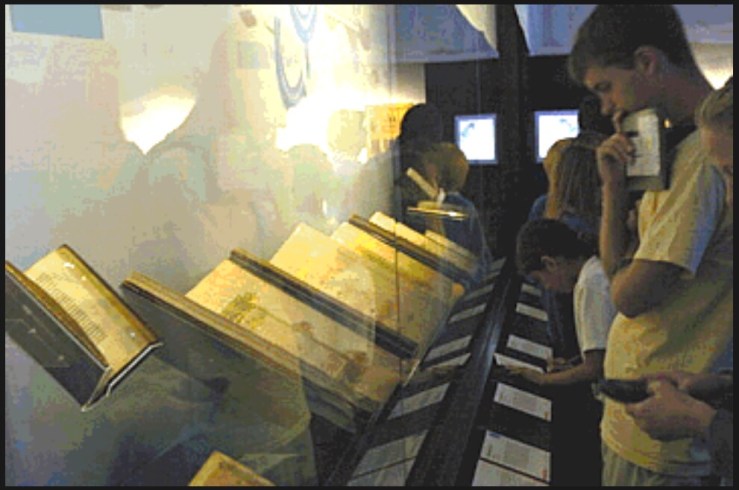
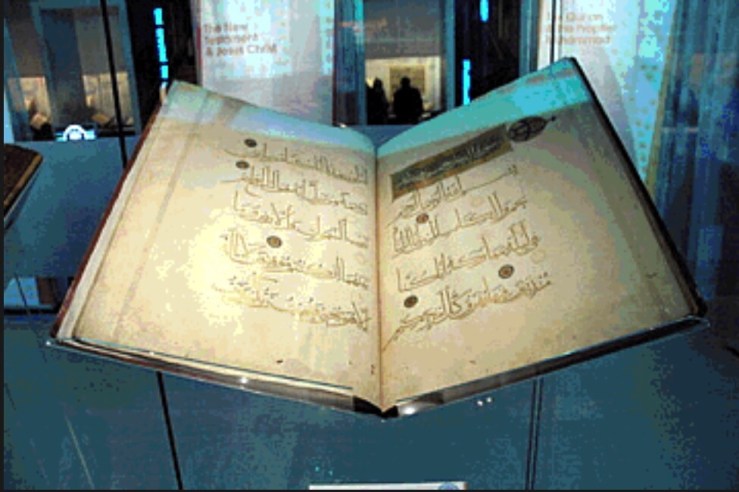
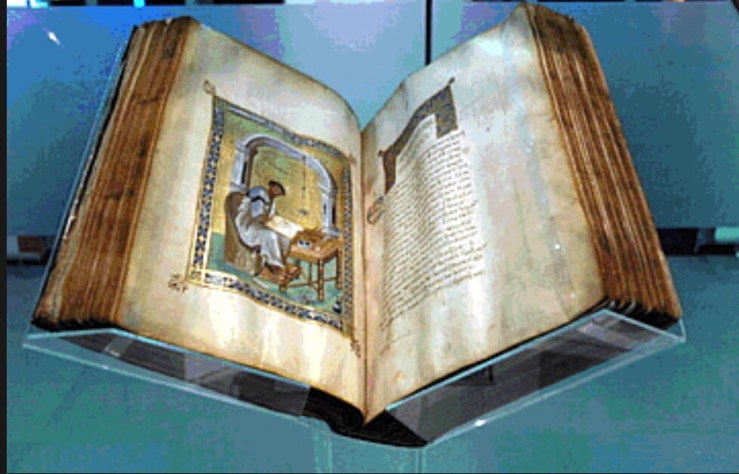
The British Library’s acclaimed “Sacred” exhibition brought together, for the first time, exquisite and very rare Jewish, Christian and Islamic texts, presenting them alongside one another to show the extraordinary shared heritage of the Abrahamic faiths.

Nikahnama of Bahadur Shah II

This lavish certificate (See last photograph above) records the marriage of the last Mughal ruler, Bahadur Shah II (r. 1837-57) to Zeenat Mahal Begum in India on 18 November 1840.

This document also known as kābīnnāma (marriage contract) opens with the religious wording in Arabic traditionally associated with marriage. It records that the marriage was legally performed, openly, with the consent of the bride and bridegroom.

It also states that the bridegroom agreed to pay a kabin (jointure or settlement) of 1,500,000 current rupees, of which one-third is to be paid immediately and two-thirds at any time during their married life, and that the marriage took place in the presence of two free, adult and righteous witnesses.

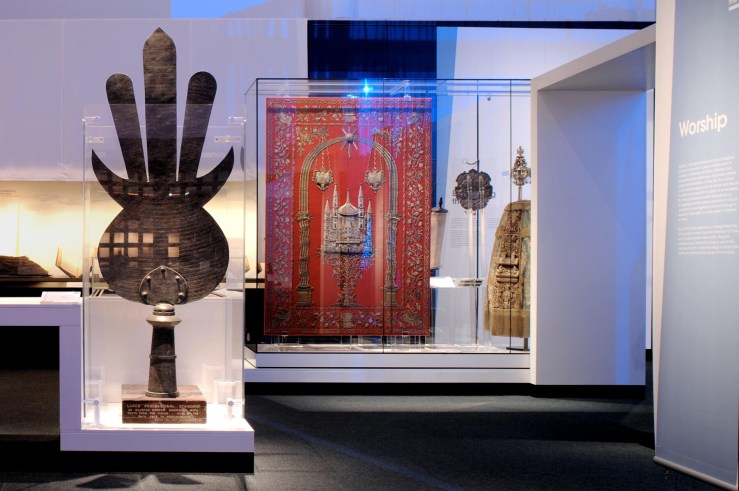
Personally for me the star attractions in this exhibition were the nikāhnāma of Bahādurshāh Zafar, and an ‘alam a palm hand symbol, from Iran signifying the panjatan, the Pious Five of Islam, a symbol used throughout the Shi’i world to commemorate Imam Husain.

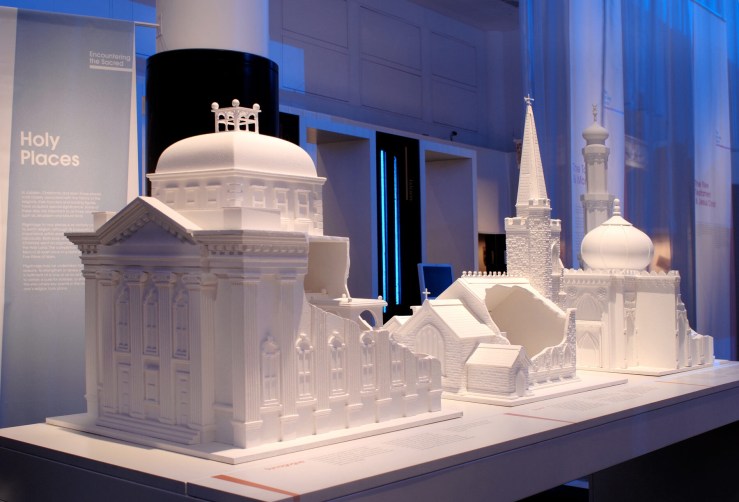
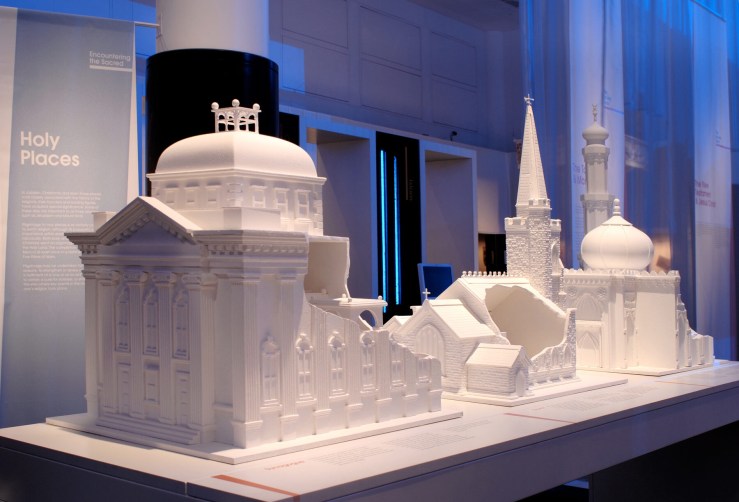
Another exhibit which interested me a lot was a model of a typical European mosque. The model tried to show the various influences which went into giving a typical form to a mosque amidst the Christian world.

This exhibition proved to be the most successful exhibition in the history of the British Library, both in terms of visitors, and of the overwhelmingly positive reaction from press and public alike.

It attracted, according to the BL website, over 200,000 visitors, an average of 1,325 each day, more than any other exhibition in the history of the Library.

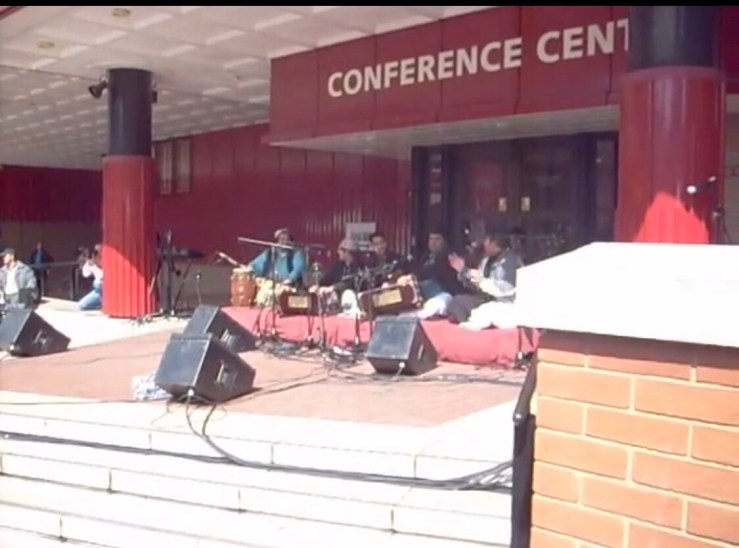
On Monday 7th May 2007 was held The Sacred Ways, a day long programme of music and dance related to Judaism, Christianity and Islam.

Despite it being a Holiday and a chilly day of downpour, 3,000 people came along to enjoy Sacred Ways, in the British Library piazza. Most of those who attended took the chance to visit the Sacred Exhibition itself, which saw its biggest queues since the exhibition started on 27 April.

The Piazza of the British Library was transformed, with a programme of outdoor performances, workshops, food, crafts, installations and displays. The best hot steaming samosas which I ever had in my life was there as the rain fell!

The performances this day reflected on sacred places, journeys and traditions associated with the Jewish, Christian and Islamic faiths.

Families were very much in evidence, and all ages enjoyed the wide range of music and dance on display. Artists included the London Jewish Male Choir, the IDMC Gospel Choir and the Ameer Khan Qawwali Group.

The appended clip is of the Qawwali presentation during the Exhibition on 07/05/2007. As is to be expected, I was behind the camera!

Qawwali of Ameer Khan & party, BL, London 2007

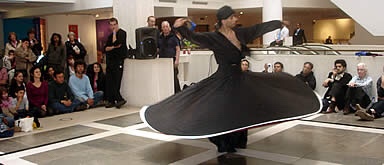
For many, the highlight was the spectacular performance from Zia Azazi, an exponent of modern Sufi dance. This was fitting climax to an enchanting day. I can be seen peeping from behind the black frock of the dancer.

Whirling Dance Zia Azizi Turkish Dancing Sufi

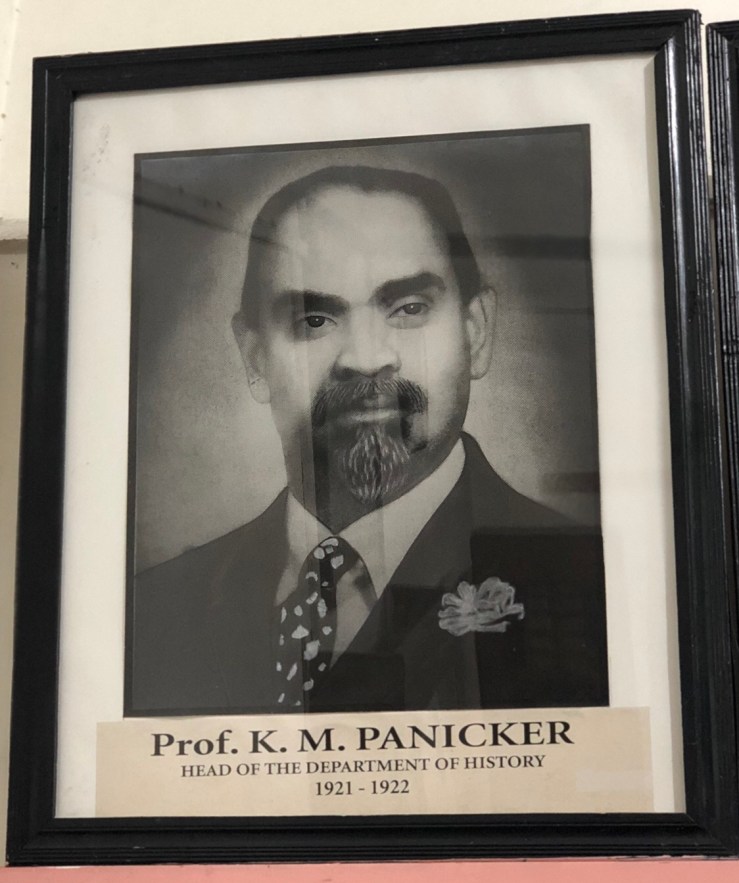
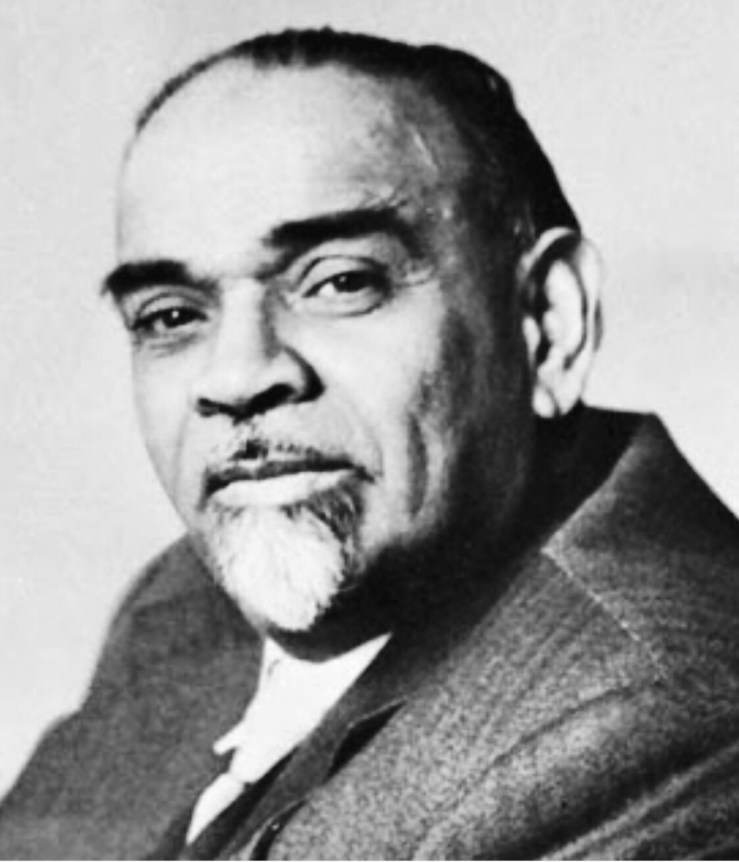
Sardar KM Panicker (1895-1963): The first Head, Department of History, AMU

The first Head of the Department of History, Aligarh Muslim University was Professor K M Panicker.

After a period as a professor at Aligarh Muslim University and later at University of Calcutta, he became editor of Hindustan Times in 1925. He then was appointed Secretary to the Chamber of Princes. Later he moved to Patiala State and then to Bikaner State as Foreign Minister later becoming the latter’s Prime Minister.

After India gained independence, Sardar Madhava Panicker represented the country at the 1947 session of the UN General Assembly. Two years later, in 1950, he was appointed India’s (the first non-Socialist country to recognize People’s Republic of China) Ambassador to China. After a successful tenure there, he went as Ambassador to Egypt in 1952.

He was also appointed a member of the States Reorganisation Commission set up in 1953 and was also India’s Ambassador to France and a member of Rajya Sabha. He also served as Vice-Chancellor of the University of Kashmir and the University of Mysore.

His interests stretched into diverse fields such as, art, notably novels, poetry and Kathakali and he wrote equally well in both Malayalam and English and published over 50 books and numerous articles. At Aligarh he wrote and completed his celebrated work in Harsha, the ruler of Kannauj. During the same period he also composed a work on Indian Nationalism.

Panicker’s interest in European influence on Asia was reflected in his studies of the Portuguese and the Dutch in Malabar (in South India) and especially in his Asia and Western Dominance (1953). In Two Chinas (1955) revealed his sympathy with Communist China.

Amongst his notable works in English the following can be included:

• 1920: Essays on Educational Reconstruction in India

• 1922: Sri Harsha of Kanauj: a monograph on the history of India in the first half of the 7th century A. D.

• 1923: Indian Nationalism: its origin, history, and ideals

• 1928: The Working of Dyarchy in India, 1919–1928

• 1929: The Evolution of British Policy towards Indian States, 1774–1858

• 1929: Malabar and the Portuguese: being a history of the relations of the Portuguese with Malabar from 1500 to 1663

• 1930: The Founding of the Kashmir State: a biography of Maharajah Gulab Singh, 1792–1858

• 1930: Federal India

• 1932: Indian States and the Government of India

• 1934: The New Empire: letters to a Conservative Member of Parliament on the future of England and India

• 1936: The Indian Princes in Council: a record of the chancellorship of His Highness, the Maharaja of Patiala, 1926–1931 and 1933–1936

• 1937: His Highness the Maharaja of Bikaner: a biography

• 1938: Hinduism and the modern world

• 1942: The States and the Constitutional Settlement

• 1943: Indian States

• 1944: The Strategic Problems of the Indian Ocean

• 1945: India and the Indian Ocean: an essay on the influence of sea power on Indian history

• 1947: India through the Ages

1953: Asia and Western Dominance: a survey of the Vasco Da Gama epoch of Asian history, 1498–1945

• 1954: A Survey of Indian History

• 1954: In Two Chinas: memoirs of a diplomat

• 1956: The Principles and Practice of Diplomacy

• 1957: Voice of Truth, a topical symposium: replies to attacks on Christians and missionaries in India

• 1957: India and China: a study of cultural relations

• 1958: The Determining Periods of Indian History

• 1960: A History of Kerala, 1498–1801

• 1960: The State and the Citizen

• 1961: Hindu Society at Cross Roads

• 1961: Essential Features of India Culture

1962: In Defence of Liberalism

• 1963: Studies in Indian History

• 1963: The Ideas of Sovereignty and State in Indian Political Thought

• 1963: The Foundations of New India

• 1963: The Himalayas in Indian Life

• 1964: A Survey of Indian History

• 1964: Hinduism & the West: a study in challenge and response

• 1964: The Serpent and the Crescent: a history of the Negro empires of western Africa
• 1965: Lectures on India’s Contact with the World in the pre-British Period

• 1966: The Twentieth Century

• 1967: Caste and Democracy & Prospects of Democracy in India

• 1969: Geographical Factors in Indian History

• 1977: An Autobiography

For further light on his contributions visit the following blog:

KM Panikkar

A Free History Lesson for Bhakts

Meha Dhondiyal sends a free lesson in History for the illiterate Bhakt:

“I read that the CM of Uttar Pradesh, a much touted graduate, said this today: “Akbar, Aurangzeb and Babar were invaders. The sooner we accept the truth, all the problems of our country will vanish.”

I guess he slept through history in school so here is a history lesson for him and his Hindutva brigade:

Babur was the only one of the three who came with a conquering army to India. But he didn’t defeat the Great Hindu Empire. You know why? Because the Great Hindu Empire of India didn’t exist. He defeated a Muslim, Ibrahim Lodhi, at the Battle of Panipat.

Akbar, his grandson, was no invader. He was born in India – at the Rajput fortress of Umerkot, where his parents were refugees. He was married to the daughter of a Rajput Hindu King of Amber Raja Bharmal, and he never converted his wife to Islam. He celebrated Holi and Eid and all Indian festivals. His son from his Hindu wife became his successor, Emperor Jahangir. His son also married a Hindu princess whose half Rajput-half Hindu son became the next Emperor Shah Jahan.

                     Akbar wearing dhoti

Aurangzeb was the quintessential Indian, you could say. Stark, ruthless, staunchly religious bordering on the fanatical person but perhaps that makes him the closest Indian, truly comparable to the Hindutva fanatic of today, I think. Though he was not Indian enough to lynch as far as recorded history shows.

The Mughal Kings were as much Indian as you and me. They were not invaders. The were the Emperors of Hindustan, not looters. They were all probably more Indian than most of the NRIs kids for sure.

Lastly, do you know who were the most celebrated invaders? The early Aryans! Can the Dravidians blame all the problems of the country on the Aryans?

So please keep your ignorance to yourself. Either educate yourself or kindly keep quiet…”

🙂