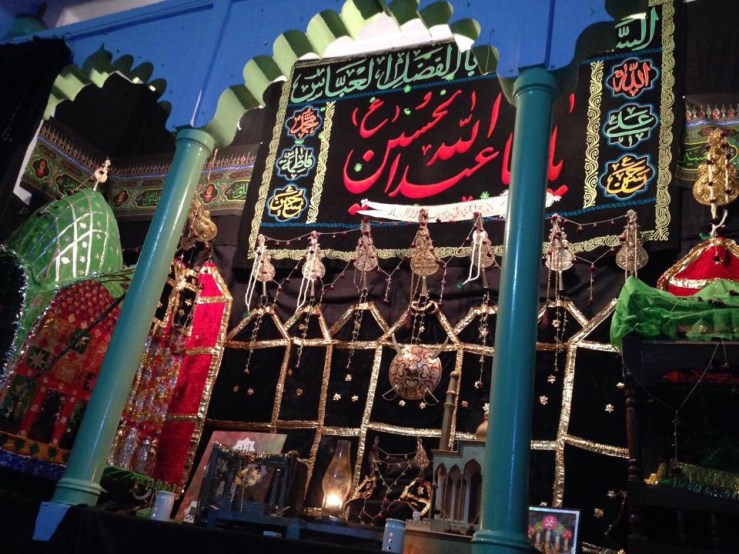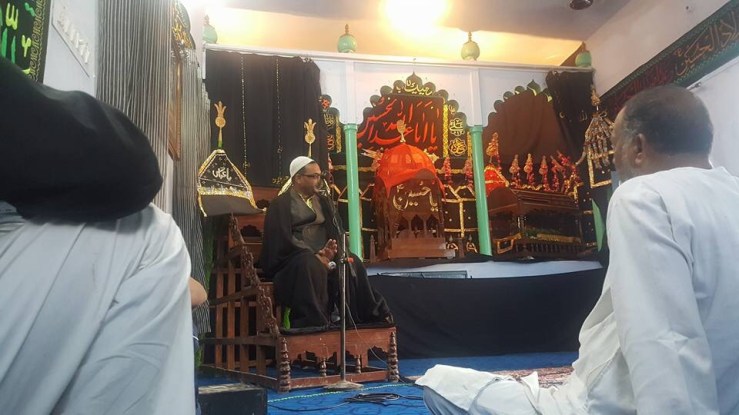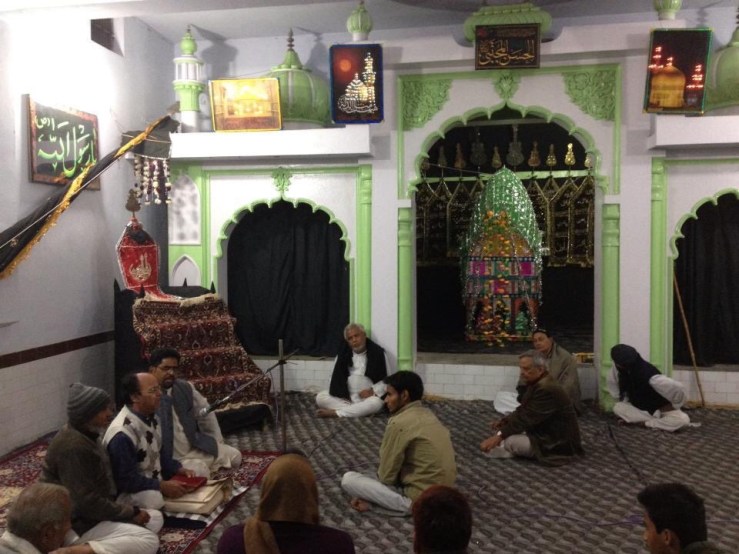
Commemorating Muharram at Haswa, District Fatehpur

The traditions of mourning Imām Husain during the ten days of Muharram has a very long history.

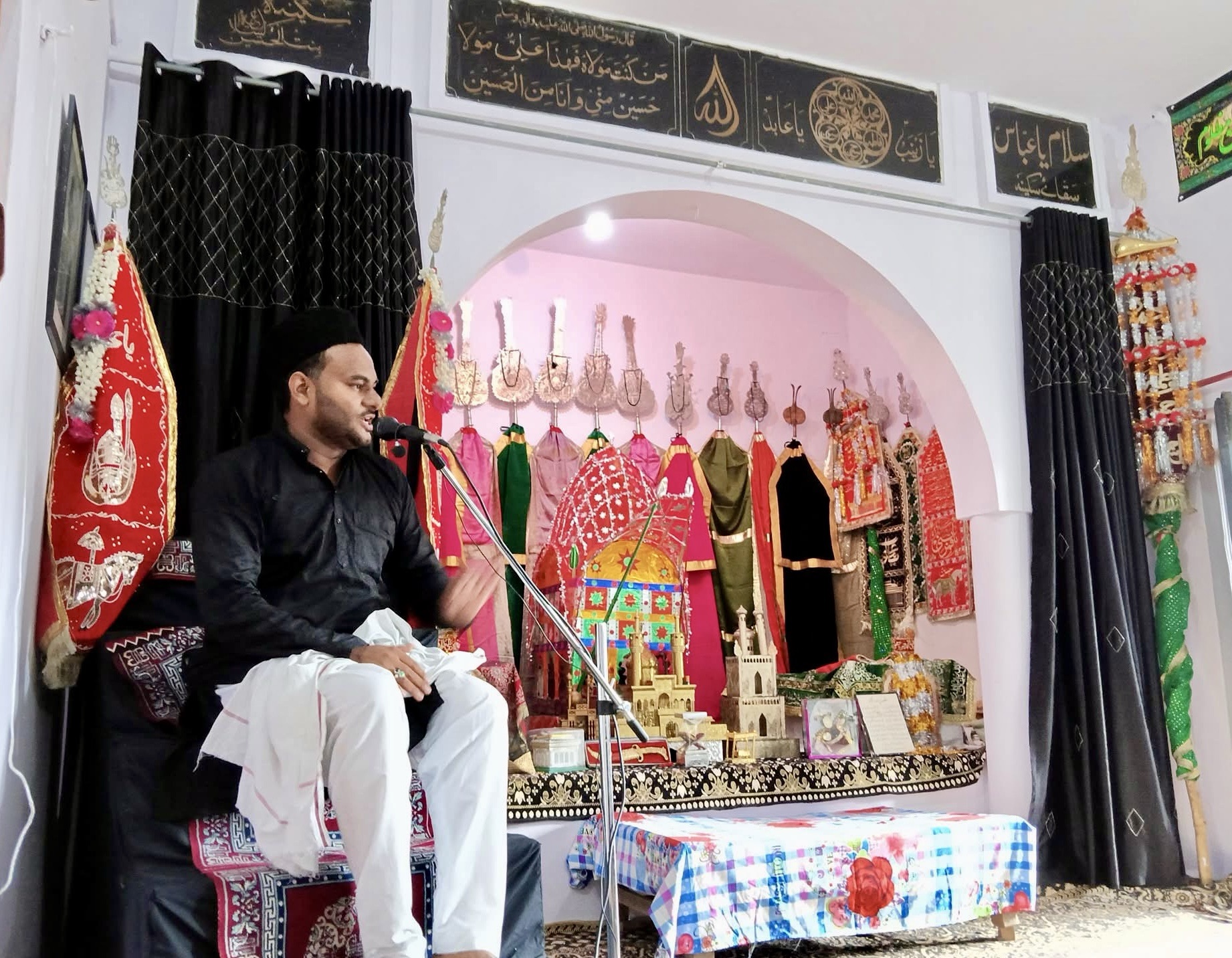
Before going further, let me first explain some of the terms: the term majlis stands for the congregational assembly or gathering where the memory of the martyrs of Karbala are invoked. It comprises basically of three parts: a typical majlis starts with soz khwāni, recital of dirges while sitting. It usually starts with salām (salutations: verses eulogising the Ahlulbayt) and ends with certain bayts (verses) of Marsiya (elegies). This is followed by the oratory (zakiri/ majlis) “recited” by a zākir” orator: Though seldom “read” but delivered in the form of a speech it is “recited” as initially there used to be a recital of a book written during the 17th Century in Safavid Iran which was known as Rauzat ush Shuhada. It was a versified account of Karbala by Waez Kashifi. Later this job was taken over from the reciters by orators, zākerīn.

The zikr or main oratory has two parts: fazāil (praise, appreciation) and masāeb (travails). In the first part the orator tells about the life, message and parables from the experiences of the Ahlulbayt as well as discusses any theme or topic he may want, from meaning of Islam to the acts of terrorism today, the message of the Prophet to the social ills prevalent in the community. The end 10 to 15 minutes are necessarily devoted to the masaib: an account of the tragedy which befell on Imām Husain and his followers at Karbala.

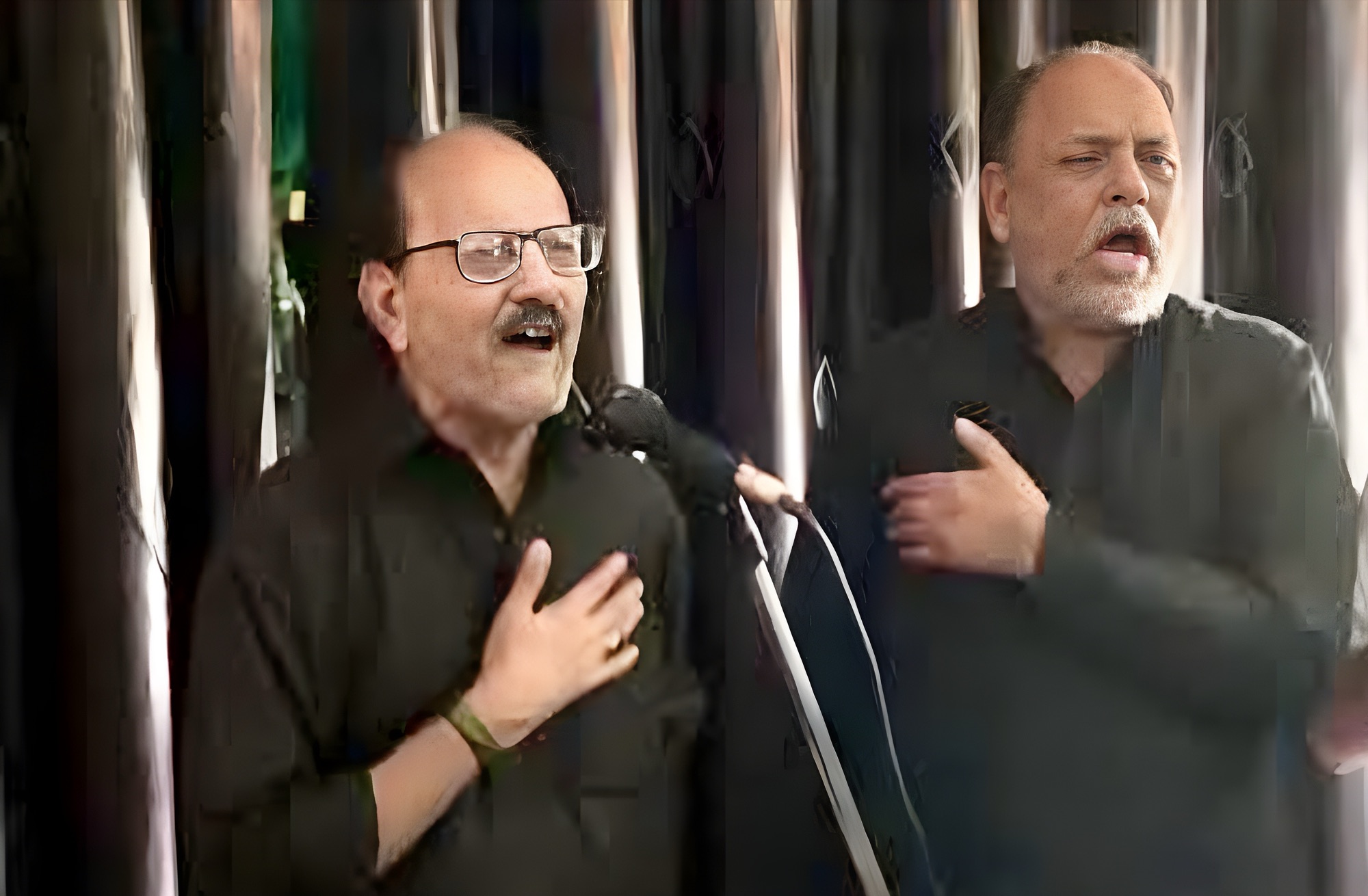
The last part of the majlis is mātam, beating of chest as a sign of lamentation along with a recital (in fact singing) of nauha (dirges). The crescendo in the mātam is reserved for the last. The programme ends with a ziarat (salutations) and distribution of tabarruk (offerings) of whatever the host can manage: sweets or biscuits or whatever eatable on can manage. The distribution is amongst all who were present.

As such majlis (plural, Majālis) are held for all the ten days, it is known as “Ashra” ( ashr being 10).

It is said that if you want to experience the real spirit of Muharram, go to a qasba (a mufassil town) or a qarya (village).

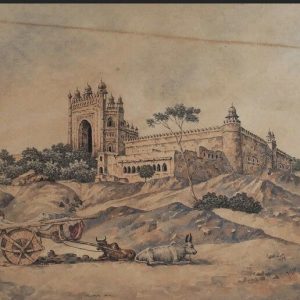
My ancestral place is Haswa, once a qasba (during the Mughal rule and Colonial period) but now a village (grām) in the district of Fatehpur in eastern UP. It derives it’s name from a certain legendary Raja Hans, who was allegedly a contemporary of Pandavas. It was after him that the place came to be known as “Hanswa”, and later “Haswa”. It’s antiquity is attested to by a large number of Kushan period bricks found in the big pond near our house, ancient sculptures and stone carvings embedded within our ancestral homes and a Greek inscription found from a nearby temple a a couple of decades back.

During medieval times the place had two forts, a mud fort and another with stone ramparts attested to as late as the account of an 18th century traveller and Jesuit, Josef Tieffanthaler. According to Abul Fazl the revenues of Haswa were more than that of Fatehpur.

Today in Haswa, Muharram is commemorated only in our Muhalla, known as Muhalla Chaudhrana which has around 22-25 houses, all belonging to one family, ours. Like every other traditional ancestral family, ours too is divided into a number of branches (at least three in our case). All three branches have their own focal points, and are an example of living together separately.

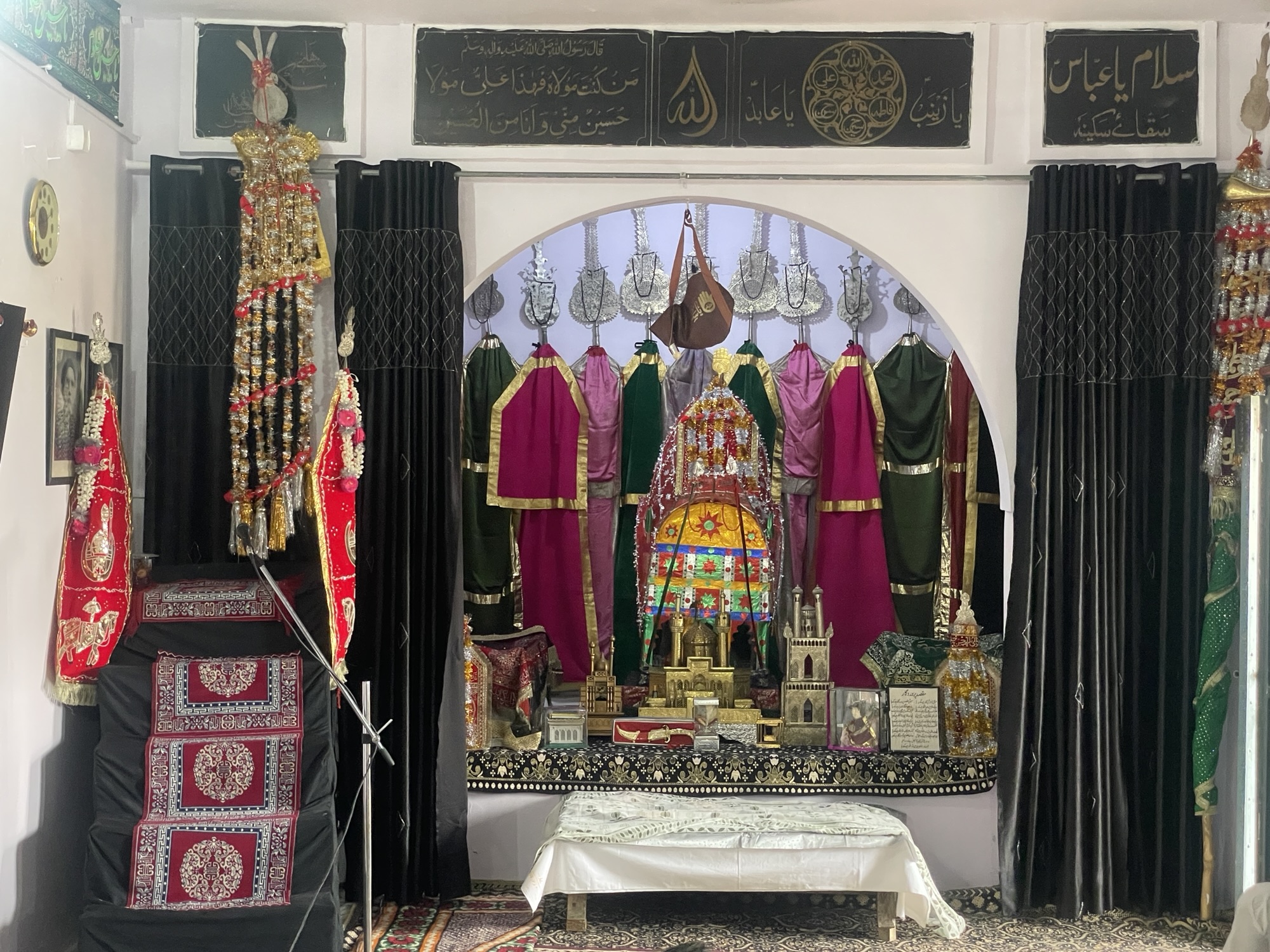
Each house in our Muhalla is now basically an Imāmbada: a large Hall with shahnashīn (platform) a large courtyard and some dālāns and rooms, as the occupants come here only during Muharram to hold majālis (mourning ceremonies). Apart from all these, there is a separate Imāmbada and a Hātha, a former males quarters.

From early morning to late nights the whole neighbourhood and it’s occupants do only one thing: commemorate Husain! Every day there are community kitchens and “Hāzri” for all men and women, day and night.

Even the non-Shi’a neighbourhoods in Haswa start getting crowded with all type of people returning back home to commemorate Muharram: by first of Muharram the whole qasba is abuzz with people eager to receive Imām Husain amongst their midst. Among those who come are a group of of tabalchis – those who beat drums, dhols and tāshas and produce music. Since the sighting of moon the “Muharrami bāja” as they are called, are on the round through out the inhabited areas, passing from muhalla to muhalla announcing the mourning of Husain.

Special preparations start weeks before with every house being coated afresh, some residents even time building new structures to be completed by the dawn of first Muharram. The houses are well stocked to receive incoming guests; generators for electricity are installed and arrangements for proper water supply are made. White washing of the “Karbala” situated outside the village, beyond the lake, which also comprises the family graveyard is done.

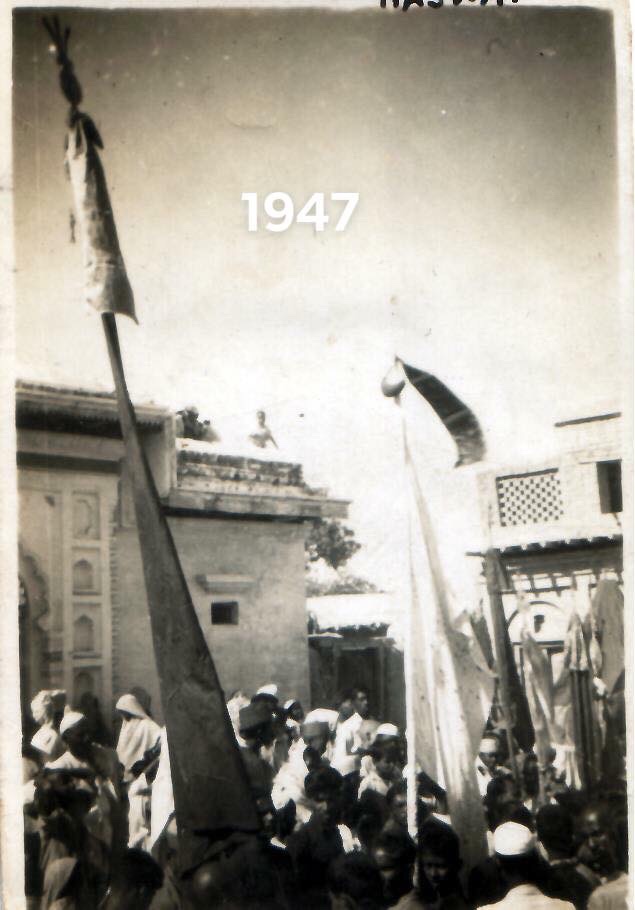
From 1st of Muharram to 10th of Muharram there is nothing but sounds of lamentation and cries of “Yā Husain” emanating. Two days however are more elaborately hallowed: the 7th Muharram and the 10th Muharram which are marked by daylong processions of Alams (standard/banner/flag), tābūt (replica of biers) and tazias.

The “ashrā” of Majālis start from early morning of the first: at 7 O’clock the first majlis commences in the House (Imāmbada) of Iqbal Chacha. Followed by a majlis in our own Imāmbada. In fact in our Imāmbada two majalis take place: one in the morning and another at 4:00pm. All over the day around 8 ashras are held and they end late in the night, with people hopping from one majlis to another. When I started visiting my village 20 years back, there were only a few orators (zākirs) all from the family, I being one of them. Now since a number of years around half a dozen professional orators are “imported” from Lucknow and elsewhere. Since two years or so a Maulana from Faizabad, who practices law is given the mimber.

For a period of ten days, the entire locality bustles with people. But suddenly on 11th the Muhalla starts getting vacated. If there were a thousand individuals a day before, by the noon of 11th half are gone. The other half who remain are usually gone in the next two days or so with only a couple of people remaining in the entire neighbourhood waiting for others to return the next Muharram.

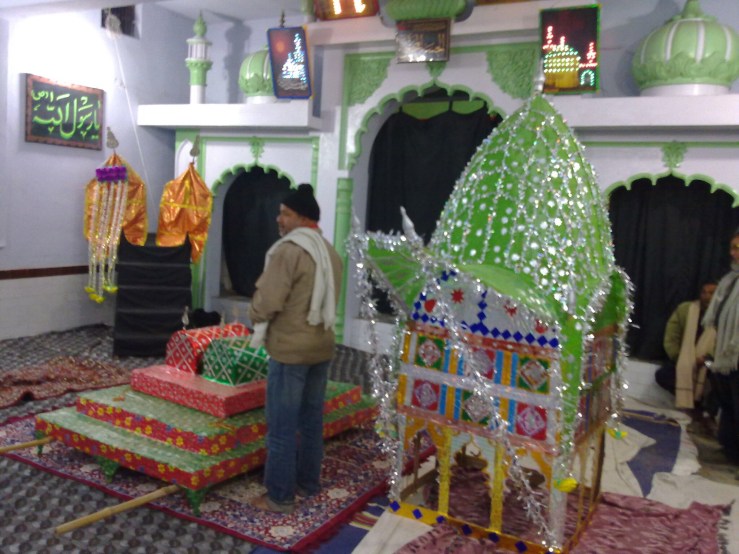
The first Ashra of majālis to start at Haswa was in our azākhāna [mourning chamber: a place decorated with alam (flags & emblems), tazia (paper and wood replicas of the shrines) zarī (metal replicas of the same) etc. and a hall to assemble]. The second majlis of the day is held in our house, which was initially started by my late father, Allama Saiyid Sibtul Hasan in 1930’s or so. Later my uncle late Munirul Hasan continued the tradition even after my father left the village to settle in Aligarh in 1954. Later one of our uncles also started a second Ashra in our azākhana. So today, a majlis is held daily at 10:00 am and another at 4:30 pm. Before independence, till 1953 my father Allama Saiyid Sibtul Hasan, Fāzil-i Hanswi used to address the gatherings. These days, our Ashras is addressed by a Maulana who is called; the other is recited by my second cousin’s son, Husain. Till a few years back, I too would recite a number of majālis in my house.

Any typical Muharram day at Haswa however starts with an Ashra scheduled for 7:30 am in the house of late Iqbāl chacha. Usually a zākir from Lucknow is invited there.

The third daily majlis of the day is held in the azākhāna of Nihāl Bhai, who unfortunately expired much before I started going to Haswa myself. Since the last decade and a half I found Nihāl Bhai’s younger brother late Chānd Miyān organising this majlis. Since his passing away, Nihāl Bhai’s son has taken over. They also now invite a zākir, usually from Fatehpur to come for the daily majālis.

At around noon, or a little later, is held an Ashra in the house of Abrar Chacha. This majlis is still followed by a mātam accompanied with drums and tāsha, the mātami bāja. Unfortunately some individuals are trying to do away with this practice. And sadly, they appear to be succeeding: a Shia version of wahhabiyat where every second thing is “harām” or “biddat” is also gradually seeping in!

In the evening a majlis is held in the house of Hassu Bhai. Here generally the zākir is called to recite the majlis.

After the evening prayers a majlis is held in Hātha, a place which was a common mardānkhāna of the entire clan, but now held by a family. It is technically not an Ashra as majālis are held only till 8th Muharram and with a gap on 7th due to a procession. It used to be the largest majlis of the entire day and was till recently attended by people from far and wide. Usually a zākir from Lucknow is there. I remember that till a decade or so back, late Razi Bhai was the one who held the sway there. During that period, a number of poets too present their kalām from the mimber (pulpit) and a number of nauha khwān (dirges reciters) cued up vying with each other to get a chance!

The day ends with the last majlis of the day: the majlis in the Imāmbada of Bunyād Ali, one of our grandfathers. Here too, technically it’s not an ashra as only six majālis are held like in Hātha.

Then there are many individual majalis organised by even Sunnis are held. One of them is held on 7th Muharram.

No account of Muharram at Haswa can end without the mention of two of its residents: Qaisar and Hasan Fatehpuri.

Qaisar has a very restricted vision but remarkably remembers all the nauhas and even soz! He single handedly takes up this duty in every azākhāna! And in every procession. His memory keeps us amazed.

Hasan Chacha is our own proud bard: we actually look forward for his new kalām every year! He not only is an accomplished poet, but is a possessor of a good throat and voice. Unfortunately since a few years he has been unable to come. Replacing him today are two others who come from Mumbai: Pappu and Kausar Rizvi. Kausar Bhai himself is an accomplished poet and composes his own nauhas which are quite popular and liked.

As far as the julūs-i azā (mourning processions) in Haswa are concerned, they too, like in any other Shi’a basti in North India, are many.

However I will single out only two or three of them here. Haswa since before independence is known for 7th Muharram. On 7th a massive procession is taken out around noon from the Imāmbada of Bunyād Ali.

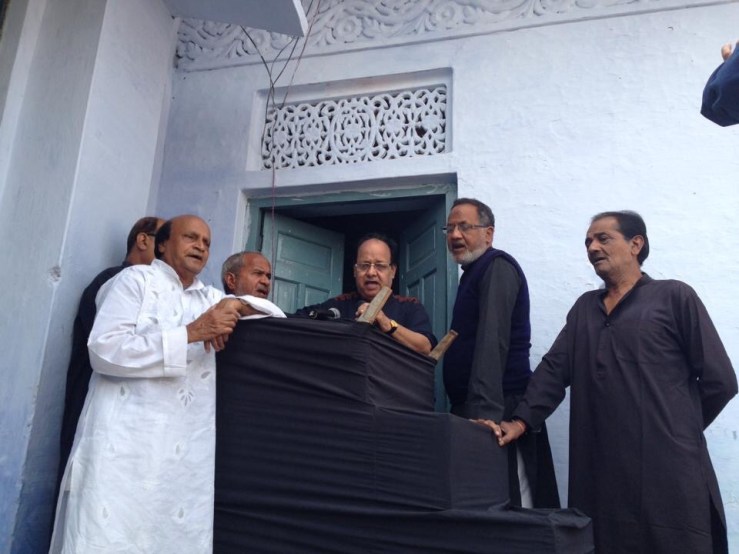
The procession commences with the recital of a certain dirge which is recited by a number of persons who stand holding the pulpit.

Accompanied with Alams (flags of Imām Husain and his flagbearer, alamdār, Hazrat Abbas and biers in the form of cots draped in green symbolising the bier of Hazrat Qasim, martyred son of Imām Hasan) first slowly marches towards Hāthā where Razi Bhai for ages used to recites a majlis. Now whoever is invited for the Hātha majlis does so. The procession then heads towards the bazār, where people from even neighbouring villages have assembled. Here the procession is almost taken over by the Sunnis who perform zanjīr ka mātam (inflicting the backs of their torsos with small knives hanging from iron chains). By evening the procession proceeds back to from where it had commenced.

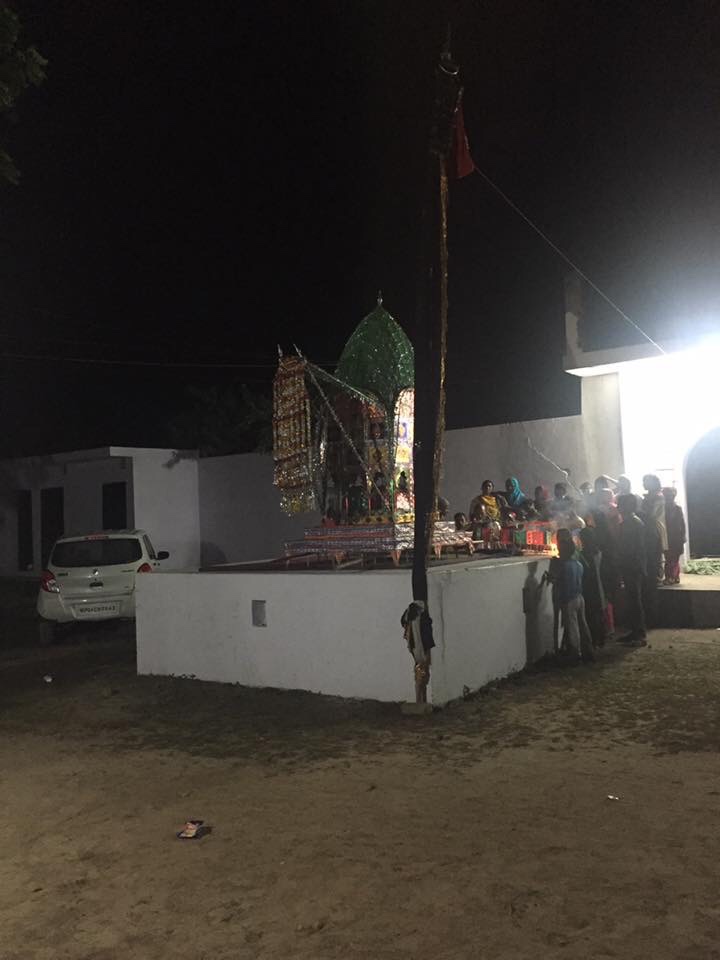
The second important procession is in the early morning of 10th Muharram. Soon after morning azān when it is still dark women assemble in our azākhāna and my aunt used to read a long versified dirge. As it finishes in great lamentations, the two tābūts (replica of biers) along with an Alam is taken out and handed to the menfolk standing outside the house. Slowly the biers are taken out and all march towards the Hāthā situated at the other end of the muhalla (ours being the last house on this side.) As we proceed from each house enroute a bier and an Alam joins. By the time the procession reaches Hātha, more than two dozen tābūts and a number of alams are there. It is in fact one of the most grand scene: dozens of tābūts on the shoulders of silent mourners moving under the shadow of the flags of Husain!

Of course the culmination is in the form of the main procession of tenth Muharram. It has the same route as the one on 7th. The only difference is that it is accompanied by two main ( and many subsidiary) tazias.

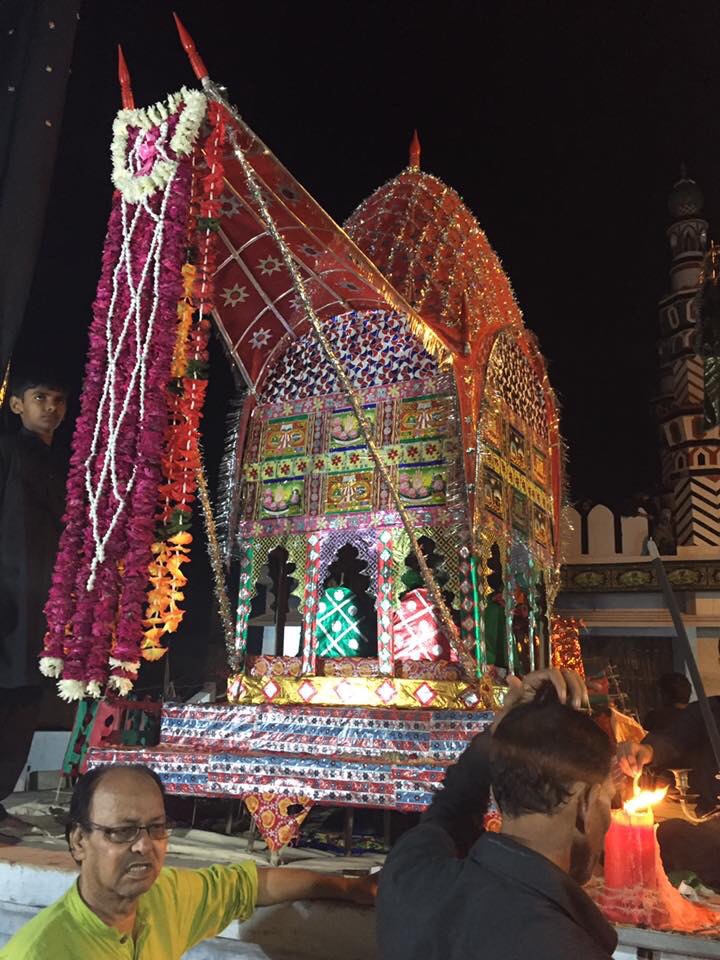
It is remarkable that the tazias of Haswa are different from the usual ones: they are in the form of rath (chariots) associated with Shri Krishna! They have a pyramidal shikhara style roof with a shade for the maharathi (charioteer) extending in the front! On the top is the wooden “kalasha”.

These paper and bamboo structures were traditionally constructed by one of the family members himself: I remember my cousin Hadi Bhai would start making them soon after Baqr Eid! Now they are made by the professionals from whom we buy them.

Further, in Haswa we have a colour coding as well. The taziya of Hāthā, (the azākhāna of the Old Mardākhāna of our family, now in possession of one branch of the family) is compulsorily green in colour: the colour of Imām Hasan (he was poisoned to death by Amīr Muawiya: thus green, the colour of poison). On the other hand, the tāziya of ‘Imāmbada (of the family, but now controlled by another “branch”) is red, the colour of Imām Husain, who was martyred by sword.

This colour code was followed even in the tāziya kept in individual family azākhānās as well: thus in our house used to usually have the green tāziya, for we belong to that particular branch of family. But now slowly this distinction is being lost. This year the tazia kept in our house is red.

Another tradition is that the Red Tāziya would be the first to be kept on the Imām Chowk. After it has been kept, only then the Green one would be brought out.

It is happy to note that each year the scale of Azadāri in our village, like elsewhere in the country, is growing. The Azadari of Haswa, is spite of changes over the decades, still exudes the old world charm.

Revised: 7th Muharram 1447 / 3rd July 2025

Syed Ali Nadeem Rezavi

Medieval Archaeology And The Department of History, AMU, Aligarh

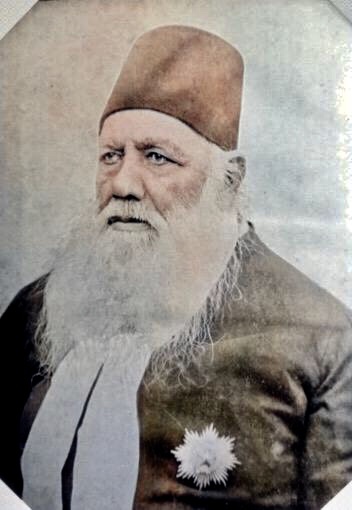
The history of work in Historical and Medieval Archaeology at Aligarh can be traced back to the founder of the University at Aligarh, Sir Syed Ahmad Khan. Long before the establishment of the Archaeological Society of India (ASI), he was associated with an Archaeological Society at Delhi. He not only carried out extensive surveys and explorations, but looked up the primary sources to understand these structures. He also took into account the various epigraphs which were fixed on the walls of these monuments. He then, on the basis of his studies and explorations went on to write his famous Āsār us-Sanādīd. One can say, that Medieval Archaeology starts with him. If General Cunningham was exploring sites based on information contained in Chinese travellers accounts, Sir Syed was consulting primary sources and inscriptions to study his monuments. Much before Sir John Marshal, he wrote an essay on the types of bricks over centuries. [For this article of Sir Syed, see BOSHS, vol. 1, no. 3, p. 21] 
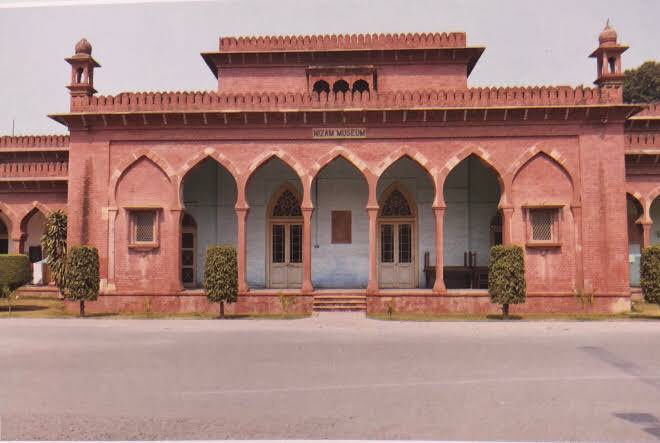
Sir Syed Ahmad Khan was also an antiquarian who not only collected sculptures, epigraphs and other artefacts but also founded a Museum which he conceived along with his Mohammedan Anglo-Oriental (MAO) College. This was the Nizām Museum built between the Strachey Hall and the Jāmi Masjid. Probably AMU was the only university in the sub-continent which could boast of a Museum since its inception.

It is said, Medieval Archaeology developed at two places in India: one at University of Baroda, Vadodra; and at Aligarh Muslim University, Aligarh
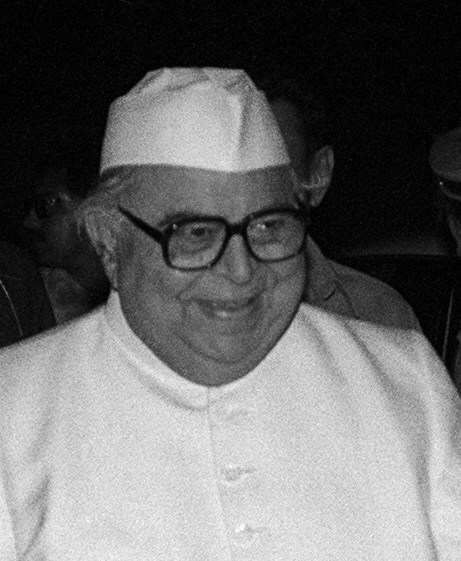
The field of Archaeology (along with Historical & Medieval Archaeology) got a further boost during the period when Professor S Nurul Hasan was at the helm of affairs at the Department of History (1958-71).
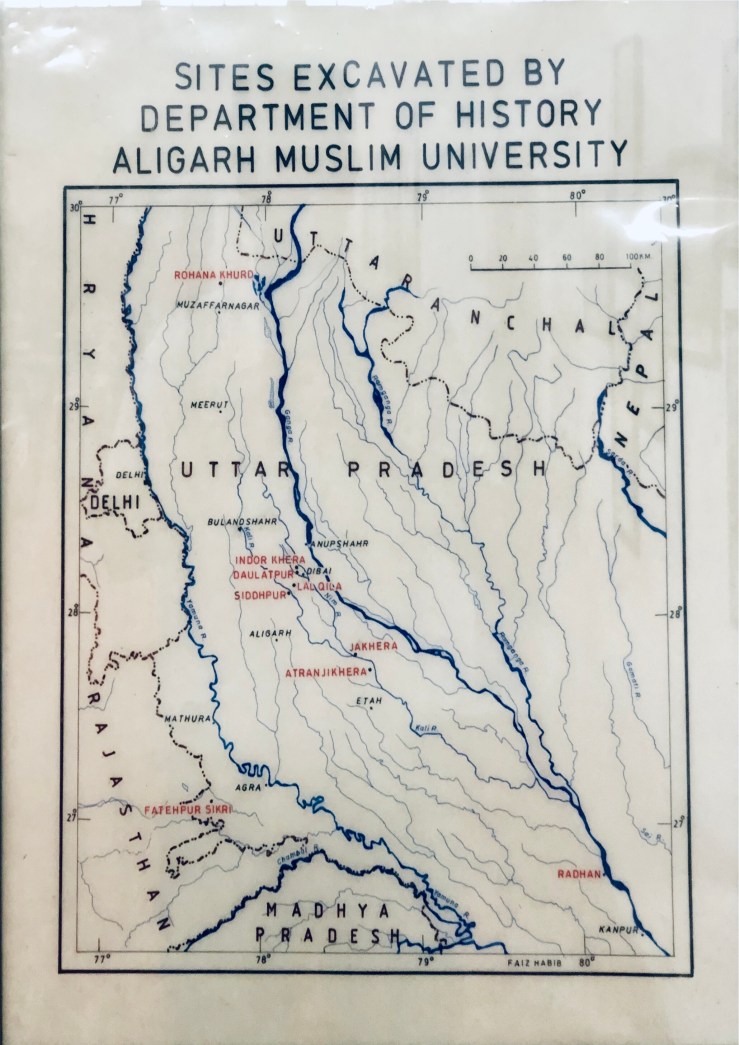
It was during his tenure that the Department was not only upgraded as a Centre (1968) but it also got a fully equipped Archaeology Section which also comprised of a well stocked and functional Chemical Lab. It was in 1964 that Professor Nurul Hasan founded the section as a part of the Department. He also inducted two Persons specialising in Ancient Indian History and Archaeology, one of them being Professor RC Gaur, who went on to excavate a number of sites, including the two very important sites, viz. Atranjikhera and Fatehpur Sikri.
Atranjikhera excavations put AMU on the world map of Archaeological studies. Unfortunately Gaur could publish only the first part of the report. The second part which would have taken into account the medieval antiquities and layers is still awaiting publication. However his second major excavation was from the field of Medieval Archaeology. 
Professor S Nurul Hasan, as Education Minister initiated a National Project on the archaeological study of Fatehpur Sikri. The excavations at Fatehpur Sikri conducted under the aegis of this National Project was led by two teams, one of ASI and another of Department of History, AMU. The Aligarh team comprising of the staff of the Archaeology Section worked under the directorship of Professor RC Gaur. A short and brief report on these excavations were published only in 2000. 
Apart from Atranjikhera and Fatehpur Sikri, Gaur was also involved in excavations at Lal Qila in district Hathras and certain other minor sites.
His junior colleague Dr. MDN Sahi, the other expert on ancient Indian history and archaeology brought by Professor Nurul Hasan went on to excavate another important site, Jhakera. Unfortunately as no firm dating of this site was done by Dr Sahi, the site could not attract the same attention as the site of Atranjikhera. A proper scientific report is still awaited.
In the field of Medieval Archaeology, Aligarh went on to contribute much. Our work in this field does not stop at the excavations of Fatehpur Sikri by RC Gaur.
Historical archaeology by definition means a study of the past with the help of material remains and the written word. Medieval Archaeology is a part of Historical Archaeology. It too entails a detailed knowledge of the written sources of the period, an understanding of society and culture based on the written texts, which then is tested and collated with the material survivals. Thus a proper work on Medieval Archaeology, in my personal view, can only be done by a person who visits his site only after a proper understanding of the written sources of the period under study. Thus to study a structure dug out from say, a phase identified with the Mughals, the excavator should be well versed in Mughal history, it’s cultural ethos, it’s social divisions, tensions and relations. Only then would he be properly able to “read” his diggings. And this was one of the major problems and drawback of RC Gaur as far as his Fatehpur Sikri excavations were concerned. 
Aligarh went on to produce a number of scholars of Mughal India who entered the field of Medieval Archaeology. Some of them were those who had been associated with the National Project on Fatehpur Sikri and then went on to work on their own. The first such person was Jamal Muhammad Siddiqui. He got his training as an archaeological assistant during this project. Professor Nurul Hasan further gave him the job of collecting the place names and their historical geography in the Aligarh district. His work was one of the first kind which ultimately got printed as a book on the history of Aligarh. We reprinted it from the Centre in 2017. Another such person who contributed to Medieval Archaeology is Mr Hussam Haider. He retired from our Archaeology Section as a Surveyor and wrote on Sugar Press mills, kolhus, perfumeries and perfume processing vats etc. Mrs. Naheed Khan, another member of the Archaeology Section wrote on certain structures at Sikri, including on the so-called ‘houses’ of Abu’l Fazl and Faizi. 
Researches on Medieval Archaeology were taken to altogether another level by the explorations and researches of Professor Iqtidar Alam Khan, who otherwise had been teaching and writing on political history of the Mughals.
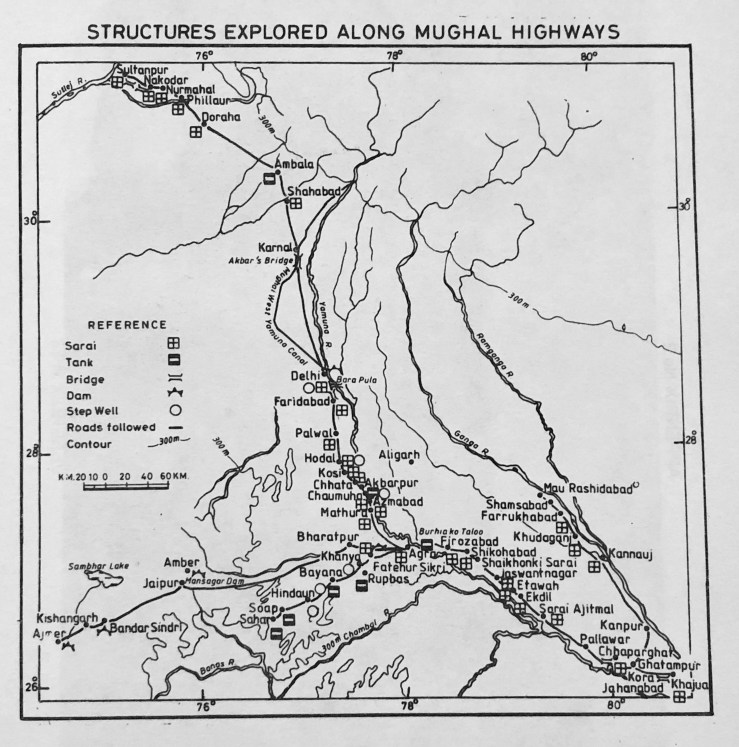
In fact it is generally believed that Medieval Archaeology in India owes much to two or three individuals, Professor SN Misra and RN Mehta of Baroda who excavated and wrote on Champaner, and Professor Iqtidar Alam Khan of Aligarh. Khan was one of the first to take the help of satellite imagery to identify a historical settlement, Deogir. He undertook extensive work which was destined to help in the development of archaeology of technology: he along with a team comprising his research scholars undertook surveys of indigo vats at Bayana. These surveys broaden our knowledge of manufacturing techniques of indigo during the Mughal and the Colonial period. Later he undertook a major project: a study of the monuments along the Mughal road extending from Amritsar to Allahabad.
Sarais, water tanks and reservoirs, tombs, mosques, minarets etc were all surveyed and plotted by him and his team. During the same project he also made a study of all the minor inscriptions and graffiti surviving on the walls of these structures. The results of some of these explorations are being published by the Department and would be out in the market soon.
Some of his students have also contributed to the field. I would like to mention two of them. Ravindar Shrivastava did his research on Sarai structures during the medieval period. He is now a professor at IGNOU, an institution which he also served as an officiating Vice Chancellor. Dr Vinod Kumar Singh, another research scholar of Professor Khan wrote a series of research papers based on his extensive surveys of water bodies, like tanks, dams, bridges and barrages.
During the 1980’s the Archaeology Section and the Department under the stewardship of Professor Irfan Habib initiated an interdisciplinary project to understand our archaeological material: scholars from various scientific backgrounds were involved but unfortunately the project could not be completed.
Though his field is not Archaeological but he has guided many archaeological endeavours through his sheer knowledge of sources. He and Professor Moosvi have written on the prices and wages involved in the construction of the medieval monuments and structures. In fact Habib was the first to write on the costs involved in making Fathpur Sikri. We have included specimen work of both these scholars.
Some work on water tanks and irrigation technologies was also pursued by Professor BL Bhadani and his student Dr Jibraeil. The results are largely awaited. Professor Jabir Raza has been involved actively in the study of Persian epigraphs. We are including one specimen of his work in this volume.
Further work on Medieval Archaeology by the Department of History after the retirement of Professor Iqtidar Alam Khan was undertaken by the undersigned.
The first work undertaken by me concerned the masons marks on the various Mughal monuments across Agra and Delhi. After cataloguing all the marks and signatures on the stones, a study of marks and signatures put on medieval legal documents were made to reach some conclusions.
The second work undertaken by the undersigned was a study of urban housing and residential structures during the Mughal period. Information gleaned from documents and other written records was collated with actual remains, either surviving or excavated.
At the third level the undersigned tried to use the visual records, both in manuscripts and on the walls of structures to interpret not only individual buildings but also the Mughal society.
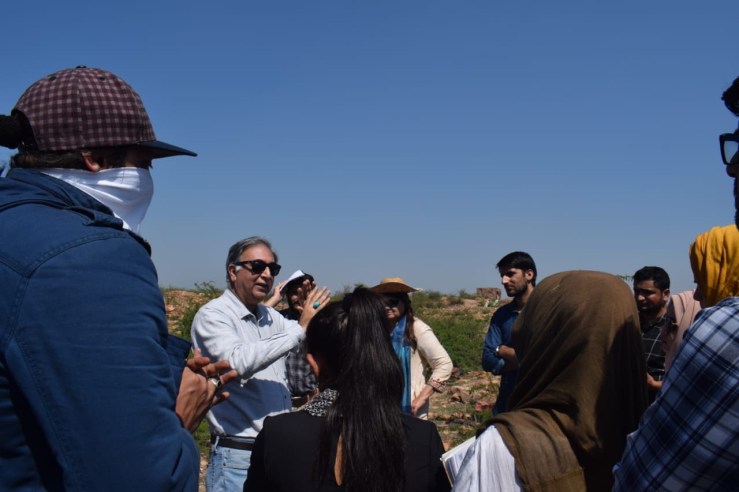
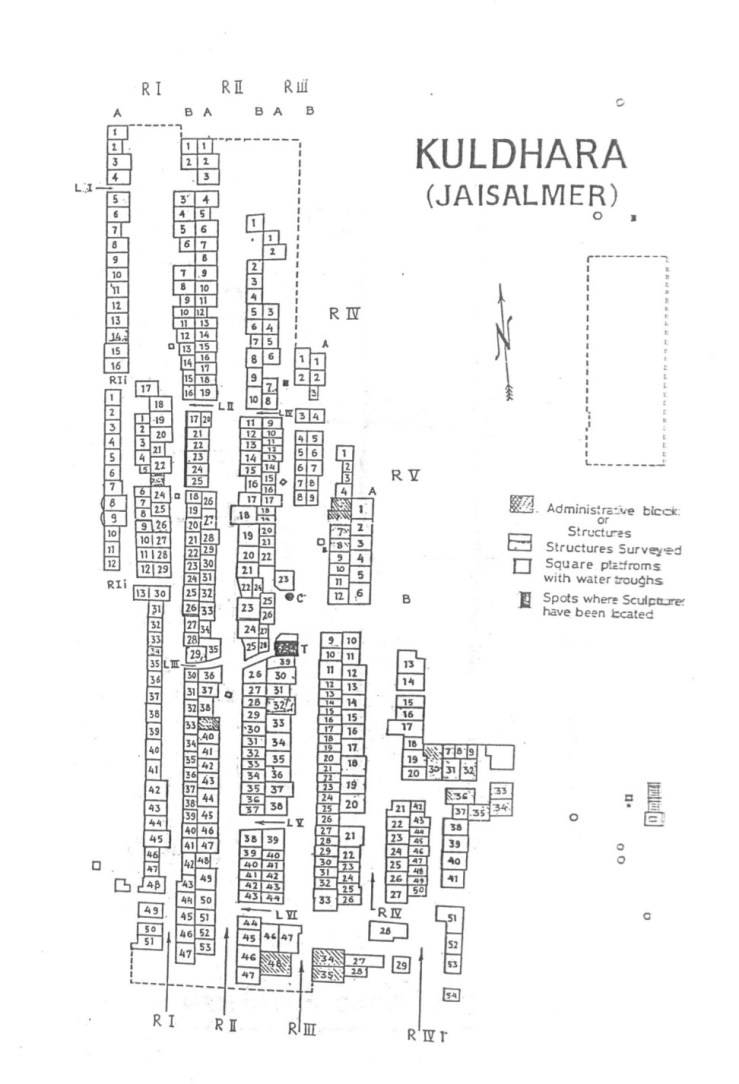
The undersigned undertook archaeological explorations at two medieval site: Kuldhara in District Jaisalmer and Fathpur Sikri in Agra. The site of Kuldhara is reportedly the only rural settlement of medieval period taken up for a detailed study. The epigraphs from the site help us date the site between 13th and 18th Centuries. 
The second site undertaken by me, Fathpur Sikri was studied with the help of written primary sources and records, epigraphs, miniatures and other visual records, as well as the material remains got from excavations and explorations. Various aspects of the town planning: from palaces to bureaucratic establishments to markets, sarais, gardens and residential structures are studied and interpreted.
A study of lesser known structures at Agra is being carried out by Professor Manvendra Kumar Pundhir, who is the present in-charge of the Archaeology Section. The Department has since the last two years launched two projects, both headed by Professor Pundhir: one on the explorations of indigo vats in Aligarh District and another on the survey of Medieval remains in District Meerut.
A part of his survey of Meerut monuments, you will find include in this volume. Presently the Archaeology Section is also involved in documenting the surface decorations and paintings on the walls of various medieval structures in Agra Region. Two research scholars were chosen for the job and are actively involved: Ms Lubna Irfan and Mr Abdullah Raza. Ms Lubna has also so far surveyed a number of public utilitarian structures like sarais, markets, shops, madrasas and hospitals. Mr Abdullah Raza is exploring various structures and sites at Agra and collating that with the information contained on them in the Persian sources and European accounts.
There are many more working on various aspects of Medieval Archaeology. Hope they will forgive me for not naming them here. However let me thank all those who in one way or the other were involved in the making of this Archaeology Section of the Department of History. 
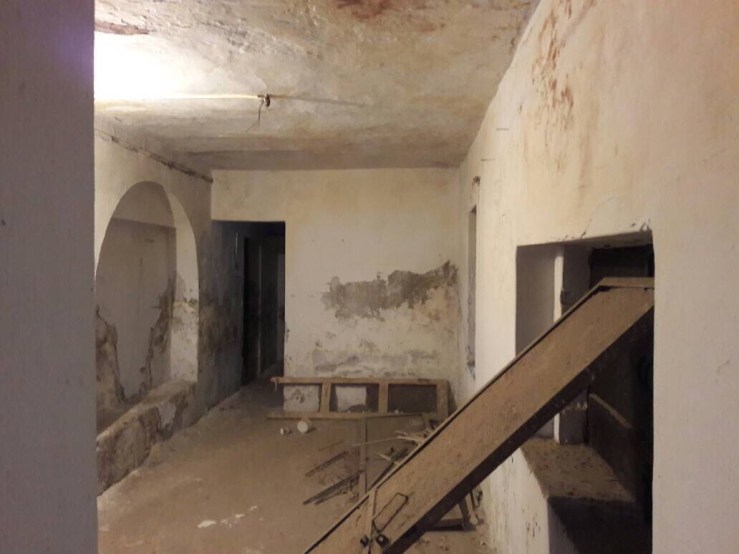
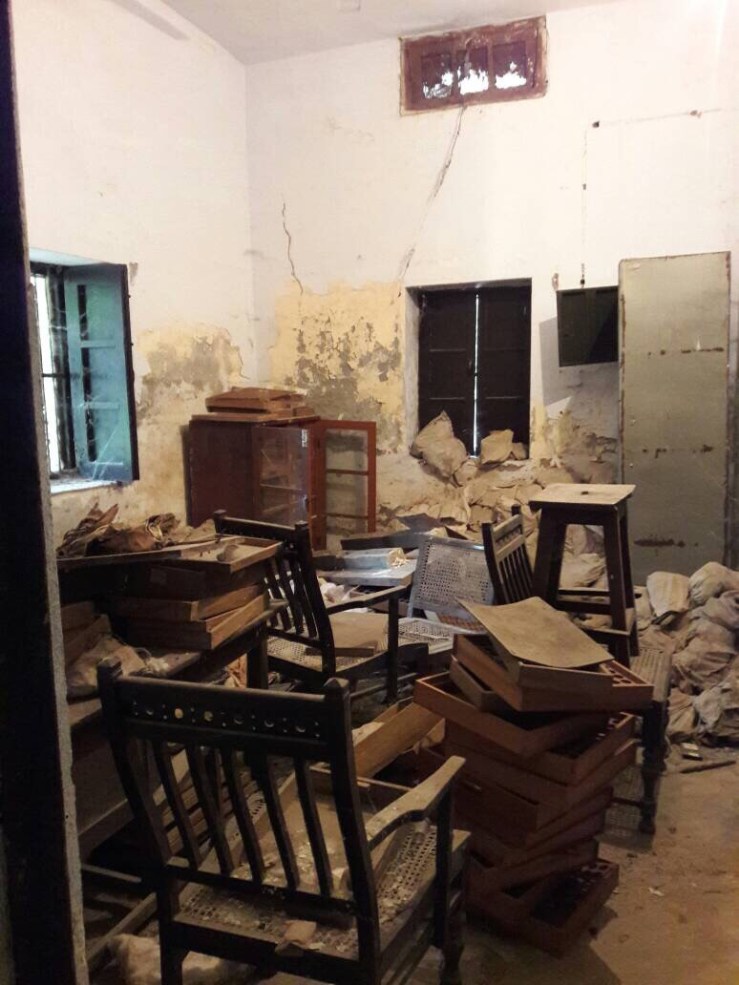
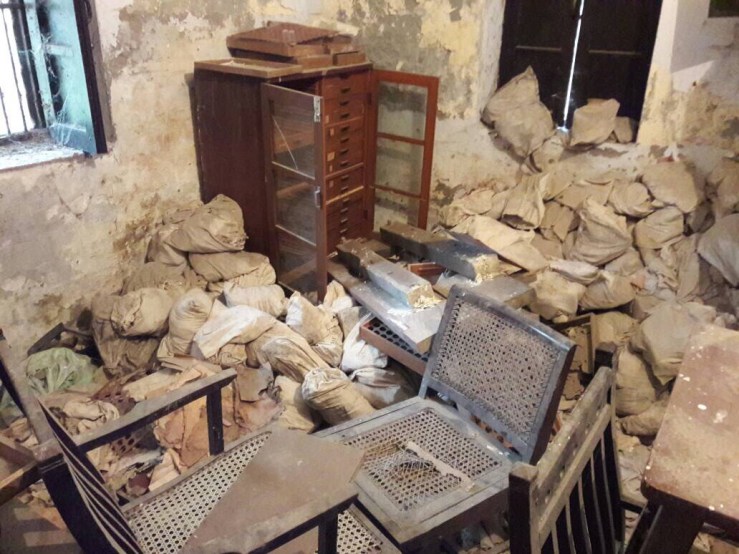
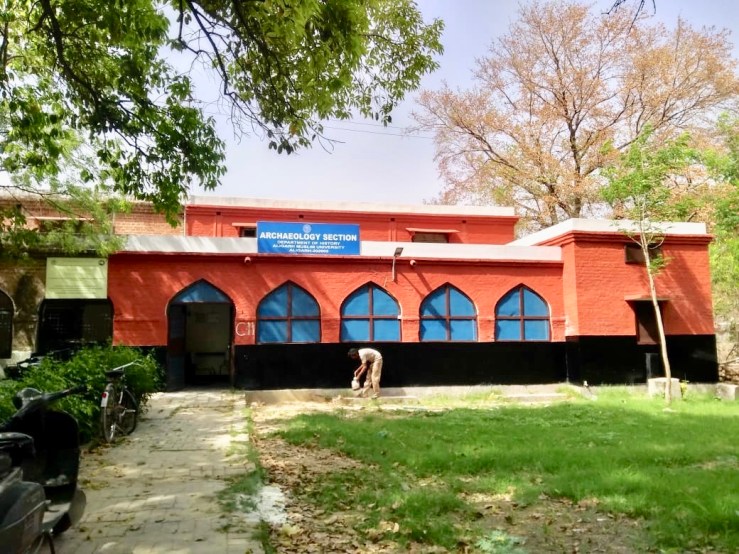
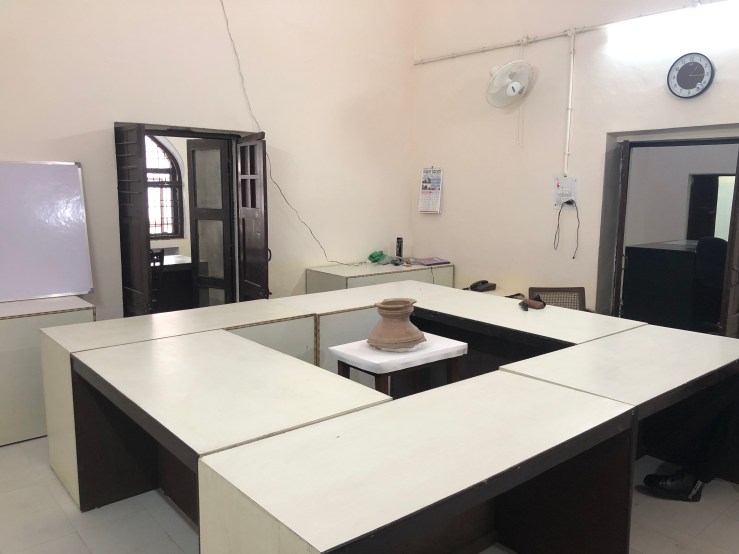
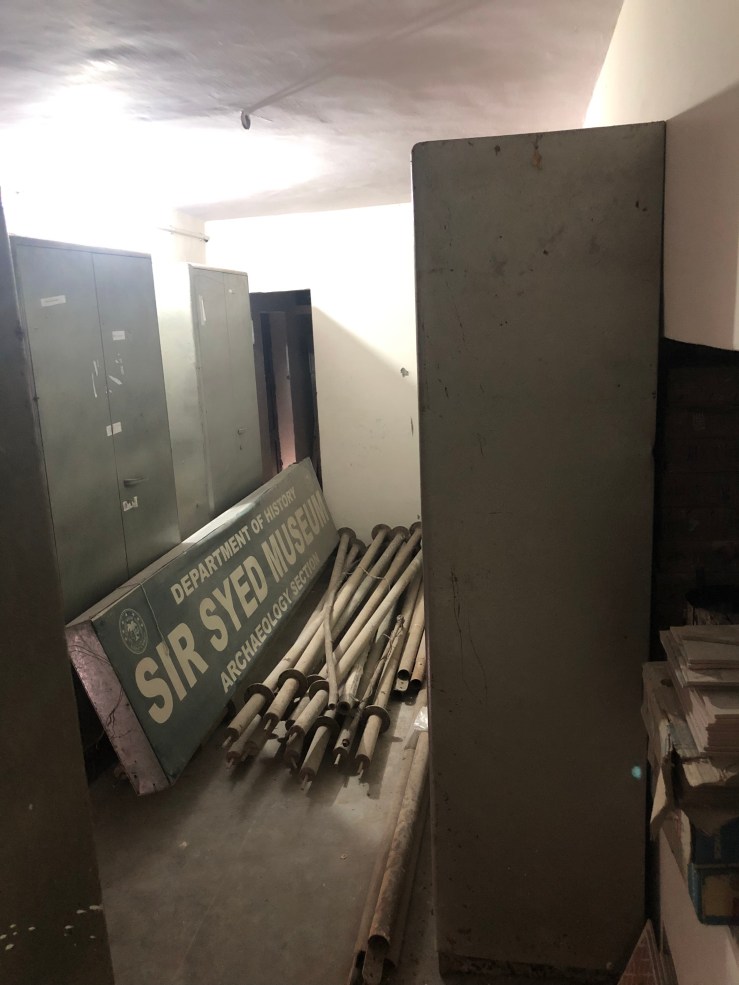
We have seen good days, we have passed through bad patches. The most dark period for the Section was the period between 2014 and early 2017, though a decline had started since the retirement of Professor RC Gaur and then Professor Iqtidar Alam Khan. In 2014 the building in which the Archaeology Section was housed was forced to be vacated.
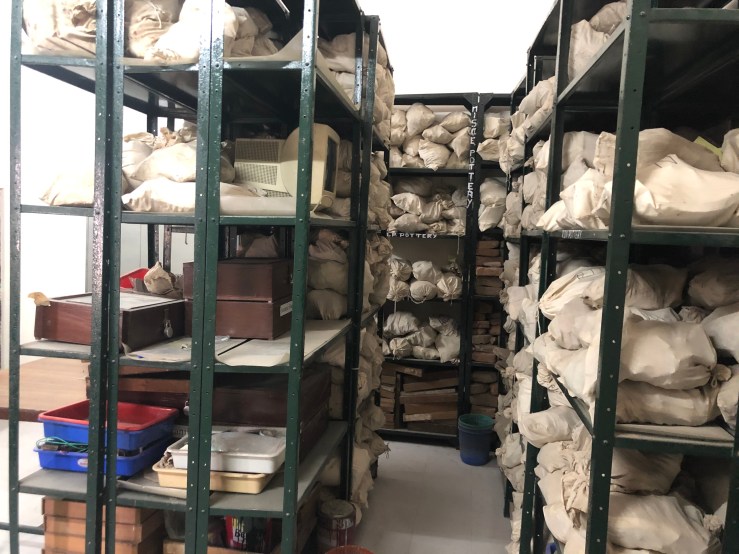
All our holdings were randomly shifted to three destinations: all that which was thought to be presentable was shifted to the University Museum; all equipments used in surveys, explorations and excavations was dumped in a half demolished structure from where everything mysteriously “disappeared” with no trace, some things like tents for camping and furniture, like collapsible beds etc., were gifted away. All archaeological material was dumped in a house which was on the verge of collapse and marked for demolition. 
This situation continued till April 2017 from when we have been endeavouring to retrieve the situation.
Our endeavours further bore fruits when the District Magistrate of Hathras acceded to our demand to hand over a number of antiquities lying about in his District. We have so far received three important sculptures and this is a sort of recognition of the viability of the Archaeology Section of the Department. We expect around 20 or 30 other architectural and sculptural relics in the coming days.
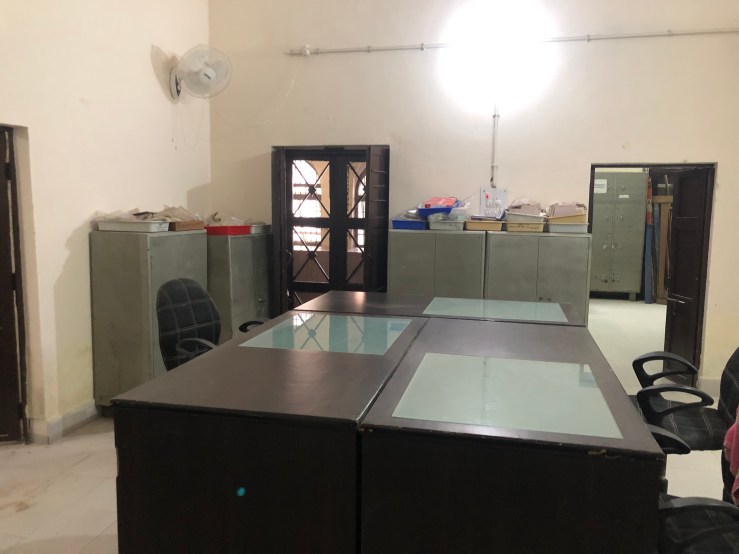
For this spectacular turnover and revival of our Archaeological Section I am thankful to the incumbent Vice Chancellor Professor Tariq Mansoor for being ever ready with a strong helping hand. We requested him for a house to save our archaeological material which is a National heritage. He assigned handsome grants and saw to it that the building where our archaeological material was kept, was completely renovated, secured and electrified. I am also thankful to him for readily agreeing to transfer the inscription of Balban to Musa Dakri Museum and sanction the construction of a proper wooden frame on which to display it. I also take this opportunity to thank the Dean Faculty of Arts and the Keeper of the Faculty of Arts for giving us some old wooden tables and chairs which we needed at the Archaeology Section.

A small reading room with some books donated to the Department by the heirs of Dr Waqar Siddiqui, formerly of Archaeological Survey of India has also been established in March 2020. These books deal with various aspects of Medieval Indian Urban history as well as reports and works on various sites and architectural remains. A large number of photographs are also a part of this collection.

Nothing could have been done without the active support of a host of colleagues and students. Professor MK Pundhir was the pivot of all the work which has been done. He not only devoted his time but also invested his own money ( and sometimes quite sizeable amounts) to get things running. Thank you Pundhir!
Mr Saleem Ahmad was the pointsman who would be assigned a job which was required to be done in hours and he would meet the deadline. Mr Moin Ahmad got everything printed on dot. Thanks are also due to Mr Zeeshan who typed the catalogue of the Museum and edited the photographs; Mr Nadeem typed all other papers including the catalogue of Exhibition. 
Thanks are due to all my staff, Mr Sharma, my PA, Mr Hafeezur Rahman, SO ( Admin), Mr. Sherwani, SO (Accounts); Mr Shoeb, our photographer; Dr Vinod Kumar Singh and Mr Haseeb ( both at Musa Dakri Museum), Mr Zameer Ahmad, and other members of the Archaeology Section.
At the present count we have 14659 antiquities in our possession of which more than a thousand are on display in the Archaeological Galleries of the Musa Dakri Museum. We are also proud to announce the publication of the first volume of our illustrated Catalogue of our holdings.

Balban’s Minaret and it’s Inscription

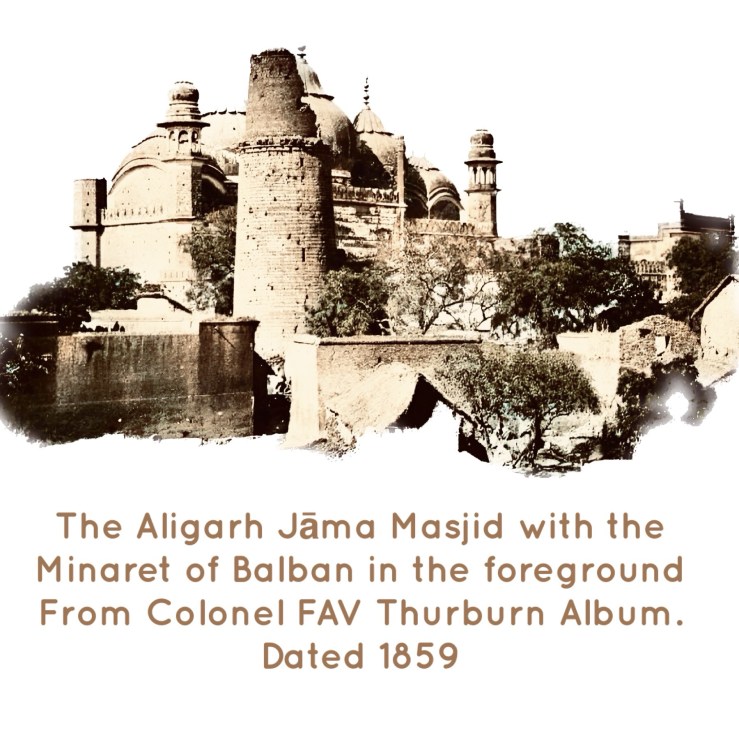
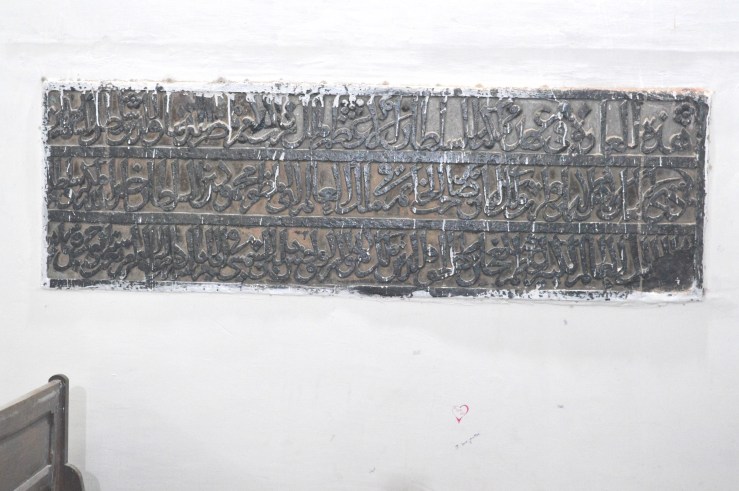
It was during the reign of Sultan Nasiruddin Mahmud (1246-61) that Malik Bahāuddin Balban, (future Sultan Ghiyāsuddin Balban) was made the governor of Koil (modern Aligarh). During Balban’s governorship a minaret was ordered to be erected on which Balban put up his inscription.

The first to describe the minaret was Peter Mundy who visited Koil in 1631 and records it as a “high tower” on “ the topp” of a “round hill” on which the town stood.

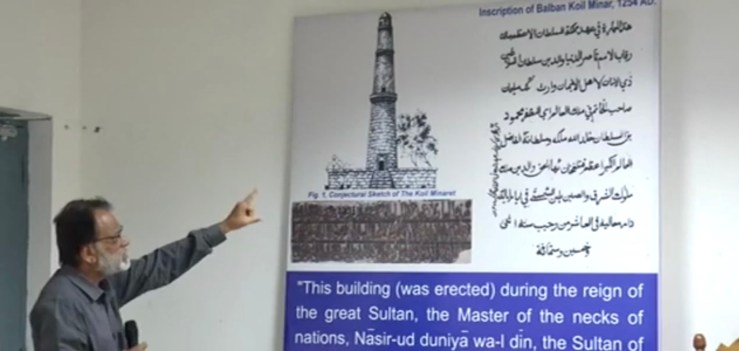
Some details of this minaret is got from an anonymous report reproduced by WH Smith in 1874. According to this report the minaret was constructed on a high ground of an erstwhile fort (bālā-i qila’) and was raised on a square base. It was built in stages, two of which survived till its demolition in August 1862 as a result of the Mutiny of 1857. The base was of kankar blocks with a few pieces of sang-i surkh (red sandstone) inserted in between. The first stage was entirely of these kankar blocks while there was the use of burnt bricks in the second.

To the north was the door-way opening on a spiral stair-case which originally led to the top of the column. This staircase was also constructed of kankar blocks, and was lighted by several apertures in the outer wall and a door-way which opened on the cornice, or balcony at the top of the first stage. The lower stage, as per the anonymous report was 54′ high, while the remains of the second were 20′, so that the extreme altitude which was surviving then was 74 ʼ. Further, as per this report, the minaret was tapering with the external circumference at the base of the minaret was 80′. The thickness of the walls at the base at 6ʼ while and at the top of the first stage they were 4 1/2’ only. Immediately where the kankar block staircase terminated there was slung across the stairway, as it were, to form one of the steps, was a Hindu pillar carved and ornamented with mythological figures. This was the only “Hindu” stone the anonymous writer of the Report could discover in the whole pillar. Above it several beams of wood were laid across suggesting to the writer that the architects who built the second stage, as it then stood, were very different persons from those who erected the first, and that the remains of the second stage were of comparative “modern origin”.

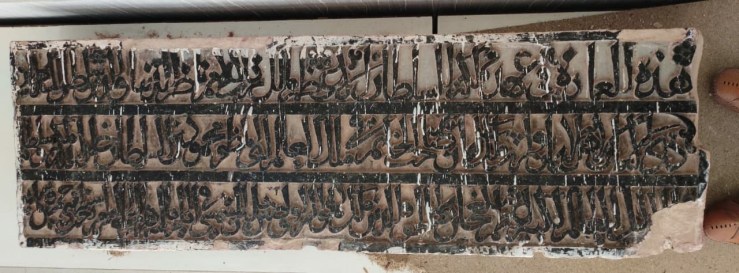
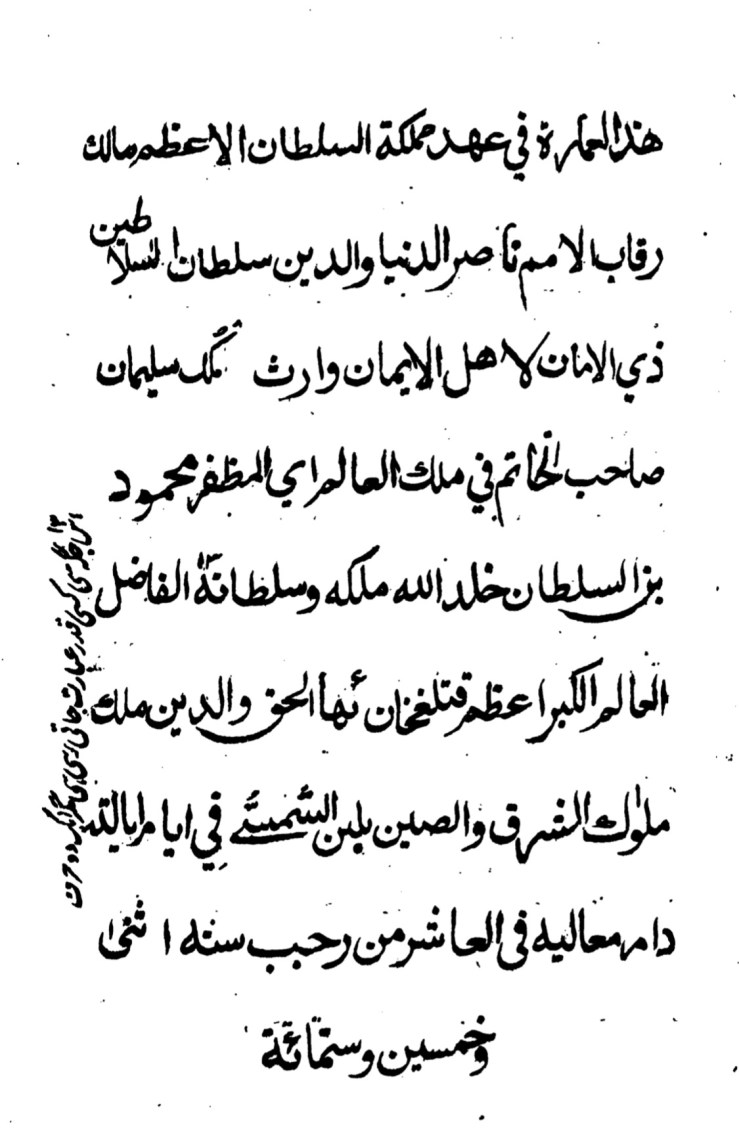
Over the doorway was an inscription, in the ornamented Tughra script, which is translated thus:

“This building (was erected) during the reign of the great Sultan, the Master of the necks of nations, Nasīr-ud dunniyā wa-l dīn, the Sultan of Sultāns, Protector of the faithful, the heir to the kingdom of Solomon, the Lord of the Seal in the Empire of the World. Abu Muzaffar Mazaffar Mahmud bin as-Sultan (May Allah perpetuate his kingdom and authority, by the order of the Malik of the World the great exalted blessed Khan, Bahā’u-l haqq wa-l dīn, the Malik of the maliks of the East and China, Balban ush-Shamsi, during the days of his government (May his high qualities endure!), on the 10th of Rajab 652 AH / 26 August 1254 AD”

This inscription after the demolition of the minaret by G Edmondstone, the Lieutenant Governor of the newly established Colonial regime in August 1862, was acquired by Sir Syed Ahmad Khan and subsequently put in one of the structures of the MAO College which he opened in 1875.

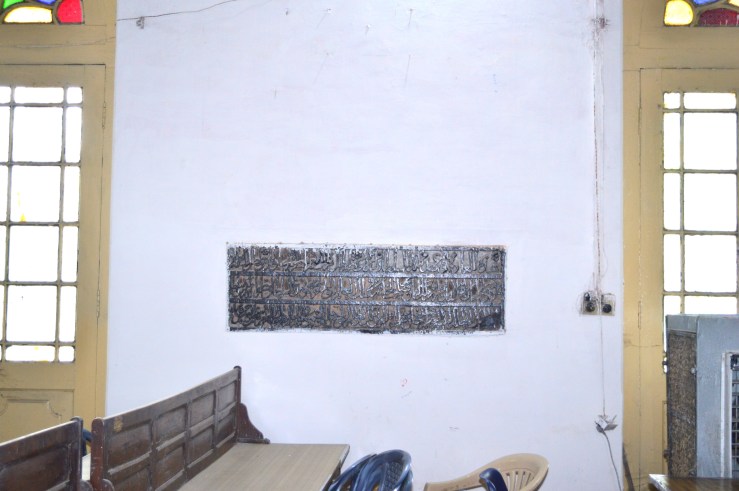
From 1875-76 till 6th July 2019 this inscription adorned one of the walls of the Reading Room of SS Hall North (Building which once housed the Nizām Museum founded by Sir Syed).

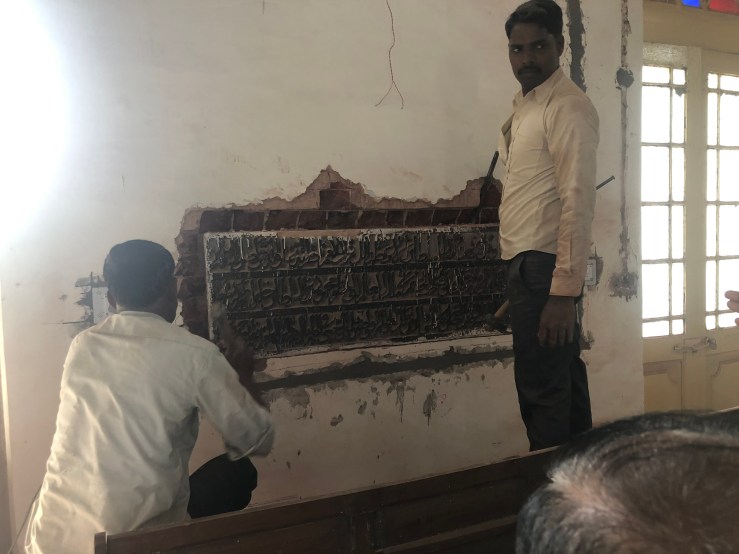
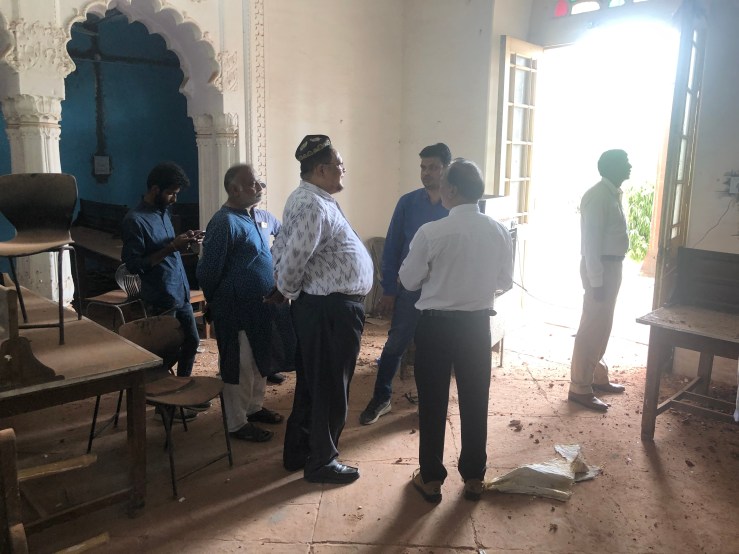
On 6th June 2019 on my request Coordinator of the Museum, and the permission of Professor Tariq Mansoor, the Vice Chancellor AMU, the epigraph was taken out from the wall with the help of a technical team of the Archaeological Survey of India, Agra Circle.

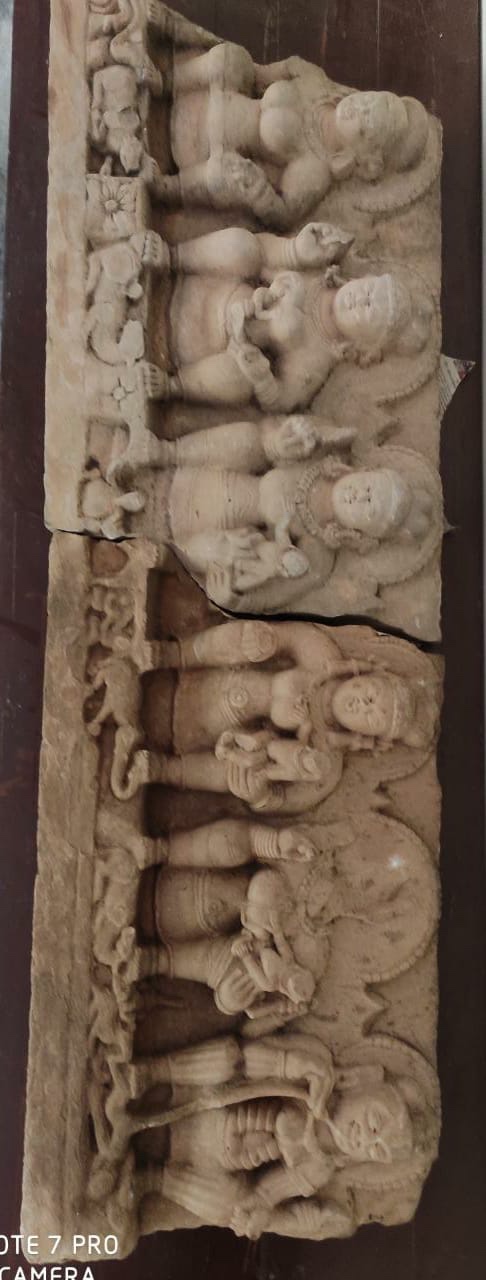
As soon it was removed, it revealed a secret which was unknown to most us: the inscription was carved on the reverse of a buff stone which was originally carved with 10th-11th Century carvings in Jain tradition. It was in fact a central slab of a ceiling carved with a lotus flower surrounded with a frieze of beautiful Jain sculptures.

The panel was set in a thick layer of lime and kankar mortar.

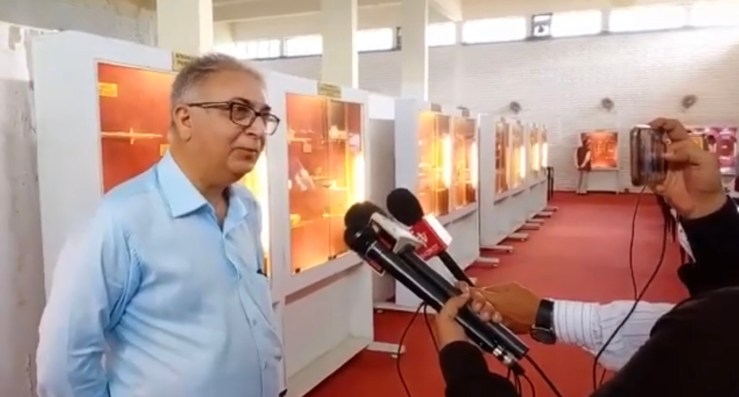
On 26 August 2019, exactly 157 years after it got dislocated from the minaret and 765 years after it was put up by Balban [26 August 1264 as per the inscription itself], the Epigraph joins the other archaeological collections of Sir Syed at the Sir Syed Room at the Musa Dakri Museum, AMU and was formally unveiled by Professor Tariq Mansoor in the presence of such stalwarts like Professor Jamkhedkar, Chairman ICHR, New Delhi, Dr KN Dikshit, Editor Puratatva and Professor Irfan Habib, Padam Bhushan and Professor Emeritus AMU.

I as the then in charge of the Museum and the entire academia thank the Vice Chancellor AMU, Professor Tariq Mansoor for facilitating its shifting to the Museum and making public access to it possible. I am also thankful to Professor Ubaidullah Bokhari, the then Provost SS Hall (North), the entire technical team of ASI Agra Circle, Professor Manvendra Kumar Pundhir, Incharge Archaeology Section AMU and Mr Saleem Ahmad of the Section for all their respective endeavours!

Balban’s Inscription has now joined the Sir Syed Collection and would now be on permanent display there.

Here I append a talk by Professor Syed Jabir Raza on Medieval Epigraphs. At the end is an analysis of Balban’s inscription in Aligarh

http://youtu.be/TtdcReiBzW0

Introducing Balban’s inscription

https://youtu.be/pA_Niqdghyg

Professor Syed Ali Nadeem Rezavi

TheTeacher’s Club at AMU, Aligarh: The Past & Present

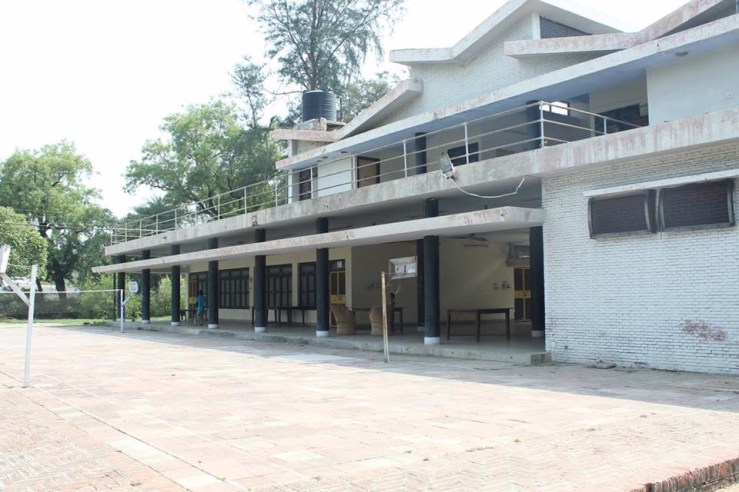
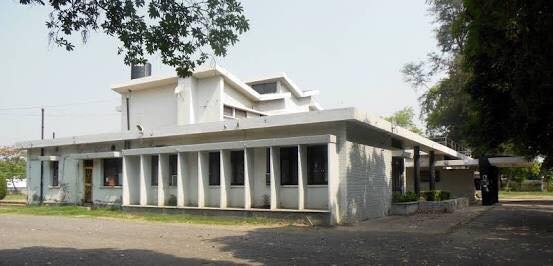
Almost four decades back (February 1989), when I joined as Lecturer in this university I immediately started visiting the Teaching Staff Club in the evenings. I had heard a lot about the Club as a student: that it would remain open the whole night closing only in the small hours of the sun rise. Had also heard about some teachers who would always be found there betting and playing rummy. But then there were many positives too which reached our ears: it’s famed gaming clubs: the badminton, lawn tennis and the billiards! And of course the unending cups of richly brewed chai! We had also heard stories of how once upon a time a number of lady teachers, women like Begum Habib, Sayera Habib, Sajida Zaidi, Zahida Zaida used to frequent these clubs and play badminton or lawn tennis! All these stories would enchanted us and led me straight to the Club the very first evening of having been appointed as a temporary lecturer in the Department of History.

From that day onwards for almost a decade or more, to visit the Club in the evenings and nights became a compulsive habit. We would usually go there as a group (the History Group, as it came to be known in contrast to the Urdu Group and/or the Shouting Brigade).

Soon I came to realize that the Club was known for two things which were made available there: one, the richly brewed Lipton Green tea brought in a classical style in cute tea pots, small white milk pots, bowls of crystal white sugar granules and spotless cups and saucers, all laid out neatly on metal trays.

The second was the “bucket icecream” served in glass icecream cups which contained two scoops of mangoe or vanila ice-cream. To enjoy these cups in the sprawling green lawns of the Staff Club was indeed a heavenly experience! Another beauty of the club was that you did’nt have to pay for the tea, ice-cream, the “mixture” or the “daal” to munch along or the packets of cigarettes. You just had to sign the slip which would be brought respectfully to you by an attendant.

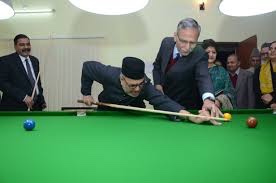
In the club you could play cards, snooker, table tennis, lawn tennis, carrom or just sit and gossip your heart out over steaming hot cup of tea and swirling puffs of cigarettes. By 6:00 in the evening the club premises would start coming alive and would remain alive till around midnight.

Thus the three plus points of the Staff Club, many many years back were the brewed green tea, the bucket ice-cream and the cashless transactions to enjoy these goodies!

The ‘members’ were a different story altogether. The Club was dominated with individuals carrying nicknames like ‘Barula’, ‘Sabjiwala’, ‘Criminal’, ‘Haddi’ and so on…each trying to outdo the other in justifying their “takhallus” (nom de plume)! They came from various departments and disciplines, but what bound them together was their aversion to academic exellence and each had vitriolic tongues which could roll out obscene adjectives with remarkable ease.

Sometimes, in spite of the goodies mentioned above, it really would become difficult to sit at the same place as them: each trying to outshout the other!

However there were atleast two groups who looked at these ‘regulars’ with disdain and indulge in topical discussions and current affairs, as against scandals and vitriolics. One such group was dominated by the ‘Urdu-walas’ who generally held forth literary discussions. It was an intellectual treat to even listen to their discussions.

The second group was of ‘history walas’ and it too was known for its cerebrally high discussions. But then unlike the Urdu group, this second group was also known for its political overtones: every happening on the campus would be analysed in the Right-Left binary! This was the bane of the group! But then it was the general belief that the University politics was influenced and guided by the elite power mongers of History department!

Then there were the chess players who were engrossed in their game and oblivious to the world all around. Similar to them were the occupants of the Billiards room, busy at their game – and power plays – all the while gushing down the elegant tea being served to them.

As decades passed, we started going less and less, for with passing years our academic burden and teaching load started a northward movement.

In a recent visit to the club I discovered that the famed brewed tea in a pot accompanied cup and saucers is now a thing of the past. So is the bucket ice-cream. Silence pervades the club and a pall of gloom and disillusionment seems to engulf it…

For a few years it came to be engulfed by enforced silences and fear of abandonment, the Staff Club resembled a Haunted House in Shambles….the monthly contributions deducted from the salaries was done away with; in fact there was also a threat of a lockdown! But then gloom doesn’t last for ever. The dark clouds passed on.

As soon as the leadership of the University changed, the membership deductions were restored and gradually the life returned. Now I hear that it is brimming with activities again. The tennis club, the badminton club, the table tennis club and the billiards club are thriving once again. But unlike in the hoary past, now you will not find any women there. The old stalwarts have also no more. I also hear that the History Group and the Urdu Group are also things of the past. They have now been replaced by Supporters, Critics and the Fence-sitters! The high philosophical discussions too, I am told have also been replaced by mundane! But still one thing from the past remains: if you want to give wings to a rumour: go and whisper it in the corridors and lounges of the Staff Club. By the next day the whole town would be flooded by the variants of what was whispered!

Long Live the Club! Long Live the AMUTA!

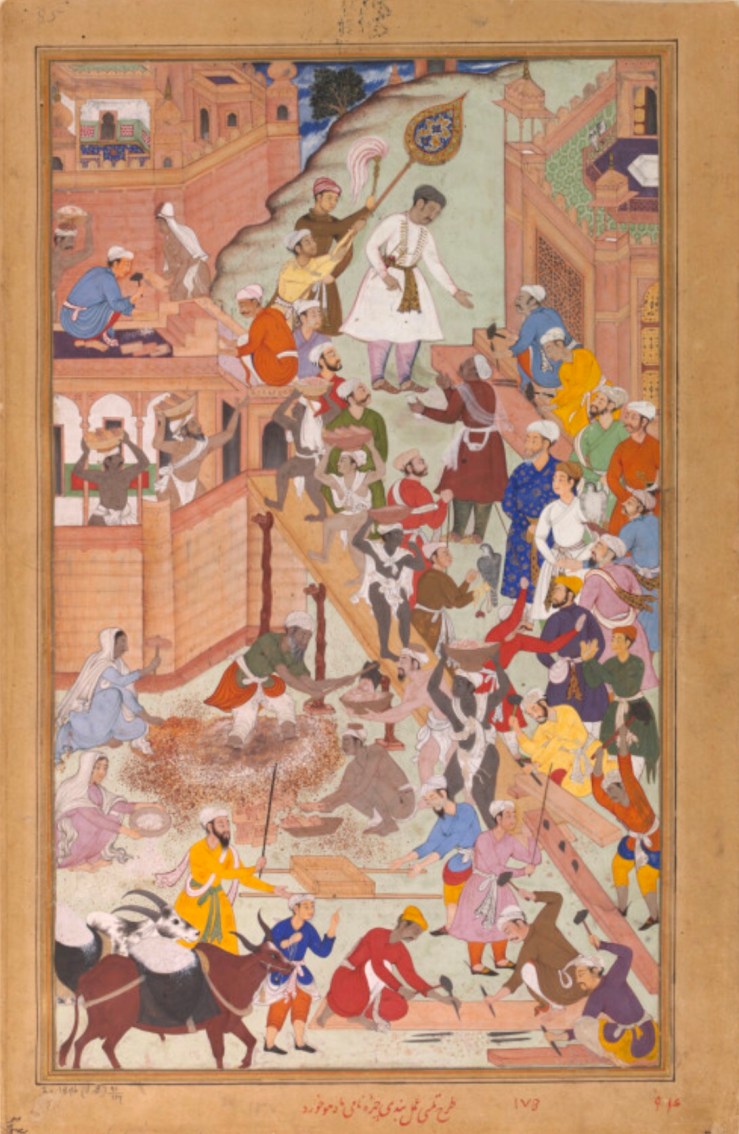
Demystifying the Popular Myths Around the Building and Abandonment of Fathpur Sikri

There are a number of interpretations, mostly mythical which centre around the medieval city of Fathpur Sikri, specially around how it originated, why it was ‘abandoned’ and when did it ‘cease’ to exist. Was it a town which was conceived, originated, flourished and then withered during a single reign? Or did it continue even after it was ‘abandoned’ by Akbar as his capital and continued to do so even during the subsequent reigns? Was it ‘abandoned due to a severe paucity of water? It is held that the city was designed and built within the span of half a generation and ‘abandoned’ in favour of another famous capital, making it one of the most unique example of its kind. Thus for example, Tieffenthaler, who visited this city around 1786, finding it almost totally abandoned was constrained to remark that its short life resembled “a flower that blooms in the morning and withers at night.

The signs of its decay appear to have set in even before it was abandoned by Akbar in 1585 as his darus Saltanat, when the Emperor marched from Fathpur Sikri for Kabul after the death of his cousin Mirza Muhammad Hakim. Although till 1585, Fathpur was considered a joint capital along with Agra, and continued as a mint-town , yet, recent studies point out that by 1580-81, it stopped uttering gold coins and by 1581-82 the silver and copper-coins also became extant. By 1591 the general population of the town also appears to have migrated for better avenues. When in the late months of this year Allami Faizi, the famous poet of Akbar, passed through it an embassy to the rulers of Khandesh and Ahmadnagar he reported:

“When I arrived at dār as -saltanat Fathpur, having first been elevated by kissing the threshold of the palace (daulatkhāna), I said a prayer for the well being of His Majesty (Akbar). What can I write about the true condition of the city? The mud buildings (imārāt-i gilīn) have all dissolved into the ground, [although] the stone walls have remained. Having inspected some of the pavilions (pishkhāna-ha) and private houses {khalwat khānaha) from afar and some from close-up, I learnt a moral lesson, Especially so from the house (khāna) of Mir Falhullah Shirazi and I also went to the pavilion (pishkhana) of Hakim Abul Fath Gilani, it too being unique on the world!s horizon.”

Similar is the comment of William Finch, who passed through the city in November 1610, that is fifteen years after it ceased to be the darul khilafa and only five years after Akbar’s death. According to him Fathpur was

“lying like a waste desert; and very dangerous to pass through in the night, the buildings lying waste without any inhabitants.”

This, and much more, has led to the forming of a general impression that Fathpur Sikri was totally ‘abandoned’ and ‘deserted’ soon after it ceased to be the capital of the Mughal Empire. Another popular thesis which has come to surround this ‘abandonment’ is the theory of paucity of water which has been repeated by almost all text-book writers and even serious historians. Here however we endeavour to show that although Fathpur was “abandoned” as a capital city, yet

(i) it was not due to shortage of water, and

(ii) it continued to “live” and thrive as an imperial Mughal town, at least till the reign of Shahjahan.

Let us first deal with the question of availability of water. This problem appears to have been highlighted for the first time by Jahangir in his 13th RY (1619 A.D.). While giving the details of the Jami Masjid and the birka (under-ground covered water tank) constructed in the courtyard of this mosque, Jahangir commented:

“As Fathpur has little water (kam āb), and what there is, is bad (bad āb), this birka yields a sufficient supply for the whole year for the members of the family (of Salim Chishti) and for the dervishes who are the mujawirs (keepers) of the Masjid.”

Khwaja Kamgar Husaini repeats the same and almost in the same words.

This charge of ‘less water’ by Jahangir is intriguing indeed, as we find that no source of Akbar’s period, whether official chronicles, or Akbar’s bitter critic Badauni nor the private letters of the inhabitants of Fathpur during the phase when it was the dārus saltanat ever make even a passing reference to it.

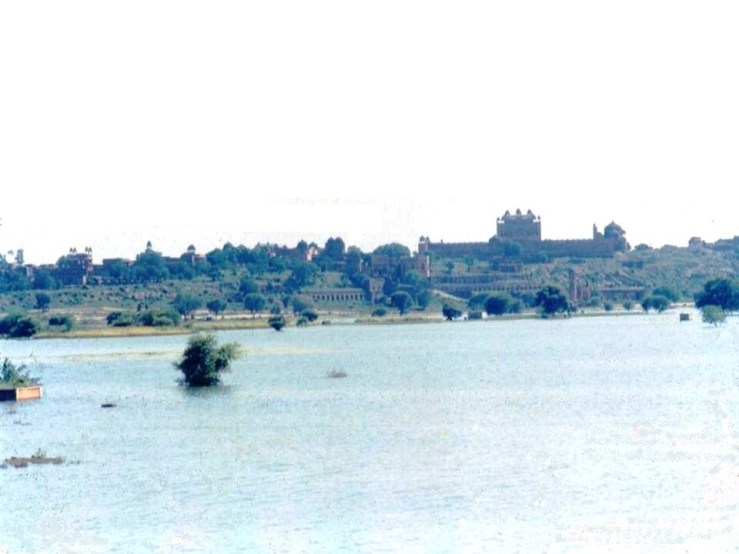
Contrarily, when Babur was preparing to fight his famous battle with Rana Sanga in 1527, he found that “the well-watered ground for a large camp was at Sikri.” The abundance of water at Fathpur Sikri was due to the presence of a large water body, which late during the reign of Akhbar was dammed and given the formal shake of a late. In a letter written in 1580, Fr. Henriques informs that:

“…about a year ago, in order to improve the city, water has been led in from somewhere to form a sizeable lake which is perennial. All the elephants, horses and cattle drink from it, and it also serves the teeming population for all purposes.”

According to Monserrate, this lake, which was dammed to supply the city with water, was ‘two miles long and halfe a mile long’. In 1610, William finch estimated this lake to be two or three ‘cos’ in length and found it “abounding with good fish and wild fowl”, and full of singhāra fruits. When in 1619, Jahangir ordered to be measured, it was found that its circumference was 7 Kos. During the same year, when he resolved not to kill with his own hands any living thing, he ordered 700 antelopes which had been rounded up for hunting to be delivered to the polo ground near the lake where they would remain unharmed. Naturally he knew the water from the said lake would sustain such large number of animals. Sujan Rai Bhadari, writing as late as 1695-96, while describing Fathpur Sikri mentioned that

“adjacent to it (the city) is a kulāb-i buzurg which in its length and breadth is 10 kuroh from which the people used to draw benefit (during Akbars period)”

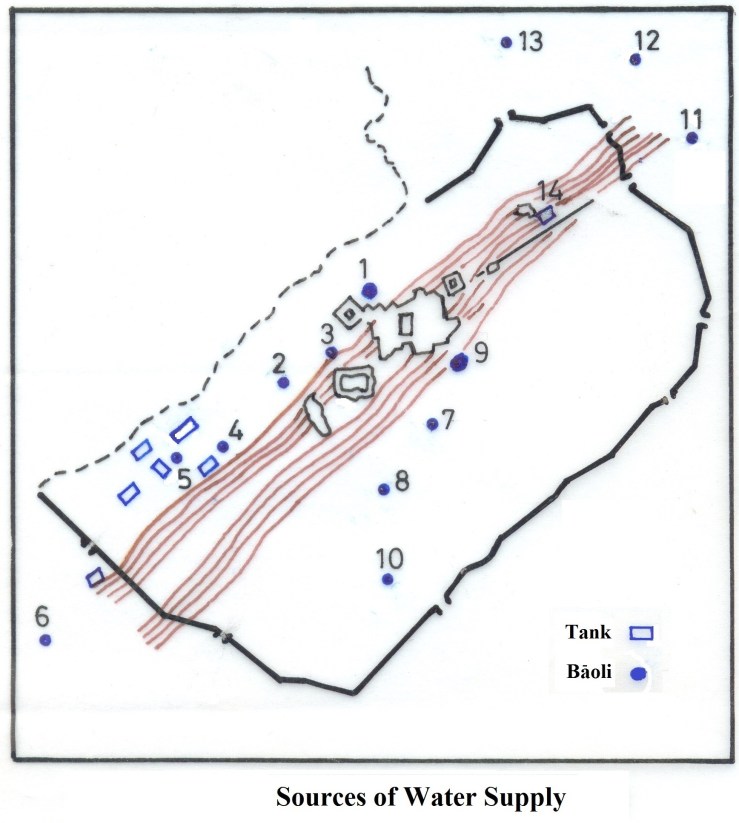
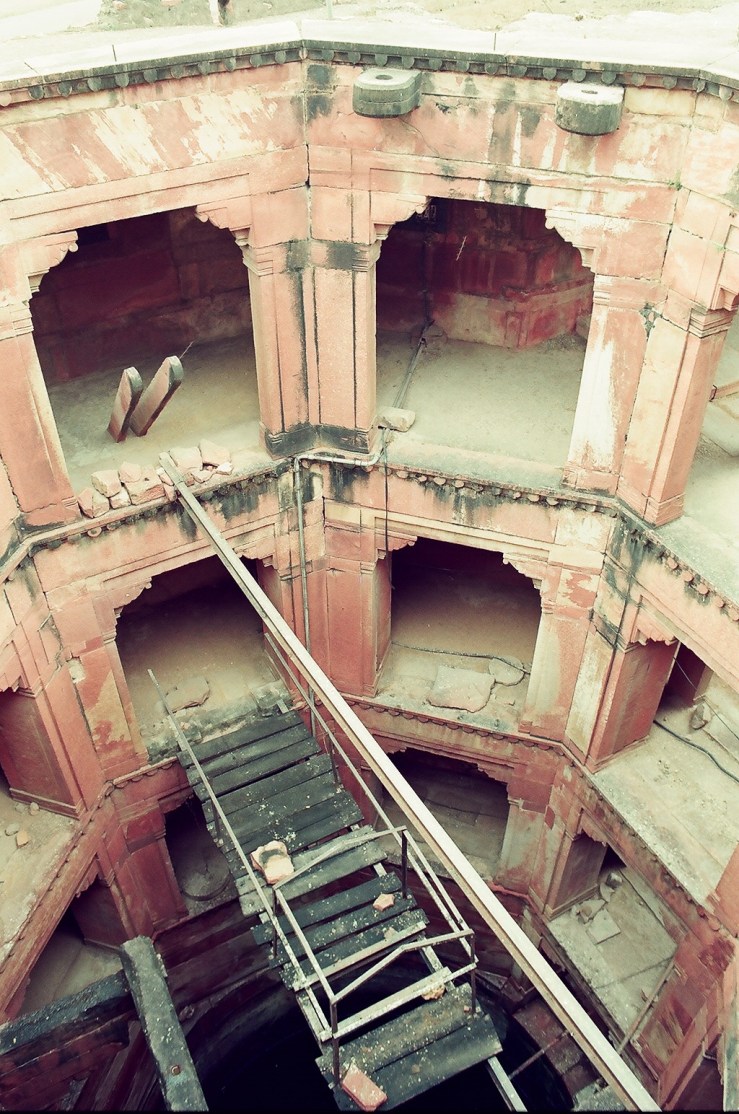
A survey of Fathpur Sikri and its environs further reveals that apart from the lake there were other sources of water supply. As discussed elsewhere, there were at least 13 step wells (bāolis) and 8 water tanks apart from a large number of ordinary wells interspersed all over the walled city. [See Plan I]

Plan I

Of these at least one, the so-called “Hakim’s Baoli” (the Southern Waterwarks, no.9 on the plan) is still functional and caters to the needs of the town’s population. (The Fathpur Municipal Corporation has fitted it with pipes and a motor to draw the water).

Apart from that, the birka mentioned by Jahangir, as well as the huge water tank (jhālra), still cater to the needs of the people in the habitation on top of the ridge as well as the visitors to the mosque. Most of the other bāolis are in such a preserved condition, that some debris cleaning could make them functional.

Interestingly enough, Maryam Makani, the queen-mother, remained stationed at Fathpur even after Akbar left the capital for Lahore in 1585. When for a brief period, Akbar visited Fathpur in August 1601; the queen was much rejoiced in meeting him. From Abul Fazl’s account it appears that the residents of Fathpur Sikri were quite puzzled as to why Akbar was not returning back. Hakim Abul Fath Gilani, who resided at Fathpur, reveals his amazement and depression that Akbar was residing at Lahore and not returning to Fathpur, Had it been the paucity of water, he would have been aware of it.

In fact in 1581 he had been urging one of his friends to migrate to this city, as, amongst other reasons, commence (tijārat) was “better pursued at Fathpur, which is the capital city (pāi-takht)”. Surely till this time there was no ‘crisis’ which the city was suffering from!

We know that throughout its life as a capital city, there had only been one water related crisis, and that was when the so-called Hauz-i Shīrīn (the kulāb as mentioned by Abul Fazl) burst in 1584.

Celebrations were going on and nobles were busy playing games like chaupar (draughts), shatranj (chess) and ganjifa (cards) when suddenly:

“…A side of that little river {daryācha) gave way, and the water gushed out in fury. Though by the blessings of the holy personality (Akbar?), none of the courtiers was injured, yet many people of lower rank (mardum-i pā’in) suffered loss and many houses built below were carried away by the flood. Inspite of the great crowd of those known to the King, only one, Madadi (in another Ms. Madwi), the cheetahbān (leopard trainer) lost his life… .”

However, the tank appears to have been rebuilt soon after. Did this bursting of the tank give rise to the theory of kam āb (scarcity of water) at Fathpur Sikri and its ‘abandonment’ as the dārus saltanat by Akbar in the very next year in 1585? Had it been so, Badauni would have surely highlighted it. Surprisingly Badauni fails to even record this occurrence.

Then why did Akbar prefer Lahore over Fathpur Sikri after 1585? Abul Fazl tries to provide an answer when he mentions that:

“(Akbar’s) sole thought was that he would stay for a while in the Punjab, and would give peace to the Zabuli land (Afghanistan), clear Swad and Bajaur of the stain of rebellion, uproot the thorn of the tārikiyan (i.e. the Raushanniyas) from Tirali and Bangash, seize the garden of Kashmir, and bring the populars country of Tatta (Sindh) within the Empire. Furthermore, should the ruler of Turan remove the foot of friendliness, he would send a glorious army thither, and follow it up in person.”

This situation had arisen due to the death of Mirza Muhammad Hakim’s death. On his return, Akbar had to turn his attention towards the Dcccan and proceeded against a rebellions son. Thus, probably, it was the political reasons of why Akbar left Sikri and on return preferred the security of Agra fort.

J.F. Richards seeks to provide an ideological answer to this question. According to him Akbar preferred Fathpur till he was devoted to the Chishli saints. In 1585, his pilgrimages to the Sufi saints stopped. ‘Akbar’s departure from Fatehpur Sikri coincided with a definite change in religious attitude’.

Should this transfer of capital from Fathpur Sikri to Lahore in 1585 and then subsequently to Agra be taken as the ‘abandonment’ in the sense that it is generally perceived?

If we take the statements of Allami Faizi and Finch at their face value, then with years of Akbars leave court at Fathpur Sikri, the whole town had turned to ruins. But then, we have seen, Maryam Makani remained stationed at her palace even after Akbar’s departure. Akbar returned to his erstwhile capital, albeit briefly, in 1601, i.e., after ten years of Allami Faizi’s account.

If we read Faizi’s statement carefully, it would become apparent that he is mentioning the mansions of the nobles who, being ministers and courtiers, migrated along with the Emperor. Hakim Fathullah Shirazi had left Fathpur before Akbar went towards Lahore, and never returned back. Hakim Abul Fath died at the time when Akbar was marching from Kashmir to Kabul in 1589. Thus he too had died in the same year as Fathullah Shirazi had left Fathpur before Akbar went towards Lahore, and never returned back. Further, the imarāt-i gilīn (mud houses) which “dissolved into the ground” were either the houses of the retainers of these nobles, or temporary residences of the service class, which would have suffered due to the migration of their employers. We know that at least till 1626 a “faire” and “goodly” bazar, with “pleasant Mansions” on all sides was flourishing and thriving.

It appears that by 1610, Fathpur had emerged as a trading Centre. It had turned into a centre for Indigo plantation (nil) where foreign merchants were attracted. We know that Fathpur Sikri was situated on the Agra-Ajmer highway and was part of the indigo producing tract.

We also hear of a large quantity of“corne” which was grown in this area. We come to know that Fathpur was also known for the manufacture of Woolen carpets, apparently through the settlement of the Persian carpet weavers (qali-bāfs). This carpet weaving industry also seems to have survived the transfer of capital. Pelsaert says that these carpet weavers at Fathpur could weave “fine or course” carpets as per the requirement. It was in consequence to this that the markets at this town kept on to thrive. Incidentally none of this would have been possible had there been some scarcity of water. Indigo cultivation, we know, requires large quantities of sweet water.

Thus it appears that by Jahangir’s time, the nature of the township was transformed from being a capital-city to a merchant town. With the transfer of the capital, the nobility had generally migrated, along with its retainers to Agra, thus forcing the contemporary travellers to comment on its “ruinated” conditions and the fallen to the ground houses. These abandoned noble’s structures were then taken over, near the bāzār-i- sang (the ‘Chaharsuq’, as it is now known), by the members of the mercantile classes, which is indirectly testified by the accounts of some of the European visitors.

The ruinated condition of the noble’s houses, however, does not necessarily point to the urban decay of a Mughal Town. Describing the houses of the Mughal nobility, Pelsaert opines that “these houses last for a few years only, because the walls are built with mud instead of mortar” (compare Faizi’s comment). Elsewhere commenting on the Mughal ethos and psyche, Pelsaert writes:

“Wealth, position, love, friendship, confidence, everything hangs by a threa. Nothing is permanent, yea, even the noble buildings – gardens, tombs or palaces, – which in and every city, one cannot contemplate without pity or distress because of their ruined state. For in this they are to be despised above all the laziest nations of the world, because they build them with so many hundred of thousands [of labourers?] and keep them in repair only so long as the owners live and have the means. Once the builder is dead, no one will care for the buildings; the son will neglect his father’s work, the mother her son’s, brothers and friends will take no care for each other’s buildings; everyone tries, as far as possible, to erect a new building of his own, and establish his own reputation along side that of his ancestors. Consequently, it may be said that if all these buildings and erections were attended to and repaired for a century, the lands of every city, and even a village, would be adorned with monuments; but as a mailer of fact the roads leading to the cities are strewn with fallen columns of stone.”

This passage of Pelsaert provides an apt requiem to the information provided by William Finch, Faizi and others. We know that Pelsaert had been to Fathpur Sikri and was aware of its conditions.

Thus it was more due to the social ethos and the architectural weakness, rather than a mass exodus, that a number of once handsome, noble’s edifices collapsed.

Although Fathpur Sikri was never destined to attract the same attention as it did under Akbar, yet it was never totally neglected by the Mughal rulers at least up till the reign of Shahjahan. Herbert visited the town in the early decades of Jahangir’s accession. If he is to be believed, the new Emperor in order to commemorate the victory over his son, Khusrau, erected “a place of hunting” and a “stately castle” at Fathpur. Jahangir in his memoirs testifies to having ordered (in the 14th RY) the Chaughan (polo ground) near the Hiran Minar, to be enclosed and converted into a park to contain a large number of antelopes in order to “enjoy the pleasure of sport and that at the same time no harm should happen to them”.

From the memoirs of Jahangir, it appears that the Emperor did not visit Fathpur in the first 12 years of his rule. It was in the last few months of his 13th RY (AD 1619) that Jahangir headed towards his father’s capital city and “entered the inhabited part of Fathpur”. Prior to that, Jahangir says, he remained encamped eight days on the banks of the Fathpur Sikri lake, due to the outbreak of plague (tā‘ūn) in the city of Agra, the Emperor was forced to stay at Fathpur Sikri for a period of around three and a half months (January to mid-April 1619). It was at Fathpur Sikri that the celebrations of the commencement of the 14th RY (Nauruz), was celebrated with much festivity. The celebrations of Khurram’s 28th year of birth were also held at this time. On this occasion, Muhammad Salih Kamboh says that the daulatakhāna (royal palace) of Fathpur was decorated “according to the annual custom”. On the same day Jahangir showed the prince the grand buildings constructed by Akbar at Fathpur Sikri.

From the account of his visit to Sikri in 1619 it appears that a number of grandees had their mansions in that city. Jahangir mentions that on the invitation of Itimad-ud-Daula and Asaf Khan he visited their residences. Were these structures only temporary abodes of these nobles, the abandoned houses of Akbari nobles? Describing his first visit to the house of Itimad-ud-Daulah, Jahangir mentions:

“As the house of Itimadud Daulah was on the bank of a tank (tāl), and people praised it greatly as a delightfully place and enchanting residence, at his request on Thursday, the 26th (Bahman), an entertainment was held there…”.

The second visit to his house was after the nauroz celebrations of the 14th RY, when Itimadud Daulah is reported to have decorated his residence, the tāl as well as the “streets both near and far” with all kinds of lights and coloured lanterns. A week later the Emperor was entertained in the house of Asaf Khan which was a fine and pleasant place. These references suggest that these houses in the city had been constructed by their owners themselves.

Jahangir appears to have visited Fathpur Sikri only once again four years tale in 1623.

Shahjahan appears to have paid more attention towards Fathpur. Even before, his accession, when he had rebelled against Jahangir and besieged Agra, he made Fathpur his camp. When he ascended the throne in 1628, he held the weighing ceremony on the occasion of the completion of his 38th year and the beginning of his 39th year (of age) in the daulatkhāna of Fathpur Sikri.

In 1635, Shahjahan visited Fathpur Sikri, a second time as an Emperor, and reportedly camped there for a brief period of three days. His subsequent visits were in 1637 and 1643. On all these three visits, the purpose appears to have been to bunt for the wild fowls and excursions on the lake ‘that equalled the Ab-i Jayhun’ (a prominent river near Balkh).

The next visit of Shahjahan took place in 1644 at a time when plague once again had spread at Agra. The Emperor celebrated the festival of Id al-Adhā (Baqr Id) and offered prayers at the Jami’ Masjid. Lahori and Inayat Khan, while describing these festivities inform that on the occasion “the crowd of people had grown to such an extent that a thronging and milling assembly spilled into the gateway of the Mosque”, and during the ensuing stampede a person died and many were injured. Amongst the injured, one person was a state guest whom the emperor compensated with a grant of Rs.3000/-.

This evidence of Lahori and Inayat Khan suggests that at least till this date (1644) a sizeable civic population still inhabited this former capital of the Mughal Empire. The sizeable population also goes to explain the still throbbing bāzār which Peter Mundy encountered in 1633. The viability of Fathpur Sikri is also testified by the fact that in 1645, Mirza Hasan Safavi, a mansabdār of 3000/2000, was made its faujdar and jagirdar.

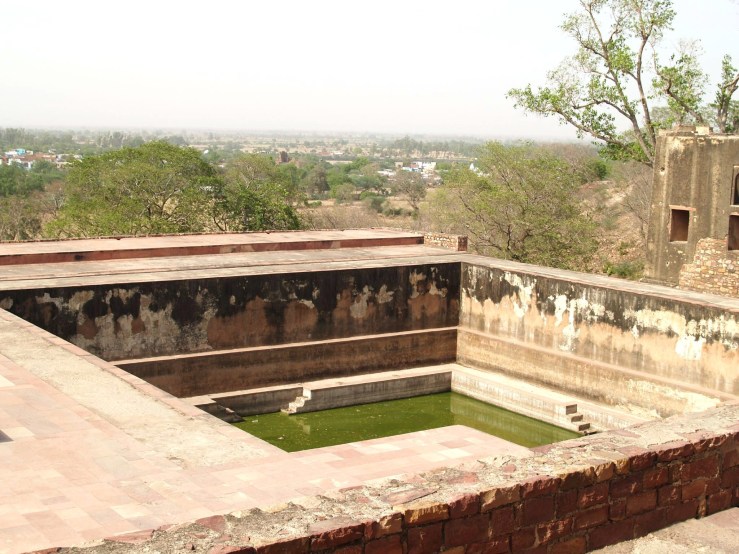
Sometime before 1653, the prestige of Fathpur Sikri was further enhanced when Shahjahan ordered the construction of his own palace outside the palaces of Akbar. Muhammad Waris informs us that this daulatkhāna was situated overlooking the banks of the lake. It was in this palace that Shahjahan stayed during his visits of 1653 and 1654.

The description as given by Waris is quite brief yet is clear enough to indicate the rough location of this structure. To be towards the lake, any imperial building could only have been constructed somewhere on top of the ridge behind the Hiran Minar and the Hathipal (the main entrance of the Imperial complex) towards the Jami Masjid and the ‘Shaikhupura’, the Chishti quarters.

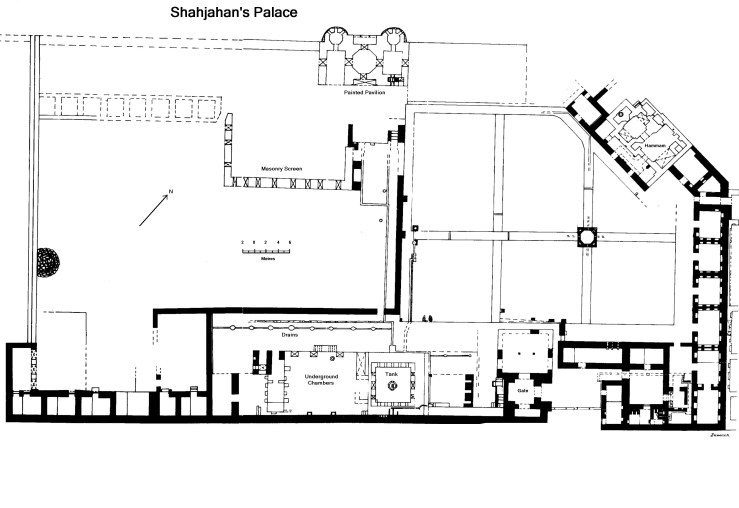
During the course of a survey, the present author located the Shahjahani Daulatkhāna adjacent to the so-called ‘Samosa-Mahal’ on the Hāthi Pol – Shaikhupura road.

The structure had been initially excavated by Prof. R.C. Gaur during the course of his National Project on Fathpur Sikri and subsequently labelled as “Minor Haram Sara”. Situated on the rim of the ridge behind the Jami Masjid, this complex extends down to the plains below the side, where a subsequent survey revealed a Shahjahani bāoli, pleasure pavilions and a Chahārbāgh. [See Plan II]

Plan II

The affiliations of this complex along with the structures on the ridge (having a couple of under-ground chambers), as well as the pavilions below, with Shahjahan’s period become apparent through a profuse use of carvo-intaglio designs and shell-plaster which are typical of Shahjahan’s reign.

The year 1654 appears to have been the last when Shahjahan visited his palace at Fathpur Sikri. By 1656-57, he got involved in the war of succession between his sons, which resulted in his being imprisoned at the Fort of Agra by his own son, the future Emperor Aurangzeb.

From this date onwards we hear very little of Fathpur Sikri, until decades later when in 1719 Fathpur again attracted some attention with the coronation ceremony of the captive king Muhammad Shah ‘Rangila’.

Thus we see that Fathpur Sikri’s decline was a decline in the status from a capital city of the Empire, to that of an ordinary town. Still it remained as an important mercantile centre and a favoured Imperial spot at least till the reign of Shahjahan. Till this date, as in the age of Jahangir, it survived not only as a place of pilgrimage for the disciples of Shaikh Salim Chishti, but also as an important centre of production of the carpet industry and Indigo manufacture. It was not a city built and then abandoned during the same reign. More importantly this change of status was due to the exigencies of an Empire and not due to some water scarcity.

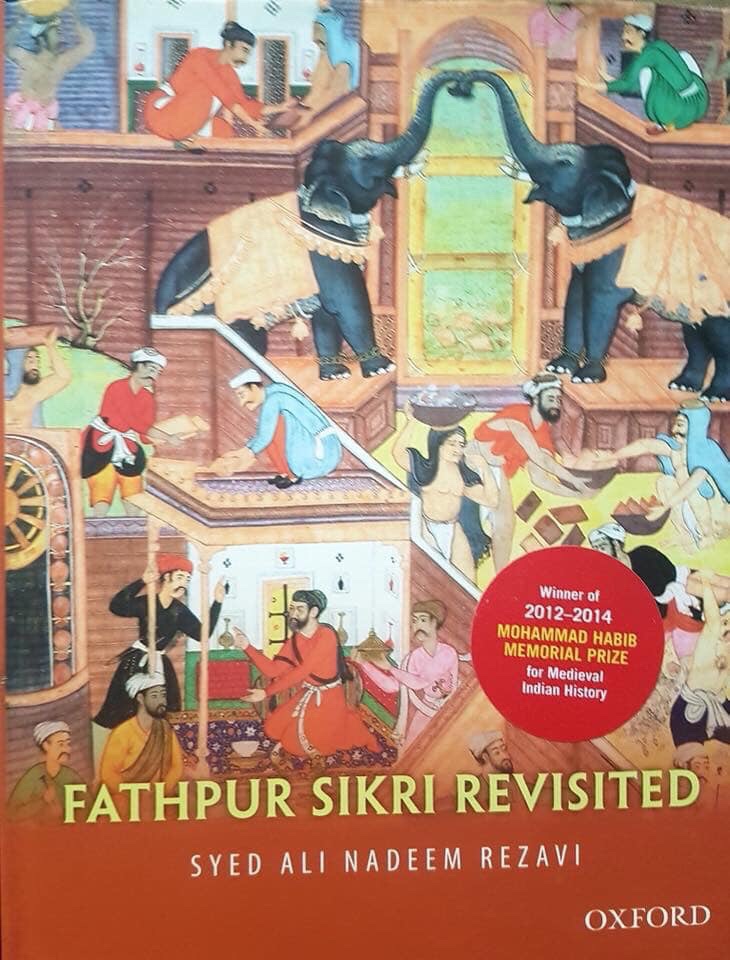
Source: Syed Ali Nadeem Rezavi, Fathpur Sikri Revisited, OUP, 2013

Contemporary and Near Contemporary Sources for Akbar’s Reign

The study of the sources of Akbar’s reign is a topic which has to be tackled in three parts, viz.

• A general Survey of the sources: the broad categories

• Abul Fazl’s approach to the study of history; his world out-look with special reference to Ain-i Akbari

• Basic structure of Badauni and his Muntakhab ut Tawarikh; his world out-look and also the general bias that we find in his historical writings.

General Survey:

The sources are mainly written in Persian language and their total number is very large for this period. It is possible to place the sources we have for the Akbar’s reign under different categories, keeping in mind the world out-look and political loyalties of the authors, their cultural predilections, their social status and also keeping in mind the themes with which their work is primarily concerned.

If we try to work out the characterization of our sources, both primary and some later sources giving primary information of this period, we may get the following seven categories:

1. Official Histories

2. Semi-Official Histories

3. Histories written by theologians (ulema)

4. Insha collections

5. Regional histories

6. Biographical Dictionaries

7. Later sources and histories

There were other sources also – for example the Jesuit Portuguese Fathers writing letters and reports to their superiors in Goa and Lisbon – comprising very interesting sources of information. We also have Traveller’s Accounts, for example that of Finch, who came during the reign of Akbar, or the Ottomon traveller Sidi Ali Reis, whose ship wrecked and he came to Delhi on the eve of Akbar’s accession. The accounts which he left behind for just before and after Akbar’s accession are the only accounts of these political and eventful days.

We also have a very large number of inscriptions and coins of Akbar’s time. Then we have quite a considerable number of original documents of Akbar’s reign which add much to our knowledge on the period under consideration.

Let us start with the Official Histories.

Amongst the official histories we have Akbarnama compiled between 1593-94 – 1597: The last portion of the volume III was completed sometime in 1597. Another important source of this category is the Tarikh-i Alfi compiled in 1582 and completed in 1588.

Then we have the Takmila-i Akbarnama. It is in a way a continuation of the Akbarnama after 1597. But it is an account which is in a different style and a different approach. This was written as a concluding part after the assassination of Abul Fazl in 1602 by Faizi Sirhindi. It covers a period from 1602 to 1604.

Official histories are important as they project the official version of the contemporary events as well as of past developments which naturally tend to be in conformity with the cultural predilections or leanings of the monarch under whose perusal such works are produced. They are actually in the nature of justification of many of the measures taken by a particular ruler.

Therefore it is indeed very useful that in Akbar’s reign we have two official histories written at different times – one is from an early stage during his reign and the other was completed at the end of his reign when he had adopted his policies for which his reign is distinguished. A comparison of the interpretations of the same events in the two works enables us to ascertain as to what the main stages were through which his main outlook was passing through and how they were being perceived. For some events and policies we have one interpretation in the Tarikh-i Alfi, while another is given in the Akbarnama which was completed 10 – 15 years after the former.

Tarikh-i Alfi and Tarikh-i Khandan-i Taimuria:
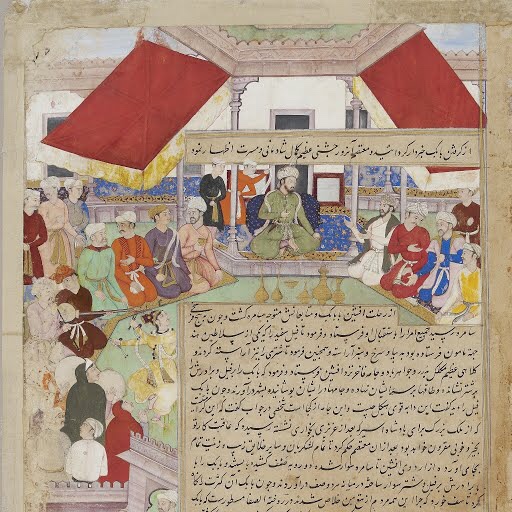
Tarikh-i Alfi, as its name indicates, was conceived by Akbar as a comprehensive history of the first millennium of the Islamic era. It was undertaken towards the close of the millennium and the idea was that in this book the account which began from the dawn of Islam would be brought till the end of 1000 years. The task of compiling this work was entrusted to a team of historians consisting of Mulla Ahmad Thattavi, Asaf Khan and Abdul Qadir Badauni.

The book was planned as the history of the world in which the political developments in the then known world were to be put under individual chapters. But the era used here is not exactly the ‘Islamic’ era. In fact Akbar altered the Islamic era by calculating it not from the hijrat i.e., 622 AD but by calculating it from the date of Rihlat, i.e., Prophet’s demise in 632 AD. The justification that Akbar gave for this change was that, as Abul Fazl says, it is not proper to start the Islamic era from an episode which actually represented the temporary success of forces of evil. Its better to start it from the date of the Prophet’s demise which is a more momentous date. Therefore the years under which individual chapters were organized were rihlat years and not hijrat years.

The chapter would open with developments at the Mughal court of a particular year; it would then abruptly switch to an account of events on the Ottoman empire of the same year before recounting the events that took place in the Safavid court, the Uzbeks and then back to the Deccan for the same year. This was quite an arbitrary approach which squeezed in varied information in one single chapter. Thus this is a narrative of dis-connected events and happenings in different parts of the world.

In fact we do have at our disposal one interesting work providing an insight in the manner in which this book was compiled. This is a work preserved in the Khuda Bakhsh Library at Patna known as Tarikh-i Khandan-i Taimuria. The only copy of this work that has survived contains paintings in large numbers by some of the well-known painters of Akbar’s court which is testimony to the fact that it is a manuscript which was completed at Akbar’s court. Like Tarikh-i Alfi in this book also the account is divided into chapters that commence with rihlat years. But this is only an account of the political history of the Timurids from the time of Timur to that of Akbar in 1576. If one compares the account of the history in this book with the passages on Timurid history in the yearly account in the Tarikh-i Alfi, one will find that this account is exactly the same as given there. This goes to indicate that perhaps Tarikh-i Alfi was initially compiled by its team of authors as separate histories each of which was divided on an yearly basis. And then these accounts were put together to create and constitute a large account represented by Alfi.

Badauni tells us that the Timurid account was compiled mainly by Ghiyasuddin Asaf Khan. Thus we can say that the Khuda Bakhsh manuscript was authored by Ghiyasuddin Asaf Khan.

So far as the nature of this source is concerned, this source included some facts omitted in the Akbarnama. In this official history written in 1582, some information later suppressed in official history is re-produced without any inhibition. This would naturally indicate that by this time Akbar had not yet arrived at a state of mind to suppress some developments of the earlier period that did not present some people close to him in a favourable light.

For example, in Tarikh-i Alfi it is mentioned that at the time of Tardi Beg’s execution in October-November 1556 Bairam Khan had succeeded in securing the co-operation of Akbar’s favourite wet-nurse Maham Anaga through bribery. This fact is missing in the Akbarnama. According to Akbarnama she was against Bairam Khan from the very beginning and organized Bairam’s downfall in 1560.

This indicates the manner in which a tailored history was prepared by Akbar; and which facts Akbar was subsequently trying to hide.

Another similar discrepancy between the two accounts regards the capture of Hemu. In the Akbarnama Abul Fazl devotes a long passage to the famous episode of Hemu’s capture at the Battlefield and his execution at the hands of Bairam Khan after Panipat. Abul Fazl says that when Hemu was brought before Akbar in a wounded state, Akbar refused to raise his own hand towards him and attributes a full speech to the effect that it is not right to attack a man injured. This was to shift the blame on Bairam Khan. Abul Fazl was trying to build a particular image of Akbar which shows him generaus and farsighted.

But in the Tarikh-i Alfi the episode is narrated in total frankness: the speech attributed to Akbar is not quoted here. It is possible that Akbar invented it to Abul Fazl who incorporated it. But what is important to note is that till 1582, Akbar did not had it included and that it is not reproduced in the account written in 1582.

Thus a reading of both the accounts helps us understand how the political image of Akbar and his history was being tailored.

Similarly in the Akbarnama Abul Fazl makes an explicit statement that Akbar had abolished jizya and the Pilgrimage tax in 1562-64. Abul Fazl goes out of his way to explain the significance of this on Akbar’s Rajput Policy. Jizya was not justified and Abul Fazl denounces earlier rulers for imposing it. Now, he says, relief was provided to the non-Muslims.

But then, these two measures are not mentioned in the 1582 text! It is not to suggest that Abul Fazl invented them; perhaps these orders were there but were not enforced in a regular manner and even Akbar did not give much importance to them. He did not regard them as great achievement. But in the subsequent history, attempt was made to give an impression that they were the starting point of Akbar’s religious policy. When subsequently the principles of sulh-i kul were evolved, they were mentioned with great fanfare!

Apart from all this, certain sections of Tarikh-i Alfi relating to Babur and Humayun are important as they were copied by later Mughal histories of Babur and Humayun’s reign.

Semi-Official Histories:

So far as the semi-official histories are concerned, they are histories written by persons in imperial service or one of those who was a noble at Akbar’s court at the time when he wrote his account. These accounts were written by these persons in their individual capacity and not on the order of the king. They were generally written on their own initiative. But at the same time as they identified themselves with the Mughal state and were involved in its working, they tended to give an imperial bias which does not reflect changing situations and policies at the court. Their information tends to justify the role of the authors or that of their immediate superiors and employers.

In this connection one can list the following:

a)Nafais-ul Ma’asir, Alaud Daulah Qazwini (c. 1575)

b)Tarikh-i Akbari, Haji ‘Arif Qandhari (1580’s)

c)Tazkira-i Humayun wa Akbar, Bayazid Bayat (1590)

d)Tabaqat-i Akbari, Nizamuddin Ahmad Bakhshi (1594)

e)Risala-i Asad Beg, Asad Beg (1604)

One thing that is common to all of them is that the authors of these histories were in the service of the Mughal state in one or the other capacity. Some were minor or important nobles. Nizamuddin Ahmad was an imperial bakhshi of the central government. Similarly Alauddaulah Qazwini was the son of a distinguished Persian scholar Khwaja Abdul Latif Qazwini who came in 1555 and had acted as Akbar’s ataliq during the last one year of Humayun’s reign.

But then, Bayazid Bayat was a petty officer who could reach to the position of 200 sawars towards the end of his career as a mansabdar. However, he was close to the royal family and had access to them as a close servant. At the time of writing his account, he was not a regular noble.

Same was the condition of Arif Qandhari who was in the service of Bairam Khan. Later he served Muzaffar Khan. At the time of writing he was still in the service of the same noble.

So far as the Nafais ul Ma’asir is concerned, it comprised two sections, one is the political history of the Mughal rule in Hindustan from the time of Babur’s conquest in 1526 to 1575 – the conquest of Bengal.

The second part comprises of biographical notices of poets etc which are not found anywhere else. Much information contained in the III volume of Badauni on the biographies the contemporaries is drawn from Nafais-ul Ma’asir.

Tazkira-i Humayun wa Akbar is mor a memoir than a regular history. A great significance of this account is that Bayazid’s account of Akbar is focussed mainly on developments taking place in different provinces where Bayazid was staying and posted at different points of time.

In fact Bayazid joined the service of Munim Khan Khan-i Khanan in 1555 and stayed with him at Kabul down to 1560. For this crucial period, Bayazid’s account helps us to understand how the Mughal nobles placed at a long distance to the court were reacting to the tussle that was going on at the court between the regent Bairam Khan and his opponents.

Subsequently Bayazid was made the in-charge of Munim Khan Khan-i Khanan’s jagir at Hisar Firuza where he remained between 1560 and 1567. Again during this period his account is the only account helping us to understand what repercussions’ were created in a provincial town due to the events taking place at the court. For example, when in 1562 Mirza Sharafuddin revolted against Akbar he escaped towards Hisar Firuza and much fighting took place between him and the royal officers in the vicinity of this town where Bayazid was stationed. So there is an account of the manner in which military operations against Sharafuddin were organized.

Subsequently Bayazid stayed with Munim Khan at Jaunpur from 1567 to 1573. Again we find the developments and repercussions at Jaunpur to the eventsat the court as well as preparations at Jaunpur for further expansion towards Bihar & Bengal known to us only as a result of Bayazid’s account at this provincial headquarters.

Bayazid’s account is presented from the Imperial point of view: thus it is a tailored account.

Same is true for Risala-i Asad Beg as it covers a period for which no other history is present. He served Abul Fazl for a number of years and was in his party when Abul Fazl was assassinated. After that in 1602 he was sent by Akbar as his envoy to the Deccan from where he returned sometime before 1604. His Risala contains a detailed account of his activity in the Deccan and the journey to Agra and the presents he brought with him to the court. First mention of tobacco in medieval sources occurs in his Risala and he displayed how it was smoked.

Histories Written by Theologians (Ulema):

General Nature: These histories represent the reactions and assessments of the Muslim religious elite, the social category which was known in the medieval period as ashraf living on madad-i ma’ash or suyurghal grants (revenue free grants for charitable purposes). It is therefore understandable that in these histories the authors seem to be particularly sensitive about Akbar’s measures relating to the management of suyurghal grants and also Akbar’s policies which in any other manner effected the position of the orthodox people. For this reason these sources represent a very important evidence that relates to the religious policy of the Mughal state under Akbar.

The second important feature of these accounts is that all of them suffer from a religious bias and an attempt is made by these authors to interpret political history on doctrinal lines – i.e. their own understanding of the shariat. But at the same time it is also true that in spite of this doctrinal approach, individual interpretations of different authors of this category are at variance with each other as a rule. Therefore it is of great interest for a student of political history that how a particular measure of Akbar is variously assessed by historians and chroniclers, all of whom are writing from an Islamic orthodox point of view.

For example, on the one hand we have Mulla Abdul Qadir Badauni. He in his Muntakhab ut Tawārīkh denounces Akbar as well as most of his close associates as heretics. He also denounces policies and measures of Akbar as aimed at destroying Islamic religion as such.

But on the other hand we have persons like Shaikh Abdul Haq Muhaddith in Tarikh-i Haqqi or his son Nurul Haq Dehlavi in Zubdat ul Tawarikh, wherein we find in spite of an attempt (of ulema) to long for an Islamic age, they have no such harsh assessment as is made by Badauni.
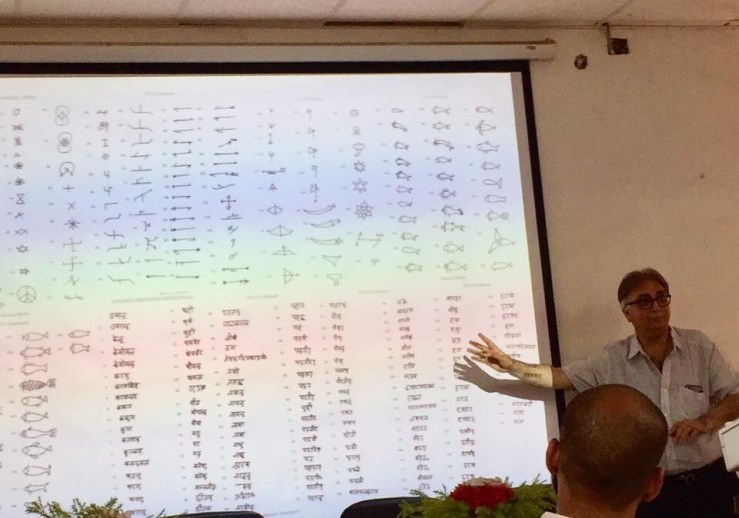
There are a number of important works in this category to be remembered, viz.

Muntakhab ut Tawarikh by Abdul Qadir Badauni completed by him sometime in 1595

Akbarnama compiled by Ilahadad Faizi Sirhindi in 1601

Tarikh-i Haqqi by Abdul Haq in 1605

Zubdat ut Tawarikh by Nurul Haq in 1605

All these are the works compiled by the ulema of Akbar’s period.

Insha Collections:

So far as insha collections are concerned, their number is very large. Here we will mention only the important collections.

Insha Collections are works in which specimen copies of different kinds of documents, including letters written by people belonging to different categories are collected together. These collections were compiled with the aim of presenting collections of the model documents that could serve as instructions to people who sought training as administrators and munshis. Actually when people would write these ‘manuals’, they would take out original letters and copy. So documents which survived, were original documents selected as model documents.

They provide a variety of evidence on political and social history: And are as valuable as information coming from any other contemporary sources.

Insha-i Abul Fazl is available in a number of editions. Abul Fazl’s writings were regarded for long as models of prose writing. They were used in Persian madrasas for purposes of instruction of students. So a number of editions of Abul Fazl’s writings under different titles are available. In these are included letters written on Akbar’s behalf to contemporary rulers of the Deccan, Abdullah Khan Uzbek and the rulers of the Safavid Empire. Some of the letters are written by Abul Fazl on behalf of Akbar and addressed to individual nobles.

Ruqqat-i Abul Fath Gilani published from Lahore is important as it dates back to 1580-81. It is one of the earliest collections left behind by one of Akbar’s noble.

In this collection are included a large number of letters written by Abul Fath Gilani to his contemporaries in which he has made references to the current developments particularly developments taking place in Bihar and Bengal where a revolt by some nobles was going on in 1580-81.

Then we have the Maktubat-i Imam Rabbani – a collection of letters written by the famous Naqshbandi sufi, Shaikh Ahmad Sirhindi, who is also sometimes remembered as the Mujaddid-i Alf-i Sāni – the Lawgiver of the Second Millenium. His Radd-i Rawafiz indicates him as a man of intolerant views of Sunni Muslims, especially the Isna ‘Ashari Shias. Naturally he was greatly provoked by the liberal religious policy followed by Akbar.

In this collection, compiled during the reign of Jahangir, there are available a number of letters that were written by him to some of the leading nobles of Akbar’s court: i.e., Shaikh Farid, Abdur Rahim Khan-i Khanan, Mirza Aziz Koka etc, in which he had pleaded with them that they should use their influence to have Akbar’s policy of separating religion from state be reversed. Shaikh Ahmad wanted this because according to him, it caused, and was causing, great harm to Islam in India.

This collection is very important for the study of Akbar’s Religious Policy that Akbar pursued towards the close of his reign and more particularly for the reaction of the Sunni orthodoxy against Akbar’s policies during this time.

Then we have Munsha’āt-i Namakīn by Abul Qasim Namakin, who was a noble in Akbar’s service and who was stationed for a considerable period in Sind and the Salt Range area of the Punjab. It was during his tenure as the jagirdar in the Salt Range area that he gave a present to Akbar made of salty rock, and as a reward for this, Akbar gave him the title ‘Namakin’, i.e., ‘salty’.

This work was completed sometime between 1595-99. It is in fact a very large collection of official letters and documents which were collected by Abul Qasim during his long tenure as a mansabdar. In this we have separate sets of documents relating to different units of administration: revenue administration, the department of sadarat, fathnamas, etc. In fact the information supplied by these documents is so overwhelming that when it was edited by Prof. I.A. Zilli, it became apparent that unless the administrative history of Akbar’s reign is re-written in the light of these documents, the study would remain incomplete. These documents give a new dimension on the administrative history of Akbar’s reign. They also furnish information on the political aspects of the reign as well.

There is given in this collection a document known as Fathnama-i Chittor, a copy of declaration that Akbar had issued after his victory over the Sisodias at Chittor in 1568. Thus it lays down his policy towards the Rajputs and the drastic measures that he had taken against the Rajputs on this occasion. It talks about establishing Islam in the territories inhabited by non-Muslims. Akbar says that since the beginning of his reign till now, he has waged warfare against kafirs. He takes pride in the fact that he was responsible for the destruction of a large number of townships inhabited by the kafirs. He massacred a lot of kafirs and converted quite a few of them. This is in sharp contrast to Akbar’s policy projected by Abul Fazl in 1597. Akbarnama describes Akbar’s victory in Chittor, but all the religious bias in this original document is missing. Thus this document helps us to understand Akbar’s attitude at this time towards the Rajputs and his role at Chittor in 1568 itself, and how it is different from his own image he is seeking to project in the official history written subsequently. Thus we can say that definite change has taken place in his personal religious approach as well as his attitude towards the Hindus and the Rajputs.

Regional Histories:

They are available mainly for the history of Gujarat, Sind, Deccan and Kashmir. These histories, as it is seen, are histories focussed on political and administrative developments taking place in different regions from the time these regions were controlled by independent kingdoms down to the end of Akbar’s reign when these regions were integrated into a new imperial system which evolved under Akbar. Therefore, these sources are very important in so far as they highlight the circumstances that led to the annexation of the individual regions to the Mughal Empire and also highlight the settlements that were made in these regions after the conquest which accounted for the diverse administrative forms that are sometimes discernible in the different Mughal subahs.

The important histories of this category are as follows:

1. Tarikh-i Gujarat compiled by Abu Turab Wali sometime before 1597 and which covers the history of the Gujarat region from 1526, i.e., from the coming of Bahadur Shah to the throne, down to the final suppression of the revolt of the Gujarat nobles against Akbar in 1584. So this book covers a very important period of the history of the struggle between the Mughal Imperial Authority and the local ruling dynasty of Gujarat which finally culminated in the absorption of Gujarat in the Mughal Empire.

2. Tarikh-i Ma’sumi or Tarikh-i Sindh written by Masum Bhakkari in 1606-07. This is a local history of Sindh giving account of the Arghun ruling dynasty of Sindh from very early time down to the time of annexation of Sindh to the Mughal Empire under Akbar. Masum Bhakkari at the time of writing was serving as a minor mansabdar of the Mughal Empire who belonged to an old family of Sindh nobility.

3. Tarikh-i Firishta. This is important from the point of view that it is a general history which is a near contemporary source for us. We are concerned here only with that part of it in which histories of various regional kingdoms including those of Gujarat, Malwa, Sindh, Kashmir, Bengal and Bahmani kingdoms are given from beginning of the 15th Century down to the annexation of some of these to the Mughal Empire under Akbar. It was only the Bahmani kingdom which stayed out of the Mughal Empire.

4. Then we have Mirat-i Sikandari by Sikandar bin Manjhu, compiled in 1611;

5. The Baharistan-i Shahi of Kashmir compiled in 1614;

6. The Mirat-i Ahmadi, another history of Gujarat compiled by Ali Muhammad Khan in 1761.

All these are later works but focus on the period when these territories were annexed.

Tazkiras:

They are biographical notices of the Ulema and the Mashaikh, and occasionally, of poets. Then we have a number of instances of tazkiras covering the biographies of the people in the fighting profession or holding positions as nobles. For example, the second part of Nafais ul Ma’asir compiled by Ala ud Daulah Qazwini in 1575, which is a tazkira of the nobles under the garb of the tazkira of poets.

Amongst the tazkiras of ulema and mashaikh which also contain biographical notices of nobles may be included:

1. Muzakkar-i Ahbab (1562) containing biographical notices on a number of persons serving in the Mughal Empire under Akbar, compiled at Samarqand. Incidentally it contains biographies of some of those who migrated to Hindustan in 1562 or after, and a number of poets, scholars and other persons and groups of intelligentsia who are not known otherwise.

2. Akhbar ul Akhyar compiled by Abdul Haq Muhaddis Dehlavi contains biographical notices of ulema and mashaikh.
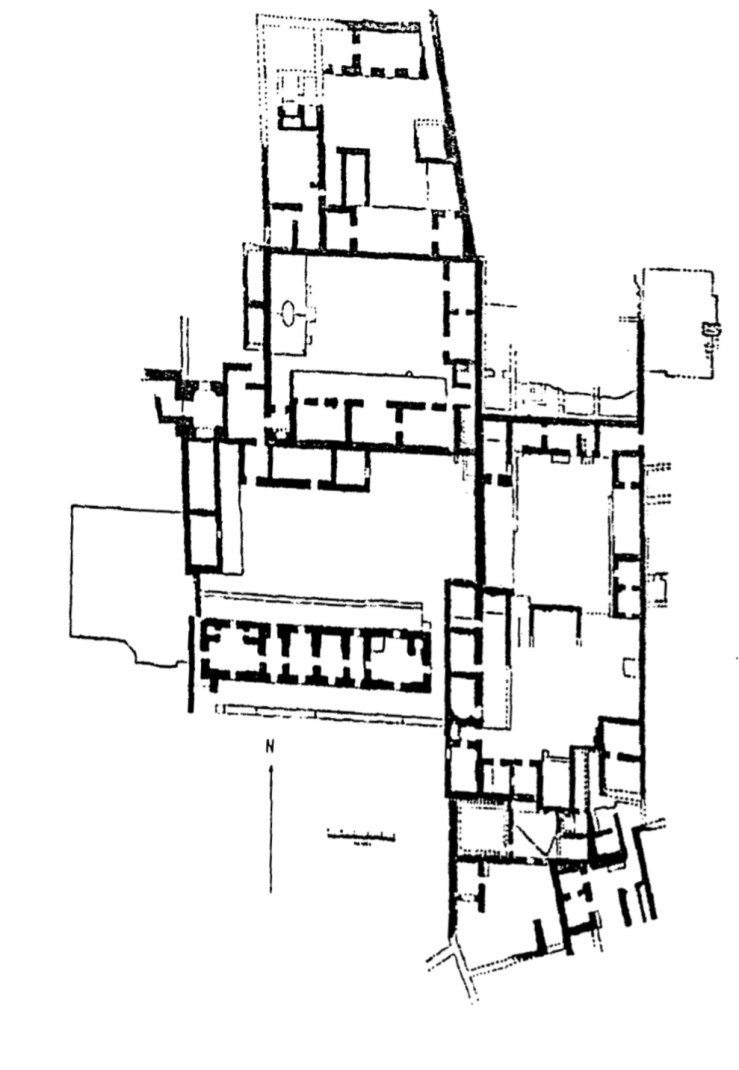
3. Another such tazkira is ‘Arafat ul ‘Ashiqin written by Taqi Auhadi.
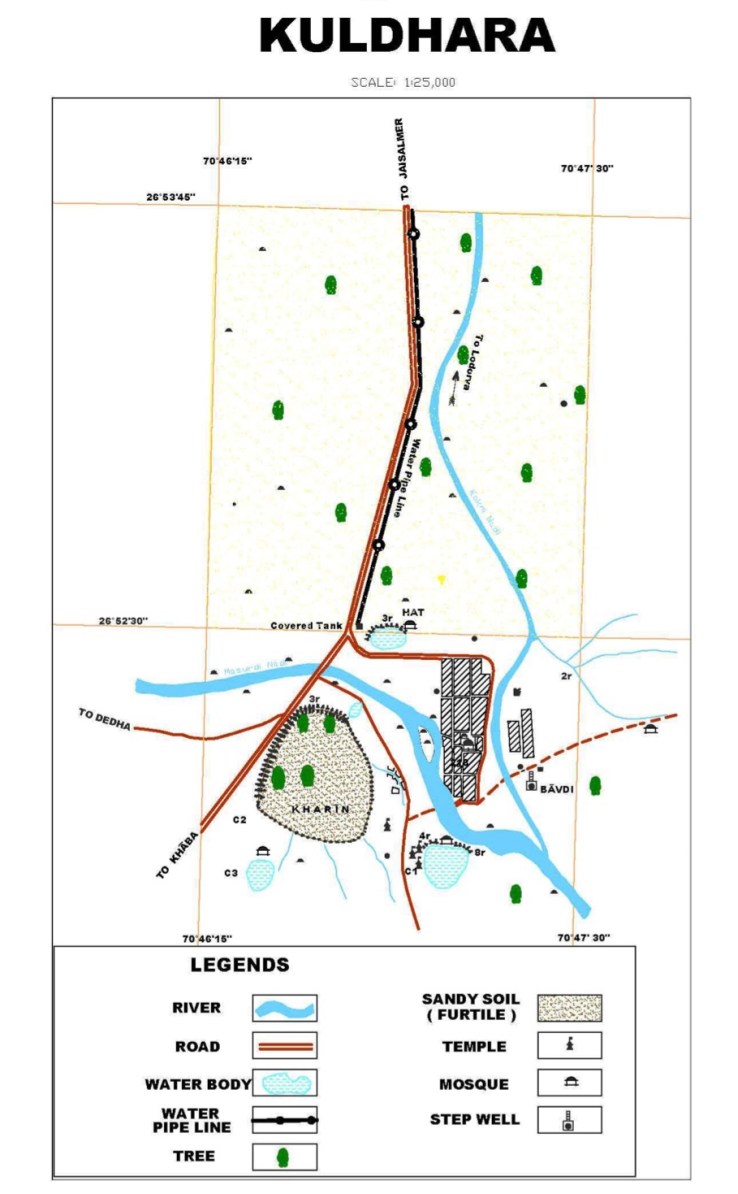
4. Then we have the Zakhirat al Khawanin written by Shaikh Farid Bhakkari in 1652-53. It is important as it is entirely a biography of nobles who were serving Akbar. We get access to detailed information about Akbar’s nobility which we get nowhere else. It was however written much later.

5. Ma’asir ul Umara was compiled in 1742-47 by Shahnawaz Khan. This also contains original information. However, it had a particular bias – its author was a staunch Shia, while Farid Bhakkari was a staunch Sunni. Thus both these works had their own particular bias. However, Shahnawaz Khan borrowed extensively from the earlier work.

6. Tazkirat ul Umara was compiled in 1728 by Kewal Ram. This is important because, even for the earlier period, information about the non-Muslim nobles is quite detailed which is not found in other tazkiras.

Other Later Sources:

Source like Tarikh-i Firishta was compiled in the Deccan in 1606-07. It provides information not only about the Mughal Empire, but also about the Delhi Sultans of earlier centuries as well, which is not found in earlier sources. Its introduction quotes a large number of sources not available now to us. So, much information is derived from authentic contemporary sources to which we now have no access. Lastly, Firishta is the first account where an attempt is made to interpret early history of the 16th Century and Mughal Empire, in terms of the controversies, for example, the Shia-Sunni controversy, and the differences being the basic reason for the rise of factional struggle during the regency.

Ma’asir-i Rahimi was written by ‘Abdul Baqi Nahawandi sometime in 1614-16. This deals with Abdur Rahim Khan-i Khanan – it is a sort of an apology for the role played by Bairam Khan and Abdur Rahim himself earlier. So it is in bias, and favour of, two nobles who served Akbar in high positions.

Iqbalnama-i Jahangiri compiled in 1620 is very important because it is an attempt made in the reign of Jahangir to elaborate the political history in such a way that it can be used as auseful guide and help to interpret the verbose statements made by Abul Fazl in the Akbarnama. It also adds information in addition to that of Abul Fazl.

Even the Tuzuk-i Jahangiri when referring about the last few years of Akbar’s reign, provides us information. It also contains an assessment of Akbar’s policies and measures.

Lastly we have the Dabistan-i Mazahib compiled sometimes towards the mid-17th Century by an anonymous author, most probably a Zoroastrian (Parsi). This book is conceived as an encyclopaedia of different religions practiced in Hindustan and for the study of the political and institutional history of Akbar’s reign: It covers what is described by the author as the so-called Din-i Ilahi, the concept of religious tolerance introduced by Akbar. It also gives a detailed summary of discussions which had taken place in the Ibadatkhana in 1575. Resume of discussions reproduce mainly relate to those acrimonious exchanges which took place between Sunni Ulema and the Jesuits, between Shi’i and Sunni ulema and also with the Hindus. It seems that this section is based on some authentic record of discussions. This is borne out by the great resemblance between it and that of the summary of the discussions given by Badauni in volume II of his Muntakhab.

For details on Badauni click here Muntakhab

Copyright: Syed Ali Nadeem Rezavi